





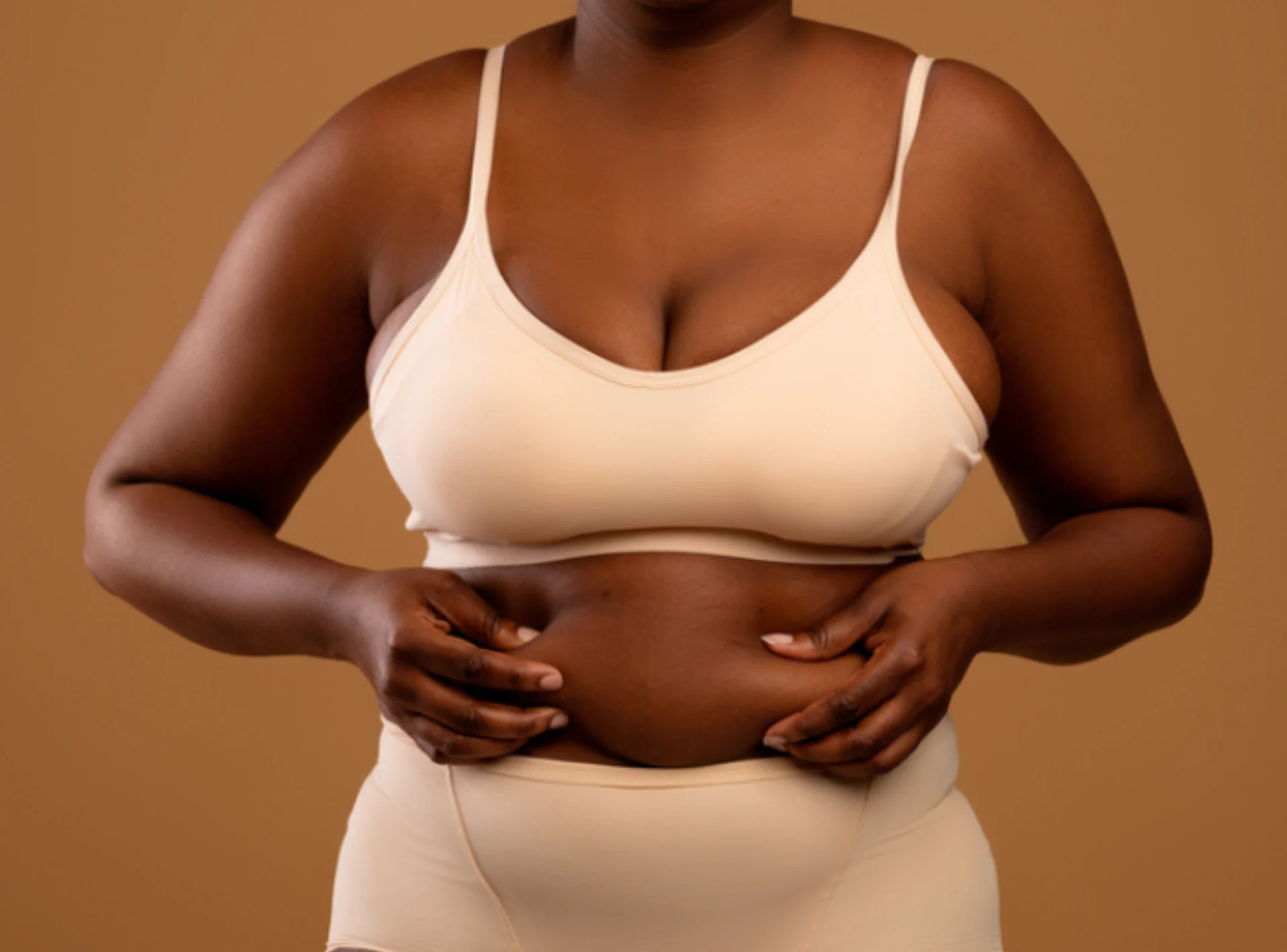
It is crucial to educate yourself about liposuction surgery and its possible aftereffects if you intend to have the procedure done. You can control your expectations by researching trustworthy clinics, knowledgeable professionals, and the healing process.
Liposuction In Dubai
Liposuction in Dubai is a cosmetic surgical procedure designed to remove stubborn fat deposits from specific areas of the body that do not respond well to diet and exercise. It helps sculpt and contour the body rather than serve as a weight-loss method. Twenty typical post-liposuction experiences and things to think about are listed below.
BOOK AN APPOINTMENT TODAY
1. Managing Expectations
Although liposuction can produce amazing body contouring effects, it cannot replace losing weight or having the ideal body. To prevent disappointment, reasonable expectations must be set. In order to identify achievable results, your surgeon will assess your goals, skin elasticity, and anatomy during your consultation. Being aware of the procedure’s limitations guarantees that you will be satisfied with the outcome and enables you to recognize small gains as your body recovers and adapts following surgery.
2. Temporary Irregularities
Temporary skin irregularities like mild lumps, swelling, or unevenness are common after liposuction. As the body heals and the skin tightens, these side effects typically go away in a few weeks. Compression clothing, gentle massages, and adequate hydration all aid in the quicker smoothing of these irregularities. Patience and consistent aftercare are essential; most people notice a slow improvement in the treated areas over time, which results in smoother contours and more natural-looking outcomes as their recovery goes on.
3. Fat Removal Limits
In order to preserve natural proportions and prevent complications, a skilled surgeon carefully regulates the amount of fat removed during liposuction. Excessive fat removal from one area can result in loose skin or irregular contours. The goal of the procedure is to sculpt rather than significantly reduce body weight. In order to achieve more balanced, symmetrical results that improve your overall shape without sacrificing skin tone or tissue health, it is important to discuss your desired look and adhere to safe removal limits.
4. Blood and Lymphatic Vessel Damage
Excessive liposuction can harm the blood or lymphatic vessels under the skin, resulting in swelling, chronic bruising, or scarring. When a skilled, experienced surgeon performs the procedure using advanced techniques, these risks are greatly decreased. By preserving the integrity of the surrounding tissues, gentle, precise fat removal promotes faster healing and reduces side effects like fluid accumulation, discoloration, or ongoing tenderness in the treated areas.
5. Skin Discolouration
Although it is rare, skin discoloration following liposuction may happen if the procedure damages blood vessels close to the skin’s surface. This usually goes away with time and can show up as uneven pigmentation or mild blotting. This risk is decreased by selecting a surgeon skilled in superficial fat removal. As swelling gradually goes down, following all post-operative instructions—such as avoiding the sun and using gentle skincare products—helps promote even healing and restores natural skin tone.
6. Blood Pooling
Rare side effects following liposuction include hematomas (blood pooling) and seromas (fluid accumulation). With the right post-operative care, these usually go away on their own, though they can cause swelling or tenderness. Maintaining proper drainage and reducing fluid accumulation can be achieved by wearing compression garments and keeping follow-up appointments. To rule out infection or other issues and to ensure a safe, efficient recovery, get in touch with your surgeon right away if you experience persistent swelling, warmth, or redness.
7. Skin Necrosis
Rarely, skin necrosis—areas where the skin does not heal properly—can result from excessive fat removal or decreased blood circulation. By choosing a respectable, skilled clinic and staying away from unduly forceful methods, this complication can be avoided. Smoother results with less tissue damage are encouraged by contemporary techniques like Vaser Liposuction. Healthy circulation and a quicker, more thorough recovery are facilitated by avoiding smoking, drinking plenty of water, and adhering to aftercare instructions.
8. Blistering
After surgery, some adhesives or dressings, like Reston foam, can cause skin irritation or blistering in some patients. Skin sensitivity or mild allergies are frequently the cause of these reactions. This risk is decreased by making sure your practitioner uses authorized medical-grade materials. Before your procedure, let your doctor know if you have any known allergies. Your surgeon can offer substitute dressings if irritation arises in order to shield the healing area and stop additional pain.
9. Incision Marks
It’s common for small incision marks to appear during the healing process after liposuction. To reduce visibility, surgeons typically make these incisions in discrete places. Scars eventually disappear and are hardly perceptible, though it could take longer for darker skin tones to lighten. Healing can be accelerated by keeping the area clean, avoiding the sun, and applying the suggested scar creams. Within a few months to a year following surgery, the majority of patients experience noticeable improvement.
10. Fainting or Vasovagal Syncope
After liposuction, fainting can happen sometimes, usually when patients move too quickly or notice blood while changing dressings. During the first few days, have someone close by, eat before changing clothes, and stand up slowly to lower this risk. Sit or lie down right away if you feel dizzy. These are transient reactions that typically go away as your body heals in the initial phases following surgery.
11. Light-Headedness
After liposuction, it’s normal to feel dizzy as your body adapts to the anesthesia and fluid changes. Standing up abruptly or taking off compression clothing too soon can cause this feeling. Eat small, wholesome meals throughout the day, rise gradually, and drink plenty of water to help manage it. Take a break if you feel lightheaded. As your circulation stabilizes and your energy levels return to normal, these symptoms usually go away in a few days.
12. Post-Surgery Fainting at Home
During the first few days of recovery, some patients may experience lightheadedness when taking a shower or taking off their compression garments at home. Avoid being by yourself during these periods and never lock doors in case help is required to ensure your safety. Move slowly, and if you feel lightheaded, stop right away. These episodes are brief and typically get better as your body recovers and your blood pressure and circulation return to normal.
MEET THE EXPERT DOCTOR
13. Miscommunication
A successful liposuction outcome depends on you and your surgeon having open lines of communication. Prior to surgery, always confirm the areas of treatment, the objectives of fat removal, and the anticipated length of recovery. To prevent misunderstandings, ask for written documentation of your plan if your consultation and procedure are handled by different practitioners. By ensuring that you and your surgical team have a common goal, open communication helps minimize post-operative disappointment or confusion while achieving the intended aesthetic results safely and effectively.
14. Drainage Issues
Appropriate drainage is essential for minimizing swelling and avoiding fluid accumulation following liposuction. Swelling, redness, or warmth in the treated area—possible indicators of infection or seroma formation—can result from slowing or stopping drainage too soon. Always adhere to the aftercare instructions provided by your surgeon, including those regarding the handling of dressings and compression garments. If you experience unusual tenderness during recovery, excessive fluid, or a bad odor, call your doctor right away.
15. Swelling
Particularly in the lower body, swelling is a typical and expected aspect of the healing process following liposuction. It might reach its maximum during the first week and then progressively decline over the course of a few weeks or months. A low-sodium diet, lymphatic drainage massages, and the regular use of compression garments can all aid in the effective management of swelling. Maintaining an active lifestyle with mild movement promotes circulation and quicker recovery, which over time helps to define your body’s contours.
16. Bruising
Following liposuction, bruises frequently develop in treated areas as a result of minor blood vessel damage beneath the skin. As the body heals, the bruises usually go away in two to three weeks. While topical remedies like Arnica or bromelain can hasten recovery, wearing compression garments lessens bleeding beneath the skin. Prior to and following surgery, abstaining from alcohol, tobacco, and some drugs, such as aspirin, reduces bruising and promotes speedy healing.
17. Rapid Heart Rate
The local anesthetic used during liposuction, which typically contains epinephrine, can cause a brief elevation in heart rate. Usually, this reaction is mild and transient. Before surgery, stay away from stimulants like caffeine, nicotine, and some medications to lower risks. Any pre-existing heart conditions should be disclosed to your surgeon. After the anesthetic effects wear off, most patients find that their heart rate naturally stabilizes in a matter of hours.
18. Vascular Injury and Bleeding
Vascular damage or excessive bleeding are uncommon but can happen, particularly in people with diabetes or those on anticoagulants. During your consultation, provide your complete medical history and medication list to reduce this risk. To preserve the surrounding blood vessels, skilled surgeons employ exacting techniques. A safer procedure and a quicker recovery free of problems or severe bruising are guaranteed when all pre- and post-operative instructions are followed, including refraining from using blood thinners.
19. Worry About Drainage
Although post-surgery drainage may seem concerning, it usually consists of anesthetic solution rather than blood. This fluid aids in swelling reduction and the removal of leftover medication. After the procedure, drainage is common for up to 2 days. Compression clothing and absorbent pads aid in process management. If the fluid turns bright red, smells bad, or becomes excessive, call your surgeon because these symptoms could be signs of infection or poor healing.
20. Post-Surgical Maintenance
Continued maintenance and good lifestyle choices are necessary to preserve liposuction results. Untreated fat buildup can be avoided by maintaining a stable weight through a healthy diet and consistent exercise. Observe all post-operative instructions, such as wearing compression garments consistently, going to follow-up appointments, and abstaining from alcohol and tobacco while you’re recovering. Your dedication to wellness and appropriate maintenance of your new body contour will determine long-term success, as your results will continue to improve for several months.
Best Plastic Surgeon In Dubai For Liposuction
Best Plastic Surgeon In Dubai for Liposuction has a reputation for delivering precise, natural, and beautifully contoured results through advanced fat-removal techniques. Dr. Perfect Celebrity is widely recognized for his expertise in aesthetic body sculpting and for working with numerous high-profile clients across the UAE.
Learn More
A variety of liposuction procedures catered to your needs are available at Perfect Doctors Clinic. Give us a call now to learn more about your treatment options.