





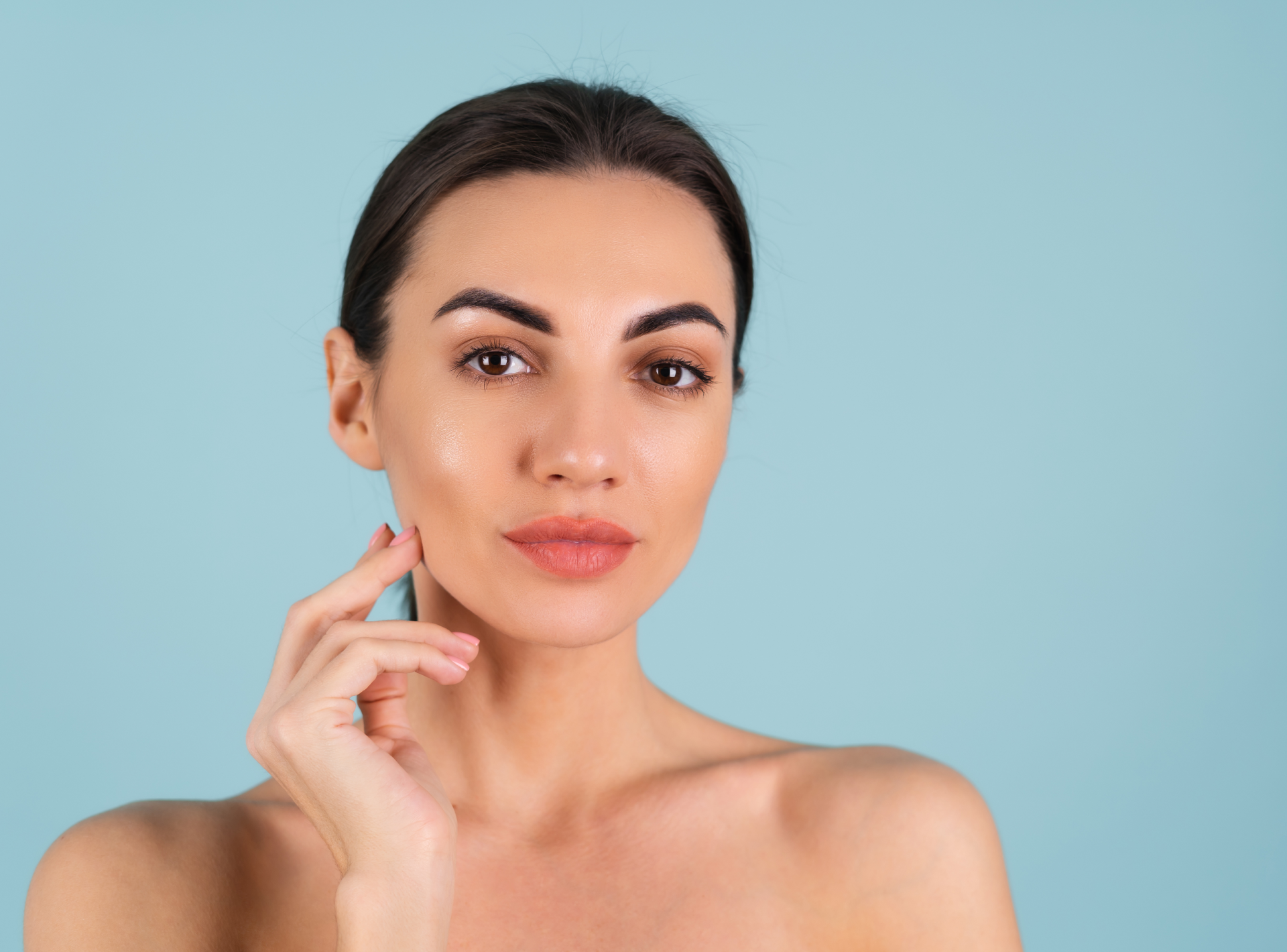
A facelift, or rhytidectomy, is one of the most popular cosmetic surgical procedures, with more than 130,000 facelifts performed in Dubai in 2015. Its popularity is highly substantiated as no other therapy can deliver more dramatic results in reversing the common indications of facial aging.
A facelift is an operation that lifts the skin of the face and neck, along with the underlying muscle, to tighten and smooth the face.
However, numerous facelift myths are not true and are simply unfair. Here are the facts about some classic facelift myths:
Facelift In Dubai
A facelift in Dubai is a cosmetic surgical procedure designed to rejuvenate the face by tightening loose skin, repositioning underlying tissues, and reducing visible signs of aging. It primarily targets concerns such as sagging cheeks, deep folds around the nose and mouth, jowls along the jawline, and loose skin on the neck. During the procedure, a surgeon carefully lifts and reshapes facial structures to restore a smoother, firmer, and more youthful appearance while maintaining natural facial expressions. Modern facelift techniques focus on subtle, long-lasting results rather than an overly tight or artificial look. Recovery times vary depending on the method used, but most individuals can gradually return to daily activities within a few weeks. A facelift does not stop the aging process, but it can significantly slow visible aging, helping individuals feel more confident in their appearance for many years after the procedure.
Myth 1 – Results Look Fake
Bad plastic surgery is the media’s bread and butter. You know what I mean if you’ve ever been in a checkout line and seen on the cover a tabloid with a botched facelift. The majority of these cases are, for the most part, people who wanted really unnatural results and had a series of surgeries, often against the recommendations of their plastic surgeons.
The fact is that a well-done facelift treatment by an expert plastic surgeon should not be very apparent, and absolutely not odd in look. Board-qualified plastic surgeons are often able to provide youthful, bright results without giving away any secrets.
Another important point to understand is that modern facelift techniques have evolved significantly, making unnatural or “overdone” results far less common than they once were. Today’s approach focuses on lifting and repositioning the deeper layers of the face rather than simply pulling the skin tight. This allows for a more natural restoration of youthful contours, volume, and definition. Skilled surgeons carefully assess each patient’s facial structure, skin quality, and aging patterns before creating a customized plan that enhances, not changes, their appearance. In addition, advancements in surgical methods and technology have made it possible to achieve subtle, long-lasting outcomes with minimal visible scarring. The goal is not to make someone look like a different person, but rather a refreshed version of themselves. When performed correctly, friends and family may notice that you look healthier or more vibrant, but they often cannot pinpoint exactly why. This is the hallmark of a successful facelift, results that blend seamlessly with your natural features while preserving your unique identity.
Myth 2 – Facelifts Are Only for Old People
There’s no “right age” for a facelift. Such aging can cause facial skin and underlying muscle to relax or sag over time, although the net effects of aging can occur at any age. There are also many reasons why people have early onset aging, including a history of too much sun, smoking cigarettes, or just not taking care of the skin.
Mini facelift treatment may help younger people with early signs of aging. This is a modified facelift method that is less invasive and delivers a natural-looking lift to the lower face and neck area.
Another key factor to consider is that the decision to undergo a facelift is less about age and more about individual concerns and desired outcomes. Many people in their late 30s or 40s begin to notice early signs of aging, such as mild sagging, loss of jawline definition, or fine lines that no longer respond to non-surgical treatments. Addressing these changes earlier with procedures like a mini facelift can actually provide more subtle, longer-lasting results because the skin still has good elasticity. Additionally, starting treatment at an earlier stage often means less extensive correction is needed, leading to shorter recovery times and more natural outcomes. Modern facelift approaches are highly customizable, allowing surgeons to tailor techniques based on the patient’s specific needs rather than applying a one-size-fits-all solution. This flexibility ensures that both younger and older individuals can benefit appropriately. Ultimately, the goal is to enhance confidence and maintain a refreshed appearance at any stage of life, proving that facelifts are not reserved for a specific age group but for anyone seeking refined, natural rejuvenation.
Myth 3 – There’s Only One Type of Facelift
No two faces are alike. “Every single patient has totally different facial characteristics, different signs of aging, and different goals with regard to the end result. Fortunately, there are a variety of facelift treatments; each of them varies in the way in which they reverse facial aging. There are also some fantastic non-surgical face rejuvenation techniques employing lasers, dermal fillers, and Botox. Many individuals also benefit from having a facelift with complementary operations like eyelid surgery or fat transfer.
It’s also important to recognize that modern facelift techniques are highly adaptable, allowing surgeons to choose the most suitable approach based on each individual’s anatomy and concerns. Options such as a traditional facelift, mini facelift, mid-facelift, and deep plane facelift all address different areas and depths of aging. Some techniques focus on tightening loose skin, while others reposition deeper tissues for longer-lasting and more natural results. In addition, advancements in aesthetic medicine mean that non-surgical treatments can be combined with surgical procedures to enhance overall outcomes. For example, treatments like injectables or skin resurfacing can improve skin texture and volume, while a facelift corrects structural sagging. This combination approach creates a more comprehensive and balanced rejuvenation. Ultimately, the availability of multiple facelift options ensures that patients are not limited to a single method, but instead receive a personalized treatment plan that aligns with their facial structure, lifestyle, and aesthetic goals, resulting in more refined and natural-looking improvements.
BOOK AN APPOINTMENT TODAY
Myth 4 – Facelifts Are Solely For Women
Facial aging is a problem for both men and women, and facelift surgery can assist both sexes. Demand for male facelift treatments has actually risen 21% since the year 1900, whereas demand from females showed no significant development in the same period. Male patients accounted for 8% of all facelift procedures performed in Dubai in 2015, or 11,000 procedures (source).
In addition, the motivations for men to undergo facelift procedures often center around maintaining a competitive and energetic appearance in both personal and professional environments. Many male patients prefer results that are subtle and natural, avoiding any obvious signs of surgery while still achieving a fresher, more rested look. This has led to increased demand for techniques that provide gradual improvement with minimal downtime. Social acceptance has also evolved, with more men openly discussing and considering aesthetic treatments as part of their grooming and self-care routine. Rather than being viewed as a cosmetic luxury, facelifts are now seen as a practical solution for addressing visible aging concerns. This growing trend reinforces the idea that facelift surgery is not limited by gender but is instead a versatile option for anyone looking to enhance their appearance while preserving their unique identity and confidence.
Myth 5 – Recovery Is Long And Painful
Facelift surgery, like any other surgery, requires patients to stay out of the public eye for a certain amount of time to recover. The amount of downtime will depend on the type of facelift procedure performed as well as the health of the patient. Most patients will find they can return to work and normal activities after two weeks. Also, the discomfort after the treatment is usually limited to the first few days right after the procedure and may be controlled with ice, elevation, and prescription medicine.
Most patients notice significant improvement within the first week, and by the second week, they often feel confident resuming social and professional activities. With proper rest and care, recovery is generally smoother than anticipated.
MEET THE EXPERT DOCTOR
Best Plastic Surgeon In Dubai For Facelift
Best Plastic Surgeon in Dubai for Facelift offers advanced techniques designed to restore youthful contours and enhance natural beauty with precision and care. Dr. Perfect Celebrity is known for delivering refined facelift outcomes that focus on harmony, balance, and long-lasting rejuvenation. A comprehensive approach is taken to address sagging skin, deep wrinkles, and loss of facial volume while preserving individual facial expressions. Each treatment plan is tailored to the patient’s unique anatomy and aesthetic goals, ensuring subtle and natural-looking results rather than an overdone appearance. Modern surgical methods, combined with careful planning and attention to detail, help minimize visible scarring and support a smoother recovery. Patients benefit from a personalized experience that prioritizes safety, comfort, and satisfaction. With a focus on excellence and artistry, facelift procedures are designed to enhance confidence and achieve a refreshed, youthful look that complements the patient’s natural features.