





Rhinoplasty Nose Sugery In Dubai
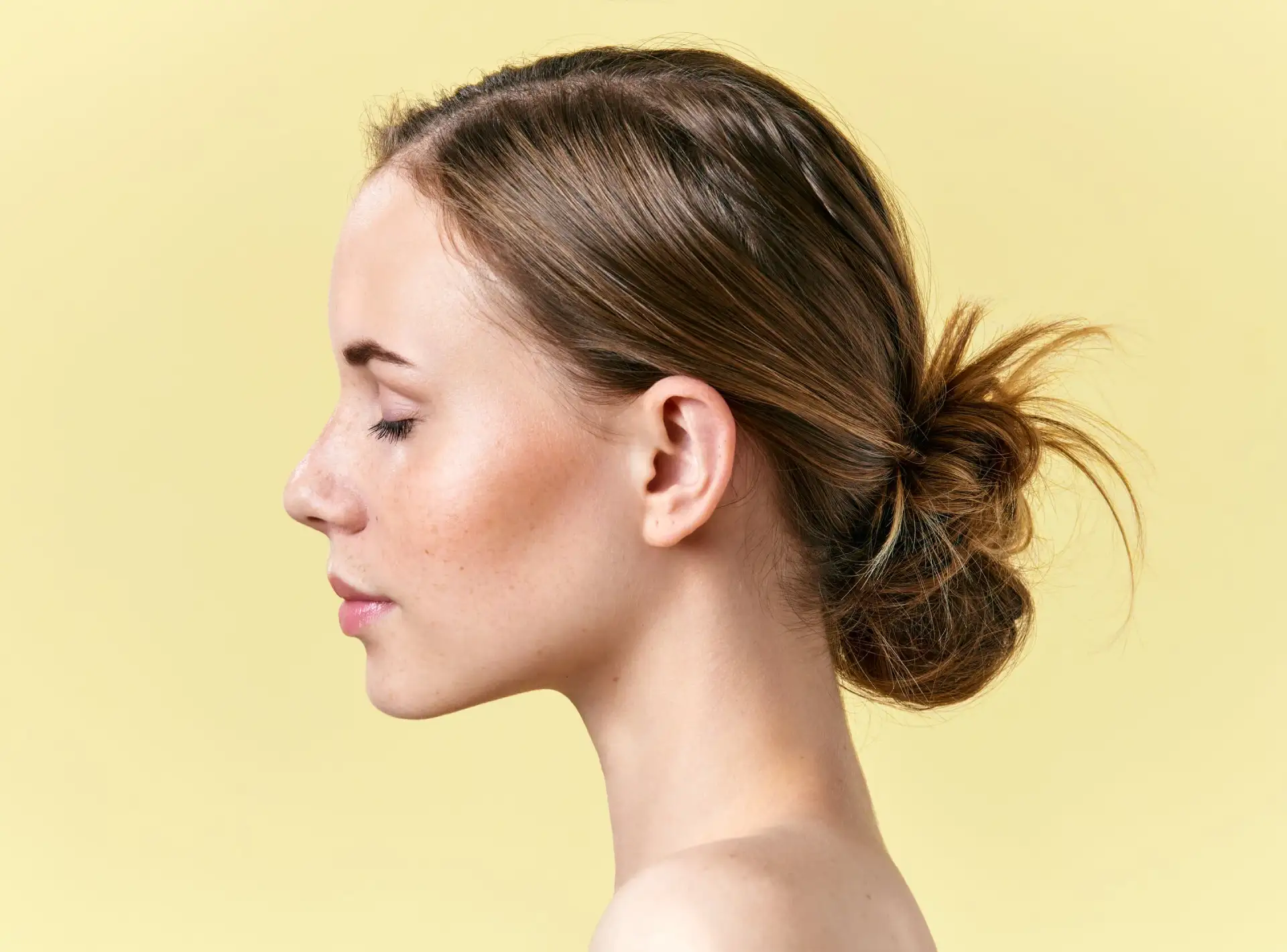
Rhinoplasty nose surgery in Dubai is one of the most common and cutting-edge cosmetic procedures for people looking to improve the size, shape, or structure of their nose. By correcting structural or aesthetic irregularities and balancing nasal proportions, the procedure improves facial harmony. Rhinoplasty can treat functional problems like breathing difficulties brought on by a deviated septum or nasal obstruction in addition to cosmetic ones. Dubai boasts modern medical facilities and highly qualified plastic surgeons who specialize in both open and closed rhinoplasty procedures. Depending on the patient’s objectives, the surgery may involve minor reshaping for natural refinement or more extensive adjustments for major transformation. Under general anesthesia, the procedure usually takes 2 to 2.5 hours to complete. The Clinic provides a customized approach that begins with a thorough consultation to evaluate the patient’s nasal structure, facial features, and aesthetic preferences. This method guarantees that the outcomes look proportionate to the rest of the face and natural.
BOOK AN APPOINTMENT TODAY
Rhinoplasty Recovery Tips
Getting a nose job, or rhinoplasty, can help you look more put together and balanced. However, receiving the right care and attention during the recuperation phase is necessary to achieve stunning results. To guarantee a speedy recovery and long-term satisfaction, your postoperative habits and healing regimen are just as crucial as the surgery itself.
It’s crucial to get ready for your rhinoplasty by buying the right healing supplies and creating a cozy recuperation space at home. To reduce discomfort, encourage quicker healing, and safeguard your surgical outcomes, follow these five essential recovery tips for nose surgery.
Ice Your Body
It’s common to have redness, swelling, and slight discomfort under your eyes and around your nose after nose surgery. The body’s natural healing process includes swelling, which usually peaks in the first 2 days following surgery. Your surgeon will advise you on cold therapy and prescribe painkillers to help manage these symptoms.
When applied properly, cold compresses can greatly lessen discomfort and swelling. Applying frozen peas, soft ice packs, or a cold towel to your cheeks and upper face, but not to your nose, is an effortless and efficient method to achieve this. Before applying the ice, make sure to wrap it in a clean cloth to prevent skin irritation or frostbite. During the first few days of recovery, apply the treatment multiple times a day for 8 to 12 minutes each time, taking brief breaks in between applications.
Avoid putting too much pressure on your nose, as the result could disrupt the alignment of the cartilage and the healing of tissues. Keeping your body properly hydrated and sleeping in a slightly cooler environment are two more natural ways to control swelling. Moving gently and keeping your blood flowing well without engaging in physically demanding activities can also help your body heal.
Moisturize Skin
After a rhinoplasty, proper skin care is essential to promote healing and avoid irritation or dryness near the surgical site. The use of nasal bandages and less washing may cause your skin to feel tight or flaky in the days after the procedure.
Prepare a few safe and mild products in advance to take care of your skin:
- Use cotton swabs to gently clean the area around the nose.
- Use baby wet wipes to freshen your face or cleansing wipes without fragrance.
- Use moisturizing oils to prevent dryness and reduce the risk of infection, ideally pure baby oil without additives.
Maintaining clean and hydrated skin reduces irritation and accelerates the healing process. Strong chemicals, alcohol, and fragrances should be avoided in products, as they may cause burning or interfere with the skin’s natural healing process.
To prevent infection and relieve sensitivity, you can apply topical healing creams or antibiotic ointments to the surgical areas in addition to moisturizing oils, as directed by your surgeon. After the wounds have completely healed, some natural oils, such as coconut or rosehip oil, may also help to soften the scar tissue (use them only with a doctor’s approval).
Your skin’s ability to heal greatly influences the overall outcome of your rhinoplasty. The skin surrounding your nose will heal uniformly and return to its natural tone with gentle care and regular moisturizing.
Eat Well
One of the most neglected yet crucial elements of rhinoplasty recovery is nutrition. For tissue repair, inflammation reduction, and immune system strengthening, your body requires enough nutrients. A well-balanced, anti-inflammatory diet promotes healthy, radiant skin and speeds up the healing process.
Pay attention to foods high in zinc, healthy fats, and vitamins A, C, and E. Among the examples are:
- Omega-3 fatty acids, which lower inflammation, are found in fatty fish like sardines and salmon.
- Walnuts and avocados are excellent sources of beneficial fats that help heal damaged skin.
- Probiotic-rich yogurt enhances immunological response and promotes gut health.
- Pomegranates provide skin cell protection and antioxidants.
- Sunflower seeds can reduce inflammation during your recuperation because they are rich in vitamin E.
Make an effort to eat a diet rich in fresh fruits, vegetables, lean meats, and water. Steer clear of processed foods, caffeine, and excessive salt, as these can exacerbate swelling and prolong fluid retention.
Light snacking on nutrient-dense foods, such as nuts or sunflower seeds, can help you manage your energy levels and keep your body nourished if you experience restlessness during your recuperation. Staying hydrated by drinking plenty of water or herbal tea also helps flush out toxins and promotes faster healing.
Sleeping With Head Elevated
Learning how to sleep is one of the most crucial—and frequently overlooked—recovery steps following rhinoplasty. It is important to keep your head up at all times, even when you should sleep for one and a half weeks following surgery. In addition to preventing fluid accumulation and reducing swelling, this position shields your healing nose from pressure and unintentional contact.
During the first few days of their recuperation, many patients find that sleeping in a recliner chair is beneficial. If you like your bed angled between 35 and 40 degrees, use a wedge pillow or several pillows. To stop your head from turning sideways while you sleep, you can also use a neck pillow designed for travel or airplanes.
Sleeping on your stomach or side can change the shape of the healing cartilage. In addition to improving circulation, keeping your upper body raised lowers your chance of developing postoperative congestion.
It’s common to have mild back or neck stiffness while you sleep because of limited movement. Using a supportive mattress and doing some light stretching in the morning can help reduce discomfort without interfering with your recuperation.
You can progressively go back to sleeping in your typical position after 1.5 weeks, or as soon as your surgeon gives the all-clear.
5. Maintain Good Hygiene And Follow-Up Care
Maintaining proper hygiene and regular follow-up care is essential to a successful recovery, even though it was not covered in the original set. Observe all postoperative instructions given by your surgeon, including those pertaining to medication schedules, follow-up appointments, and nasal cleaning procedures.
To maintain clear airways and avoid crust formation, gently clean your nose using saline sprays or solutions as directed by your physician. Sneezing or blowing your nose too forcefully can hinder the healing process.
After the bandages are off, always wear sunscreen and shield your nose from the sun. Excessive sun exposure can cause pigmentation or swelling in healing tissues.
Lastly, keep in mind that recovery takes time. Although the majority of swelling goes away in a few weeks, it might take several months for the full effects of your rhinoplasty to show. To get the best result, you must be patient, provide consistent care, and heed professional advice.
MEET THE EXPERT DOCTOR
Cover Your Incisions After Nose Surgery Dubai Procedure
Your body will cover the wounds with a protective layer. This scar tissue will be sensitive to changes in temperature, dryness, and sunlight. After your Dubai nose job, you will need to cover your incisions if you plan to go outside. Please consult your physician to determine the appropriate waiting period before taking a shower.
You should focus on what you can do during your recovery. To get the most out of your recuperation, plan ahead. We will contribute as well. We’ll provide you prescriptions for painkillers. Your progress will be monitored during postoperative visits. We can work together to ensure a successful recovery from your nose surgery in Dubai.
Best Plastic Surgeon In Dubai For Rhinoplasty Nose Surgery
Best Plastic Surgeon In Dubai for rhinoplasty nose surgery is available at Perfect Doctors Clinic, which is renowned for their accuracy, artistry, and dedication to producing results that look natural. Dr. Perfect Celebrity is renowned for fusing cutting-edge surgical methods with a creative vision, guaranteeing that every rhinoplasty enhances the patient’s distinct facial structure and aesthetic preferences. Every rhinoplasty procedure at Perfect Doctors Clinic starts with a comprehensive consultation during which the surgeon assesses breathing function, facial balance, and nasal anatomy. Before undergoing surgery, patients can see possible results thanks to sophisticated imaging technology. This individualized planning guarantees realistic expectations and customized outcomes that improve facial harmony. Dr. Perfect Celebrity, skilled in both cosmetic and functional rhinoplasty, can address post-traumatic deformities, bumps, wide bridges, and nasal asymmetry. Throughout the entire process, from pre-surgery evaluations to post-operative care and recovery counseling, the clinic prioritizes patient comfort while adhering to international safety standards.