





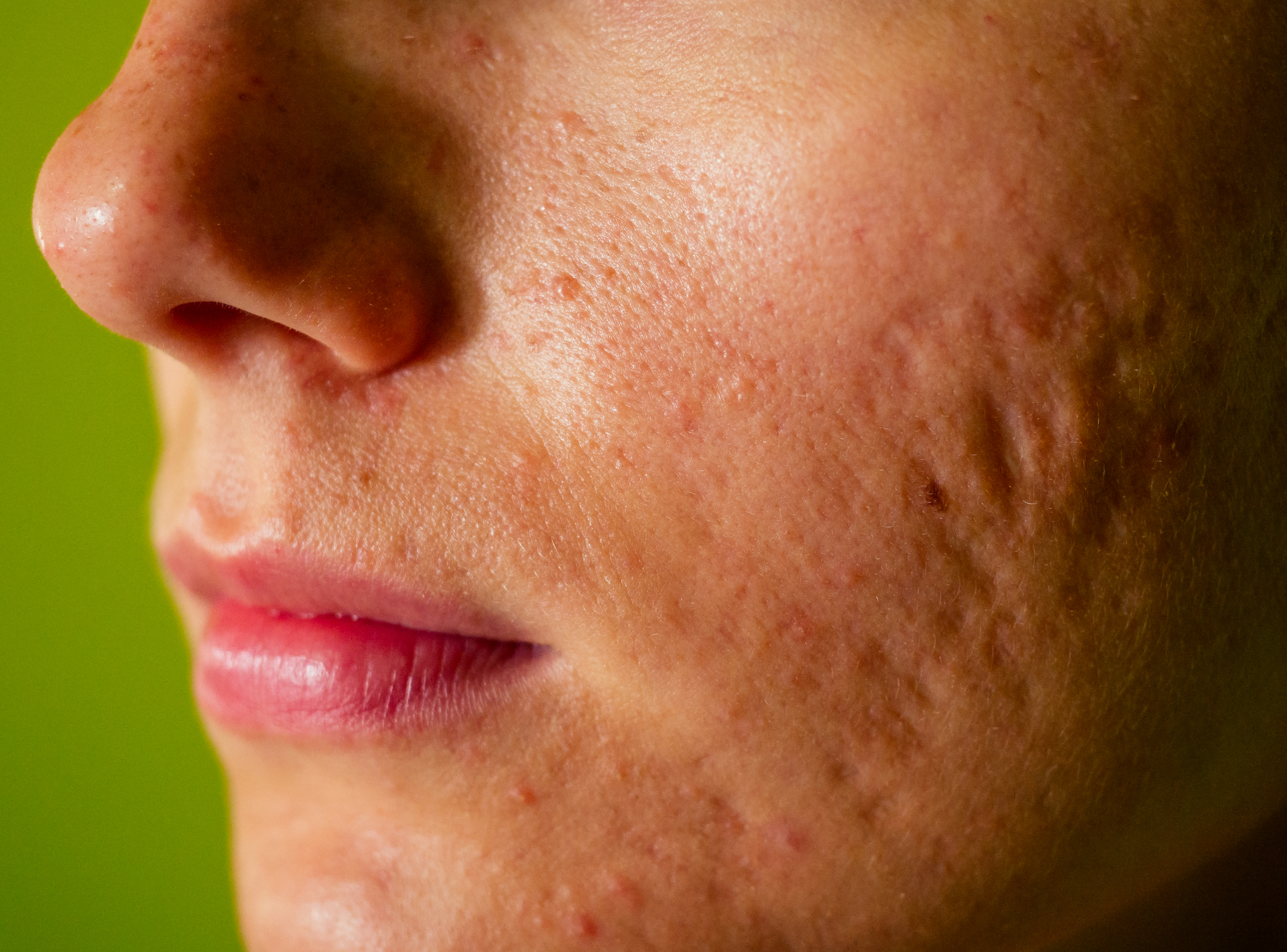
Acne is frequently linked to puberty and adolescence, but the scars it leaves behind can persist well into adulthood. You can help enhance the appearance of your skin by being aware of your treatment options and how to avoid acne scars.
Acne Treatment In Dubai
Acne Treatment in Dubai provides cutting-edge, highly customized solutions. Excessive oil production, clogged pores, bacteria, hormonal changes, and lifestyle factors like stress or diet can all contribute to acne, a common skin concern. Because every person has a different skin condition, treatment plans in Dubai are specifically designed to address the type and severity of acne, guaranteeing the best possible outcomes that last. Modern acne treatments combine medical-grade skincare products with state-of-the-art technologies. Chemical peels unclog pores and exfoliate the skin, while laser therapy reduces inflammation and bacteria that cause acne. Microneedling is a great treatment for both active acne and post-acne marks because it increases the production of collagen and improves the texture of the skin. To regulate oil production and sustain results over time, specialized topical treatments and skincare routines are frequently advised. Every treatment plan at Perfect Doctors Clinic is safe, efficient, and in line with the patient’s skin goals thanks to a patient-focused approach.
Acne Scar Treatment In Dubai
Acne Scar Treatment in Dubai provides advanced solutions for smoothing, rejuvenating, and restoring clear, healthy-looking skin. These treatments aim to reduce the appearance of acne scars while also improving skin texture and confidence. There are several types of acne scars, such as superficial marks, rolling scars, and deep pitted scars, each of which calls for a different course of treatment. Dermatology specialists in Dubai employ cutting-edge methods that concentrate on repairing damaged skin layers and promoting the production of collagen, resulting in gradual improvements that appear natural. Treatments at Perfect Doctors Clinic are intended to address the underlying skin damage as well as the visible scars. While microneedling increases the production of collagen and smoothes uneven texture, procedures like laser resurfacing aid in the removal of damaged skin layers and encourage regeneration. By enhancing tone and minimizing pigmentation brought on by acne scars, chemical peels can further promote skin renewal. Doctors often combine these treatments to achieve longer-lasting and more effective results.
What Is Acne Scarring?
Areas of pitted skin caused by lesions, inflamed blemishes, and cysts are known as acne scars. A pore may swell and rupture the follicle wall if it becomes clogged with bacteria, extra oil, or dead skin cells. The skin starts producing new collagen fibers to fix the damage. But this new collagen never looks like the skin did before the injury, which causes a scar to form.
Different Types Of Acne Scars
Four primary categories are used by dermatologists to classify acne scars:
- Hypertrophic or Keloid scars: Elevated, red scars that can itch or irritate
- Rolling scars: These are shallow scars that resemble waves and have soft edges.
- Icepick Scars: Narrow, deep scars that resemble a pore that is empty
- Boxcar scars: These are shallow scars that resemble tiny skin imprints and have sharp edges.
How To Prevent Acne Scarring
Controlling your acne as soon as it appears is one of the best strategies to avoid acne scarring. Treat your acne as soon as you can, and if it doesn’t get better, schedule a consultation with your doctor. Additional strategies to avoid scarring include:
- Reduce inflammation: Scarring is more likely to result from large, inflammatory blemishes than from smaller ones. By reducing any inflammation as soon as possible and refraining from vigorous scrubbing, you can stop additional irritation.
- Don’t squeeze or pick at breakouts: Squeezing or picking at imperfections can push bacteria and dirt deeper into your skin, causing inflammation to spread or get worse. Try your best to ignore flaws and allow them to heal naturally.
- Examine your options for prescription treatment: For nodular or cystic breakouts, which are the most likely to result in scarring, over-the-counter products are not the best option. Getting prescription-strength medication can help you avoid scarring and minimize breakouts.
Are Acne Scars Permanent?
The majority of acne scars are temporary, which is good news. The best course of action will depend on your scarring and overall objectives because everyone experiences acne differently. The following are some methods for treating acne scars:
- Chemical peels: A chemical peel eliminates acne-causing bacteria and lessens the visibility of scarring by employing acids of different intensities.
- Microneedling: This technique makes “micro-tunnels” using tiny needles. This aids in the production of collagen by the skin, which plumps deeper scars and shrinks pores in general.
- Laser skin resurfacing: People with cleared acne are the best candidates for laser skin resurfacing. In order to rejuvenate the skin and promote the production of collagen, the epidermis is removed.
BOOK AN APPOINTMENT TODAY
How Long Does It Take To See Results From Treatment?
The type of treatment you receive will determine how long it takes to see results. For instance, it may take four to six weeks to see results from the most common options, like laser treatment for acne scars. While more moderate scars may heal in as little as four weeks, advanced scars may take up to six months to fully heal because acne scar treatment must first break down old tissue before it can begin to heal the skin.
How Much Does It Cost To Receive Acne Scar Treatment?
- The ultimate cost of treating acne scars will be determined by:
- How many scars do you want to heal?
- The size of the treatment area
- The quantity of therapies required
- The level of experience of your provider
The precise cost of your treatment will be discussed during your consultation with Perfect Doctors Clinic.
What Are The Types Of Acne And What Do They Look Like?
Acne takes many different forms. Whiteheads and blackheads are common, and they usually heal without incident. Then there are types that can cause scarring:
- Papules: are pink or red bumps that hurt when touched.
- Pustules: are pus-filled lesions. They’re red at the bottom, white or yellow at the top.
- Nodules: are solid lesions. They are larger than papules and pustules, and they can cause more pain because they penetrate deeper into the skin.
- Cysts: are deep within the skin. They’re painful, full of pus, and will most likely scar.
How Common Is Acne Scarring?
Very common. Acne affects approximately eighty percent of people aged twelve to twenty five, and one in every five of them will develop scarring. Teenagers are hardest hit. Nearly ninety percent will develop acne.
What Causes Acne?
Clogged pores. Dead skin, oils, and bacteria clog your pores and cause inflammation. You may also have a genetic predisposition to acne.
What Causes Acne Scars?
Scars form when your body tries to repair the acne. Your body’s response to a wound determines whether and how much scarring you will have. The process of repair includes the production of collagen. If there is too much collagen, raised scars appear. Other scarring is caused by tissue loss, resulting in pits or indentations in the skin.
How Is Acne Diagnosed?
A dermatologist will examine your skin to see if the lesions are consistent with acne or another dermatologic process.
How Are Acne Scars Diagnosed?
A dermatologist will examine your skin to determine whether you have acne scarring and which type it is.
Are There Any Tests Performed To Diagnose The Type Of Acne Scar?
A visual examination by a dermatologist is sufficient to make a diagnosis. Your dermatologist may also assess how severe your acne scarring is. Acne scarring is classified into four grades, according to one measurement system: macular, mild, moderate, and severe. Grade one macular scars are red but flat. A grade two, mild scar is one that can be easily concealed with makeup or facial hair. Grade three, moderate, is “obvious from a social distance.” It is not as easily concealed by makeup or facial hair. Finally, grade four, severe, refers to scarring that is visible from a social distance of more than fifty centimeters. It’s unlikely that facial hair or makeup will completely conceal these scars.
MEET THE EXPERT DOCTOR
Treat Your Acne Scars at Perfect Doctors Clinic
Our goal at Perfect Doctors Clinic is to make your skin look its best. We provide a range of acne scar treatment choices and are available to collaborate with you to create the best course of action for your requirements. Make an appointment right now at one of our Dubai locations!
Best Aesthetic Clinic in Dubai For Acne Scar Treatment
Best Aesthetic Clinic in Dubai for acne scar treatment is Perfect Doctors Clinic, which provides a wide range of advanced, non-surgical procedures to rejuvenate and restore the skin. The clinic uses expertise, innovation, and personalized care to effectively reduce acne scars and improve skin texture. Perfect Doctors Clinic’s highly skilled dermatologists use cutting-edge technologies like laser resurfacing, microneedling, and skin rejuvenation treatments. These treatments improve the general quality of the skin, repair damaged tissue, and increase the production of collagen. Skin that is noticeably smoother, clearer, and more refined with better tone and elasticity is the end result. The clinic offers treatments in a welcoming and professional setting while maintaining a strong focus on accuracy, patient comfort, and long-term results. Patients receive professional care that guarantees a gradual but noticeable transformation, whether they are dealing with minor imperfections or deep acne scars. Perfect Doctors Clinic assists people in achieving a flawless, radiant complexion and restored self-confidence in their skin through regular treatment and appropriate aftercare.