





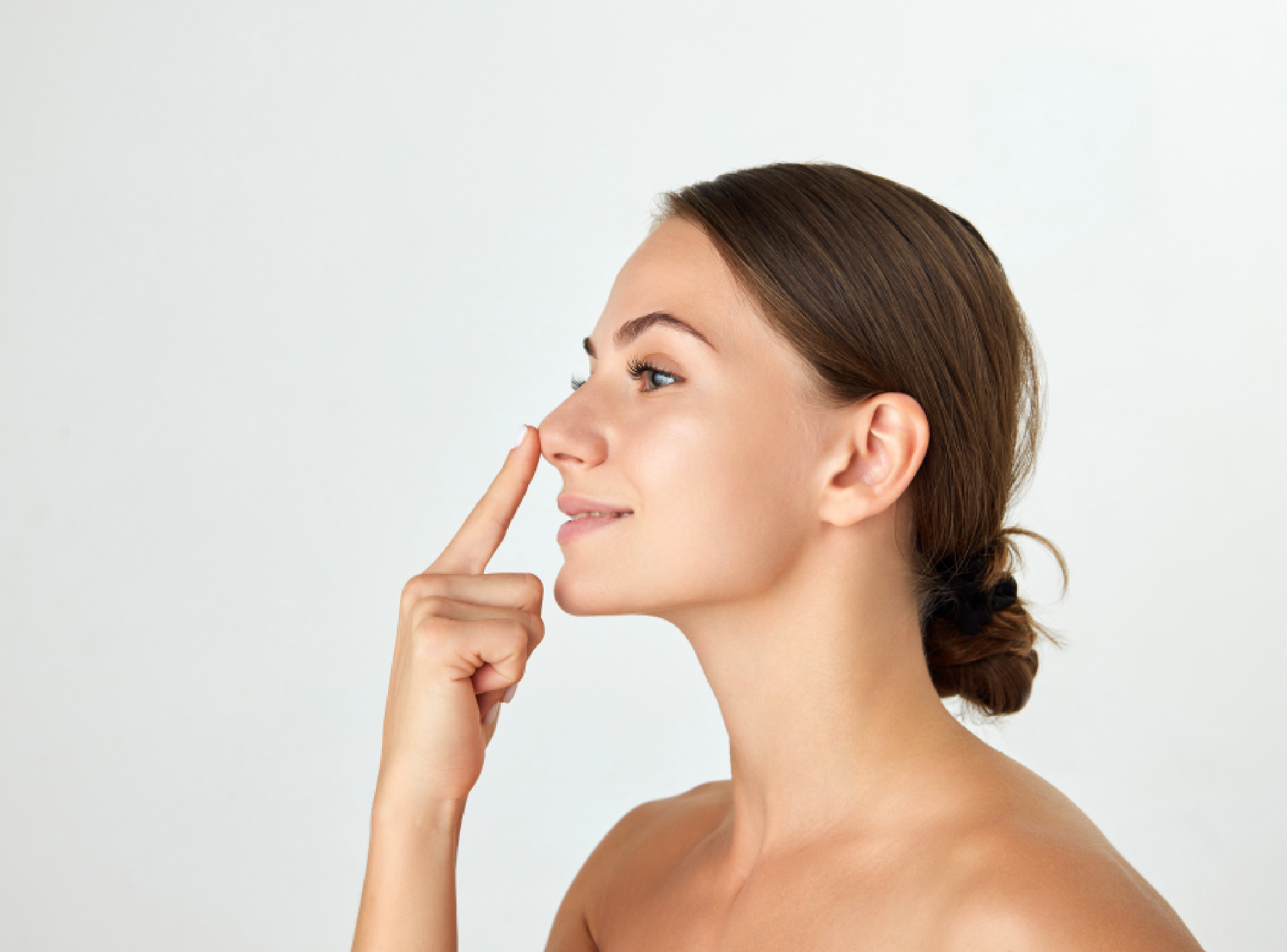
One of the most popular cosmetic procedures that both Bollywood and Hollywood celebrities favor is rhinoplasty, also referred to as nose plastic surgery or a “nose job.” A nose reshaping procedure called rhinoplasty surgery entails reconstructing the nose to improve the overall aesthetic appearance of the face, correcting any deformities, or bringing it into proportion with the rest of the face. In this procedure, the plastic surgeon separates the nasal skin and soft tissues from the nasal framework and corrects the nose’s shape. To support the newly formed nose during the healing process, a splint is typically applied to it. Plastic surgeons and specialists in otolaryngology (ear, nose, and throat) are trained to perform rhinoplasty surgery. Rhinoplasty is typically performed as an outpatient procedure with the assistance of local anesthetics. However, in some circumstances, a one-night stay at the surgery center may be necessary.
Rhinoplasty In Dubai
Rhinoplasty in Dubai is a widely used cosmetic and functional surgical procedure that is intended to enhance facial harmony and alleviate breathing issues by reshaping the nose. The procedure may entail the refinement of the nasal tip, the reduction of hump prominence, the correction of asymmetry, or the adjustment of nostril size. Surgery is generally conducted under general anesthesia and is tailored to the specific anatomy and objectives of the patient. Mild swelling, bruising, and temporary congestion are all part of the recovery process during the initial weeks. The majority of patients resume their regular activities within ten to fourteen days, while the final results are observed gradually over the course of several months. Consultation with an experienced surgeon guarantees optimal planning, safe surgery, balanced aesthetics, enhanced confidence, and overall breathing comfort.
Why Is Rhinoplasty Done?
A rhinoplasty can correct the nose’s proportions and improve facial harmony. Additionally, it is done to fix breathing difficulties and structural flaws in the nose.
- Rhinoplasty can alter the nose’s size to maintain facial balance.
- It can alter the nostrils’ size and position or the bridge’s width.
- It can alter the nose profile and fix any obvious humps or nose bridge depressions.
- It can alter the nose tip’s shape, which can be upturned, hooked, bulbous, or drooping.
- It can alter the nostrils’ large, wide, or upturned shape.
- It can rectify asymmetry in the nose.
How Well Rhinoplasty Works?
Depending on the type of correction the candidate desires, the final results of rhinoplasty surgery can be either minor or significant, but they are always successful. In order for the plastic surgeon to agree on the objectives of the procedure, the candidate should always have reasonable expectations and discuss them with him. It is best to avoid severe nose injuries or blows because they can change the nose’s appearance, even though the results of nose surgery are permanent. Only a fully developed nose should undergo rhinoplasty, and no one under the age of eighteen should have one.
What To Expect After A Plastic Nose Surgery?
Following a nose job, these are some of the typical outcomes that people may encounter:
- The face and the area around the eyes and nose will experience swelling, bruises, and puffiness for a few days.
- About two weeks will pass before the bruising and swelling disappear.
- A dull headache may persist for a brief period following surgery.
- Excruciating pain is very unlikely without an infection.
- The candidate may have some congestion until the swelling goes down because of the internal swelling in the nose.
- For the first few nights following surgery, the congestion may make it difficult to sleep.
- Immediately following surgery, patients with severe respiratory issues may noticeably improve.
- It is best to wait for the doctor’s approval before blowing your nose.
Steps Of Rhinoplasty Surgery Recovery
Recovery from rhinoplasty surgery typically takes two to three weeks. Following a nose job, these are the typical recovery steps:
- The splint and bandage around the nose are taken off by the surgeon a week after the procedure.
- Using a cold compress can reduce pain and swelling.
- After surgery, the doctor may prescribe painkillers for the first two days before switching to non-narcotic alternatives.
- The head should be kept up and mostly motionless for the first few days following surgery.
- For the first few weeks following surgery, it is best to stay away from dry environments and nasal irritants.
- To keep the nose moist and avoid dryness and crusting, the doctor may advise the patient to apply saline spray or an ointment several times a day.
- For the bruises, the doctor may suggest some ointments or herbal remedies.
- After a one- or two-week break, the candidate will be able to return to work.
- The candidate can wash their face and apply light makeup or foundation a week after surgery.
- Following surgery, the nose may feel a little numb, and it may take several months before the nose feels fully normal again.
Every year, thousands of people choose rhinoplasty as one of the safest cosmetic surgery procedures. Knowing what to expect after a rhinoplasty procedure can reassure you that the recovery process is manageable. To get your questions answered, speak with your plastic surgeon. Then, proceed with the change you have chosen to make for a better version of yourself.
What Are The Stages Of Swelling After Rhinoplasty?
You will experience swelling immediately following rhinoplasty surgery. Fluid accumulates within and beneath the skin, resulting in swelling when the nose is larger than it typically is. The following are the stages of swelling that occur following rhinoplasty surgery:
- Four to six weeks after surgery: Your nose will be swollen for a period of four to six weeks following the surgery. It will appear and feel larger than usual. Bruising or changes in the color of the skin surrounding your nose may occur during the healing process.
- Three months following the surgery: The swelling will gradually diminish over the course of one to three months. The swelling will subside to approximately 85% of its original extent after three months.
- One year following the surgery: Up to one year following your surgery, you may continue to experience minor swelling in your nose. The full results of the procedure will not be visible until the swelling has completely subsided.
The healing process following rhinoplasty surgery is unique to each individual. Your results may vary in terms of the extent of swelling and the timeline for their appearance. After surgery, adhere to your provider’s treatment plan and attend follow-up appointments to ensure that your nose is healing appropriately.
BOOK AN APPOINTMENT TODAY
What Is Asymmetrical Healing After Rhinoplasty?
Your body may respond to the surgery in various ways, such as asymmetrical healing. Asymmetrical healing is characterized by swelling that affects only one side of the nose and not the other. This effect can be alarming and causes your nose to appear crooked. This asymmetry is not an error. Asymmetrical healing is a method by which the body recovers following surgery. You may encounter this condition within the initial weeks following your surgery.
Will I Experience Pain After Rhinoplasty?
At the conclusion of your rhinoplasty surgery, your surgeon may administer a long-acting numbing agent. You should experience only mild to moderate pain or discomfort. The pain should subside or disappear within a few days to a week of the surgery. Take over-the-counter pain relievers as prescribed by your healthcare provider during this period to alleviate your discomfort.
When Can I Go Back To My Regular Activities After Rhinoplasty Surgery?
Follow the guidance of your healthcare provider regarding the return to work or the continuation of your regular activities following rhinoplasty surgery. One or two weeks should be sufficient for your return to work or school. Light exercises can be performed within four to six weeks. For a period of four to six weeks, it is advised that you refrain from lifting any heavy objects.
When Will I See The Results Of Rhinoplasty?
When your splint is removed approximately one week following rhinoplasty surgery, you should observe a change in the appearance of your nose. Your nose may require up to one year to fully adapt to its new form. Some degree of facial swelling is typical during this period. The majority of individuals who undergo functional rhinoplasty to address a deviated septum observe improvements within six weeks. Approximately 14% of individuals require a follow-up (revision) surgery to address minor modifications that were not addressed during the initial surgery.
How Long Does Rhinoplasty Last?
Rhinoplasty is a permanent procedure that serves to modify the body. Lifetime outcomes are anticipated. You may need a subsequent rhinoplasty to adjust any cosmetic changes so that they meet your expectations after you have fully recovered.
MEET THE EXPERT DOCTOR
Best Plastic Surgeon In Dubai For Rhinoplasty
Best Plastic Surgeon in Dubai for Rhinoplasty is available at Perfect Doctors Clinic, where Dr. Perfect Celebrity offers sophisticated nasal reshaping procedures that are customized to the functional requirements and facial structure of each patient. Before surgery, comprehensive consultations encompass digital assessment, aesthetic goal discussion, and breathing assessment. Modern surgical techniques are employed by the surgeon to refine nasal contours while maintaining natural proportions and structural support. The procedure is conducted in a perioperative care facility that is accredited and adheres to rigorous safety protocols. Detailed recovery instructions, such as splint care, swelling management, and activity guidance for optimal healing, are provided to patients following surgery. Progress monitoring and reassurance are facilitated by subsequent visits during the recovery process. Dr. Perfect Celebrity is committed to providing rhinoplasty patients in Dubai who are seeking safe, transformative results with a supportive care experience, refined appearance, long-lasting satisfaction, predictable outcomes, and enhanced confidence. Our goal is achieved through patient-focused planning, extensive experience, and artistic precision.