





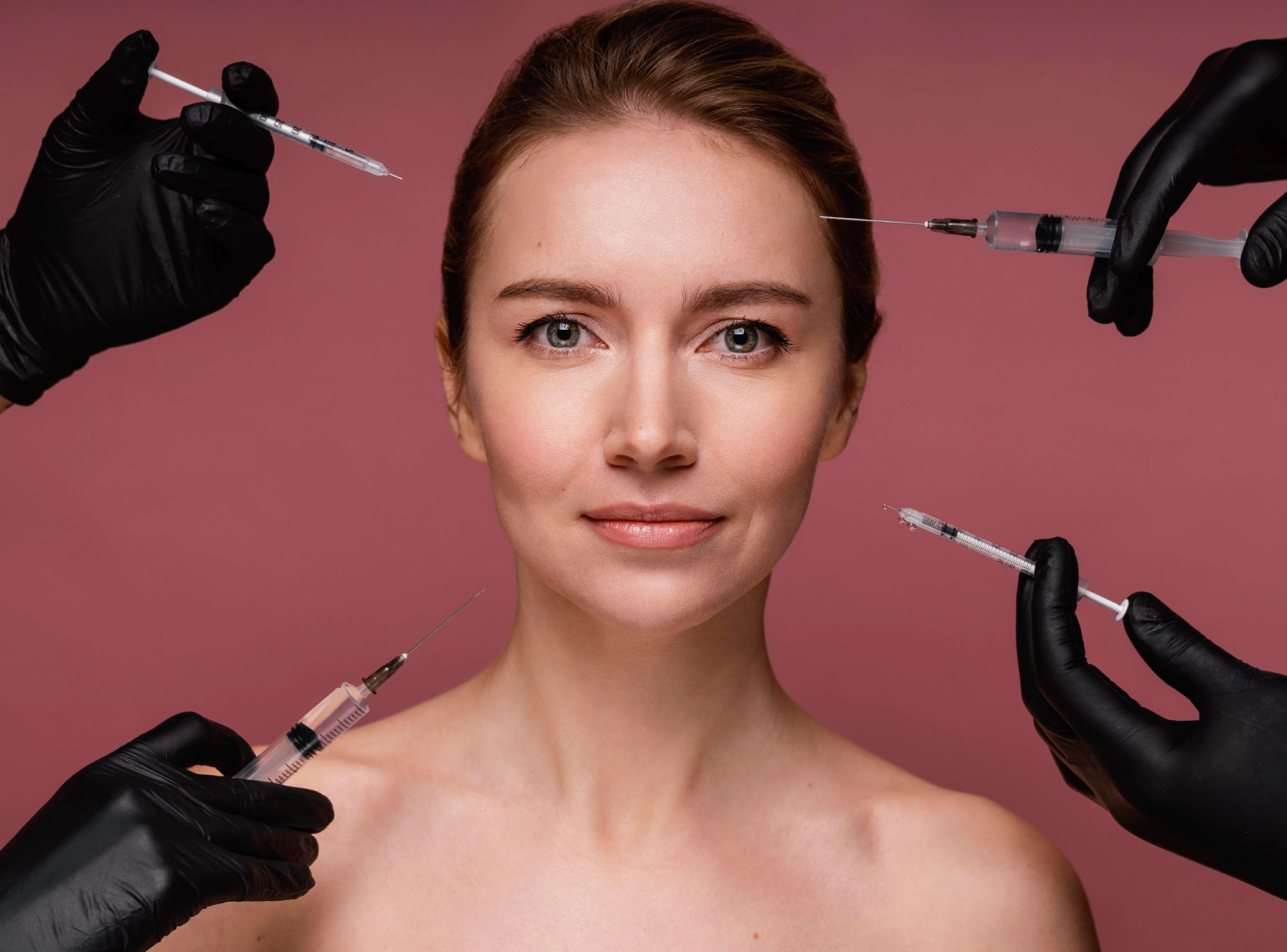
When applied by qualified medical practitioners using approved materials and the right technique, dermal fillers are usually safe. While serious complications are uncommon and typically associated with improper injection technique or unsafe settings, the majority of risks are minor and transient.
This blog explains what affects dermal filler safety, when risks increase, and how patients can make informed decisions based on standard medical guidance from specialists such as Dr. Perfect Celebrity at Perfect Doctor Clinic.
Dermal Fillers In Dubai
Dermal Fillers in Dubai are a popular non-surgical treatment used to restore lost volume, smooth wrinkles, and enhance facial contours. They are generally safe and effective when executed by qualified professionals. Nevertheless, they are not without risk, as are all cosmetic procedures, such as swelling, bruising, redness, and, in rare instances, infection or vascular complications. The most prominent Perfect Doctor Clinic in Dubai adheres to rigorous medical protocols, employing FDA-approved fillers and sophisticated techniques to mitigate adverse effects. To evaluate suitability and prevent complications, it is imperative to conduct an appropriate consultation. Dermal fillers provide patients with natural-looking results while ensuring patient safety and overall satisfaction in aesthetic treatments, thanks to the use of high-quality products and expert care.
Key Takeaways
- When administered by qualified medical professionals who are familiar with the anatomy of the face, dermal fillers are usually safe because the majority of major risks are caused by improper technique rather than the filler itself.
- Risk varies based on where the filler is placed, the type used, and how deeply it is injected, with a higher risk in areas with many blood vessels.
- Most side effects are mild and short-term, while serious adverse events are rare and usually linked to blocked blood flow or improper injection.
- FDA approval applies to specific filler products and uses, but safety also depends on provider skill, patient screening, and careful treatment planning.
- Patients can lower their risk by avoiding unsafe practices and choosing care in a medical setting that can recognize and manage complications.
Are Dermal Fillers Safe When Performed By A Doctor?
When a licensed doctor performs dermal filler injections, the procedure is usually safe. Trained physicians understand where blood vessels run and how deep injections should go. This knowledge lowers the chance of preventable problems during filler procedures.
Prior to treatment, doctors also go over each patient’s medical history. They examine past filler use, medical conditions, and prescription drugs. This procedure aids in determining who can get facial fillers in a safe manner.
Medical standards emphasize careful judgment and appropriate training. Physicians with board certification frequently work in the fields of facial care and plastic surgery. Even when done correctly, no cosmetic procedure is completely risk-free.
Informed consent is supported by a clear explanation of the risks. When limitations and uncertainties are explained ahead of time, patients benefit. This strategy is in line with standard medical procedure.
How Risky Are Dermal Fillers?
Risk is minimal and restricted to mild reactions for the majority of patients. Poor technique or product selection increases risk.
The kinds of dermal fillers used also affect risk. While some fillers, like poly-L-lactic acid, add structure or firmness, others gradually stimulate collagen. In tissue, each option behaves differently and needs to be handled differently.
BOOK AN APPOINTMENT TODAY
Safety Of Dermal Fillers And Fda Approval
Regulation and dermal filler safety are closely related. The Food and Drug Administration in the US examines and authorizes fillers for particular applications. These applications frequently include restoring volume in specific areas and reducing wrinkles and skin folds on the face.
Not all risk is eliminated by FDA approval. It shows that substances injected into the skin meet testing and quality standards. Patients should confirm that only an FDA-approved injectable is used from trusted medical sources.
Unsafe Practices That Increase Risk
Some practices pose risk regardless of the filler used. These risks usually stem from a lack of medical care rather than the product itself. Knowing what to avoid helps prevent harm.
Examples of unsafe practices include:
- Filler injections at home or outside of medical facilities
- Using fillers bought online or from unknown sellers
- Treatment by people without medical licenses
Medical offices offer sterile conditions and emergency support. These protections are not available in non-medical settings.
Dermal Fillers Side Effects
The majority of side effects are minor and anticipated following treatment. Common symptoms include bruising, redness, swelling, and soreness. These usually improve within a few days.
Some fillers, such as calcium hydroxylapatite, may feel firmer at first due to their interaction with tissue. This sensation often softens over time as healing occurs. Follow-up visits help doctors check progress.
Serious complications are rare but important. They include skin injury, lasting pain, vision changes, or an allergic reaction. Knowing the difference helps patients decide when to seek care.
Long-Term Effects And Facial Changes
Long-term effects depend on the filler and how often it is used. Hyaluronic acid fillers slowly break down over time, while other products stimulate collagen production. Repeated injections can subtly alter tissue structure.
Questions like “Do fillers ruin your face?” often come from overuse. Using small amounts and spacing treatments reduces this risk. A related concern many patients raise is whether fillers stretch your skin, which is more closely linked to overfilling and poor planning than to properly spaced treatments.
Long-term safety improves when fillers support natural shape.
High-Risk Areas And Serious Complications
Serious problems can occur if filler enters a blood vessel. Such an event can block blood flow and damage skin or deeper tissue. In rare cases, it may affect vision.
Risk is higher in areas with many small vessels. Slow injections and proper depth reduce this risk. In these areas, having a solid understanding of anatomy is essential.
Some facial areas are known to be at higher risk. Detailed discussions of high-risk anatomy, including cheek filler danger zones, help explain why injector training and anatomical knowledge are critical in these regions. Errors in these zones can block blood flow.
Rare complications include skin damage and vision loss. These events are uncommon but serious. Medical settings are best prepared to handle them quickly.
Why People Choose To Dissolve Fillers
Some patients request filler dissolution due to overfilling or product migration. Hyaluronidase can reverse hyaluronic acid fillers, particularly when hyaluronic acid is injected for correction. This provides an additional safety measure.
Fillers that dissolve don’t always indicate a problem. Facial structure and tastes can evolve over time. Determining when dissolution is beneficial requires careful assessment.
Extreme cases are frequently the focus of online stories. Routine results are shared less frequently than complications. Additionally, early swelling is often confused with the final outcome.
The perception of risk may be distorted by this pattern. These narratives are balanced with actual likelihood by the medical context.
See images of marionette lines filler gone wrong, which usually depict early swelling or unusual complications rather than typical results, for examples that are frequently shared out of context.
Who Should Avoid Dermal Fillers
Dermal fillers shouldn’t be given to certain people. Active skin infections, certain autoimmune conditions, and known filler allergies increase risk. A prior allergic reaction to injectable materials also requires careful review.
Pregnancy and breastfeeding are common reasons to delay treatment. Careful consultation helps find these risks early. Medical screening protects patient safety.
MEET THE EXPERT DOCTOR
How To Improve Dermal Filler Safety
Patients can lower their risk by choosing trained medical providers. Anatomical knowledge, filler experience, and medical education are crucial components. These are more important than price or speed.
If you have questions about dermal filler safety or want a personalized medical assessment, you can schedule a consultation to review your options with a qualified physician. A one-on-one visit allows time to discuss anatomy, risks, and whether treatment is appropriate for your goals.
Advantages Of Dermal Fillers You Should Know
- Treatment that is nonsurgical and requires minimal recovery time
- A brief process that is typically completed within minutes
- Visible and immediate outcomes subsequent to treatment
- Increases facial volume and minimizes the appearance of fine lines
- Adaptable to the unique facial structure and objectives of each individual
- Enhances one’s inherent beauty without requiring significant alterations
- The duration of the results is contingent upon the type of filler used.
- When executed by professionals with extensive experience, it is considered safe
- Enhances the elasticity and hydration of the skin
- Aids in the preservation of a youthful and revitalized appearance
Why Dermal Fillers Is The Best Solution
Dermal fillers are regarded as one of the most effective solutions for facial rejuvenation due to their non-invasive nature and rapid results. They effectively enhance facial features, reduce wrinkles, and restore volume without the necessity of surgery. They are well-suited to the demands of busy lifestyles, as they require minimal downtime and provide immediate improvements. In addition, treatments are subject to customization, which enables the precise resolution of individual issues. Dermal fillers offer a safe and natural-looking result that improves overall satisfaction and appearance when administered by skilled professionals.
How Dermal Fillers Restore Confidence And Appearance
Dermal fillers are instrumental in the improvement of both self-confidence and appearance. They achieve a more youthful and revitalized appearance by regaining lost facial volume and smoothing wrinkles. This subtle improvement enhances self-esteem and promotes a greater sense of comfort in one’s skin. Dermal fillers are a potent instrument for both emotional and aesthetic well-being, as patients frequently report heightened confidence in professional and social environments as their facial harmony improves.
Best Aesthetic Clinic In Dubai For Dermal Fillers
Best Aesthetic Clinic in Dubai for Dermal Fillers is Dr. Perfect Celebrity, where Dr. Perfect Celebrity is known for delivering exceptional, natural-looking results with a strong focus on patient safety. In order to guarantee reliable and effective results, the clinic implements sophisticated medical protocols and employs FDA-approved dermal fillers of superior quality. Before treatment, each patient undergoes a personalized consultation that involves a thorough assessment of their aesthetic objectives, skin condition, and facial structure. Dr. Perfect Celebrity employs precise injection techniques to improve facial contours while reducing the likelihood of bruising or uneven results. The clinic guarantees a secure and comfortable experience by adhering to rigorous hygiene protocols and utilizing contemporary technology. Professional care and attention are provided to patients from the initial consultation to the aftercare. Perfect Doctors Clinic is a reputable choice for dermal filler treatments in Dubai due to its dedication to excellence, as well as its expertise and innovation.