





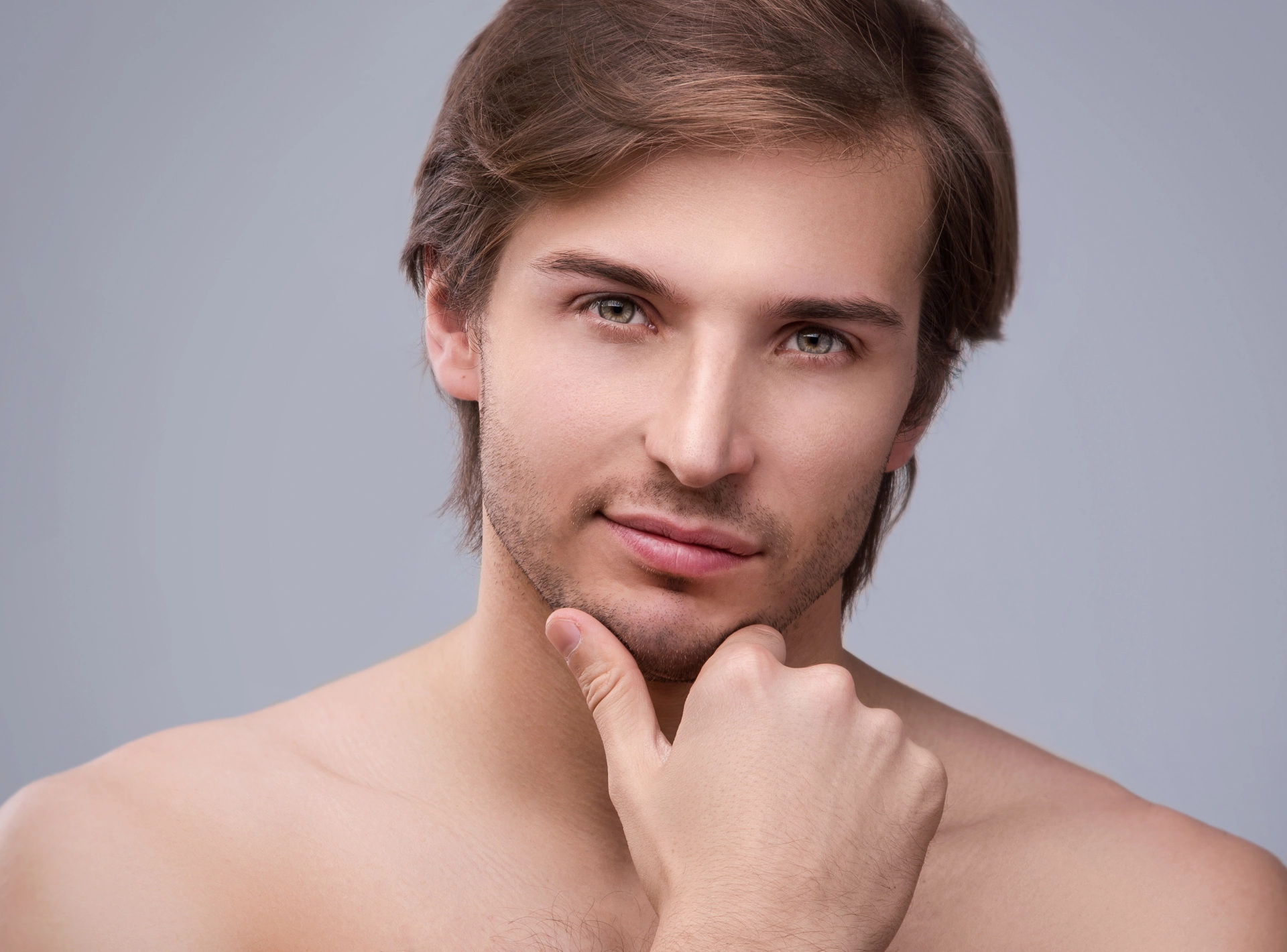
Do you intend to get a beard transplant in Dubai? You need to know how a beard transplant works. This blog provides a comprehensive guide to beard transplantation.
Beard Transplant In Dubai
Beard Transplant in Dubai is a cosmetic procedure designed to improve beard density, coverage, and overall facial appearance by transferring healthy hair follicles to areas with sparse or uneven growth. People who have patchy beard growth, little facial hair, or areas scarred from previous procedures may want to consider this procedure. The patient’s natural hair pattern, facial structure, existing beard density, and desired look are all taken into account when planning a beard transplant. During the procedure, healthy hair follicles are carefully taken from a donor area and placed in the beard area, paying close attention to the hair’s natural growth direction and angle. This helps make the result looks more natural. The results of a beard transplant don’t show up right away; they happen over time. In the early stages of healing, patients may notice that the transplanted hair turns red, swells, or changes. Some hairs that were transplanted may fall out before they grow back. While you’re healing, the new hair in your beard gets darker and fuller over time. The final result depends on things like the quality of the follicles, the donor hair, how well each person heals, and how well they follow the aftercare instructions. At Perfect Doctors Clinic, Dr. Perfect Celebrity creates a personalized treatment plan to help men get back their natural-looking beards and faces that look balanced.
This blog covers every facet of beard transplantation, including the healing process, the outcomes, and the time before and after the procedure.
What Are Beard Transplant Results And Why They Matter
Beard transplant results include the beard growth men can achieve after the procedure. Beard transplants can help men with poor beard growth and thin facial hair or no facial hair at all with the help of modern methods such as FUE and DHI. Beard transplant has an 89-94% success rate, making it a very safe procedure.
The beard transplant procedure involves removal of healthy hair follicles from the donor area, which is typically the back of the scalp. Then, these hair follicles are transplanted into the beard area. The beard hair has the same growth characteristics and can give the advantage of a lifetime of beard growth.
How Does A Beard Transplant Work?
Understanding the beard transplant process is important to set the right expectations for your healing and final result. Here is a detailed explanation of the beard transplant procedure:
Step One: Consultation And Planning
Before the beard transplant procedure begins, your surgeon will review your facial hair growth pattern, the quality of the hair in the donor site, and your health during a detailed consultation. This is also the time when your surgeon will discuss your goals with you and assess your eligibility for a beard transplant surgery.
With image technology, at Perfect Doctors Clinic, we help you create a beard style that is natural-looking and flattering for your features.
Step Two: Hair Follicle Extraction (Fue Or DHI Method)
The extraction process is crucial for natural results in beard transplant. There are two main methods used:
- FUE (Follicular Unit Extraction): This process involves removing hair follicles from the donor area through micro-punches. This is a minimally invasive procedure leaving very small scars that are not visible to the naked eye.
- DHI (Direct Hair Implantation in Dubai): This is achieved by removing hair follicles and then immediately implanting them with a Choi implanter pen. This technique decreases the handling time of grafts, which may lead to improved graft survival rates and better angle control.
Step Three: Follicle Implantation
The surgeon then implants each follicle at the correct angle, depth, and direction to mimic natural beard growth. This step is crucial for achieving a natural-looking beard transplant result. The procedure duration can vary between three and eight hours depending on the number of grafts needed (1,600–3,100 grafts for a full beard, though scalp surgery can require up to 4,100 or more grafts for a hair transplant surgery).
Step Four: Post-Operative Care
The best outcome and recovery from the beard transplant depend on proper aftercare. Follow these directions for caring for your new beard transplant, taking the medication needed for infection control, and observing the restrictions on activities. This approach ensures the best results for your beard transplant.
BOOK AN APPOINTMENT TODAY
Beard Transplant Recovery: Day-By-Day Timeline
Watching your beard transplant day by day will help you know what to expect and to tell the difference between normal healing and potential complications. Here’s what to expect during the crucial first two weeks:
Days One-Three: Immediate Post-Operative Phase
The first three days after the beard transplant are crucial. During this time you will need to:
- Expect some moderate redness, swelling, and pain in the donor and beard areas
- You will see small red dots around each hair follicle. This response is okay.
- Avoid touching or scratching the transplanted area and keep it dry.
- Sleep with your head elevated to reduce facial swelling
- Avoid strenuous activity, bending over, or anything that will cause the blood pressure in your face to increase
Days Four-Five: Scab Formation And Initial Healing
By day four healing speeds up:
- Small scabs start to form around each transplanted follicle, which is a good sign of healing.
- You can start gentle washing with a surgeon-approved mild cleanser.
- You may feel itching—do not scratch, as the sensation may dislodge grafts.
- Swelling usually peaks around three to four days and then subsides gradually
Week One (Days Six-Seven): Beard Transplant After One Week
The healing has advanced greatly within the first week:
- Scabs will naturally begin to fall off (do not pick them off)
- Redness and swelling have mostly subsided
- There are very few visible signs of extraction from the donor area on your scalp.
- Most patients are comfortable returning to work (desk jobs)
- The transplanted area looks okay, but healing is still happening underneath the surface
Days Eight-Ten: Beard Transplant After Ten Days
Day ten is a major milestone:
- All scabs should have fallen off, showing the transplanted hair
- Begin with careful shaving (electric razor recommended first)
- Grafts are well fixed but still require careful handling
- There may be a slight pinkish discoloration that will go away in the next few weeks
Weeks Two-Three: The Shedding Phase (Shock Loss)
Don’t panic; this is the most misunderstood phase of beard transplant recovery:
- The transplanted hairs will start to shed—this process is perfectly normal and expected.
- The hair shaft comes out, but the follicle remains firmly in place.
- This shock loss after a hair transplant is a normal part of the natural cycle of hair growth.
- Some patients drop out earlier, some later—both are normal.
- The beard area may appear patchy again—this phase is temporary.
Week Four: One Month After Beard Transplant
You’re in the waiting stage, one month after the procedure. Most transplanted hairs have fallen out, and follicles go into a resting phase before new growth occurs. Your skin has healed completely, and you can go back to all your normal activities, exercising, swimming, and using your regular grooming products. This stage takes time; tangible results are still weeks off.
Beard Transplant Results: Month-By-Month Growth Timeline
Understanding the timeline for beard transplant growth allows you to have realistic expectations during the process:
Months One-Two: Dormant Phase
In this period:
- Follicles in the resting phase, getting ready to grow
- No visible growth of hair in the area where the hair has been transplanted
- Your donor area on your scalp has healed completely.
- This is the most difficult part psychologically—be patient!
Months Three-Four: First Signs Of New Growth
The exciting growth phase begins:
- The transplanted follicles start growing new hairs
- Initial growth looks good, thin—this is normal
- Visible is approx. 25-35% of final density
- Hair can grow at different speeds in different areas.
- You can begin to see the shape of your new beard appearing
Months Five-Six: Accelerated Growth Phase
You are halfway to your final results:
- Final density 55-65% reached
- Hair becomes thicker and stronger.
- The beard looks more even and filled in
- At this point many patients are very happy
- You can start trying out different beard styles
Months Seven-Nine: Continued Maturation
Your beard is only getting better:
- 75-85% of final density achieved
- Hair texture is coarser, more beard-like.
- The other thin spots fill in slowly.
- The beard looks natural and established.
Months Ten-Twelve: Final Results
In a year, you will see the full transformation.
- 95-100% of final density obtained
- The beard looks full, thick, and completely natural.
- Hair texture and growth pattern fully formed
- The results are permanent—the hair that is transplanted will grow for life.
- Some patients continue to see small improvements up to eighteen months
Beard Transplant Success Rate: What To Expect
The most common questions asked are, What is the success rate of beard transplants? Research and data answers are affirmative for a beard transplant procedure:
Overall Success Statistics
- Experienced surgeons achieve an 89-94% success rate on healthy, undamaged skin
- Graft survival in clinical studies: 86-92%
- Success rate up to 89.9% on scar tissue
- Very low rate of complications at 1.0%
- 98-100% patient satisfaction with realistic expectations
Factors Affecting Beard Transplant Success
The success of your beard transplant will depend on several factors:
- Surgeon Expertise: This is the most significant thing. Experienced surgeons know how to place the follicle correctly in terms of angle and distribution. When transplants fail, research shows almost invariably it’s because of bad surgery.
- Technique Used: The FUE and DHI methods offer different advantages. The FUE method has been proved successful with a success rate of 89-94%. Compared to FUE, the DHI technique has a higher chance of survival rates due to less handling.
- Patient Health: Results are also affected by the health of the patient, nutrition level (smoker or not), and aftercare instructions. Non-smokers with good circulation tend to get better results.
- Donor Hair Quality: The chances of healthy and strong donor hairs from the head surviving are higher. The back of the head is normally the best source of donor hair.
- Post-Operative Care: Strict post-operative care improves graft survival. This includes proper care of the area, avoiding injury to it, and taking medications as prescribed.
- Individual Characteristics: Beard growth pattern and density are influenced by age, race, and genetic factors. Those in their mid-twenties to early thirties tend to do better.
Beard Transplant Before And After: What Transformations Look Like
Understanding the different stages of a beard hair transplant would help you to have the right expectations:
Before Procedure: Common Starting Points
- Uneven patchy beard growth with distribution
- Total absence of facial hair in some areas
- Sparse, thin beard that is not dense
- Scars due to burns, accidents, or previous surgeries
- Sideburns cannot be connected to a beard or mustache
Immediate After (Days One-Ten)
- Small scabs in the transplant area and redness
- Visible transplanted hairs (they will fall out)
- Skin healing, slowly returning to normal color
Three Months After: Early Results
- Emergence of new fine hair visible
- 35% of final density
- You can see the shape of the beard.
Six Months After: Mid-Point Transformation
- 55-65% density achieved
- Thicker, more masculine-looking
- Most patients are very pleased at this stage.
Twelve Months After: Final Results
- Thick, full beard with 95-100% coverage
- Looks completely natural, like a genetic beard.
- Can be styled in many ways (full beard, goatee, designer stubble)
- Permanent results that will last a lifetime
Essential Beard Transplant Aftercare For Optimal Results
The recovery period after a beard transplant will be a key factor in the success of your transplant. Here is a complete aftercare plan to ensure you get the best results:
First Three Days: Critical Care Period
- Keep the transplant area thoroughly dry
- Do not touch, scratch, or rub the grafted area.
- Sleep with head raised at 46 degrees
- Reduce swelling by applying ice packs to surrounding areas (not directly on the grafts)
- Follow directions for pain medication and antibiotics
- No heavy lifting, bending, anything that raises blood pressure in the face
Days Four-Forteen: Healing Phase
- Start a gentle wash with surgeon-approved cleanser (day five onward)
- Never use extremes of hot or cold; use lukewarm water.
- Pat Dry Gently, Never Rub
- Let the scabs fall off naturally—don’t pick at them.
- Keep away from direct sunlight
- Resume electric shave in ten days (blade shave in fourteen days)
Weeks Two-Four: Recovery Optimization
- Gradually return to normal activities
- Keep using mild, fragrance-free cleansers
- Moisturize the beard area using products recommended by your surgeon
- Avoid swimming pools (chlorine) and saunas for a minimum of four weeks
- Don’t be concerned with hair loss—this is normal
Long-Term Care (Month Two Onward)
- Consider minoxidil application (talk to your surgeon) for the potential to enhance growth.
- Eat a healthy diet rich in proteins, vitamins, and minerals.
- Drink plenty of water—eight to ten glasses a day.
- Don’t smoke and cut down on alcohol—both slow healing and growth.
- Attend all follow-up appointments to monitor your progress.
MEET THE EXPERT DOCTOR
Frequently Asked Questions About Beard Transplant Results
How Long Does A Beard Transplant Take To Heal?
The initial healing takes seven-ten days, when scabs will fall off and the skin will return to normal. But it takes two-four weeks for healing to be complete. Transplanted follicles are fully secure after fourteen days, and most normal activities can be resumed. It takes twelve to eighteen months to complete the hair growth cycle and achieve full recovery and final results.
How Long Does It Take To See Beard Transplant Results?
Beard transplant timeline for visible results: The beard transplant timeline for visible results begins at three-four months when new hair begins to grow in. After six months, you will have achieved 55-65% of your final density. Most patients have excellent, satisfying results at nine months with final results at twelve months. Further improvement can be seen up to eighteen months post-procedure.
Do Beard Transplants Look Natural?
Beard transplants done by experienced surgeons provide completely natural results that look no different from the beard you were born with. The secret is in placing the follicles in the right place, at the right angle, depth, and direction. Perfect Doctors Clinic surgeons are experienced and skilled, employing modern techniques in beard transplant surgery to ensure your new hair blends seamlessly with your existing facial hair.
What Is The Beard Transplant Success Rate?
Clinical studies have shown that beard transplantation is very successful, with an 89-94% success rate when performed by experienced and skilled surgeons on healthy skin. The graft survival rate is around 86-92%, and the complication rate is as low as 1.0%. Patient satisfaction rates exceed 98% when we manage expectations well and provide proper aftercare.
Does Beard Transplant Work Permanently?
Absolutely, beard transplant results last forever. The hair follicles you transplant from your scalp are genetically coded and will continue to grow hair on your face for a lifetime. Once the hair growth cycle has been started, the beard transplant results are permanent with no further maintenance needed.
How Long Does A Beard Transplant Last?
Beard implants are permanent. Unlike temporary cosmetic treatments, the transplanted follicles develop permanent facial hair. The hair will grow like natural beard hair, and it will need to be regularly trimmed and maintained. Some patients might see slight age-related thinning as early as their fifties or sixties, much like natural beard changes, but the core results are permanent.
What Causes A Beard Transplant To Fail?
Beard transplant failure is uncommon, occurring less than 8% of the time. This usually results from poor surgical technique, infection during the healing process, poor aftercare, or trauma to the grafted site during the first two critical weeks following surgery. It is important that the surgeon is well trained and that the aftercare is followed carefully.
Best Plastic Surgeon In Dubai For Beard Transplant
Best Plastic Surgeon in Dubai for beard transplant is available at the Perfect Doctors Clinic, where Dr. Perfect Celebrity focuses on personalized beard restoration based on each patient’s facial features, hair characteristics, and desired outcome. A well-planned beard transplant can help fill in areas with sparse hair growth and make the face look fuller and more defined. Before the procedure starts, there is a consultation to look at the donor hair, facial structure, hair density, and areas that need more coverage. Dr. Perfect Celebrity takes these things into account when deciding the best way to remove and place follicles. Because beard hair grows in different directions on different parts of the face, the direction, angle, and distribution of transplanted follicles are crucial. The results of a beard transplant get better over time as the hair grows back. The transplanted area may look a little swollen or red right after treatment. During the early stages of recovery, hair transplants may also fall out temporarily. This doesn’t always mean that the treatment didn’t work because the follicles can stay in place while new hair grows. As the healing process goes on, new beard hairs slowly start to grow in and become more stable. As the follicles adjust to their new home, the transplanted hair may continue to change in texture and appearance. Your results may vary based on donor hair quality, your healing, and your post-procedure care. At Perfect Doctors Clinic, Dr. Perfect Celebrity helps patients through their recovery and teaches them how to take care of themselves after surgery to protect the transplanted follicles. Patients must follow their personalized instructions and attend follow-up appointments to monitor their progress. If you’re thinking about getting a beard transplant in Dubai, knowing that beards grow slowly can help you set realistic goals. The goal is to give the patient a fuller, more balanced, and natural-looking beard that fits well with their face shape.
Conclusion: Your Journey To Beard Transplant Success
Knowing the beard transplant results cycle, from day-to-day healing to month-to-month growth stages, helps you feel more confident about your procedure.
Today, beard transplants have a success rate of 89-94% and a patient satisfaction rate of 98%, making them one of the most reliable cosmetic procedures in the world.
You can expect to see results in three to four months, noticeable growth in six months, and a full beard transplant in twelve months. It can take a little time to see the beard come to life, but the end result will be a permanent, natural-looking beard that will change your look and give you the confidence you have always wanted. Success depends on three things: finding a surgeon who is an expert, following postoperative care instructions to the letter, and maintaining a positive attitude throughout the recovery process.
We have expertise in all three areas at Perfect Doctors Clinic; we are proficient in all three areas. We are famous for delivering the best hair transplant in Dubai, and now we are able to deliver the same expertise in beard transplant.