





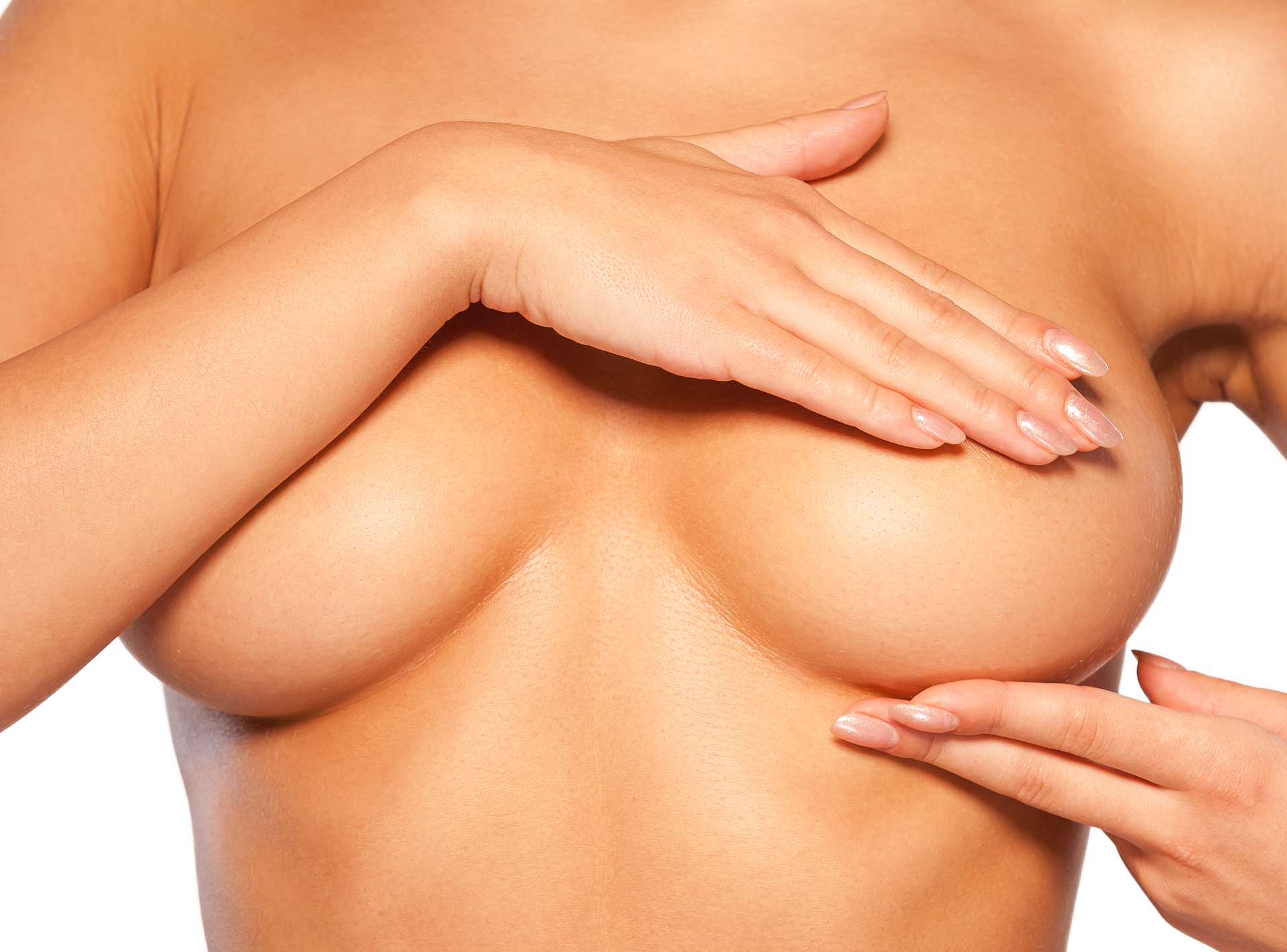
Breast reconstruction is not just a surgical procedure. It is an opportunity to restore physical form, improve emotional well-being and regain a sense of normalcy after mastectomy or breast trauma. For many women, the decision to have breast reconstruction is deeply personal and complex and offers a range of options to fit with their health, lifestyle and aesthetic preferences. This article will cover the three main types of breast reconstruction: minimal/no reconstruction, implant-based reconstruction, and autologous (free flap) reconstruction, as well as important factors to consider when making your decision. Having the information about your options will help you make better choices for your body and overall well-being.
Breast Reconstruction In Dubai
Breast Reconstruction in Dubai is a highly specialized procedure to restore the shape, appearance and symmetry of the breast after mastectomy, lumpectomy, trauma or congenital breast abnormalities. Breast reconstruction is a key component of the physical and emotional healing process for many women after treatment for breast cancer. Learning about the different kinds of breast reconstruction available can help patients make an informed decision about their care and long-term health. Different breast reconstruction options depend on patient anatomy, medical history, treatment plan and personal preferences. Implant-based reconstruction uses breast implants to recreate the volume and shape of the breast, while autologous tissue reconstruction uses tissue from another part of the body, such as the abdomen, back or thighs. Some patients also may be helped by a combination of both techniques. Reconstruction can be immediate (done at the time of mastectomy) or delayed (done after cancer treatments are completed). The consultation process includes careful evaluation of the condition of the patient, discussing the available options and developing a personalized treatment plan. Breast reconstruction helps to restore physical appearance, and can help with self-confidence, body image and overall quality of life after breast cancer treatment or other breast-related conditions.
Overview of Breast Reconstruction
What Is Breast Reconstruction?
Breast reconstruction is a surgical procedure to recreate the shape and appearance of the breast after mastectomy or trauma. This can be done with implants, with the patient’s own tissue or a combination of the two. This surgery is reconstructing the breast’s form and is an important part of the physical and emotional recovery of many women who have had breast cancer or other causes of breast loss. It can provide a sense of closure, helping patients move on with their lives.
Breast reconstruction is not one-size-fits-all. The decision to undergo reconstruction, and what type, depends on a number of factors including the patient’s overall health, treatment plan, personal goals and body characteristics. Some patients may also choose to forgo reconstruction altogether and “go flat” or have minimal reconstruction. This is a valid decision and one that is often empowering for women who want to avoid further surgeries or complications. Patients should have open, informed discussions with their surgeons about the benefits, risks, and potential outcomes of each reconstruction option before proceeding.
Why Consider Breast Reconstruction?
The reasons to choose breast reconstruction are as varied as the women who select it. The most immediate motivation for recreating physical symmetry after a mastectomy may be cosmetic, but there are deeper psychological and emotional benefits to consider. Reconstruction can help restore a sense of normalcy and help in the emotional healing process. Losing a breast can also cause low self-esteem. Patients frequently say that reconstruction makes them feel more comfortable in their clothes, improves body confidence and contributes to a more positive outlook on life after cancer or trauma.
That said, breast reconstruction isn’t required as part of recovery after a mastectomy. It’s a personal choice based on a patient’s needs and desires. Some women do not want reconstruction and may wear their scars with pride, or choose breast prostheses. Most importantly, the decision of whether a woman chooses full reconstruction, minimal reconstruction or no reconstruction at all, is consistent with her personal values, body image goals and overall wellness.
Timing of Reconstruction: Immediate vs. Delayed
One of the first decisions to be made in the breast reconstruction process is when to have the surgery. There are two main options: immediate reconstruction performed in the same surgery as the mastectomy, and delayed reconstruction performed weeks, months or even years after the initial mastectomy. Both have their advantages and the treatment choice often depends on the patient’s treatment plan, health status and personal preferences.
- Immediate reconstruction: This means that the reconstruction process starts at the same time as the mastectomy. Once the breast tissue is removed this enables the surgeon to insert an implant, insert a tissue expander or begin flap reconstruction in the same surgery. Patients who wish to reduce the number of surgeries and expedite the transition from mastectomy to reconstruction often prefer immediate reconstruction. It may also help to preserve more breast skin, which could allow for better aesthetic outcomes.
But immediate reconstruction is not an option for every patient. Ongoing chemotherapy or radiation treatment, certain types of cancer or health conditions such as diabetes or smoking can complicate or make immediate reconstruction risky. Some patients may also need time to process their diagnosis and treatment before committing to reconstruction.
- Delayed reconstruction: For women who are not ready for or do not want immediate reconstruction, delayed reconstruction allows them to wait until they have completed all cancer treatments and are ready for another major surgery. Benefits of delaying the procedure include a lower risk of complications and the patient being able to focus on cancer treatment without the added burden of reconstruction at the same time. It also means patients have more time to explore options, get advice from specialists and prepare themselves mentally and physically for reconstruction.
- The downside is that with delayed reconstruction patients will have a time without a breast mound, which can be emotionally difficult for some. It also requires a separate surgery which may not be ideal for someone who wants to minimize the time they spend under anesthesia or away from their normal responsibilities. But delayed reconstruction can be a great option for patients who need more complicated reconstructions or for those who have underlying health problems that need to be waited on.
Types of Breast Reconstruction
Minimal or No Reconstruction
The first type of breast reconstruction or the decision to have minimal or no reconstruction is to “go flat” or to choose the small breast bud after mastectomy. This approach may be empowering for many women, especially those who do not want further surgery after mastectomy. “Going flat” means a smooth, contoured chest after breast tissue is removed with the option of reconstructing a small breast mound using your own tissue.
Why Choose Minimal or No Reconstruction?
The main reason a woman may choose this option is that the recovery time is usually shorter than that of more extensive reconstruction surgeries. Patients experience less postoperative pain, a shorter hospital stay and fewer complications without the need for implants or flap procedures. This option is also a good choice for women who are not candidates for reconstruction due to health issues, such as poor wound healing, smoking or advanced-stage cancer that complicates additional surgery.
If you choose to remove a small breast bud, surgeons can rearrange the remaining chest tissue to form a small breast mound. This technique does not include nipple reconstruction (the nipple is typically removed during a mastectomy), but can create a subtle contour that some patients find aesthetically pleasing. Many women who select this option like the simplicity and lower risk of minimal reconstruction.
This may also be more in line with the patient’s goals for their body image and personal identity if they are more concerned with function than form or simply prefer the aesthetic of a flat chest. It’s a legitimate decision, and can give some sense of control and closure to the recovery process.
Implant or Expander-Based Reconstruction
Implant-based reconstruction is the most common type of breast reconstruction, using a saline or silicone implant to recreate the breast mound. This method is often started with placement of a tissue expander that is gradually filled with saline over a period of several weeks to stretch the remaining skin and muscle to make room for a permanent implant.
How Implant-Based Reconstruction Works
Implant-based reconstruction generally begins at the time of mastectomy with placement of a tissue expander. The device, which is often called a “fancy water balloon,” is inserted under the chest muscle and gradually filled with saline to stretch the skin. The expander has a small port through which the surgeon can add saline in small doses over time. These “fills” are performed every few weeks at the surgeon’s office and help achieve the desired breast size and shape.
The tissue expander is then removed (generally after about 10 weeks, when the skin has stretched sufficiently) and a permanent implant is put in. The final implant can be saline or silicone depending on the patient’s choices and physical characteristics. If rippling occurs, further fat grafting can be performed to improve the appearance and obtain a more natural, smooth contour. Fat grafting is a procedure where fat is taken from other areas of the body like the abdomen or thighs and injected into the reconstructed breast to add volume and softness.
This type of reconstruction is compatible with nipple-sparing and non-nipple-sparing mastectomy, making it a versatile option for many patients. Implant reconstruction is less invasive than flap reconstruction, but it does have possible complications including capsular contracture (scar tissue formation around the implant), implant rupture or the need for future revisions.
Autologous (Free Flap) Reconstruction
Autologous reconstruction or free flap reconstruction uses the patient’s own tissue to reconstruct the breast. Usually, tissue is taken from the abdomen, back or thighs and moved to the chest to create a new breast mound. Autologous reconstruction (using the patient’s own tissue) provides a more natural appearance and feel than implants.
How Free Flap Reconstruction Works
With a free flap, the surgeon takes tissue ( usually skin, fat, and sometimes muscle ) from one part of the body, disconnects it from the blood supply, and then reconnects it to the vessels in the chest. “This is a complex surgery which demands a lot of surgical expertise and longer operative times. The most common flap is called a DIEP flap, which uses tissue from the lower abdomen but leaves the abdominal muscles in place. Other types include the TRAM flap, latissimus dorsi flap and TUG flap.
Free flap reconstruction has the advantage of a more natural looking breast and no potential problems with implants. But this method also leads to a longer recovery period, higher physical demands and potential risks of the transferred tissue such as flap failure or necrosis. This is a great option for patients who want a more natural feel or who don’t want an implant.
BOOK AN APPOINTMENT TODAY
Key Factors to Consider
The type of breast reconstruction is a very personal choice and depends on many physical, emotional and logistical considerations. Knowing these important factors can help patients make an informed decision that is in line with their goals, lifestyle and overall health.
Patient Health and Eligibility
Many factors, including your overall health and medical history, affect whether you can have certain types of breast reconstruction. Surgical procedures carry risks that are increased by smoking, diabetes, obesity and some heart problems that can affect both the safety and outcome of reconstruction.
- Impact of Smoking and Nicotine Use: Use Nicotine causes blood vessels to constrict, reducing blood flow and healing. Patients are often asked to refrain from smoking for a period before and after surgery to reduce the risk of complications such as poor wound healing, infection or flap failure. In patients unable to stop smoking, implant-based reconstruction may be favored over flap procedures due to less stringent vascular requirements.
- Diabetes and Other Chronic Conditions: Chronic conditions such as diabetes may affect the body’s ability to recover from surgery and increase the risk for infection or other complications. Patients with well-controlled diabetes can still be considered for reconstruction but may have a longer recovery period or require additional pre-operative testing to ensure safety.
- Radiation and Chemotherapy: If you are or will be undergoing radiation therapy, your reconstruction plan may need to be modified. Radiation can damage the skin and underlying tissues, affecting the elasticity and blood supply required for both implant-based and autologous reconstruction. In these cases, delayed reconstruction is often recommended, allowing the skin to heal and recover before the surgical phase is undertaken.
- Body Type and Tissue Availability: Your body type can also affect what the best reconstruction option is. Those with excess body fat may be the best candidates for autologous reconstruction, as they have enough tissue to transfer. Thinner patients might benefit more from implants, as there may not be enough tissue for a flap procedure, on the other hand.
Lastly, a thorough pre-operative consultation with your surgeon is required to evaluate your overall health, discuss possible risks, and determine the best reconstruction option for you.
Recovery Time and Physical Demands
Recovery times vary greatly depending on the type of reconstruction and individual healing rates and overall health. Some women will want to get back to normal activities as quickly as they can, and some will have to prepare for a longer recovery and a slower return to daily life.
- Implant-Based Recovery: Recovery time following implant-based reconstruction is generally shorter, with initial hospitalization of 2-2.5 days and 3-5 weeks of recovery. In the early stages of recovery patients can expect moderate pain, swelling and limited mobility of the upper body. You’re encouraged to do light activities, such as walking, to help circulation and healing; more strenuous activities should be avoided until your surgeon gives you the go-ahead. Because it is less invasive than flap reconstruction, many women are able to return to work and their normal routines sooner.
- Autologous (Flap) Recovery: Autologous reconstruction recovery may be more difficult due to the multiple surgical sites (eg, abdomen and chest). Longer hospital stays, usually 2-4 days. The patient can expect a recovery time of 5-7 weeks with some residual soreness and swelling that can last even longer. Patients with flap reconstruction must consider the impact on the donor site and the recipient site, such as scarring, physical limitations, and potential complications. Physical therapy is often prescribed to help regain range of motion, build strength and improve overall function.
- Mental Preparation for Recovery: The mental aspect of recovery is just as important as the physical. Patients have to consider the emotional side of recovery including possible set-backs, unexpected complications and the psychological impact of undergoing another big surgery. It can be very helpful to have a strong support system around you, whether it is at home or through mental health resources.
Expected Results and Aesthetics
One of the most important parts of choosing a type of reconstruction is to match your expectations to the likely aesthetic outcomes. All types of reconstruction can give good results, but knowing the unique characteristics of each option can help you set realistic expectations.
- Implant Based Results: Implant based reconstruction can give a more symmetrical and rounded appearance similar to an augmented breast. There is a degree of customization as the implants come in a variety of shapes, sizes and profiles. Implant-based reconstruction, however, may not completely duplicate the natural droop (ptosis) of a natural breast, especially as the patient ages. Over time implants can develop rippling or shifting. Regular monitoring is also required to detect problems such as rupture or capsular contracture.
- Autologous (Flap) Recovery: Flap reconstruction results in a more natural look and feel because it uses the patient’s own tissue that ages and responds to weight fluctuations in the same way as the rest of the body. Patients who desire a softer, more natural contour or a more ptotic (drooping) breast appearance often prefer this type of reconstruction. Flap procedures, however, are more complex and have additional risks, including possible complications at the donor site, which may affect the overall aesthetic result.
- Combination Results: Sometimes, both flap and implant methods can be combined to achieve certain aesthetic goals, such as increasing volume or improving contour. This method may give you more individualized results, but also comes with a more complicated surgical plan and possibly a longer recovery.
- Managing Aesthetic Expectations: Regardless of the approach taken, it is important to understand that reconstructed breasts may not feel, look, or move just as natural breasts do. There are a variety of factors including scarring, skin texture and sensitivity that can differ. Although techniques such as fat grafting can improve results, perfect symmetry may not always be possible. It is important to open communication with your surgeon about your aesthetic goals and concerns to attain the most satisfying results.
Recovery and Aftercare
Recovery from breast reconstruction is an important part of the process requiring planning, patience and following instructions after surgery by your surgeon. Recovery is not only a physical process but also involves emotional adjustment and long term care of the reconstructed breasts.
Immediate Recovery Phase
In the immediate postoperative period, the focus is usually on pain management, prevention of complications, and promotion of wound healing.
- Pain Management: Pain is typically controlled with a combination of oral pain medications, muscle relaxants and occasionally nerve blocks administered during surgery. Expect some moderate discomfort for the first few days which should gradually lessen as healing occurs.
- Wound Care and Drains: Many patients will have surgical drains in place to prevent fluid build-up at the surgical site. Usually these drains are removed in 2-2.5 weeks depending upon the fluid output. The key to preventing infection and promoting healing is proper wound care, including keeping incisions clean and dry.
- Mobility and Rest: Rest is important, but gentle movement such as walking is encouraged to help circulation and prevent blood clots. During the first recovery phase, patients should not do heavy lifting, reaching overhead or any other strenuous activity to protect the surgical sites.
Long-Term Care and Follow-up
Long-term care involves routine follow-up visits, additional procedures as necessary, and ongoing monitoring of the reconstructed breast’s health.
- Follow-Up Appointments: Patients should expect to have several follow-up appointments with their surgeon to monitor healing, deal with any complications, and assess the aesthetic result. These appointments may require further testing such as MRI or ultrasound to determine the health of implants or the integrity of the flap.
- Potential Additional Procedures: Some patients choose or require additional procedures such as nipple reconstruction, fat grafting or revision surgery to achieve a more refined result. Nipple reconstruction can be achieved by local tissue rearrangement, tattooing, or 3D tattooing, to create the appearance of a nipple-areola complex.
- Scar Management: A key part of long term recovery is scar management. With any surgery, scarring is a given but their appearance can be reduced with proper care such as silicone sheets, scar creams and laser treatment. Scar massage may be useful in reducing the thickness of the scar and improving mobility.
- Implant Monitoring: Regular checks are necessary for patients with implants to identify problems such as rupture or capsular contracture. Silicone implants need to be evaluated every few years with an MRI. Saline implants can often be evaluated by a physical exam.
MEET THE EXPERT DOCTOR
Emotional and Psychological Impact
Breast reconstruction is more than a physical transformation, it is an emotional journey that can impact a woman’s sense of identity, self-confidence and mental well-being.
Emotional Recovery After Reconstruction
Breast reconstruction can bring up a whole range of feelings, from relief and happiness to anxiety and fear. Many women feel better about themselves and their bodies after reconstruction. Some women have problems coping with the psychological effects of a major operation, the scars or their expectations .
- Coping with Emotional Challenges: It’s typical to experience a variety of feelings throughout the recovery journey. Patients may find it helpful to talk to a mental health professional who specializes in working with breast cancer survivors or women who had a mastectomy. Support groups, whether in person or online, can also provide a sense of community and shared understanding.
Resources for Support
There are many resources to help women deal with the emotional aspects of breast reconstruction:
- Support Groups and Counseling: Many local hospitals and cancer centers as well as online support groups have support groups for women thinking about or recovering from breast reconstruction. Talking to other people who have been in similar situations can give good advice and help emotionally.
- Recommended Reading and Guides: There are several comprehensive guides that provide an overview of the basics of breast reconstruction, including what to expect before, during and after surgery. These guides can provide helpful tips, personal stories and medical information that can help patients feel more prepared and informed.
Best Plastic Surgeon In Dubai For Breast Reconstruction
Best Plastic Surgeon in Dubai for breast reconstruction is a complex surgery which requires advanced surgical skills, extensive experience and a full knowledge of the reconstructive and aesthetic principles. The goal is to reconstruct the breast, but also to achieve natural, balanced and long-lasting results, always putting the safety and comfort of the patient first place. Depending on the individual case, options include implant-based reconstruction, autologous tissue reconstruction or a combination of methods. The surgeon will also discuss when reconstruction is performed, potential risks, what to expect during recovery and what outcomes can be expected so patients can make informed decisions. A compassionate surgeon offers individualized treatment planning and continuous support for your reconstructive journey. When you work with a highly skilled specialist, you can be assured that your reconstruction plan will be designed to restore breast shape, improve symmetry and support emotional healing. Getting the right surgeon is critical to helping a patient regain confidence, comfort and a sense of normalcy after breast cancer treatment or breast loss.
Conclusion
Deciding to have breast reconstruction is a complicated decision and you’ll need to think hard about your own goals, health and lifestyle. By investigating the various types, appreciating the key influencing factors and preparing for recovery and long-term care, patients can make educated choices that support their overall well-being. Most importantly, it is essential to work closely with a qualified and experienced surgeon who can offer guidance and support throughout this transformative journey.