





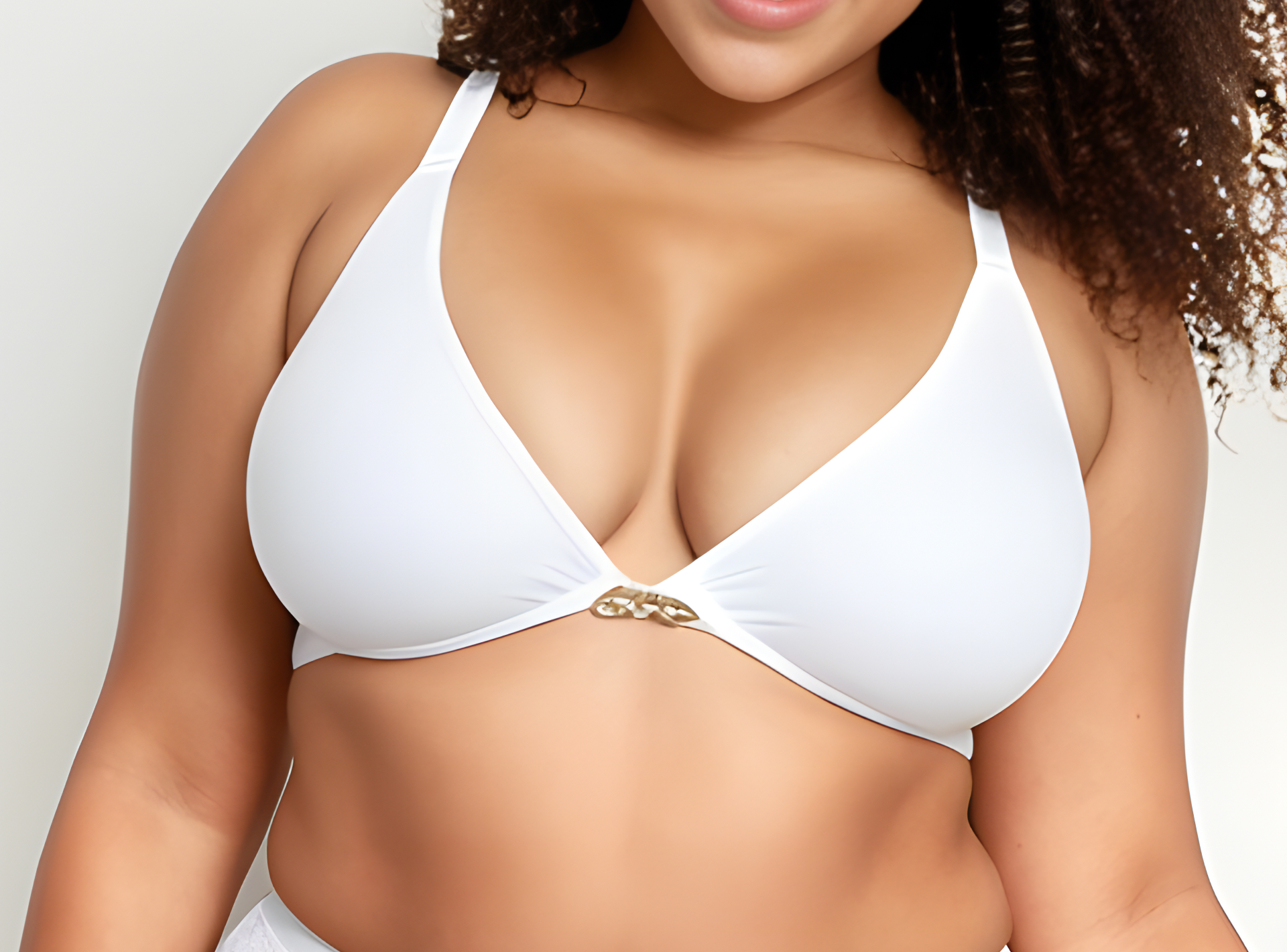
People who want to get rid of the physical and mental pain that comes with having breasts that are too big can get breast reduction surgery, also known as reduction mammoplasty. The goal of the surgery is to make the breasts the right size for the body, which will help with symptoms like back pain, neck pain, and skin irritation. Breast reduction surgery has many benefits and can improve the quality of life for many people. However, some patients may experience breast tissue regrowth after the surgery.
Breast tissue regrowth after breast reduction is not very common, but it can be hard for people who do experience it. In certain cases, the regrowth of breast tissue may be substantial enough to necessitate a subsequent breast reduction procedure. This article seeks to examine the diverse causes, attributes, and effects of breast tissue regrowth, emphasizing the provision of thorough information for those who have experienced or are contemplating breast reduction surgery.
Breast tissue regrowth happens at different rates, and factors like the person’s age at the time of surgery, changes in hormones, and the size of the glandular tissue can all have a big impact. Young women and teenagers with a lot of glandular tissue are more likely to have regrowth, especially when their hormones change because of pregnancy, menopause, or certain medications.
Breast Reduction In Dubai
Breast Reduction in Dubai is a common concern for women considering the procedure. Breast reduction surgery in Dubai is performed to remove excess fat, glandular tissue, and skin, resulting in a lighter, more proportionate breast size. While the results are usually long-lasting, breast tissue growth after reduction can happen in rare cases due to hormonal changes, pregnancy, significant weight gain, or certain medical conditions. Maintaining a stable weight and a healthy lifestyle can help you keep your results longer. Regular follow-up visits with your surgeon ensure long-term satisfaction and early detection of any changes.
Causes Of Breast Tissue Regrowth
Age And Developmental Stage At The Time Of Surgery
Teenagers and young women who have breast reduction surgery are more likely to have their breast tissue grow back. At this stage of development, the breasts may still be growing, and having a lot of glandular tissue can help them grow back. The breast tissue in this group is younger, which makes it more likely to respond to hormonal and developmental changes. This makes it more likely that the tissue will grow back after surgery.
Patients with juvenile breast hypertrophy, a condition marked by excessive breast development during adolescence, may experience tissue regrowth following prompt intervention. The underlying factors contributing to this condition can continue to stimulate breast tissue growth, even after a reduction procedure, necessitating further monitoring and potential secondary interventions.
Hormonal Changes
Changes in hormones during pregnancy and breastfeeding can have a big effect on the growth of breast tissue. Higher levels of estrogen and progesterone help glandular tissue grow, which can make breasts bigger. These changes can cause breast tissue to grow back noticeably in people who have had breast reduction surgery.
The change from pre-menopause to menopause is another time when hormones change, which can change the size of breasts. Changes in hormone levels can cause changes in the way body fat is distributed and in the composition of breast tissue. This could help breast tissue grow back in patients who have had surgery to reduce their breasts.
Some medications, like birth control pills, have hormones that can make breast tissue grow. People who take these drugs after having breast reduction surgery may notice that their breasts get bigger because the hormones affect the remaining glandular tissue.
Weight Gain
After breast reduction surgery, gaining weight can help the breast tissue grow back. When you gain weight, fat builds up in your breasts, which can make them bigger. To keep the results of breast reduction surgery and stop unwanted regrowth, it’s important to keep your weight stable.
Even though a lot of glandular tissue is taken out during the first breast reduction, a lot may still be there. This remaining glandular tissue can still grow a lot, especially when hormones change or weight is gained.
Characteristics Of Breast Tissue Regrowth
Glandular Tissue Hypertrophy
Glandular tissue hypertrophy is when the glandular tissue in the breasts gets bigger. After breast reduction surgery, the glandular tissue that is left can still grow larger, especially when hormones change, weight gain, or other things happen. This can make the breasts bigger, just like they could before the surgery. To effectively plan for and deal with breast tissue regrowth, you need to understand what glandular tissue hypertrophy is.
Growth Without Weight Gain
Some people may have breast tissue grow back without gaining weight in other parts of their bodies. This situation shows that the glands are growing a lot, and the fat that is there is only a small part of the breast size increase. Recognizing this characteristic is crucial as it emphasizes the impact of factors beyond weight gain on breast tissue regeneration and underscores the necessity for a holistic management strategy.
Variability In Fat Component
The makeup of breast tissue can be different from person to person. Some people have more glandular tissue, while others have more fatty tissue. The different amounts of fat in the breasts can change how breast tissue grows back. People with more glandular tissue may see more noticeable regrowth, especially when they are exposed to things that stimulate them, like hormones.
BOOK AN APPOINTMENT TODAY
Impact Of Breast Tissue Regrowth
Physical Discomfort
When breast tissue grows back, it can make the breasts bigger and heavier, which can put more strain on the back muscles and spine. This stress can show up as long-term back pain, which can make it hard for people to do everyday things and lower their quality of life.
The extra weight of bigger breasts can also put too much stress on the neck and shoulder muscles, which can cause pain and discomfort in these areas. To avoid long-term musculoskeletal problems and stay mobile and healthy, it is important to treat neck pain.
Having bigger breasts can also irritate your skin because of friction and sweat, especially under your breasts. If not handled correctly, this can cause pain, swelling, and even skin infections.
Psychological Effects
Regrowth of breast tissue following breast reduction surgery can influence an individual’s body image perception. The change in breast size may make people unhappy, lower their self-esteem, and cause them stress, which can be bad for their mental health.
People who were happy with the results of their breast reduction surgery may not be as happy if they notice a lot of breast tissue growing back. This can make people angry and disappointed, which means they need more help and may need more treatment.
Aesthetic Concerns
Breast tissue may regrow in an uneven way, which can make the breasts look uneven. This can be a problem for people who care about how they look, making them less confident and happy with how they look.
When breast tissue grows back, it can change the shape and size of the breasts, which could affect how the initial breast reduction surgery looks overall. It is important to deal with these changes in order to keep the desired look and make sure the patient is happy.
Secondary Breast Reduction
Secondary breast reduction becomes a consideration when individuals experience substantial regrowth of breast tissue, resulting in physical discomfort, aesthetic issues, or psychological distress.
The choice to have a second procedure is often based on how much regrowth there is and how it affects the person’s quality of life and satisfaction with the results of the first surgery. Patient preferences and desires, in conjunction with medical assessments of overall health, breast tissue composition, and associated risks, are critical in ascertaining the appropriateness of a secondary breast reduction.
Secondary breast reduction, like any other surgery, has risks. Patients may experience difficulties including infection, scarring, and alterations in breast sensation. It is very important to talk about these risks in detail so that patients can make an informed choice and fully understand what could happen if they have a second procedure.
But secondary breast reduction can have a lot of benefits. The procedure may help with physical pain, make you look better, and make you feel better mentally. It is very important to weigh these benefits against the risks that come with them. This requires careful thought and cooperation between patients and healthcare providers.
Perfect Doctors Clinic, a Dubai-based cosmetic surgery group, is one of the best in Dubai at providing aesthetic and cosmetic surgery.
MEET THE EXPERT DOCTOR
Best Plastic Surgeon In Dubai For Breast Reduction
Best Plastic Surgeon in Dubai for breast reduction is available at the Perfect Doctors Clinic, where Dr. Perfect Celebrity offers advanced surgical care and customized treatment plans. The clinic, which is based in Dubai, specializes in safe and effective breast reduction procedures that aim to relieve physical discomfort and improve body proportion. Dr. Perfect Celebrity explains that the results of breast reduction are usually long-lasting; however, hormonal changes, pregnancy, significant weight gain, or certain medical conditions can occasionally cause breast tissue to enlarge again. Maintaining a stable weight and a healthy lifestyle can help you achieve beautiful, long-term results and overall satisfaction.