





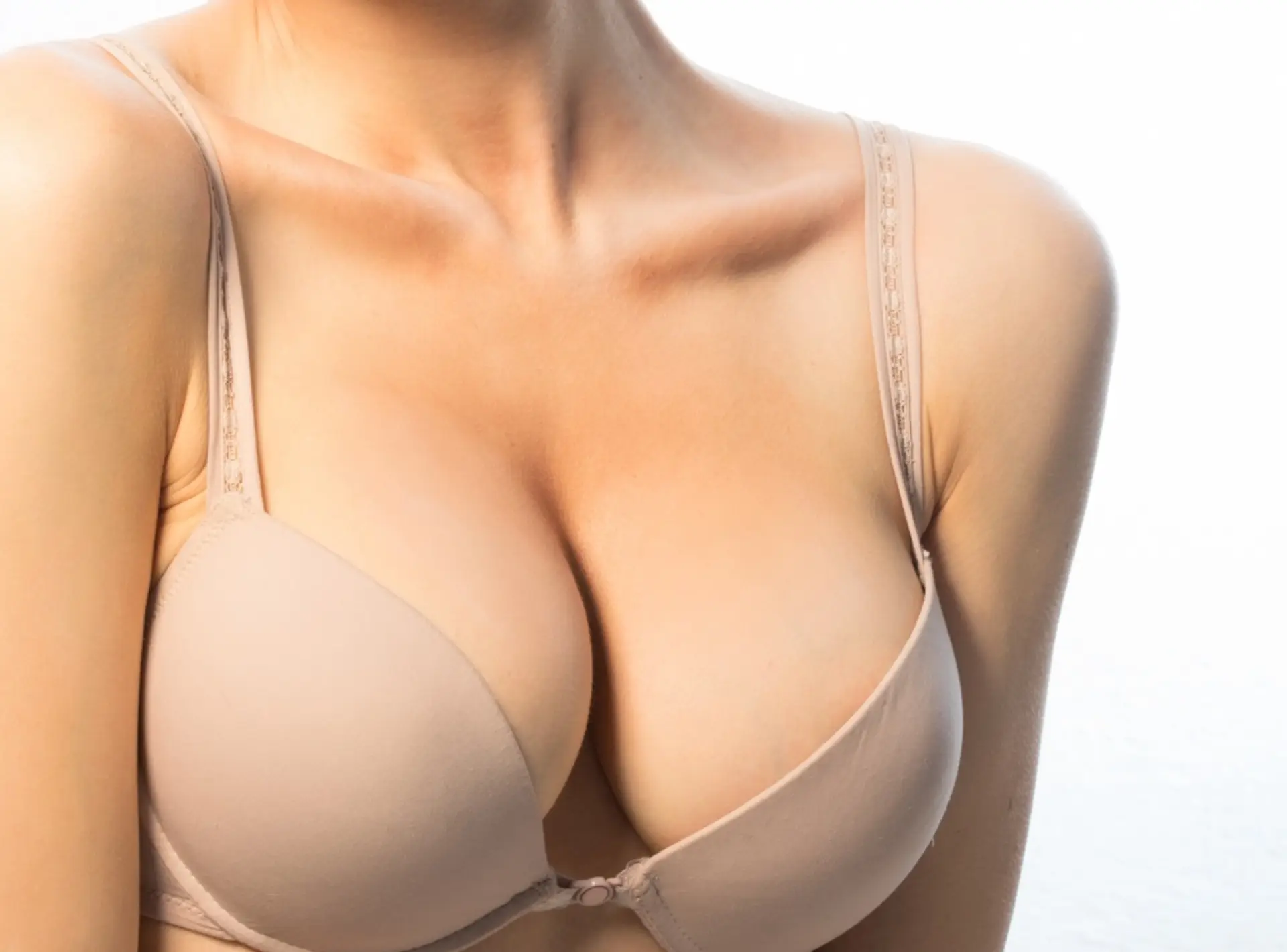
A common cosmetic surgery procedure that can greatly improve a woman’s body image and sense of self is breast augmentation. To enhance the size and shape of the breasts, implants are positioned beneath the breast tissue. Women who are planning to have children often worry about whether this procedure will affect their ability to breastfeed, even though it can be a life-changing event.
Breastfeeding after breast augmentation is completely feasible for many women, although there may be some factors to take into account. Breastfeeding success after surgery depends on the timing, implant type, surgical technique, and personal factors.
Women can improve their chances of successfully breastfeeding their children even after breast augmentation by being aware of these factors and taking preventative measures.
Breast Augmentation In Dubai
Breast Augmentation In Dubai, is a cosmetic procedure that is particularly popular among women who wish to improve the symmetry, size, or shape of their breasts. This procedure uses high-quality silicone or saline implants to create a more natural and balanced contour. At Perfect Doctors Clinic, we utilize FDA-approved implants and advanced techniques to ensure natural-looking, aesthetically pleasing results with minimal scarring and downtime. Our surgeons prioritize your safety and comfort, customizing treatment plans to meet your specific goals. Breast augmentation can enhance your body confidence and overall appearance, whether for aesthetic enhancement or post-pregnancy restoration.
A Closer Look At The Factors That May Affect Breastfeeding
- Timing Of The Surgery: Breastfeeding success may be significantly impacted by the timing of the breast augmentation procedure. It is generally less likely to affect milk production if the surgery is done prior to pregnancy.
- Type Of Implants: Breastfeeding may also be impacted by the type of implants used. Saline implants, filled with sterile saline solution, are typically considered safer for nursing compared to silicone implants. Both kinds can be used effectively, though, and the decision regarding which implant to use is frequently based on personal preferences and surgeon advice.
- Surgical Technique: The results of breast augmentation surgery, including how it affects breastfeeding, can be greatly influenced by the surgeon’s skill and experience. A skilled and cautious surgeon can mitigate potential problems such as damage to the milk ducts or nerves, which could hinder milk production.
- Individual Factors: Since every woman’s body is different, breastfeeding success following breast augmentation may be influenced by individual factors. Pre-existing breast conditions, the size and positioning of the implants, the body’s reaction to the procedure, and general health are some examples of these variables.
How Breast Augmentation Can Affect Breastfeeding
Although breast augmentation can change how the breasts look, it usually doesn’t affect the underlying anatomy and physiology that are necessary for nursing. But there are a few possible obstacles that could appear:
- Changes In Breast Shape And Size: Breast augmentation may result in changes to the size and shape of the breasts, which may make it more. It can be challenging for some women to successfully latch their babies during breastfeeding. It might be necessary to use nipple shields or modify feeding positions due to the breasts’ new shape.
- Scar Tissue: The surgical incision’s scar tissue may occasionally have an impact on milk flow or production. Rarely, the milk-letdown reflex may be disrupted by scar tissue compressing the milk ducts or nerves.
- Pain Or Discomfort: Breastfeeding can cause pain or discomfort for some women, especially in the initial days following surgery. Regardless of whether they have had breast augmentation, many new mothers have this experience. However, women who have recently undergone surgery may experience more severe or prolonged pain.
- Psychological Factors: Breastfeeding may be impacted by the psychological effects of breast augmentation. After surgery, some women might feel insecure or self-conscious about their breasts, potentially affecting their nursing confidence. Addressing these emotions and getting help from a lactation consultant or mental health specialist are crucial.
- Body Image Issues: Breast augmentation may occasionally result in problems with body image, especially if the patient is unhappy with the outcome of the procedure. A woman’s sense of self-worth and her capacity to form a bond with her child may be impacted by these problems.
- Hormonal Changes: The look and feel of breast implants can occasionally be impacted by the hormonal changes that take place during pregnancy and lactation. During these periods, some women might observe that their implants get firmer or more noticeable.
It’s crucial to remember that not all women who have breast augmentation will encounter these possible difficulties. Even after this cosmetic procedure, many women are able to successfully breastfeed their babies with the right planning, encouragement, and patience.
BOOK AN APPOINTMENT TODAY
Overcoming Challenges
It’s critical to get help if you experience any breastfeeding challenges following breast augmentation. Here are some pointers:
- Seek Help From A Lactation Consultant: A lactation consultant can evaluate your latch, spot any possible issues, and offer positional and pumping advice.
- Practice And Patience: You and your infant may need some time to get used to breastfeeding. Continue to practice and have patience.
- Consider Using A Nipple Shield: For certain women, a nipple shield can facilitate latching and protect sore nipples.
- Express Milk: You can use a pump or do it by hand if you’re having problems nursing. You can feed your infant and preserve your milk supply by doing this.
Additional Tips For Breastfeeding Success
- Start Early: It will be simpler to establish your milk supply if you begin breastfeeding as soon as possible after giving birth.
- Skin-To-Skin Contact: Making skin-to-skin contact with your infant can foster bonding and increase milk production.
- Eat A Healthy Diet: You can make sure you have enough nutrients to make milk by eating a balanced diet.
- Get Enough Rest: Getting enough sleep is crucial because breastfeeding can be exhausting.
- Join A Breastfeeding Support Group: Making connections with other nursing moms can offer both helpful guidance and emotional support.
Other Breast Surgeries Or Procedures That Might Impact Breastfeeding
The surgical treatment of breast cancer involves the removal of small tumors (lumpectomy) and, in certain instances, the removal of the entire breast (mastectomy). The removal of milk ducts and glandular tissues that produce breast milk is a potential consequence of both surgical procedures.
Radiation therapy and chemotherapy may be administered prior to or following surgery, or as an alternative to surgery. However, these treatments can have a lasting effect on the production of milk that is safe for consumption.
According to Dr. Perfect Celebrity, “We will frequently endeavor to preserve the breastfeeding experience to the greatest extent possible when a nursing parent does not require chemotherapy and only requires surgical intervention.” “If no radiation or chemotherapy is required, nursing parents have been observed to breastfeed from one breast.”
Regrettably, the breast will not be able to produce milk in the future if radiation is necessary. Due to the potential for severe mastitis (breast inflammation) and the detrimental effects on your baby, the majority of chemotherapy regimens do not permit the continuation of breastfeeding among immunocompromised individuals.
If you have undergone cancer treatments or are currently undergoing the treatment process, your Perfect Doctors Clinic team can assist you in evaluating your options and locating the necessary support.
What Can You Do To Increase Milk Supply?
It is crucial to extract as much milk as possible from your breasts during the initial two to three weeks following delivery to establish a good milk supply.
“It is primarily a matter of supply and demand,” asserts Dr. Perfect Celebrity. “We will recruit all the cells that are present to produce milk if you are frequently stimulating and emptying your breasts early on.”
For the first few days, it is recommended that you breastfeed your infant every two to three hours. It is also possible to augment your milk supply in the long term by manually expressing your breast milk after feedings.
“It is crucial to establish a foundation for success from the outset,” advises Dr. Perfect Celebrity. It is crucial to remember that breastfeeding is not a binary decision. We can continue to assist nursing parents in achieving their breastfeeding objectives by optimizing their breast milk or facilitating the at-the-breast experience.
The breastfeeding experience is unique to each individual. Generally, we should aim to provide as much breast milk as possible through bottle feeding or direct breastfeeding. Subsequently, FDA-approved formula should be used to supplement the breast milk as needed.
Nursing parents can also enjoy the time their baby spends close to them, even if they don’t suckle for most of their nutrition. This is due to the numerous additional advantages that it offers.
Dr. Perfect Celebrity observes that “successful breastfeeding does not always entail the production of an abundant supply of milk.” “Even with the assistance of a supplemental feeding device, the act of nurturing your infant at the breast can be gratifying.”
MEET THE EXPERT DOCTOR
Best Plastic Surgeon In Dubai For Breast Augmentation
Best Plastic Surgeon In Dubai for Breast Augmentation is available at Perfect Doctors Clinic, where safety, precision, and artistry intersect. Our plastic surgeons possess a wealth of experience in the safe, precise, and personalized execution of breast enhancement procedures. We achieve beautiful contours and specialize in achieving natural, proportional results tailored to implant technology and minimally invasive methods. Each treatment plan is customized to correspond with your aesthetic objectives and body type. From your initial consultation to your recovery, our team of professionals guarantees exceptional care, privacy, and comfort. The trusted name in Dubai for breast augmentation is Perfect Doctors Clinic, where you can experience the transformation you have always desired.
Conclusion
Many women can continue to breastfeed after breast augmentation. Even though there might be some extra difficulties, it is completely doable with the right preparation, encouragement, and persistence. You can improve your chances of successfully nursing your child by being aware of the possible variables that may affect the process and asking for assistance when necessary.