





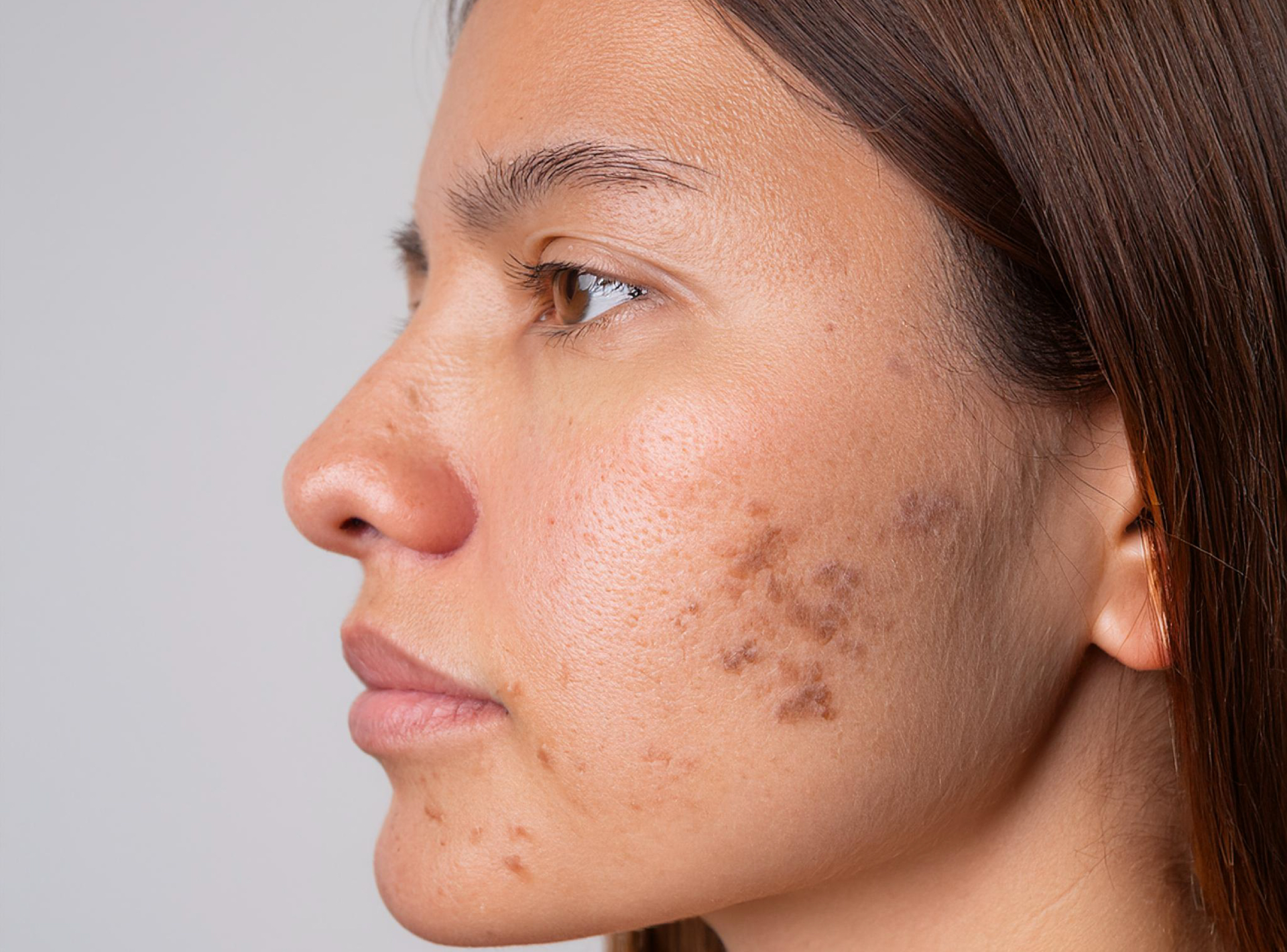
One of the most prevalent skin conditions that many people encounter is melasma. Although women are more likely than men to have it, men are just as affected as women. Because it stains people’s faces and bodies, it has a negative impact on their confidence in addition to their physical appearance. Melasma affects both men and women in Dubai, Abu Dhabi, and Jumeirah for a variety of reasons. At Perfect Doctors Clinic in Dubai, you can receive the best care possible.
Melasma Treatment In Dubai
Melasma Treatment in Dubai is a specialized dermatological approach focused on reducing dark patches and uneven pigmentation caused by hormonal changes, sun exposure, and genetic factors. The treatment is customized according to skin type and severity and may include medical-grade skincare, chemical peels, laser therapy, or advanced light-based procedures. Experienced specialists aim to lighten pigmentation, improve skin tone, and prevent recurrence through a combination of in-clinic treatments and proper aftercare. With consistent therapy and sun protection, melasma treatment helps achieve a clearer, more balanced, and brighter complexion.
What is Melasma?
It is a very common skin condition that is linked to areas of the face that are exposed to the sun. It is characterized by the appearance of symmetrical, uneven pigmentation that ranges in color from light to dark brown. Although it can affect people of any gender or ethnicity, melasma is more common in women. Melasma, however, negatively affects men’s quality of life just as much as it does women.
Causes of Melasma:
The main causes of melasma are UV radiation from the sun. Melasma risk may be further increased by hormonal changes, such as those that occur during pregnancy or with the use of certain medications, such as hormone replacement therapy and birth control pills. Other possible causes of melasma include:
- Genetics: Since melasma often runs in families, having a family member with the condition may put you at higher risk of getting it yourself.
- Skin irritation or injury: In rare cases, skin irritation or damage, such as a burn or rash, can result in melasma.
- Cosmetics: Using certain skincare and cosmetic products can irritate skin and lead to melasma.
- Other health problems: The risk of developing melasma may be increased by a number of medical conditions, such as Addison’s disease and thyroid disorders.
Precaution:
- Apply sunscreen every day because sun exposure is one of the main causes of melasma development.
- Picking or scratching your skin could exacerbate melasma.
- Your skin can be shielded from the sun’s rays by using sunscreen and protective clothing like long sleeves, caps, and sunglasses.
- Avoid using harsh or abrasive skin care products as they may irritate the skin and exacerbate melasma.
- Opt for hypoallergenic, gentle products instead.
- Melasma can be brought on or made worse by certain medications, such as birth control pills and some anti-inflammatory medications.
- If you take any medications and are concerned about how they might affect your skin, talk to your doctor.
Treatment:
- Chemical peels, which use a solution to exfoliate the outermost layers of skin, can improve the appearance of melasma.
- In addition to removing the epidermis’ outermost layer, laser therapy promotes the production of collagen. It may help treat melasma, but it can be expensive and require multiple treatments.
- The skin is gently sanded during microdermabrasion in order to remove the outermost layers and encourage the production of collagen. It may be effective in treating melasma, but it may require multiple sessions.
What Causes Melasma?
There are two primary causes of melasma: radiation, including ultraviolet, visible, and infrared (heat) light; and hormonal factors.
Ultraviolet and infrared radiation from the sun play a significant role in exacerbating melasma. Additional potential factors contributing to melasma include:
- Antiseizure medications: Pharmacological agents that inhibit seizure activity may serve as a contributing factor to the development of melasma. An example of an antiseizure medication is Clobazam (Onfi®).
- Contraceptive therapy (birth control): Melasma has been documented in individuals using oral contraceptive pills that include estrogen and progesterone.
- Estrogen/Diethylstilbestrol: Diethylstilbestrol is a synthetic (artificially produced) variant of the hormone estrogen. It is frequently employed in the treatment of prostate cancer. Once more, there is a discernible correlation between elevated estrogen levels and the development of melasma.
- Genetics: Approximately 32% to 49% of individuals with melasma have reported having a relative with the condition. Most identical twins both exhibit melasma.
- Hypothyroidism: A condition characterized by an underactive thyroid gland.
- LED Screens: Melasma may be attributed to the LED illumination emitted by your television, laptop, mobile phone, and tablet.
- Pregnancy: The precise cause of the phenomenon known as “the mask of pregnancy” in pregnant women remains uncertain. However, experts posit that the elevated levels of estrogen, progesterone, and melanocyte-stimulating hormones during the third trimester of pregnancy contribute to this phenomenon.
- Hormones: Hormones such as estrogen and progesterone may contribute to certain individuals. Postmenopausal women are occasionally administered progesterone and have been observed to develop melasma. If you are not pregnant, it is probable that you exhibit increased levels of estrogen receptors present in your melasma lesions.
- Makeup (cosmetics): Certain cosmetic products may induce a phenomenon known as a phototoxic reaction.
- Phototoxic medications (drugs that increase sensitivity to sunlight): These encompass certain antibiotics, nonsteroidal anti-inflammatory drugs (NSAIDs), diuretics, retinoids, hypoglycemic agents, antipsychotics, targeted therapies, and various other medications.
- Skincare products: A product that commonly causes skin irritation is likely to exacerbate your melasma.
- Soaps: Certain fragranced soaps are believed to contribute to or exacerbate melasma.
- Tanning beds: The ultraviolet light emitted by tanning beds causes skin damage comparable to, or in some cases exceeding, that caused by natural sunlight.
What Are The Signs Of Melasma?
Melasma results in the formation of light brown, dark brown, and/or bluish patches or freckle-like spots on the skin. Occasionally, the patches may develop redness or inflammation. Melasma manifests in six specific areas or in various combinations across the skin:
- Brachial: The melasma manifests on your shoulders and upper arms.
- Centrofacial: The melasma manifests on the forehead, cheeks, nose, and upper lip.
- Lateral cheek pattern: Melasma is present on both cheeks.
- Malar: The melasma manifests on the cheeks and the nasal region.
- Mandibular: The melasma manifests along the jawline.
- Neck: In individuals aged 51 and above, melasma may manifest on all surfaces of the neck.
Your healthcare provider will determine definitively whether you have melasma or another form of skin condition.
BOOK AN APPOINTMENT TODAY
Do Certain Foods Affect Melasma?
Currently, there is no evidence from experts to suggest that any foods or beverages directly induce, possess a magical ability to cure, or exacerbate melasma. Nonetheless, to maintain overall skin health, consider adopting a diet rich in foods high in Vitamin D:
- Almond-based milk.
- Eggs.
- Meat.
- Dairy milk.
- Fungi.
- Fatty fish.
- Freshly squeezed orange juice.
- Yogurt.
If I have melasma, does that indicate I am at risk of developing thyroid disease?
Individuals with melasma are at a higher risk of developing thyroid disease. Your healthcare provider may perform a thyroid examination.
Is There A Cure For Melasma?
Melasma presents significant challenges in treatment. To establish an appropriate treatment plan, your healthcare provider must first identify the potential underlying causes of the melasma. Is it sunlight? What method of contraception are you using? Genetics? May I inquire about your soap? Excessive screen time?
Depending on the individual, melasma may resolve spontaneously, become permanent, or respond to treatment within several months. Most instances of melasma tend to diminish over time, particularly with appropriate protection from sunlight and other sources of illumination.
Regrettably, there is no definitive treatment that guarantees the complete disappearance of melasma. Currently, there is no available method to eliminate dermal pigmentation.
If you are affected by melasma, ensure you avoid:
- Hormone therapies, particularly those involving estrogen.
- Birth control methods, particularly oral contraceptive pills, contain estrogen and progesterone.
- LED illumination emanates from your television, laptop, smartphone, and tablet.
- Makeup that irritates your skin.
- Medications that have the potential to induce or exacerbate melasma.
- Scented soaps.
- Skincare products that cause irritation to the skin.
- Tanning beds.
- Waxing which has the potential to exacerbate melasma.
Can Melasma Be Raised On The Skin?
Melasma typically presents as a flat skin lesion. Consult your healthcare provider if you have concerns regarding any other type of skin disorder.
MEET THE EXPERT DOCTOR
Best Aesthetic Clinic In Dubai For Melasma Treatment
Best Aesthetic Clinic in Dubai for melasma treatment provides advanced solutions to reduce pigmentation and restore an even skin tone effectively. Perfect Doctors Clinic is widely trusted for melasma treatment in Dubai, offering expert care with personalized treatment plans tailored to individual skin concerns. The clinic utilizes modern technology and proven techniques to target stubborn pigmentation safely and effectively. Patients receive professional consultations, customized therapies, and attentive aftercare to achieve clearer, brighter, and healthier-looking skin. With their focus on safety, precision, and long-lasting results, patients can feel confident in achieving noticeable improvements and a rejuvenated complexion.
Book a Free Consultation!
Make an appointment for a free consultation during discount seasons at Perfect Doctors Clinic in Dubai to receive this treatment. To schedule an appointment with a skilled dermatologist and to ask questions about the causes of melasma in Males and Females in Dubai, Abu Dhabi, and Jumeirah, please fill out the consultation form below.