





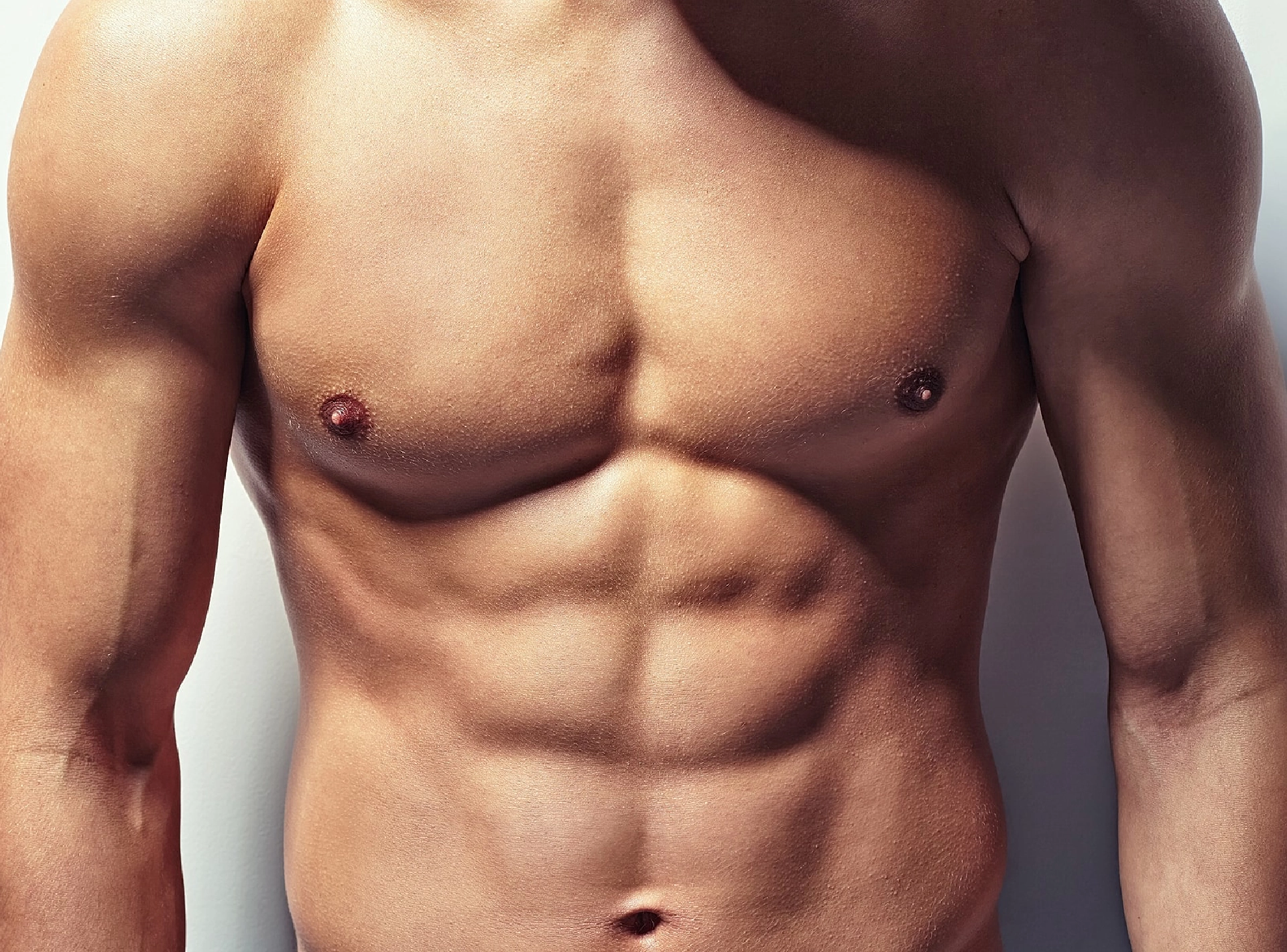
Gynecomastia is the abnormal growth of tissues and glands in the male breast. This can happen during puberty and go away on its own, but some men get gynecomastia later in life. Hormonal imbalances or taking certain medicines can cause this.
Gynecomastia is different from regular chest fat because it happens when there is too much glandular breast tissue in the chest area. Weight gain can cause fat to build up in the chest, but it can be changed by diet and exercise, unlike gynecomastia. But gynecomastia usually needs surgery to fix.
If you’re not sure if you have gynecomastia or just regular chest fat, the best way to find out is to see a doctor. We will talk about some of the most common ways to tell the difference between chest fat and gynecomastia below.
Chest Fat Removal In Dubai
Chest Fat Removal in Dubai is a frequently performed procedure that is popular among males who wish to reduce excess fat in the chest region without affecting the underlying glandular tissue. Weight gain, a sedentary lifestyle, or hormonal fluctuations are frequently the culprits behind this condition. Chest obesity can be diminished through liposuction or non-surgical body contouring techniques, in contrast to gynecomastia, which involves breast tissue. Each patient’s anatomy is assessed by experienced plastic surgeons in Dubai, who then suggest the most effective approach. Men can attain a more defined, flatter chest, improved body contours, and increased confidence through the implementation of appropriate surgical planning, precision, and postoperative care.
Gynecomastia In Dubai
Gynecomastia in Dubai is performed on men to reduce enlarged breast tissue. It removes excess fat and glandular tissue to create a flatter, more masculine chest appearance. The procedure is suitable for men who have not achieved results through diet or exercise and experience physical discomfort or self-consciousness. Advanced surgical techniques ensure minimal scarring, improved chest contour, and long-lasting results. The surgery may involve liposuction, glandular excision, or a combination approach depending on the severity and tissue composition. It is usually performed under local or general anesthesia as a day-care procedure. Recovery is generally smooth, with mild swelling and bruising subsiding within a few weeks. Patients are advised to wear a compression garment to support healing and optimize chest definition.
BOOK AN APPOINTMENT TODAY
Chest Fat Vs. Gynecomastia: Evaluating Symptoms
Are You Experiencing Pain?
Gynecomastia can make the chest area hurt and feel tender, from mild to severe. Your chest may feel swollen, hurt all the time, and hurt when you touch it. Chest fast makes this much less likely to happen.
That said, chest fat can definitely hurt for a number of reasons that have nothing to do with gynecomastia. This is why you should look at more than one thing when you want to tell the two apart.
What Does The Fat Feel Like?
Chest fat usually feels the same as fat on other parts of the body, like the stomach, thighs, or arms. Gynecomastia is much firmer than chest fat, which is usually soft to the touch.
Some people say that gynecomastia feels hard or like rubber. You might even feel a hard lump under your skin, which doesn’t usually happen with chest fat.
What Does Your Chest Look Like?
Chest fat often looks droopy or saggy and doesn’t have a clear shape. Gynecomastia, on the other hand, is usually rounder and more balanced. It might look like a woman’s breasts. The nipple areolar complex may stick out more than the rest of the chest in cases with less tissue.
How Does Your Body React To Diet And Exercise?
How your body reacts to diet and exercise is one of the best ways to tell if you have chest fat or gynecomastia. Everyone’s body stores fat in different ways, and you may lose fat faster in some places than others. However, you should see at least some decrease in the size of your chest as you lose weight.
If you don’t see much or any change, even after losing a lot of weight, this is a clear sign of gynecomastia. When you lose weight, the glandular tissue may become more visible because the fat around it that was hiding it is lessened.
Gynecomastia Treatment
Gynecomastia can go away on its own, but it usually needs surgery to fix it. Depending on the patient’s needs, surgery can be done with either general anesthesia or intravenous sedation.
In many cases, liposuction and cutting out glandular tissue may be needed to get the chest to look right. In these situations, your doctor will cut a small hole in your skin and put in a thin tube called a cannula. After that, suction pulls fat out of the body. You can often take out the glandular tissue from the same cut. Liposuction doesn’t work very well on its own, even in small cases.
In more serious cases, your surgeon may need to use “excision techniques,” which involve making a larger cut to remove both glandular breast tissue and extra skin. If you want to move the nipple or areola during surgery to make the shape look more natural, you may also need to do this.
In a lot of cases, making the chest smaller can cause some skin to sag. Renuvion and other skin tightening treatments may work in a lot of these cases.
Your surgeon will go over aftercare instructions with you before the surgery. You should follow these instructions carefully to avoid problems. After surgery, most patients need at least one to two weeks of rest.
Chest Fat Treatment
Genetics can cause fat to build up in certain parts of the body, making it resistant to diet and exercise. In these situations, liposuction is still an option. But most of the time, diet and exercise alone can get rid of chest fat.
You should see a decrease in fat all over your body, including your chest, when you lose weight. It’s not true that you can spot reduce fat, but weight training can help tone your chest and make fat look smaller. Adding exercises like bench presses and chest flies to your workout routine can help you reach your aesthetic goals.
MEET THE EXPERT DOCTOR
FAQs – Gyno Surgery Vs Chest Fat
How Can You Distinguish Between Gynaecomastia And Chest Fat?
To tell the difference between gynaecomastia (often called “gyno”) and chest fat, you need to know what makes each one unique. Gynaecomastia is characterized by the presence of dense, glandular tissue situated beneath the nipple region. This tissue can sometimes be sensitive to touch and can show up in one or both breasts, which can make them look uneven. This glandular tissue growth is what makes gyno different from just having fat on your chest.
People with higher body fat percentages are more likely to have chest fat, which is softer and more spread out. Chest fat is usually spread out more evenly across the chest than gyno, which has a firm, localized presence that is typical of glandular tissue. This distinction is essential for precisely diagnosing the nature of the issue and consequently identifying the most suitable treatment or management strategy.
Does Gynecomastia Necessarily Affect Both Breasts?
Gynecomastia does not always affect both breasts. The condition can show up in one breast (unilateral) or both breasts (bilateral), and the size of the enlargement may be different in each case. Unilateral gynecomastia, while less prevalent than bilateral gynecomastia, manifests as the proliferation of glandular tissue in a single breast. This can cause the chest to look uneven, with one side looking bigger or more contoured than the other.
The different ways that gynecomastia can show up show how important it is to have a personalized assessment and treatment plan. It is important to know if the condition is unilateral or bilateral and how much tissue has grown in order to come up with the best way to treat it, whether that means watching it, giving medicine, or removing the glandular tissue surgically.
Does Gyno Go Away Naturally?
Gynecomastia, or “gyno,” is a condition that happens at a certain time and for a certain reason. It is not uncommon for gyno to go away on its own as a person gets older. This is mostly because the body’s hormone levels stabilize as a person goes through puberty. The symptoms of gyno, which can include swollen breast tissue and pain, usually go away on their own without any help.
However, the scenario shifts when we consider persistent gyno that either remains from adolescence into adulthood or develops anew in adult life. This form of gyno is less likely to retreat on its own and may indeed necessitate medical or surgical measures to be effectively addressed. Hormonal imbalances, certain medications, or other health problems are some of the main causes of adult-onset gyno. These problems often need specific treatment to go away.
Can I Get Rid Of Gynecomastia By Losing Weight?
In men with true gynecomastia or glandular enlargement due to an underlying hormonal imbalance or recreational substance use, fat reduction with diet and exercise will not treat the problem effectively. True gynecomastia with excess glandular tissue can only be improved using a surgical excision technique with male breast reduction surgery.
Does Gynecomastia Always Affect Both Breasts?
Gynaecomastia can also affect only one side, although most men commonly develop the condition in both breasts.
How Common Is Gyno?
Gynecomastia is not an uncommon condition among males and spans across all ages with varying degrees of prevalence. During puberty, it’s remarkably widespread, with estimates suggesting that up to 71% of adolescent boys experience some form of gyno as they navigate the hormonal rollercoaster of their teenage years. This high prevalence underscores the condition’s link to natural hormonal fluctuations during growth.
The incidence of gyno continues to be significant in adulthood, though the specific prevalence can vary. The commonality of adult gyno is often attributed to a myriad of factors, including, but not limited to, hormonal imbalances, the side effects of certain medications, and underlying health issues that may disrupt the body’s hormonal harmony.
Are Male Breast Reduction Results Permanent?
Male breast reduction results are typically long-lasting for the majority of patients, but there are circumstances where a second surgery might be needed to address complications or to fine-tune results. Adherence to a healthy lifestyle is crucial after the procedure. Factors such as considerable weight gain, steroid use, or certain medical conditions can potentially lead to a resurgence of gynecomastia. Moreover, substances that interfere with androgen levels could also impact the outcomes.
Can I Get Rid Of Gyno By Losing Weight?
Addressing gynecomastia through weight loss is a nuanced topic. For individuals whose gyno is predominantly linked to excess fatty tissue, embarking on a weight loss journey may indeed yield noticeable improvements in the appearance of gyno. This approach targets the reduction of fat around the chest area, potentially diminishing the prominence of gyno.
However, it’s crucial to understand that gyno, which stems from the development of glandular breast tissue, presents a different challenge. In such instances, weight loss alone may not suffice to fully resolve the condition. The glandular component of gyno, being distinct from fatty tissue, requires more direct interventions for removal. Surgical options, specifically designed to address glandular gyno, often become a necessary consideration for those seeking a definitive solution.
What Strategies Can Help Reduce Chest Fat In 12 Days For Males?
While significantly reducing chest fat within a twelve-day timeframe presents a considerable challenge, certain strategies can be employed to kickstart the process. Initiating a calorie-restricted diet is a foundational step; by consuming fewer calories than your body burns, you can begin to tap into fat reserves for energy, which may include chest fat. Complementing dietary changes with specific exercise regimens, particularly high-intensity interval training (HIIT) and targeted strength training exercises focusing on the upper body, can amplify fat loss and muscle toning in the chest area.
Moreover, maintaining adequate hydration is essential for optimising metabolism and facilitating the fat-burning process. Similarly, ensuring sufficient rest and quality sleep is critically important, as it supports recovery and hormonal balance, both of which are integral to achieving fast and effective fat reduction.
Best Plastic Surgeon In Dubai For Chest Fat And Gynecomastia
Best Plastic Surgeon in Dubai for Chest Fat and Gynecomastia is available at the Perfect Doctors Clinic, where patients receive specialized care from Dr. Dirk Kremer, a renowned celebrity plastic surgeon known for creating firm, masculine chest contours with natural-looking results. The treatment addresses both excess fat and enlarged glandular tissue, helping restore a flatter and more defined chest appearance. This procedure is ideal for men experiencing chest fullness due to weight gain, hormonal imbalance, or genetics who wish to regain confidence and physical comfort. At Perfect Doctors Clinic, each procedure is carefully planned according to the severity of the condition, skin elasticity, and the patient’s desired outcome for balanced, long-lasting results.