





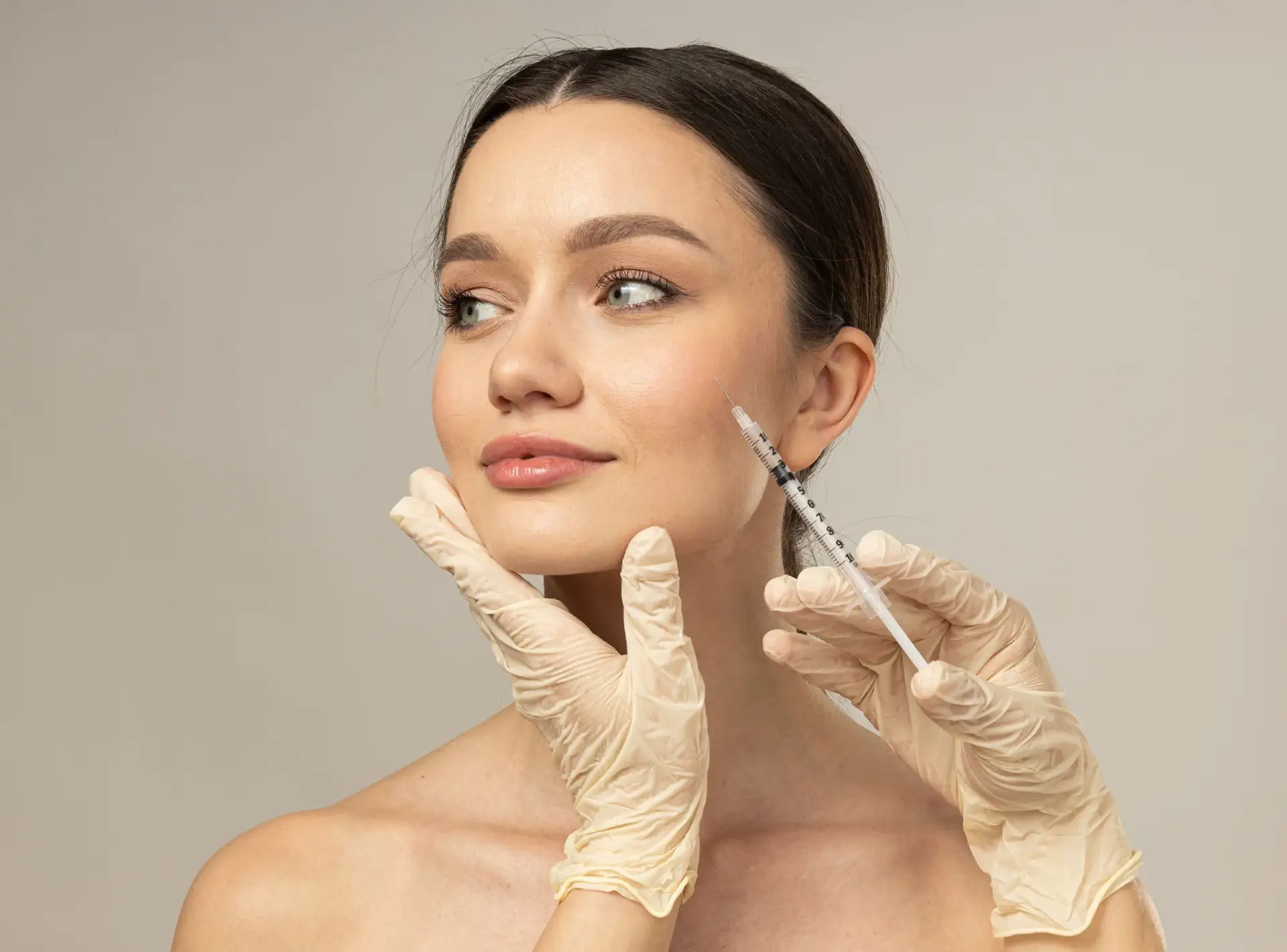
Learn how Botox affects the appearance of your face over time. Before getting treatment, learn how Botox injections can temporarily reduce wrinkles, but also be aware of any potential long-term changes and factors to take into account.
Botox In Dubai
Botox in Dubai is a highly popular cosmetic treatment known for reducing fine lines and wrinkles by relaxing targeted facial muscles. It offers quick, noticeable results with minimal downtime, making it a preferred choice for those seeking a refreshed, youthful appearance.
Introduction
Botox is a cosmetic procedure that can smooth wrinkles and restore youthful skin, among other benefits. But beneath the surface of this well-liked procedure is a question that many people are interested in: Will Botox alter your face over time? As a popular cosmetic procedure, Botox is examined in this study for both its short-term effects and possible long-term ramifications. By comprehending the dynamics of Botox and how it affects facial aesthetics, a person can make an informed decision about whether Botox fits with their personal beauty goals and concerns.
Understanding Botox
People should understand what Botox is, how it works, and what to anticipate before considering it for medical or cosmetic reasons. Apart from its well-known use for cosmetic enhancement, Botox, a neurotoxin made by the bacterium Clostridium botulinum, has several other applications.
What is Botox?
Botulinum toxin type A, commonly referred to as Botox, is a neurotoxic protein. It can temporarily paralyze muscles when taken in small, regulated doses. Because it can harness this property, Botox has been used for both medical and cosmetic purposes.
How Does Botox Work?
Botox softens and relaxes wrinkles by obstructing nerve signals to muscles. Depending on the patient, the area treated, and the dosage used, this effect is transient and lasts for three to six months. Depending on the patient, the area being treated, and the dosage, it is transient.
Cosmetic Uses of Botox
Botox is most frequently used to lessen the visibility of wrinkles on the face, particularly on the upper face.
- Headlines
- Crow’s feet, or the lines surrounding the eyes
- Between the eyebrows are frown lines.
Without requiring invasive surgical procedures, Botox is valued for its capacity to give the face a more youthful and relaxed appearance.
Medical Uses of Botox
In addition to its cosmetic uses, Botox has numerous medical uses, including the treatment of disorders and muscle spasms.
- Persistent migraine
- Sweating excessively (hyperhidrosis)
- An overactive bladder
- A neurological condition called cervical dystonia causes intense contractions of the muscles in the neck and shoulders.
- Uncontrollable blinking, or blepharospasm
The Procedure
Botox administration is a minimally invasive and comparatively quick procedure. Small doses of the drug are injected straight into the muscle tissue. How many injections are needed will depend on the size and desired effect. The majority of people don’t feel uncomfortable during the process.
Safety and Side Effects
When administered by a trained professional, Botox injections are usually safe. However, when the toxin spreads too far from the injection site, there is a chance that the patient may experience headaches, eyelid drooping, and bruises at the injection site. You must talk to your healthcare provider about the advantages and disadvantages before moving forward.
What to Expect
It’s crucial to remember that Botox results don’t happen right away; they usually show up a few days after treatment and take a week or two to fully develop. Repeat treatments will be necessary to maintain the effects of Botox because it is a temporary treatment.
Choosing a Provider
Because Botox injections require precision, the provider must be qualified and have experience. This will guarantee the treatment’s effectiveness as well as its safety and the reduction of any possible negative effects.
Cost Considerations
It’s crucial to remember that the price of Botox treatments varies significantly based on your location, the provider you select, and the number of units used. Botox is typically not covered by health insurance when used for cosmetic purposes because it is regarded as a cosmetic procedure.
Does Botox Change Your Face Over Time?
Examining the subtleties of Botox’s operation and its effects on the appearance of the face over time is crucial when considering the question, “Does Botox change your face over time?” A refined version of botulinum toxin, Botox is used extensively in cosmetics, mostly to lessen the visibility of fine lines and wrinkles. Examining its immediate cosmetic effects, possible long-term muscle changes, and the general aging process are all necessary to comprehend its impact.
Immediate Cosmetic Effects
This paralysis smoothes out the skin above the muscles, preventing them from contracting and lessening the appearance of wrinkles. The first way that Botox works is by momentarily paralyzing the muscles that it is injected into. Results are noticeable a few days to a week after treatment and usually last three to six months. As a result, the face may appear more relaxed and youthful, with a discernible decrease in dynamic wrinkles, which are caused by muscle movements like smiling and frowning.
Long-Term Muscle Changes
Regular Botox treatments may cause the following long-term changes in the muscles of the face:
- Muscle Atrophy: Because of decreased use, repeated injections in the same muscles may cause atrophy or weakening. Since the underlying muscles no longer contract forcefully enough to create deep wrinkles, this may make the skin appear smoother even in the absence of ongoing Botox treatments.
- Muscle Training: Some users claim that following several Botox treatments, they unconsciously lessen the frequency of wrinkle-causing facial expressions. The need for Botox injections may decrease as a result of this “training” effect.
Impact on the Aging Process
Botox does not reverse the aging process, which is also influenced by lifestyle, genetics, and environmental exposures. Numerous factors, such as genetics, lifestyle, and exposure to the environment, affect aging. Although Botox temporarily improves the visibility of wrinkles, it does not affect the skin’s natural aging process or stop new wrinkles from developing as a result of sun exposure or aging.
Facial Volume and Structure
The main effect of a Botox injection is on muscle activity; volume loss and skin elasticity, two other aspects of facial aging, are not directly impacted. Botox by itself, however, cannot stop or reverse changes in facial volume and structure that come with the natural aging process.
Psychological and Aesthetic Considerations
The decision to continue Botox treatment over time is frequently influenced by the patient’s satisfaction with the aesthetic results and feelings regarding aging. While some people decide to embrace natural aging to preserve their appearance, others opt to use Botox to improve their appearance and maintain it with frequent treatments.
BOOK AN APPOINTMENT TODAY
Debunking Common Botox Myths
Due to the abundance of false information, there are numerous myths and misconceptions about the application, results, and safety of Botox. Whether Botox is being used for medical or cosmetic purposes, it is important to dispel these widespread misconceptions about the procedure. Let’s dispel some of the most common misconceptions regarding Botox.
Myth 1: Botox is Only for Wrinkles
Reality: Although Botox is well known for its capacity to reduce fine lines and wrinkles, its applications go well beyond aesthetic improvements. Botox is used in medicine to treat a wide range of ailments, such as overactive bladder, muscle spasms, chronic migraines, excessive perspiration (hyperhidrosis), and even some eye conditions. Its ability to treat a wide range of medical and cosmetic conditions highlights Botox’s extensive therapeutic potential.
Myth 2: Botox Results In An Unnatural Appearance
Reality: The fear of appearing “frozen” or “plastic” is a result of misconceptions about how Botox works as well as negative results, which are frequently caused by inexperienced practitioners. When properly applied by a qualified specialist, Botox produces a refreshed, natural-looking appearance. Subtlety is crucial; a skilled practitioner understands how to apply the proper quantity of Botox to create a relaxed, natural appearance without sacrificing facial expressions.
Myth 3: Botox Injections Are Highly Painful
Reality: Botox injections are usually well-tolerated and require a tiny needle. The majority of people characterize the feeling as a brief, mild pinch or discomfort. To make the injection process even more tolerable for the great majority of people, some clinics may apply a topical numbing cream to the injection site.
Myth 4: Botox Is Toxic And Dangerous
Reality: A purified protein of the botulinum toxin is the source of Botox. The dosage is crucial in this situation, though; FDA-approved amounts are used for medical and cosmetic procedures. Botox treatments are safe and have a minimal risk of side effects when given by a qualified and experienced professional. Botulism or systemic toxicity cannot be caused by the dosages used in cosmetic procedures.
Myth 5: Botox Is Permanent
Reality: The truth is that Botox produces short-term effects that usually go away in three to six months. Over time, muscle activity returns as the toxin is metabolized by the body. For people who want to maintain the effects of Botox, whether for ongoing medical condition management or cosmetic appearance, regular maintenance treatments are required.
Myth 6: Botox Is Addictive
Reality: Botox has no addictive qualities and is not linked to any chemical dependency. Nonetheless, some people may grow used to the way their wrinkles appear and decide to keep getting treatments to keep them that way. This preference is not a physical addiction, but a psychological one.
Myth 7: Botox is Only for Older Adults
Reality: Younger adults in their 20s and 30s are increasingly undergoing “preventative Botox” procedures. By treating wrinkles while they are still small, the goal is to stop deep wrinkles from developing. The appropriateness of Botox varies more depending on the person’s skin condition, concerns, and objectives than it does on age.
Myth 8: Once You Start Botox, You Can’t Stop
Reality: The truth is that you can discontinue Botox treatments whenever you want. Your muscles will eventually resume their normal activity, and your skin will age naturally if you choose to stop using it. Stopping Botox won’t hurt you because the effects are completely reversible over time.
Myth 9: Botox Only Works For Facial Wrinkles
Reality: Although facial procedures are the most popular, Botox can also be used to treat excessive perspiration in the palms, soles of the feet, and underarms. It can also aid in the treatment of disorders like cervical dystonia, which results in abnormal head posture and neck pain.
Personal Experiences with Botox
When talking about personal experiences with Botox, I think it’s important to recognize the range of reasons people choose the procedure, the range of results they get, and the emotional journeys they take. Botox is well known for its ability to reduce wrinkles, but it also has a major role in treating several other medical conditions. These first-hand accounts highlight the complexity of Botox procedures.
Choosing Botox: A Multitude of Reasons
People frequently look for Botox for a number of reasons. By eliminating worries about wrinkles and fine lines that come with aging, Botox helps many people regain their confidence. When other treatments have failed, Botox is a go-to option for people with persistent migraines, excessive perspiration, or muscle spasms
The First-Timer Experience
During Botox procedures, people frequently report only mild discomfort, comparing it to a brief pinch. First-time Botox users frequently display both anxious anticipation and excitement about the possibility of life-changing outcomes. Patience is needed while waiting for results because Botox effects take a few days to two weeks to manifest.
Observing Changes
In their treated areas, many people report a subtle yet noticeable smoothness, frequently accompanied by a refreshed appearance. Reducing crow’s feet, forehead wrinkles, or frown lines can have a big impact on confidence and self-perception when used cosmetically. In terms of treatment, people with long-term illnesses report notable improvements in their quality of life, such as fewer migraine days, less perspiration, or less stiffness in their muscles.
Adjusting Expectations
Not all Botox success stories are about immediate gratification. Some people emphasize the significance of modifying expectations and the understanding that additional adjustment may be necessary to achieve the intended result. The importance of attaining a natural, enhanced appearance as opposed to a drastic transformation is frequently emphasized, with the idea that “less is more.”
Maintenance and Longevity
People who continue Botox treatments frequently talk about maintenance, scheduling frequent sessions to maintain the results. Because Botox is only temporary—it usually lasts three to six months—long-lasting results require ongoing treatments. As muscles adjust to less movement, some people eventually find they require fewer treatments.
Personal Reflections
The emotional effects of Botox treatments are often mentioned in personal accounts. Many report feeling more empowered and having more self-esteem as a result of managing a medical condition or taking charge of their appearance. But it’s also normal for people to discuss how to age gracefully, the pressures from society to look a certain way, and the internal conflict between accepting oneself and wanting to change one’s appearance.
Community and Support
Talking about Botox, whether in person or online, fosters a feeling of support and community. Demystifying the process and promoting well-informed decision-making are two benefits of sharing experiences, advice, and suggestions. Potential users can find comfort and insightful information in these shared stories.
MEET THE EXPERT DOCTOR
FAQ’s
Does Botox Change Your Face Features?
Boost Your Jawline: BOTOX® isn’t just for wrinkles; it can also make your jawline firmer and more defined, giving your profile a more noticeable appearance. BOTOX® can also be used to change your chin’s symmetry, shape, and projection. Sharpen Your Nose: One of the most popular plastic surgery procedures for reshaping and perfecting the nose is rhinoplasty, also known as nose jobs.
Can Botox Make You Look Older Over Time?
Starting extensive Botox treatments early in life may hasten the aging process and eventually make you look older. A frozen and over-treated facial expression can result from using Botox injections too soon and aggressively.
What Does Botox Do To Your Face Over the Years?
On the other hand, long-term use of botulinum toxin for cosmetic purposes can cause long-lasting changes in facial expressions, including a mask-like appearance and decreased facial animation. Some people may not want these long-term changes.
Does Botox Have Long Term Effects On Face?
As the targeted facial muscles gradually lose their natural functionality, adverse effects from excessive and prolonged Botox use may show up as muscle weakness. It’s interesting to note that this weakening effect might be advantageous, particularly if these muscles are the cause of obvious wrinkles and lines.
Does Botox Ever Look Natural?
The idea that using BOTOX and other injectable wrinkle relaxers will make one look frozen, plastic-like, or overly tight is one common misconception about them. In actuality, though, BOTOX injections can produce remarkably natural-looking improvements when given by a trained injector.
Best Aesthetic Clinic In Dubai For Botox
Best Aesthetic Clinic in Dubai for Botox offers a premium experience with expertly tailored treatments designed to give natural, refreshed results. At the Perfect Doctors Clinic, clients benefit from skilled specialists who prioritize safety, precision, and subtle enhancements. With attractive Botox offers and exceptional patient care, it remains a trusted destination for those seeking quality aesthetic services in Dubai.
Conclusion
There are nuances to the question of whether Botox alters your face over time. Although Botox can temporarily improve the appearance of the face by minimizing wrinkles and lines, overuse and prolonged use can result in more permanent changes like a mask-like appearance or muscle weakness. However, Botox can effectively rejuvenate the face while preserving a natural and youthful appearance when applied correctly and sparingly by a trained professional. Therefore, before making any decisions, people thinking about Botox treatments should speak with a qualified professional and balance the advantages and disadvantages.