





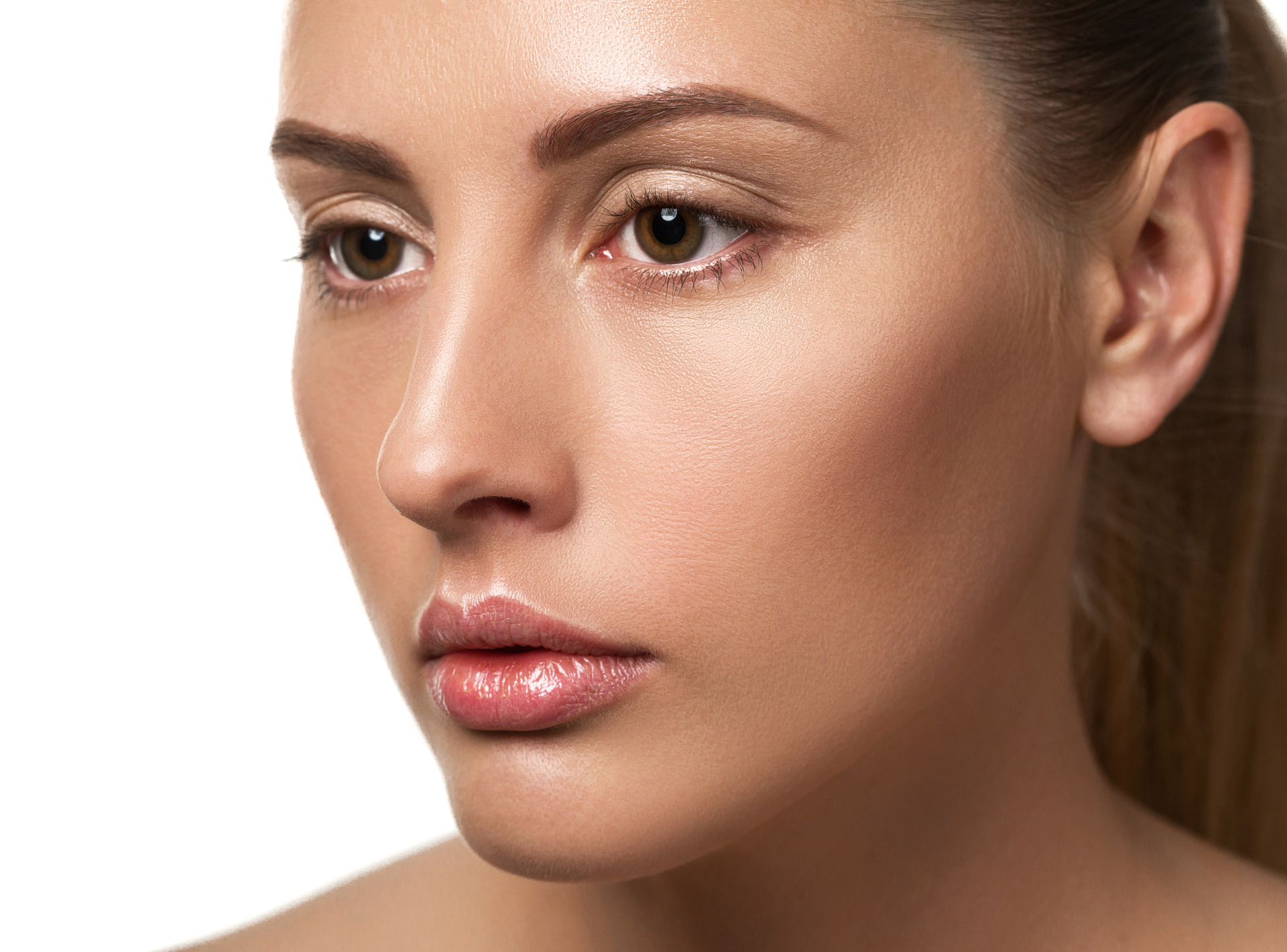
Unlike the healing process for many other cosmetic procedures, rhinoplasty recovery doesn’t make it hard to move or do things. But most patients will want to stay away from other people for the first week because of swelling and bruising. How bad these symptoms are will depend on how much the bone and cartilage in the nose were changed. You can find a detailed recovery guide and timeline below that tells you what to expect at each stage of your rhinoplasty healing process.
Rhinoplasty In Dubai
Rhinoplasty in Dubai is designed not only to achieve aesthetic perfection but also to ensure a smooth recovery process. Patients may experience swelling, bruising, and mild discomfort in the first week following surgery. Proper care, such as elevating the head, avoiding strenuous activities, and taking medications as prescribed, is critical to healing. The majority of visible swelling goes away within a few weeks, but the final results take several months to appear. Regular follow-ups with the surgeon allow you to track your progress. Patients who strictly adhere to recovery guidelines can expect safe healing and long-lasting, natural-looking rhinoplasty results.
Overview The Road To A Full Recovery After Rhinoplasty
Most patients want to know about the recovery process ahead of time so they can plan for how much pain they will be in, how long they will need to take off work, and how they will look in a few days, months, or years. Dr. Perfect Celebrity has done hundreds of successful rhinoplasties, and he can give clients all the information they need to feel comfortable.
Patients will go home right after surgery with an adult, friend, or family member who is responsible. Each day, the bruising will get less and less. Because the skin in the bridge and upper nasal area is thinner, the swelling will go down faster than in other areas. The swelling at the tip may take longer to go away.
As was said before, the amount of swelling is directly related to the amount of change Dr. Perfect Celebrity made. For example, if Dr. Perfect Celebrity did a complete nasal reconstruction with septoplasty, there would be more swelling than if he only made small changes to the tip of the nose. In most cases, swelling will be at its worst during the first week and then start to go down.
How Long Does It Take To Heal From Rhinoplasty?
It usually takes about eleven days for the wound to heal. To keep the nose’s new shape safe, a splint is put on it for the first eight days. The patient should avoid contact sports and sunglasses for up to seven weeks, but they can go back to their normal activities in a few weeks. Most patients feel fine being in public about a week after surgery, and light concealer helps hide any discoloration that is still there. Taking arnica pills and putting an ice pack on your eyes and cheeks after surgery can both help you heal faster. Just make sure not to put any pressure on your nose directly.
How Long Does Bruising Last?
The amount of bruising will depend on how much work was done to fix the nose, like making it look better or just changing the tip or bridge. Most clients’ bruises don’t last longer than a week. But everyone’s body reacts to surgery in a different way. Some people just get bruises more easily. The one thing that never changes is that the bruising will always go away.
Rhinoplasty Recovery Timeline
One Week
A splint will be on the nose for 5 to 8 days to protect it and help with swelling by putting mild pressure on it. Patients will be happy that their nasal bump is gone and that their profile is more balanced after it is taken off. The tip of the nose may also look more polished. Every day, the swelling and bruising will get a little better. To help reduce swelling and add pressure to the supratip break, tape is put on.
Two Weeks
During this time, the tape comes off, and the swelling goes down faster. At this point, there is usually not much bruising. After three weeks, the patient will have fewer clinic visits, which may be virtual, and they will really start to like their new nose. Most of the time, patients are ready to go back to their normal activities and social events without a splint or tape on their nose.
Three Weeks
The swelling is going down, and the healing is going well. At this point, the swelling in the bridge is almost not noticeable. The cheeks and sides of the nose may still be swollen, but not as much as before.
Four Weeks
At one month, people look great. There isn’t much proof that the patient had surgery at that time. Again, keep in mind that your nose looks great at one month and even better at two months.
Four Months
About 70–80% of the recovery is done after four months. The skin that was redraped over the nasal bone and cartilage will keep getting smaller until it fits perfectly over the newly shaped nasal contours. At this point, most patients can clearly see what their final results will be.
Seven Months
Dr. Perfect Celebrity sees patients every seven months to compare how they look now to how they looked in the past. This always helps the patient see things more clearly, since they might not remember what their nose looked like in the past few months.
One Year
After a year, the changes to the tip of the nose will be complete, and any remaining swelling will have gone down. The width of the nose will also look more refined. People will feel like their nose has always been a part of their face, and they might not even remember having surgery.
Rhinoplasty Recovery Tips
Exercise
Patients can start walking right away after rhinoplasty, within the first few weeks, to help blood flow. By the fourth week, they can start doing light workouts again, but at half the speed they usually do. You shouldn’t lift weights over your head or do vigorous aerobics for 6 to 7 weeks after surgery. Check with Dr. Perfect Celebrity if you’re not sure if you can start doing a certain sport or activity again.
Eating And Drinking
Start with foods that are bland and liquid. If you can handle it, move on to a normal diet. If you feel sick after surgery, carbonated drinks and dry crackers can help. Some foods can help you heal faster. Fresh papaya and pineapple have a lot of enzymes that help prevent bruising. You should limit how much alcohol you drink because it will help reduce swelling. It’s not safe to mix alcohol and painkillers. Don’t drink until you’ve stopped taking them.
Showering
Patients can take showers again two days after surgery, as long as the water pressure doesn’t directly affect the nasal splint. If you want to keep the splint in place, you can cover your nose with Saran wrap to keep moisture from loosening the glue. Don’t let the water get too hot. Too much steam will make the cast come off the nose.
Sleeping
After surgery, patients should sleep on their backs with their heads slightly raised for at least three weeks. This can be done with three or four pillows. After that, you can sleep on your side. Patients may see a little more swelling on the side they are sleeping on, but this usually goes down by the end of the day. Patients need not be concerned if there is a slight asymmetry in swelling on either side of the nose attributable to their sleeping posture.
Smoking
You can’t smoke for 15 days before or after rhinoplasty because it can slow down the healing process a lot. A lot of people who get rhinoplasty use it as a good time to quit smoking because smoking is bad for your health and can make you age faster.
Wearing Glasses
People who have had their nasal bones moved should plan to not wear glasses for seven weeks. You can use clear tape to hold up your glasses so they don’t put pressure on your nose while it heals. If your glasses get bumped from the side, your nasal bones might move. You can wear contact lenses the day after rhinoplasty.
BOOK AN APPOINTMENT TODAY
Scratching The Nose
After rhinoplasty, it’s common for your nose to itch. Use a Q-tip to gently ease the feeling. This is the best way to go. You can use witch hazel and antibacterial soap to help keep the area clean and free of oil.
Blowing The Nose
For the first five weeks, you shouldn’t blow your nose. This can put pressure on the inside of the nose and cause bleeding or swelling that lasts a long time.
Sun Exposure
Fresh scars will heal darker and take longer to fade if they are exposed to the sun. You have to use sunscreen and sun protection.
Driving
If you had general anesthesia or IV sedation, or if you are taking pain medicine, don’t drive for at least two days.
Congestion
Swelling and nasal splints may block your nose partially or completely. This is normal and will go away when the splints are taken off and the swelling goes down.
Medications
You can start taking Arnica Montana (Arnica Montana) and Bromelain as directed the night after surgery. Don’t take aspirin or ibuprofen for 11 days after your surgery. At this point, you can start taking all of your other medicines, vitamins, and herbal products again. Dr. Perfect Celebrity will write you prescriptions for painkillers to help you feel better. You have to take your medicines as directed. If you need to, take your pain medicine every 4 to 5 hours for the first 2 to 5 days after surgery to stay “ahead of the pain.” It may take 35 to 50 minutes for the medicine to start working. Don’t wait until you’re really uncomfortable to take them. If you take painkillers on an empty stomach, you could feel sick, dizzy, or nervous, among other things. Before you take it, make sure you have something semi-solid (like crackers or ice cream) or solid (like regular food) in your stomach. If you have symptoms like itching, a rash, wheezing, or a tight throat, you may be having an allergic or bad reaction to the medicine. If any of these happen, stop taking all of your medications and call Perfect Doctors Clinic right away.
Using Ice Packs
You can use an ice pack or a cool compress to help with swelling, bruising, and pain. You should use this while you’re awake for the first two days after surgery, 35 minutes on and 35 minutes off. Put the compresses on your cheeks and eyes. Do not put on your nose.
Nasal Discharge And Crusting
You will get a drip pad taped under your nose when you go home. You might have some bleeding or oozing for the first two days. If the gauze gets too wet, it should be changed as needed. Take off the drip pad when the dripping stops.
Downtime For Desk Jobs After Rhinoplasty
Most patients can return to their desk jobs within 6-8 days of rhinoplasty, once the splint is removed and the initial swelling has subsided. However, mild bruising and discomfort may persist, so it is recommended to avoid stress and maintain proper head elevation during the early stages of recovery.
Rhinoplasty Recovery Dos And Donts
Keep your head elevated, take your medications as prescribed, and schedule follow-up appointments. Don’t blow your nose, wear glasses, or engage in strenuous activities for several weeks. Avoid smoking and touching your nose, as these can cause healing to take longer and have a significant impact on the end result.
Rhinoplasty Recovery FAQ
Is Rhinoplasty Recovery Painful?
Most people who have had rhinoplasty say it wasn’t as painful as they thought it would be. After surgery, the tip of the nose is often more numb, while the bridge is where patients usually feel more pain. Dr. Perfect Celebrity has a lot of experience with pain management, and he can make your aftercare plan fit your comfort levels by giving you the right prescription painkillers. Some patients will be fine with just taking extra-strength Tylenol. Just don’t take aspirin.
Will I Have Scars After Rhinoplasty?
With closed rhinoplasty, cuts are made inside the nostrils, where scars are hard to see. An open rhinoplasty makes a small cut across the columella at the base of the nose. Scarring in this area is usually not noticeable to anyone but the patient and Dr. Perfect Celebrity.
Will The Nose Grow After Rhinoplasty?
No, the nose won’t get bigger. For the first week or three, it might look bigger because of swelling. The nose tends to droop as a person gets older. This could happen because of gravity or a muscle that is too active in depressing. Rhinoplasty helps patients avoid this by preventing the area from sinking with internal nasal scarring.
How Can I Prevent A Dry Nose After Rhinoplasty?
After surgery on the nose, the glands that make mucus in the nose may slow down. This makes things dry, which isn’t bad for your health but can be uncomfortable. Dr. Perfect Celebrity will recommend nasal moisturizers that are mostly made of salt water. You can spray these things in your nose to break up the crust inside and speed up healing. You can also use ointments to help with a dry nose.
MEET THE EXPERT DOCTOR
Best Plastic Surgeon In Dubai For Rhinoplasty
Best Plastic Surgeon in Dubai for rhinoplasty is available at the Perfect Doctors Clinic, where Dr. Perfect Celebrity is well-known for his exceptional results and patient care. According to Dr. Perfect Celebrity’s guide to rhinoplasty recovery, the healing process necessitates patience and proper aftercare. Patients may experience swelling and bruising at first, but this usually resolves within a few weeks. Following medical advice, avoiding strenuous activities, and attending follow-ups are all necessary steps. Patients who receive expert guidance and care can expect a smooth recovery and natural-looking, long-lasting rhinoplasty results.