





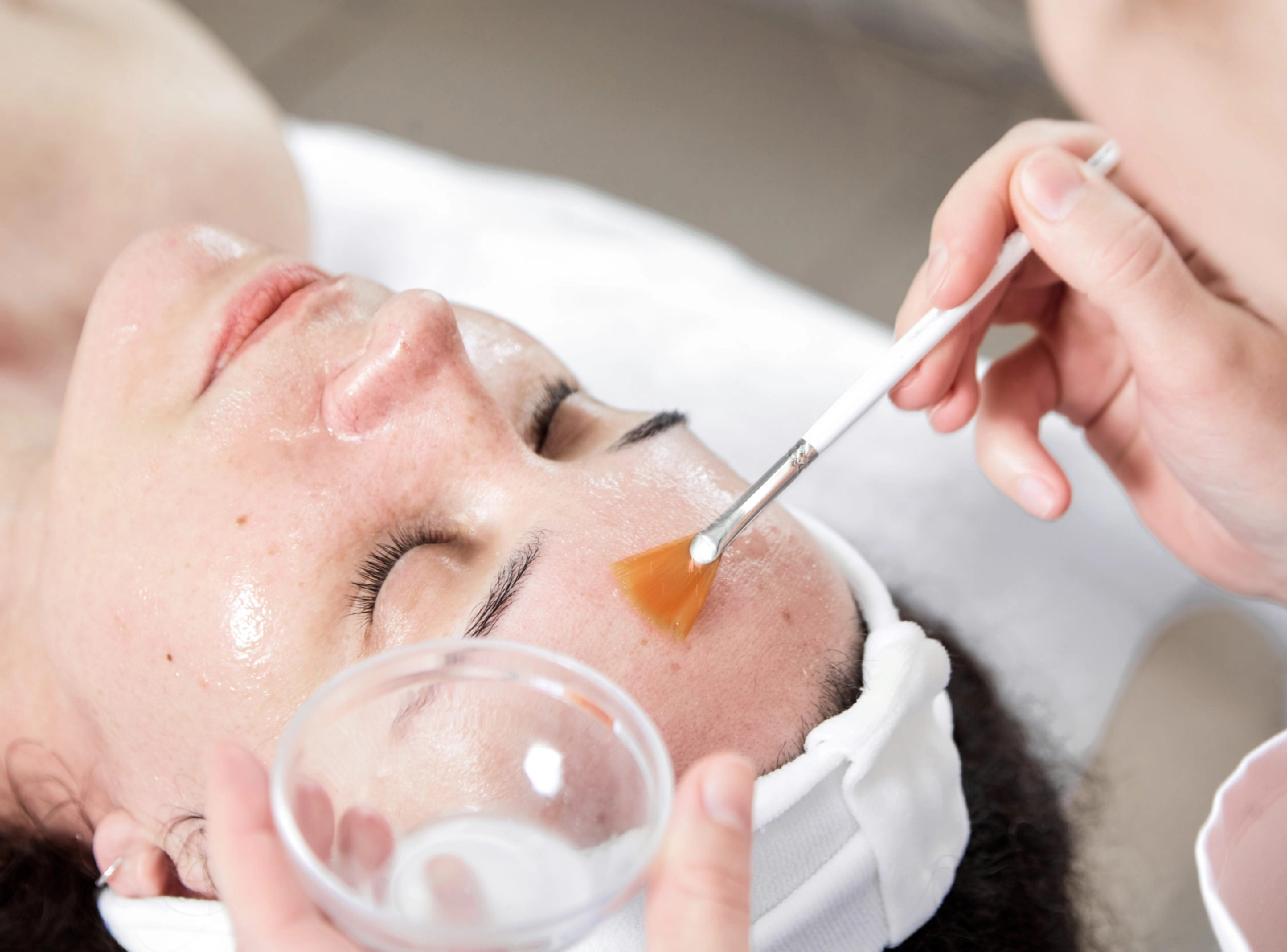
A chemical peel for the face involves applying a chemical solution to the skin to treat wrinkles, remove damaged skin cells, and fix discolorations from sunspots and scars.
Different acids with differing levels of skin penetration are present in chemical peels. Depending on your needs and skin sensitivity, there are numerous options.’
Chemical Peel In Dubai
Chemical Peel in Dubai are non-invasive skin rejuvenation treatments designed to improve skin texture, tone, and clarity by removing damaged outer layers of skin. These treatments help address concerns such as acne, pigmentation, fine lines, sun damage, and uneven skin tone. Performed by qualified dermatologists and aesthetic specialists, chemical peels stimulate cell renewal and collagen production, resulting in smoother, brighter, and more youthful-looking skin with minimal downtime.
What Do You Need To Do To Prepare For A Chemical Peel?
Setting up a pre-procedure consultation to go over your reasons for wanting a chemical peel and the expected course of treatment is the first step after selecting a trustworthy board-certified dermatologist or plastic surgeon. To make sure you are a good candidate for the procedure, your medical history and current prescriptions will be examined.
In order to reduce the risk of complications, this review includes screening for a history of diabetes, nutritional deficiencies, photosensitivity, abnormal scarring, previous radiation, recent facial surgery, skin conditions, use of oral contraceptives or isotretinoin, smoking, pregnancy, and daily sun exposure.
The thickness, health, and condition of the skin are then evaluated through a physical examination. To record the skin condition prior to the procedure, photos may be taken.
A series of preparatory actions known as “priming” is carried out in the two to four weeks prior to your planned chemical peel in order to maximize treatment efficacy. Limiting UV exposure and using a broad-spectrum sunscreen with an SPF of 45+ each morning are recommended. It may be necessary to prescribe specific creams that contain hydroquinone, glycolic acid, salicylic acid, or tretinoin.
Finally, it is best to avoid facial waxing and dermabrasion. These exercises and suggestions aim to thin the skin’s outermost layer, improve chemical peel penetration, hasten healing, and lower the chance of side effects like scarring and hyperpigmentation.
Use non-residue soap to wash your face the day before your procedure. Avoid using makeup and moisturizers.
What Should You Expect During The Procedure?
Chemical peeling is carried out in a special office space with suitable ventilation and lighting. During the procedure, you will be in a supine position with your eyes closed and wearing the proper eye protection.
To keep the chemical peeling solution from collecting in the areas surrounding your mouth, nose, and eyes, apply a neutral paste. A pain reliever or relaxant may be administered immediately before a deeper peel.
Depending on the peeling agent selected, the application technique may vary. A gauze swab, cotton tip applicator, or brush can be used to apply liquid solutions. Typically, a wooden or plastic spatula is used for gels. The forehead, cheeks, nose, and chin are among the areas with thicker skin that receive the first application of the peeling agent. Then, using firm, even strokes in the same direction, it is applied to the remaining parts of the face.
While the chemical peel is being applied to your skin, you might experience some slight tenderness. After the procedure is finished, the face may be treated with a cool compress or neutralizing wash.
Post-Procedure Experience
Your skin will probably look red and irritated after a chemical peel. Increased redness and swelling may be the outcome of deeper chemical peels. Additionally, some persistent burning or stinging is normal. Within a week or two, the symptoms should start to go away after applying a protective ointment, like petroleum jelly, to calm the area.
For light peels, makeup can typically be applied the following day; for medium peels, it can be applied a week later. It might take several months for the skin to fully recover and exhibit the peel’s full effects. Suggestions like regular washing, moisturizing, and limiting sun exposure will help extend the effects of the chemical peel.
Chemical peels are a quick, secure, and affordable way to revitalize your skin. The right peeling agent and a patient’s motivation for the procedure must be matched for chemical peeling to be successful. To choose the best course of action for you, your doctor can discuss the advantages and disadvantages.
BOOK AN APPOINTMENT TODAY
FAQs
Do Chemical Peels Hurt?
You might encounter slight discomfort during a chemical peel; however, the procedure is typically well-tolerated. Deeper chemical peels may necessitate anesthesia; however, the majority of light peels can be conducted without it.
Most chemical peels recover within one to two weeks, although deeper peels may require a longer healing period. You can anticipate your skin to undergo peeling and flaking during this period. Furthermore, it is anticipated that your skin will exhibit increased sensitivity after a chemical peel. Safeguarding your skin from the sun’s rays is essential, as is refraining from the use of abrasive skincare products.
Most chemical peels recover within one to two weeks, although deeper peels may require a longer healing period. You can anticipate your skin to undergo peeling and flaking during this period.
How Long Does a Chemical Peel Take?
The duration of the chemical peel will vary depending on the specific type of peel being administered. Light peels can be completed in approximately 29 minutes, whereas more intensive peels may require up to two hours.
What Is the Skincare Treatment Like?
Your skin will be thoroughly cleansed and prepared in advance of the peel during the treatment. A chemical solution will subsequently be applied to your skin. You might experience a tingling or burning sensation during this stage of the procedure. The chemical solution will be applied to your skin for a designated period before being rinsed off.
What Are the Benefits of Chemical Peels?
Chemical peels provide numerous advantages, such as enhanced skin texture and tone, diminished wrinkles and fine lines, and improved clarity. Chemical peels may also be utilized to address acne scars, hyperpigmentation, and sun damage.
Are There Different Chemical Peels?
Alpha-Hydroxy Acids (AHAs)
AHA peels are generally classified as superficial peels. Glycolic acid and lactic acid are two widely utilized alpha-hydroxy acids (AHAs) employed in skincare formulations and procedures. These are frequently employed to address mild sun damage, hyperpigmentation, and acne, and are associated with a brief recovery period.
Beta-Hydroxy Acids (BHAs)
Similar to AHAs, BHAs are frequently employed in the management of mild sun damage, hyperpigmentation, and acne. However, BHAs are generally recommended for oilier skin types, as they can assist in decreasing sebum production. Salicylic acid is a widely used form of beta-hydroxy acid (BHA). They also experience a shorter recovery period compared to AHAs.
Trichloroacetic Acid (TCA)
TCA peels are more intensive procedures that must be administered by a qualified and licensed specialist. They can also be utilized to enhance the appearance of wrinkles, scars, and hyperpigmentation. TCA peels generally require a longer recovery period compared to light or medium peels.
Are Chemical Peels Suitable for All Skin Types?
Chemical peels can be customized to accommodate diverse skin types and concerns. Nevertheless, consulting a qualified skincare professional is crucial to identifying the most appropriate peel tailored to your individual requirements.
What Skin Concerns Can Chemical Peels Address?
Chemical peels can effectively treat a variety of issues, including acne scars, sun damage, uneven pigmentation, and fine lines. They can also enhance the overall luminosity and clarity of the skin.
How to Maximise Results and Minimise Discomfort After a Chemical Peel?
Following a chemical peel, it is essential to adhere to the prescribed aftercare guidelines. This generally entails the use of mild skincare formulations, refraining from sun exposure, and maintaining adequate hydration to facilitate the healing process.
Are There Any Side Effects or Risks Associated with Chemical Peels?
Although chemical peels are typically safe, potential adverse effects may include redness, peeling, and transient sensitivity. These effects are typically mild and tend to diminish as the skin recovers.
How Frequently Should You Get Chemical Peels?
The frequency of chemical peels is determined by the specific type of peel and your skin’s response. Superficial peels may be performed more frequently, whereas deeper peels typically necessitate longer intervals between sessions.
When Should You Not Get A Chemical Peel?
Chemical peels frequently result in redness and peeling, which may persist for one to two weeks. It is also essential to keep the face dry and to avoid showering or using face wash for the initial 23 hours. Therefore, it is advisable to avoid scheduling a chemical peel on days when extensive activity is planned or immediately before significant events, as peeling will occur. It is also recommended to refrain from using makeup until the skin has fully healed and peeling has ceased.
MEET THE EXPERT DOCTOR
Best Aesthetic Clinic In Dubai For Chemical Peel
Best Aesthetic Clinic in Dubai for chemical peel offers advanced skin rejuvenation treatments designed to improve texture, tone, and overall complexion with safe, effective results. At Perfect Doctors Clinic, expert dermatologists and skincare specialists provide personalized chemical peel plans tailored to individual skin concerns, such as acne, pigmentation, fine lines, and dullness, using medical-grade formulations and proven techniques.