





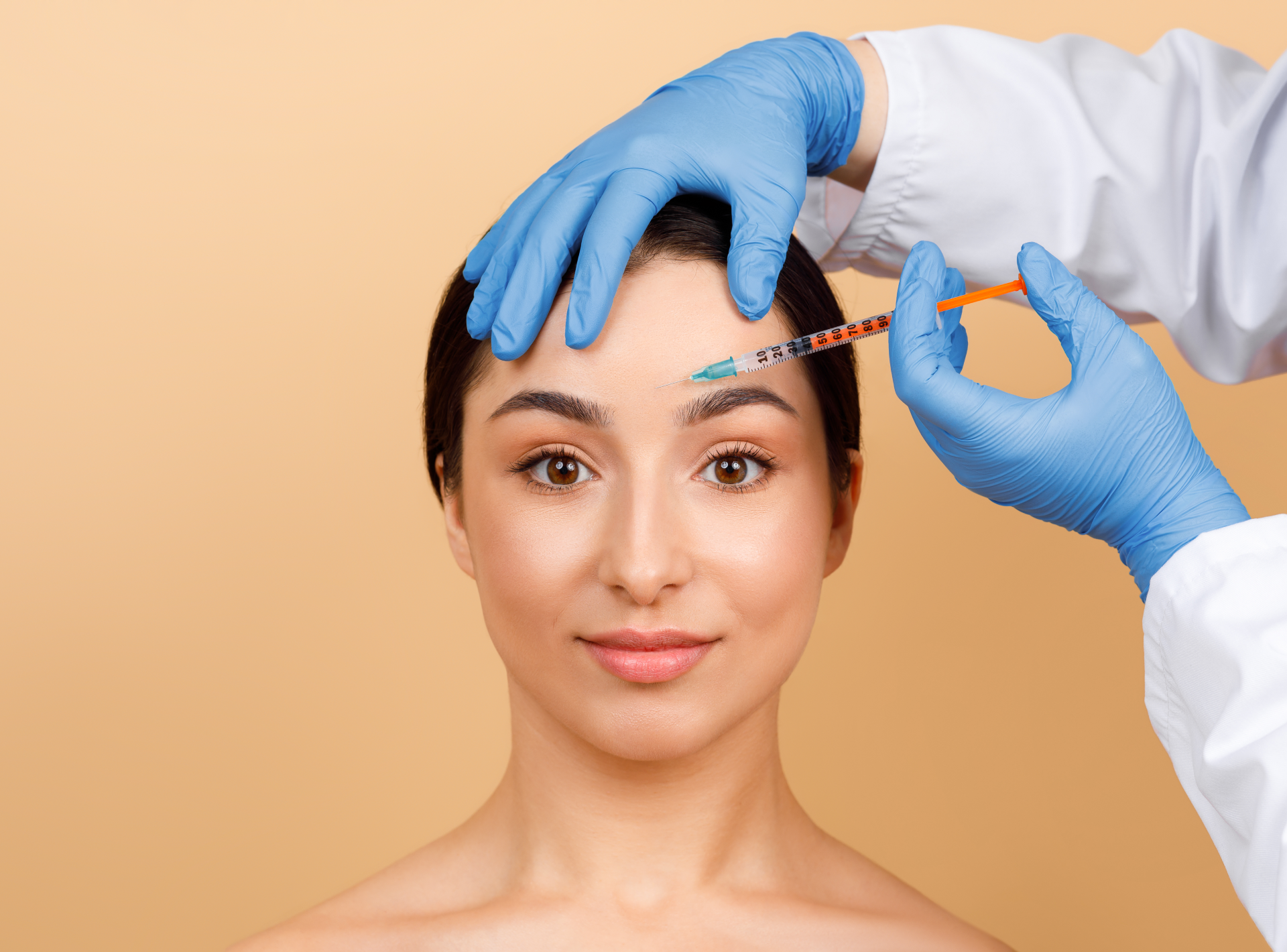
Botox and other neurotoxins, like Xeomin and Dysport, are the best ways to get rid of lines and wrinkles without surgery. Treatments are safe and work very well to keep skin looking young, smooth, and healthy. Most injectors recommend that patients avoid most forms of exercise for 1 day after getting Botox, even though it doesn’t take long to recover from the procedure. Some patients even get the treatment during their lunch break. If you work out too soon after getting Botox, it could hurt your results. Find out why and when you can safely start working out again after getting cosmetic injections.
Botox In Dubai
Botox in Dubai is a non-surgical injectable treatment that smooths wrinkles and fine lines by temporarily relaxing the muscles responsible for dynamic facial movements. It is commonly used to treat forehead lines, frown lines between the eyebrows, and crow’s feet around the eyes. Botox works by blocking the nerve signals to the targeted muscles, reducing their ability to contract and creating a smoother, more youthful appearance. The procedure is minimally invasive, quick, and typically requires little to no downtime. Results usually appear within a few days and can last several months, depending on the individual and treatment area. Botox is suitable for patients looking to rejuvenate their appearance, maintain a natural look, and prevent deeper lines from forming in the future.
How Exercise Effects Botox Treatment Areas
Doing hard exercise right after Botox can make the procedure less effective, which can lead to less-than-perfect results. The act of working out:
Puts Pressure on the Treatment Area
Too much pressure in the treatment area can make Botox move away from where it was injected. This includes the pressure from wearing a cycling helmet, swim goggles, or ski goggles, as well as the pressure of wiping sweat off your face.
Increases Blood Flow
More blood flow can make the injectable less effective by thinning it out or moving it away from the treatment area. Your heart rate goes up when you do gentle activities like yoga that put your head upside down. This makes your blood flow faster.
Causes Too Much Movement in the Face
Even light exercise, like jogging, makes your facial muscles move. You might find yourself breathing through a wide-open mouth or forcefully exhaling while working out hard.
What Can Go Wrong?
Any of the above, too much pressure on the face, more blood flow, or too much movement of the face can lead to bad results.
Increased Swelling & Bruising
Too much movement and more blood flow can make you swell and bruise more after treatment, and they can also make these side effects last longer.
Reduced Effectiveness
If you work out too soon, the injectable may spread out, which will lower the results you were hoping for. If the neurotoxin doesn’t completely relax the muscles it is supposed to, wrinkles and fine lines won’t go away completely.
Unintended Nuerotoxin Spread
In the worst-case scenario, a neurotoxin that moves around may temporarily relax muscles in places where it shouldn’t. This can cause eyelids to droop or facial features to be uneven.
When is it Safe to Exercise After Botox?
Most doctors say that you shouldn’t exercise for 1 day after your Botox appointment to get the most out of it. Other than light walking, stay away from cardio, strength training, and any movements that put your head below your heart, like lying down.
Your doctor may tell you not to do any hard, high-impact activity for a week after treatment in some cases. You should always do what your injector tells you to do and pay attention to how your body feels.
Recommended Exercises Following Botox
When you start moving again, stop if your swelling or bruising gets worse, and don’t put too much pressure on your face.
You can try the following within 1 day after your appointment:
- Walking easily at a slow pace
- Gentle yoga without any inversions
- Doing light housework or gardening
- Facial exercises that your doctor says you should do
The following are exercises you should not do in the 1 day:
- Running or jogging
- Cardio that makes you sweat, like cycling, rowing, or aerobics
- Lifting weights or doing hard strength training
- Sports or activities that put you at risk of getting bumps or hits
- Swimming (even without swim caps and goggles)
- Exercises that are done on the floor, like yoga, Pilates, or ab work
How Long After Having Botox Can You Exercise Again?
After receiving Botox treatment, it is important to allow the Botulinum toxin to settle properly into the targeted muscles to achieve the best results and avoid potential complications. Experts recommend avoiding strenuous physical activity for one to two days following the procedure. This includes running, high-intensity workouts, weightlifting, aerobics, hot yoga, or any activity that increases blood flow to the face excessively. During this critical period, excessive movement, sweating, or pressure on the treated areas may cause the Botox to migrate slightly, which could result in uneven results or affect muscles that were not intended to be treated.
During the one to two days, patients should also avoid bending excessively, lying flat for prolonged periods, or massaging the injected areas. Simple daily movements and normal activities are generally fine, but it is best to err on the side of caution and limit vigorous activity to ensure optimal results.
After a one to two-day period, you can gradually resume light to moderate exercise. Start with low-intensity workouts such as walking, gentle stretching, or cycling at a comfortable pace. Observe how your body feels and ensure that you do not put unnecessary strain on your face or forehead. As time progresses and your Botox treatment fully settles, you can gradually return to more vigorous exercise, including high-intensity interval training, running, or weightlifting.
Maintaining a regular fitness routine is possible, but patience immediately after treatment is key to achieving smooth, natural-looking results that last. By following these guidelines, patients can protect their investment in Botox, avoid complications, and enjoy long-lasting facial rejuvenation while safely returning to their preferred exercise routines.
Getting the Best Botox Results
Your doctor isn’t the only one who can help you get the best results from your Botox treatment. You will get the best and longest-lasting results if you rest and follow your doctor’s advice, especially in the 1 day after the injection.
BOOK AN APPOINTMENT TODAY
FAQs
I Went Running After Botox, What Should I Do?
If you went running shortly after receiving Botox, it is important to stop any strenuous activity and keep your head upright for several hours. Premature movement or exercise can potentially affect the way the Botox settles into the muscles. Monitor the treated area for any unusual swelling, bruising, or changes in muscle movement. If you notice anything unusual or experience discomfort, contact your practitioner immediately for guidance. Avoid rubbing or massaging the treated areas, as this can also affect results. Following proper post-treatment instructions ensures that Botox works effectively and delivers the desired, long-lasting results while minimizing any risk of complications.
What Happens If I Sweat After Botox?
Sweating itself does not directly affect Botox, but excessive facial movement and wiping sweat from the treated area can lead to uneven distribution of the neurotoxin. For at least one day after the procedure, it is recommended to avoid heavy exercise, saunas, hot yoga, or any activity that causes excessive sweating. Gentle movements and minimal facial expressions during this period help ensure the Botox settles correctly into the targeted muscles. Following these precautions reduces the risk of asymmetry or uneven results and helps maintain the effectiveness and longevity of the treatment.
Does Exercise Make Botox Wear Off Faster?
Yes, intense exercise can increase metabolism and blood flow, which may cause Botox to wear off slightly faster than usual. Regular high-intensity workouts may mean that touch-ups are needed more frequently to maintain smooth, wrinkle-free results. To preserve the full effect, it is recommended to avoid strenuous activity for at least one day after treatment. Maintaining a consistent routine of follow-up appointments ensures that the Botox continues to provide optimal results while minimizing the risk of uneven effects caused by increased physical activity.
How Do I Know If Botox Has Migrated?
Botox migration occurs when the neurotoxin spreads to unintended areas, affecting nearby muscles. Common signs include drooping eyelids, uneven facial expressions, asymmetry, or changes in muscle function beyond the treated area. If you notice any of these effects, it is important to contact your practitioner for evaluation. They can assess the situation and provide potential corrective treatments if necessary. Early detection of migration ensures that adjustments can be made safely, preserving your intended results and maintaining a balanced, natural appearance.
MEET THE EXPERT DOCTOR
Best Aesthetic Clinic In Dubai For Botox
Best Aesthetic Clinic in Dubai for Botox provides expert care and personalized treatment plans for every patient. The Perfect Doctors Clinic is renowned for its safe, effective, and natural-looking Botox treatments, targeting wrinkles, fine lines, and dynamic facial expressions. Each procedure is tailored to the patient’s unique facial structure and aesthetic goals to ensure balanced, harmonious results. The clinic uses high-quality Botox products and advanced injection techniques to deliver long-lasting, rejuvenated outcomes with minimal downtime. Patients also receive detailed pre- and post-treatment guidance to optimize results and maintain a refreshed, youthful appearance. With a focus on precision, safety, and patient satisfaction, Perfect Doctors Clinic has become a trusted destination for Botox treatments in Dubai.