





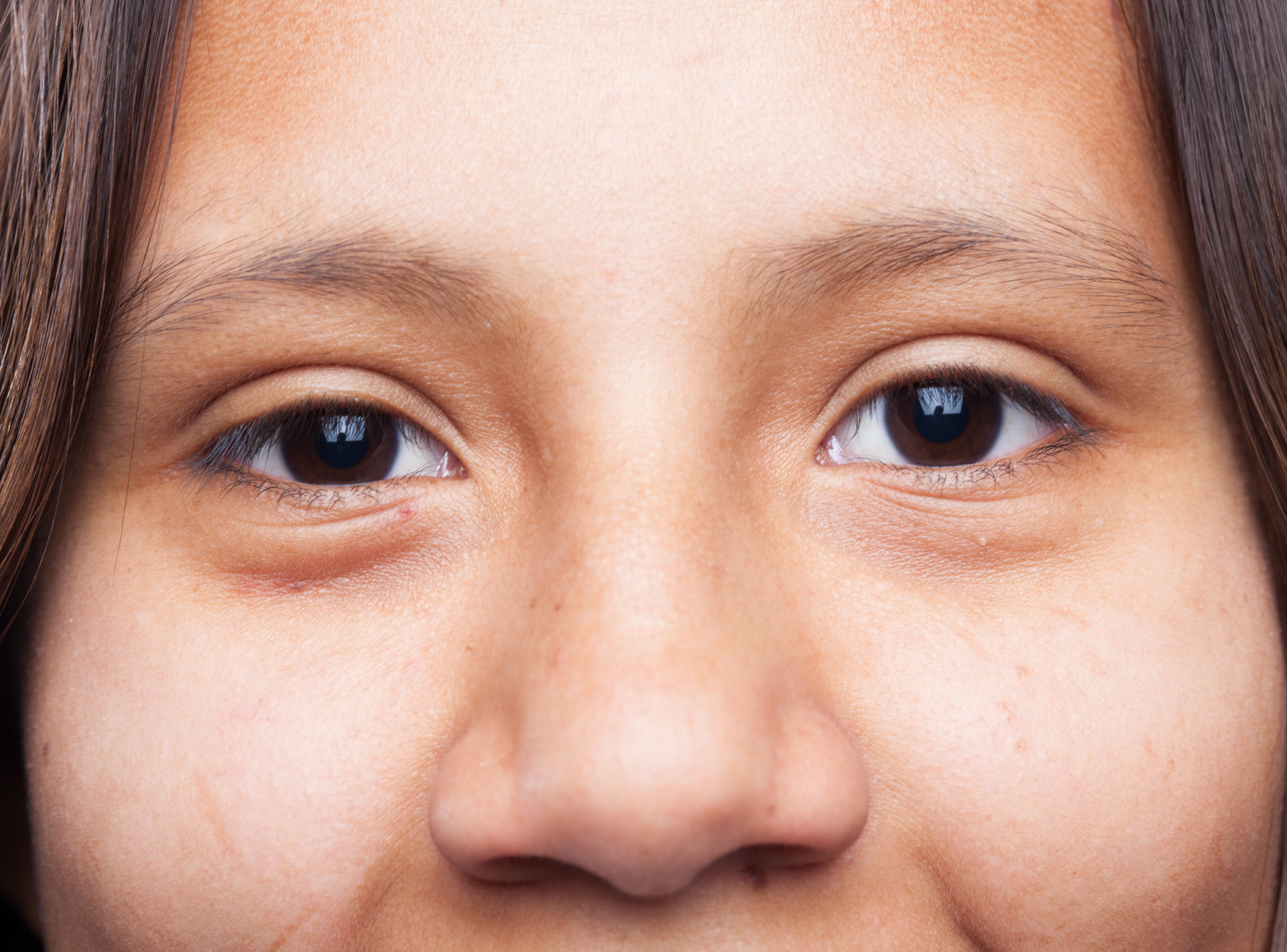
Lower blepharoplasty is one of the most popular cosmetic operations as puffy eye bags can be a result of genetics or aging. Eye bags are seen all the time for a wide range of people in their 30s and sometimes even in their teens to older.
Eye bags are always visible because the fat (that normally cushions the eyeballs) has pushed or herniated forward, creating a bulge in the lower eyelids.
Lower eyelid surgery is the best way to get rid of these fat deposits. Eye bags are a big problem for a lot of people. Those who have never undergone elective surgery naturally want to know what it is like.
Eye Bag Surgery In Dubai
Eye Bag Surgery in Dubai is a structured recovery process that aims to reduce swelling and restore a smoother under-eye contour. Patients may experience bruising and mild discomfort for the first few days, which will gradually improve over the next two to three weeks. Most people can resume normal activities within 8-12 days, but complete healing and final results take several weeks, revealing a refreshed, youthful appearance.
Lower Blepharoplasty In Dubai
Lower Blepharoplasty in Dubai is a popular cosmetic procedure that aims to reduce under-eye bags, remove excess skin, and restore a youthful appearance. When performed by skilled surgeons using advanced techniques, it produces natural-looking results with minimal scarring. The procedure typically has a short recovery period, with noticeable results within weeks. Patients experience smoother under-eye contours, less puffiness, and a more refreshed, vibrant facial appearance overall.
Lower Eyelid Surgery With Quick Recovery
Here, I will tell you what I do to make my patients recover from under eye bag surgery as fast as possible, make the experience comfortable and convenient and make results look natural, like they never had eye bags.
I am a cosmetic eyelid specialist and in my practice I do lower eyelid surgery every day using the more technically advanced transconjunctival blepharoplasty method to sculpt and remove eye bags. I also revise lower eyelid surgeries done by other doctors to correct complications from lower eyelid skin shortages such as lower eyelid retraction. I also perform other eyelid surgeries to help with hooded eyes, specialized oculoplastic surgeries such as eyelid ptosis surgery or drooping of the upper eyelids, and correcting eyelids affected by thyroid eye disease.
While temporary eye bags may be caused by lack of sleep, salt consumption, allergy and sinus problems, lower eyelid blepharoplasty is designed solely for eye bags that are persistent because of prolapsed fat. The orbital fat is normally there to cushion the eyeball, but as stated before, it can prolapse forward, creating these bulges we call eye bags. While an eye filler can be used to hide minor eye bags, the only long-term solution is to undergo lower eyelid surgery.
Lower Eyelid Blepharoplasty Technique
- Transconjunctival approach
- Transcutaneous method
Transconjunctival Blepharoplasty
Eye bags can be removed with lower eyelid surgery using techniques that require minimal recovery time. In my practice, I have a special technique for lower eyelid surgery called transconjunctival blepharoplasty, which has no external incision on the lower eyelid skin. With this technique, I sculpt away the fat pockets that cause eye bags from the inside of the eyelid, and surgically remove the prolapsed fat.
Some fat is left behind, as it should be, to avoid a hollow look, and to give a natural smooth contour to the lower eyelids. Many times the internal incisions can be closed with laser and sutures are not needed. There is no incision on eyelid skin so there is no healing on skin. For other eyelid surgeries involving skin incisions, sutures are removed approximately one week post-operatively, and healing of the incision continues after the sutures are removed.
Our patients go back to work about a week after surgery and often do not have to get sutures removed because internal incisions can be closed with a laser.” There is no external incision to heal and our patients only need cold compresses to the area, 30 minutes on and 30 minutes off during waking hours for the first 3 days after surgery to help minimize swelling. By day four our patients are using warm compresses to help clear out fluid that contributes to swelling. A week after the transconjunctival blepharoplasty procedure many patients look pretty good. Some, however, may have lingering bruising and swelling that resolve soon after.
What Kind Of Anesthesia For Blepharoplasty?
The type of anesthesia you receive can significantly impact your recovery after surgery. All of my upper and lower eyelid surgeries are performed under local anesthesia with LITE IV sedation. Patients can leave the clinic soon after surgery and start healing right away.
On the other hand, general anesthesia can prolong the healing process. With general anesthesia patients need a ventilator to breathe, whereas with local anesthesia they breathe on their own. Nausea, vomiting and grogginess after surgery do persist. These are the immediate effects of general anesthesia. General anesthesia is hard on the body and it takes about a week to recover from the effects of that, so it slows down and prolongs the healing process for the actual surgery.
On the other hand, local anesthesia allows patients to go home the same day as surgery. After general anesthesia, the patient is groggy, so a stay in the hospital for observation is necessary. It is important to ask your potential surgeons what kind of anesthesia they use when you are considering surgery to remove eye bags. Local anesthesia seems an obvious choice, but when I first started my practice using local anesthesia for eyelid surgery, many of my fellow surgeons thought I was crazy. Many surgeons now prefer local anesthesia for their patient’s comfort, and quicker healing. It is important to ask about preferred anesthesia before surgery.
Transcutaneous Blepharoplasty
The most common surgical method used to remove eye bags is the transcutaneous blepharoplasty, which does have an external incision, and usually takes longer to heal. This method is used by most general plastic and cosmetic surgeons because it is simpler than the transconjunctival method. The incision is made underneath the eyelashes to access, sculpt and remove the fat pockets that are causing the bags. Healing usually takes longer with this method due to the incision in the lower eyelid.
As with any surgery in which the skin of the eyelid is cut open, sutures to close the incision need to be removed after about a week post-surgery and more time is needed for the incision to heal. For the first three days after blepharoplasty surgery, an antibiotic ointment is needed for the incision line. After 3 days, application of a petroleum-based ointment such as Aquaphor to the incision should be used to maintain a moist environment to promote healing. Using an antibiotic ointment for more than two days can result in an allergic reaction, or contact dermatitis, which many people mistake for a post-surgical infection or healing complications.
Transcutaneous Blepharoplasty Incision Lines
The transcutaneous method does take longer to heal because the body does need to heal the incision on the skin, so temporary swelling does last longer with this method. Collagen is disorganized during the initial healing period, which lasts for about a month until the collagen fibers begin to flatten, and swelling gradually resolves in the subsequent months. This method also increases the chances of temporary bruising due to increased trauma to the eyelid skin.
Lower Lid Blepharoplasty Risks
The transcutaneous blepharoplasty has a much higher incidence of surgical complications than the transconjunctival technique, which not only prolongs the healing period but also often requires further revision surgery. The external incision can disrupt the support structures of the lower eyelid, such as the skin, the orbicularis oculi muscle, and the lateral canthal tendon, which may lead to drooping of the lower eyelid, or rounding of the eyes.
In fact, many surgeons mistakenly remove lower eyelid skin when trying to improve under eye wrinkles, making things worse. Skin shortage and lower eyelid drooping can cause problems such as lower eyelid retraction, where the eyelid skin is pulled down; ectropion, where the edges of the lower eyelid turn outward, leading to irritation; or entropion where the lower eyelid curls inward, also leading to irritation.
Lower eyelid retraction and skin shortages may prevent complete closure of the eyes, disturbing sleep. Additionally, tear film distribution is compromised so the eyes don’t properly lubricate, and clear dirt, which also leads to irritation. I am a Fellowship-trained oculoplastic surgeon and Board-certified cosmetic surgeon who frequently performs revision surgery on problems stemming from transcutaneous blepharoplasties originally performed by other physicians.
For faster recovery and to get it right the first time and to avoid costly revision surgery, I only perform the transconjunctival method for eye bag removal so lower eyelid support structures are not compromised and the natural shape and character of the eyes are preserved. If there are under-eye wrinkles, I treat the cause, which is not excess skin quantity but diminished skin quality. Laser or radiofrequency treatments can be used to resurface and tighten the skin of the lower eyelid and to stimulate collagen. Platelet-rich plasma (or PRP) can also improve the quality and thickness of the lower eyelid skin. These non-surgical procedures for skin and wrinkles of the lower eyelid can be used in combination with surgery.
How Long Does A Lower Blepharoplasty Last?
Blepharoplasty is permanent as the prolapsed orbital fat does not regenerate after it is removed. Later in life, new prolapsed orbital fat may develop. Lower blepharoplasty is not a permanent procedure but some of my patients that I operated on over 21 years ago still tell me that their lower eyelids look great.
Is Lower Blepharoplasty Worth it?
If you have a lower blepharoplasty that does not require an external incision and maintains the shape and support of your lower eyelids, then it is worth it. It can be one of the quickest surgeries to recover from and the results look completely natural as if you never had eye bags. The results are like having had a facelift, the whole face looks brighter and rejuvenated. We are often told by patients that if they had known the surgery and recovery were this easy, they would not have put it off for so long as we do this routinely in our practice. I hope this information was helpful to you.
BOOK AN APPOINTMENT TODAY
Lower Blepharoplasty Dubai
Dr. Perfect Celebrity is a Board Certified Cosmetic Surgeon and Fellow in Oculofacial Plastic and Reconstructive Surgery. He has been practicing in Dubai for over 26 years, and was trained in eye surgery before specializing in cosmetic and reconstructive eyelid surgery. Patients travel from all over the world to see him for cosmetic eyelid surgery.
Average Recovery Time Eye Bag Surgery (Lower Blepharoplasty)
The average recovery time for lower blepharoplasty is about two weeks for initial healing. The majority of swelling goes away within a few weeks, but final results and complete healing can take up to two or three months.
Your First 24 Hours Of Eye Bag Surgery (Lower Blepharoplasty) Recovery
The first 24 hours are characterized by swelling, bruising, and mild discomfort. Patients should rest, elevate their heads, apply cold compresses, and take prescribed medications to alleviate symptoms and promote early healing.
Stages Of Healing After Eye Bag Surgery (Lower Blepharoplasty)
The healing process includes initial swelling and bruising, gradual reduction over two weeks, tissue settling, and final contour improvement. Results continue to improve over several weeks as the under-eye area heals naturally.
Swelling, Bruising, And Scarring After Eye Bag Surgery (Lower Blepharoplasty)
Swelling and bruising are most noticeable in the first few days, but gradually fade within two weeks. Scarring is minimal, typically hidden along natural eyelid lines, and fades over time with proper care.
Downtime For Desk Jobs After Eye Bag Surgery (Lower Blepharoplasty)
Most patients return to their desk jobs within 7 to 10 days. Mild swelling or bruising may persist, but daily activities can be resumed cautiously while avoiding strain and following aftercare instructions.
Eye Bag Surgery (Lower Blepharoplasty) Recovery Tips For Better And Faster Results
Keep your head elevated, apply cold compresses, stay hydrated, and take your medications as directed. Avoid smoking, sunbathing, and strenuous activities. Proper rest and a healthy diet promote faster healing and better results.
MEET THE EXPERT DOCTOR
Eye Bag Surgery (Lower Blepharoplasty) Recovery Dos And Donts
Dos include rest, medication, and follow-ups. Rub your eyes, do not lift heavy objects, do not smoke, and avoid excessive sun exposure. Avoid wearing makeup early on to avoid irritation and ensure a smooth recovery and healing process.
Best Plastic Surgeon In Dubai For Eye Bag Surgery (Lower Blepharoplasty)
Best Plastic Surgeon in Dubai for eye bag surgery (lower blepharoplasty) is available at the Perfect Doctors Clinic, where Dr. Perfect Celebrity provides advanced care and personalized treatment plans. Mild swelling and bruising are common in the early stages of recovery, but they usually resolve within one to two weeks. With proper aftercare and guidance, patients can achieve smoother under-eye contours, a more refreshed appearance, and natural-looking, long-lasting results.