





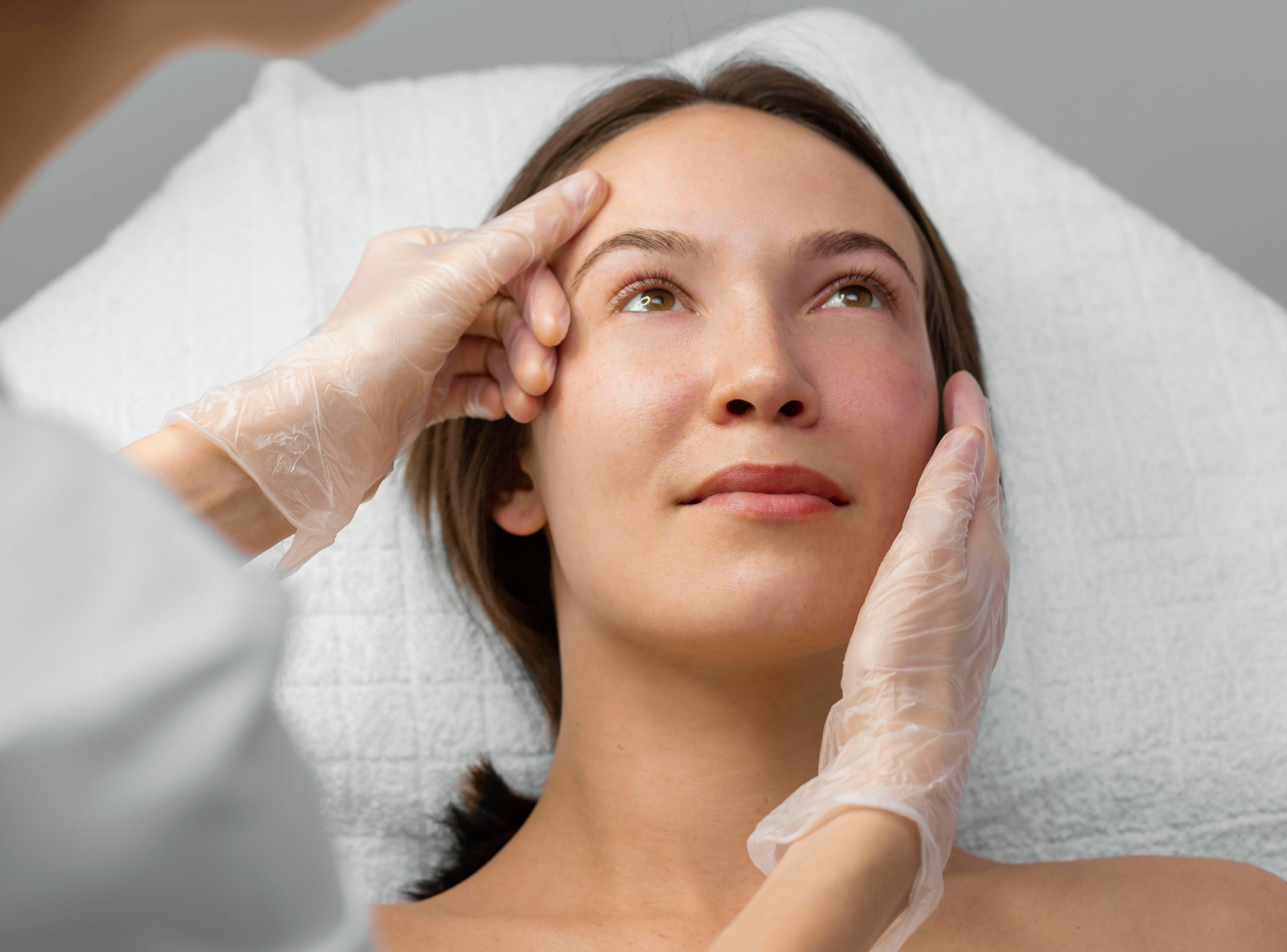
Facelift surgery can produce dramatic changes that can shave years off a face. Facelifts minimize the depth of wrinkles and creases, decrease sagging jowls, emphasize cheekbones, and can re-contour the jawline and neck.
Like any procedure, incisions are made during facelifts that might result in scars. Fortunately, plastic surgeons are proficient in concealing the incisions in discreet locations and minimizing the visibility of scars. Patients can also help lessen the likelihood of serious scarring by following all of the post-surgical advice given by their surgeon.
Facelift In Dubai
Facelift in Dubai is a cosmetic surgical procedure designed to reduce visible signs of aging by tightening and repositioning facial tissues, improving sagging skin, and restoring definition to the lower face and jawline. The procedure may address jowls, loose skin, deep facial folds, and age-related changes around the cheeks and neck. Depending on the patient’s anatomy and concerns, different facelift techniques may be considered to achieve balanced and natural-looking rejuvenation. Treatment planning typically includes an evaluation of skin quality, facial structure, tissue laxity, medical history, and aesthetic goals.
Scars Removal In Dubai
Scars Removal in Dubai is designed to improve the appearance of noticeable, widened, raised, depressed, or poorly healed scars. During surgery, the existing scar tissue may be carefully removed, and the skin edges repositioned and closed using precise techniques intended to create a finer and less visible scar. In some cases, advanced methods such as Z-plasty, W-plasty, tissue rearrangement, or layered closure may be used depending on the scar’s location, size, direction, and surrounding skin tension. Surgical scar removal may be considered for scars caused by previous operations, injuries, burns, or trauma. Recovery can involve temporary swelling, redness, tenderness, and activity restrictions. Although surgery cannot completely erase a scar, careful scar revision can significantly improve its shape, texture, alignment, and overall visibility over time.
Types of Facelift Incisions
As with any surgical operation, a facelift might result in a scar around the incisions created during the surgery. So, one of the main elements that can influence the visibility of scarring post-surgery is the placement of these incisions. This is why it is very vital to choose a board-certified plastic surgeon who has experience with a variety of facelift surgery techniques. Any scar that results can be hidden by experienced surgeons by making incisions in regions that are difficult to see.
The size and placement of the incisions for a facelift surgery will depend on the type of facelift. Here’s a glance at where incisions are made for some of today’s most popular facelift techniques:
Mini Facelift: In a mini facelift, the surgeon would often make smaller, shorter incisions along the hairline above each ear or in the natural creases around the ears.
Mid Facelift: The mid-facelift, or cheek lift, entails incisions made in the hairline above the ears and inside the lips.
S-Shaped Facelift: This facelift is called after the shape of the incision. The incision starts in the temple area of the hairline and continues in front and behind the ear. Mini facelifts may also involve S-shaped incisions.
Traditional Facelift: Traditional facelifts involve several incision sites. They sit just behind the hairline in the temples and around the front of the ear, nestled in the natural creases of the ear structure. The incisions extend along the crease behind the ear and bend posteriorly into the hairline.
SMAS Facelift: The SMAS facelift is aimed at the lower two-thirds of the face. The incisions are in the hairline around the temples and around the ear to the hairline behind the ear. This sort of facelift description is often used interchangeably with the standard facelift. The SMAS is the superficial muscle layer of the face that contains many of the muscles of facial expression. The SMAS is tightened by sutures on its surface. Tightening this layer helps to diminish jowls and marionette lines.
Deep plane facelift: Incisions for deep plane facelifts are comparable to those for SMAS facelifts. With this approach, the plane of dissection is below the SMAS. That tension is placed mainly on this muscle layer and can have less tension on the skin closure. These sorts of facelifts tend to have greater swelling but less bruising than more superficial dissection.
BOOK AN APPOINTMENT TODAY
Facelift Scarring Variables
Natural Healing: Genetics and general health are the most important factors in healing. The skin of the face generally heals well because of the good blood supply to that area.
Placement of Scars: Expert surgeons will place the incisions within the natural creases of the body around the ears, beneath the chin, or at the back of the hairline. Scars behind the hairline should take into account all hair types and hairstyles.
Scar Shape: Straight line cuts are more obvious to the human eye because they don’t look natural. The best surgeons take their time to ensure the incisions are along your natural curves.
Length of Scars: Location counts more than length. Longer cuts can heal better than shorter ones. Smaller isn’t always better.
Sutures: Ultra-tiny stitches reduce scarring. The type of suture used, the size of the needle, and the arrangement of the stitches individually make a difference in how scars heal.
Technique: The best facelifts create tension by gently tugging the underlying muscular layer of the face, not the skin. When the skin is not stretched, there’s no pushing or tension on sutures, and they heal more invisibly.
How Patients Can Minimize Their Scarring
If you follow post-operative instructions attentively and take care of your incisions properly, they will heal completely. Here are some tips to help lessen the look of scars:
- Take plenty of rest as you heal. Keep facial movement to a minimum and avoid excessive physical exertion.
- Eat healthful foods and drink plenty of water. A healthy body has the energy and nutrition to produce new skin cells and to grow new connective tissue.
- If you do smoke, stop. Do not smoke for the two weeks before your surgery and up to eight weeks following. Smoking reduces your immune system and can slow down the healing process.
- Keep your cuts clean. Follow your doctor’s instructions for wound care. Scarring and infection are prevented. Change dressings and clean wounds as directed.
- When your incisions are healing, avoid scratching. Don’t pick at your scabs and wounds. Let them heal in their own time.
- Keep your incisions wet and cover them from the sun with clothing or sunscreen as they heal.
How Scars Change Over the First Year
Scars do not improve in a linear fashion, and understanding the pattern can alleviate a significant amount of unwarranted anxiety.
Weeks one and two. Sutures and surgical glue are employed to seal incisions. The incision lines are evident, and the appearance is characterized by redness, swelling, and bruises. The edema is most pronounced on days three and four. This is indicative of the repair process in action, as it demonstrates an increase in immune activity and vascular flow. Around the fifth to seventh day, sutures are typically removed. Crusting should be removed delicately in accordance with the instructions, as the presence of scabs can impede the healing process.
Weeks three to six. Fibroblasts arrive and commence the process of establishing collagen. Scars frequently exhibit their most severe appearance during this period, as the initial collagen produced is disorganized and temporary: red, firm, and occasionally irregular. Use a plain moisturizer or silicone gel in small circles for five to ten minutes, a couple of times daily, to gently massage the scar. The scar is typically cleared around weeks two to three.
Months two to six. The remodeling phase involves the replacement of early collagen with stronger, more organized fibers, and the regression of the blood vessels that supply the healing activity, which is the reason for the reduction in erythema. Scars typically achieve their maximum visibility around the third month before gradual improvement. Typically, the most significant changes occur between months four and twelve. Therefore, if yours remains prominent at twelve weeks, that is not the endpoint.
Six months and beyond. The color of scars changes from pink to pale as they soften. Collagen undergoes a process of reorganization that necessitates approximately twelve to eighteen months to achieve complete maturation. The majority of them develop into fine, flat lines that are situated within creases and hair-bearing areas, although the degree to which they are noticeable varies among individuals.
Scar Treatment Options
Prevention is the greatest way to minimize facelift scarring by choosing an experienced surgeon and following the post-operative instructions carefully as described above. But it is also helpful for prospective patients to know that there are a number of excellent scar treatment options available to correct any scarring that does occur.
Treatments that may minimize scarring include:
- Steroid Treatment: It is sometimes the first step in shrinking some types of scars prior to other means of treatment.
- Dermabrasion: This does not eliminate the scar completely but can make tough scars less noticeable by resurfacing the outer layers of skin.
- Laser resurfacing: It is yet another way that harsh, elevated scars can be minimized. The scar will stay but will be less noticeable.
- Surgical Removal: Surgical removal of scars is done by a fresh incision closed with finer sutures. There will be a scar, but a smaller and less noticeable scar than the original.
MEET THE EXPERT DOCTOR
Best Plastic Surgeon In Dubai For Facelift
Best Plastic Surgeon in Dubai for Facelift provides personalized surgical planning to help improve visible signs of facial aging, including sagging skin, jowls, deep facial folds, and reduced jawline definition. Dr. Perfect Celebrity carefully evaluates facial anatomy, skin elasticity, tissue laxity, and individual aesthetic goals before recommending the most appropriate facelift technique. At Perfect Doctors Clinic, the procedure may be customized to address the cheeks, lower face, jawline, and neck while maintaining balanced facial proportions and natural expression. Patients receive detailed information about anesthesia, incision placement, expected recovery, scar care, possible risks, and long-term results. The treatment approach focuses on achieving a refreshed and rejuvenated appearance without creating an overly tight or unnatural look. A detailed consultation also allows patients to discuss concerns, recovery expectations, and whether complementary procedures may help enhance overall facial rejuvenation results.