





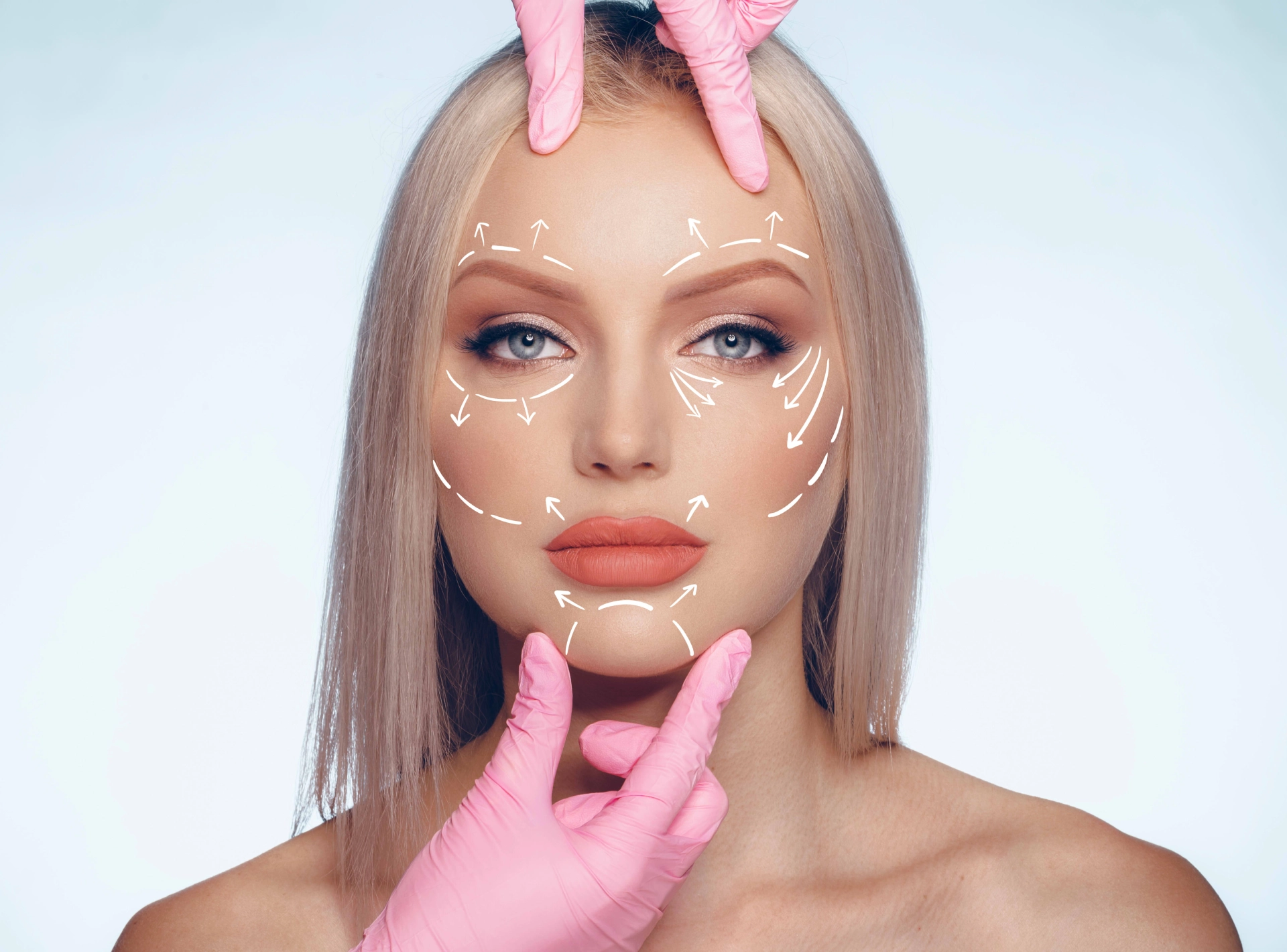
Proper recovery and aftercare are essential for supporting comfortable healing and achieving the desired results after a Facelift. Following post-surgical instructions, getting adequate rest, and attending scheduled follow-up appointments can help promote smoother recovery. Understanding the recovery process allows patients to prepare properly and protect their long-term facial rejuvenation results.
Facelift In Dubai
A facelift in Dubai is a cosmetic surgical procedure designed to improve visible signs of aging in the face and jawline. It can address concerns such as sagging skin, deep facial folds, jowls, and reduced facial definition. The procedure may involve repositioning underlying tissues, tightening facial structures, and removing excess skin to create smoother and firmer contours. A Facelift is personalized according to the patient’s facial anatomy, skin condition, aging concerns, and aesthetic goals. With careful surgical planning, precise techniques, and proper aftercare, patients can achieve a refreshed, balanced, youthful, and natural-looking appearance while maintaining their unique facial features and expressions.
What Is a Facelift?
A Facelift, or Rhytidectomy, is a surgical operation that removes excess loose skin and improves the appearance of lines and wrinkles. This leads to a more youthful appearance with a more pronounced jawline.
Popular Facelift procedures are:
- Traditional Facelift
- Deep Plane Facelift
- Mini Facelift
- Micro Facelift
Different Facelift procedures address different issues and parts of the face. The lower and mid face are generally the most routinely treated areas. Facelift operations can be combined with other procedures to treat other regions, such as Blepharoplasty or Brow Lift, to further improve the final result.
Knowing how much Face lift recovery time you will require and what aftercare you will need is vital so you can completely prepare yourself before your treatment. Your surgeon will discuss Facelift recovery time and things you should avoid or adjust during your aftercare at your appointment.
What Will Happen Straight After My Facelift?
Once your Facelift is complete in our specialist operating theatres in Dubai, you will be transported to our recovery unit to begin your Rhytidectomy recuperation. Our nursing team will monitor your heart rate, blood pressure, and temperature in the recovery ward as you wake up from your anaesthetic. Your anaesthetist will also come in and check on you.
You will be taken to our ambulatory ward when you are completely awake and comfortable. Here, patients normally spend two to three hours eating and drinking and doing their initial recuperation. When you are ready, you will inform your chaperone so you can be discharged. Our nurses will continue to monitor your vital signs. You will go home with aftercare instructions that include any medicine you require for your Facelift recovery.
Once you have left the clinic, during your Facelift recovery time, you will be able to call our nursing team 24/7 on their recovery and aftercare phone line should you have any queries or concerns.
BOOK AN APPOINTMENT TODAY
Facelift Recovery Timeline
Facelift recovery varies from 5-11 weeks depending on the Facelift procedure employed. Your Facelift recovery time can vary depending on your concerns and desired results.
You should anticipate attaining various recovery milestones. Your consultant will have discussed your individual Facelift recovery time and what to expect.
Two To Three Days After Your Facelift
You will have some discomfort from the swelling and bruising in the first few days after your Facelift. Your face may feel very tight. Some people experience itching near their wounds.
You should be able to get around comfortably, but it is crucial to rest to help your healing and avoid any issues occurring.
One Week After Facelift
One week after your Rhytidectomy procedure, you will return to the clinic for your first follow-up session with our trained nurses. They will take out your stitches, check on you, and re-dress your wounds. They will also tell you how to care for your incisions in the future and answer any questions you may have.
You will still have some bruising and swelling, and you may still feel some discomfort, but this should be diminishing now.
Two Weeks After Your Facelift
Your swelling and bruising will start to subside after two weeks of Facelift recovery. Remember, the amount of bruising and swelling you suffer will depend on how many layers of skin and muscle the surgeon has moved during your treatment.
If you’ve had a Micro (or One Stitch) Facelift, you likely have very little swelling or bruising by now.
At this stage, you should be able to return to work; however, some patients prefer to work from home until their bruising and swelling have eased down a little.
One Month After Your Facelift
Your bruising should be healed now; however, there may be some edema around your incisions. Your wounds will be healed, and your face should not feel tight. There may be some minor scarring hidden in your hairline or around your ears, which will fade with time.
One month into Mini Facelift recovery, you can expect swelling and bruising to have resolved.
Six Weeks After Your Facelift
Your surgeon will follow you back in the clinic after 6 weeks to discuss your results and recovery. If your recuperation is satisfactory, you will be discharged and allowed to resume activities like gentle exercise.
Your consultant will guide you through any actions you need to take during your Facelift recovery, including scar care. This will depend on the Facelift technique employed by your surgeon. Mini & Micro Facelift scars are generally hidden around the ears, for example.
Three Months After Your Facelift
After three months, your swelling will have gone, and you will be enjoying the advantages of your Facelift. You can get back to your regular activities without any tightness or discomfort.
You will need to continue whatever scar care steps your surgeon has recommended.
Six Months After Your Facelift
After six months, your scarring will be less obvious, and you may feel more comfortable keeping your hair tied up. You will be totally recovered after your Facelift treatment.
If you have any questions following this, you can contact the Clinic at any stage for help and assistance.
Mini Facelift Recovery
Mini Facelift is a popular choice for patients who desire a more defined, tighter look to their lower face, chin, and jawline but prefer a procedure that is slightly less invasive than a regular Facelift.
Mini Facelift recovery time is frequently shorter since fewer layers of skin and muscle are disturbed than with certain other Facelift procedures. Most individuals who have had a Mini Facelift will find they have healed totally within four to six weeks.
Mini Facelift Day by Day Recovery
The Mini Facelift recovery process is fairly similar to the Facelift recovery timetable that we have provided above, with some important differences:
- The recovery period for a Mini Facelift will generally be quicker, and you can expect the bruising and swelling to have gone down in two to three weeks
- The incisions for a mini facelift are located almost exclusively around the ears. This means they will be simpler to hide just after the treatment, and will fade faster
The Mini Facelift is less intrusive, and some individuals discover they need to have a follow-up operation about ten years after their first procedure. It’s vital to note that this could mean a second Mini Facelift recuperation period. However, Traditional Facelift recovery can be more rigorous and longer.
Micro Facelift Recovery
The Micro Facelift, often called the One Stitch Facelift, is the least invasive Facelift procedure. It has the shortest recovery duration as compared to the Mini Facelift recovery time and the Deep Plane Facelift recovery time. Micro Facelift is intended for the mid part of the face and is a favourite with younger patients, usually in their 31s or early 41s.
Micro Facelift Recovery Timeline
Traditional facelift recovery is 7-11 weeks, Mini Facelift recovery duration is four to six weeks, and Micro Facelift recovery is usually about four weeks. Again, the general time frame is identical to standard Facelift recovery and Mini Facelift recovery, but there are certain differences that are vital to understand:
- Micro Facelift is a less invasive procedure, and the swelling and bruising that follows is usually significantly less and should have reduced within 10-14 days
- One of the reasons the Micro Facelift is such a popular operation, the incisions are hidden behind the ears. It also means the treatment for the scar is less intensive
Like a Mini Facelift, it is crucial to realize that the permanence of a Micro Facelift may be diminished. If you want to minimize your number of transplants, then try to find non-surgical ways to solve the problems you want to solve until the time when you are ready for a more invasive surgery, which is normally in your 51s or 61s.
Do’s and Don’ts After Facelift
During your Facelift recuperation time, your surgeon will give you a few aftercare tips to follow. These recommendations are crucial to minimize difficulties and get your ideal Facelift outcomes.
What You Should Do During Rhytidectomy Recovery
Rest: Rest is essential, particularly during the first seven to ten days post-op, to help with healing and avoid any complications.
Adjust your sleeping position: Your surgeon will ask you to sleep on your back and in a slightly upright position for at least three weeks after your Facelift. This will help to prevent pressure being put on your incisions, and sleeping a little bit upright can help to reduce edema.
Eat a balanced diet: A nutrition- and protein-dense diet can help to speed up the recovery and repair of your Facelift.
Stay hydrated: Drinking lots of water will assist to minimize water retention and edema around your incisions.
What You Shouldn’t Do During Rhytidectomy Recovery
Strenuous exercise: Your surgeon will instruct you to refrain from severe exercise for a minimum of four weeks following your Facelift. This will help to prevent any pressure being put on your incisions.
Bending over: During your Facelift recovery time, it is crucial to keep your head elevated as much as possible. This will reduce swelling and assist keep the skin and muscles that have been moved in their new place.
Eating too much salt: Eating too much sodium might cause you to retain water and swell up. You will heal faster if you lower your intake of salt
Is Facelift Recovery Painful?
The amount of discomfort you feel after a Facelift will depend on how extensive your treatment was. The further your surgeon has gone into the tissue, the more discomfort you may have. Recovery for a Deep Plane Facelift is typically lengthier than for a Mini Facelift.
That said, most patients don’t experience Facelift recovery as uncomfortable. It is common to have some tightness and itching around the regions operated on. Your medical team will ensure that you receive the pain medicine you need following surgery so you can be comfortable. You will be able to speak with our professional nurses all day for support and assistance if you have any questions or are facing unexpected pain.
Downtime For Desk Jobs After Facelift
Downtime for desk jobs after Facelift surgery depends on the extent of the procedure and the patient’s individual healing process. Many patients can gradually return to light professional activities after the initial recovery period. Perfect Doctors Clinic provides personalized aftercare guidance to support comfortable healing and help patients safely resume their normal routines. Following recovery instructions, avoiding unnecessary physical strain, and attending scheduled follow-up appointments can contribute to smoother healing. With professional care and careful recovery planning, patients can confidently return to desk-based work while protecting their surgical results and achieving natural-looking, long-lasting facial rejuvenation outcomes.
MEET THE EXPERT DOCTOR
Facelift Recovery Tips For Better And Faster Results
Facelift recovery requires proper care, patience, and careful adherence to post-surgical instructions to support better and faster results. Perfect Doctors Clinic provides personalized recovery guidance based on each patient’s procedure, healing progress, and individual needs. Getting adequate rest, keeping the head elevated, avoiding strenuous activities, caring for incisions properly, and attending follow-up appointments can promote smoother healing. Maintaining healthy lifestyle habits and protecting the treated areas from unnecessary pressure are also important. With comprehensive aftercare and professional support, patients can minimize discomfort, protect their surgical results, and achieve smoother, refreshed, and naturally rejuvenated facial contours.
What Facelift Recovery Support Does Perfect Doctors Clinic Provide?
Facelift recovery assistance, Perfect Doctors Clinic offers full support during your Facelift recovery to help guide you after your operation – all included in your Facelift package.
Our experienced Facelift surgeons provide the greatest level of care and achieve outstanding results for each and every patient.
Along with a 24/7 nursing phone line, you will have a number of follow-up appointments with your surgeon and our nurses to support you through your Rhytidectomy recovery.
If you are interested in Facelift surgery at Perfect Doctors Clinic, call our professional surgical advisers, who will arrange a consultation with one of our Facelift consultants to suit your needs.
Best Plastic Surgeon In Dubai For Facelift
Best Plastic Surgeon in Dubai for Facelift offers advanced surgical solutions designed to improve visible signs of facial aging and restore smoother, firmer, and more youthful contours. Dr. Perfect Celebrity provides personalized Facelift treatment plans based on each patient’s facial anatomy, skin condition, aging concerns, and aesthetic goals. The procedure can address sagging skin, deep facial folds, jowls, and reduced jawline definition. At Perfect Doctors Clinic, careful surgical planning, precise techniques, and comprehensive aftercare are provided throughout the treatment journey. Patients can achieve balanced, natural-looking, and long-lasting facial rejuvenation results while maintaining their unique facial features and expressions.