





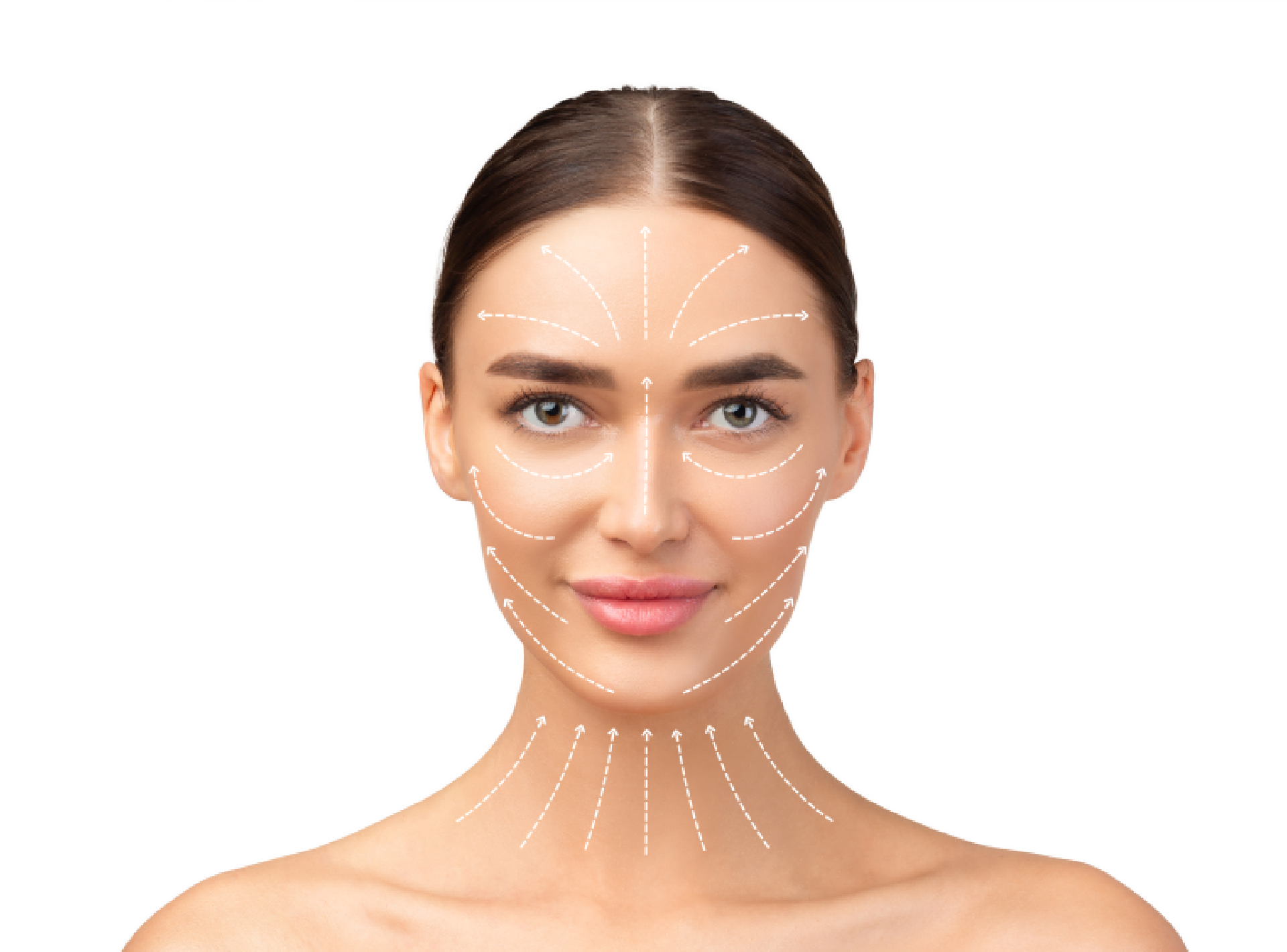
How healing appears from day one to month three
When people think about getting a facelift, they usually have the most questions about the recovery period. This isn’t because it’s “scary,” but because it’s personal. Everyone wants to know how long the swelling will last. When am I able to go back to work? When will I look like me again?
At Perfect Doctors Clinic, we want to make sure you feel informed, ready, and supported from your first consultation to your last follow-up. This guide shows you what to expect each week after a facelift, so you can plan with more confidence.
Facelift In Dubai
Facelift in Dubai is a popular cosmetic procedure that tightens sagging skin, smoothes wrinkles, and restores facial contours. This procedure, performed by experienced surgeons using advanced techniques, produces natural-looking, long-lasting results while adhering to modern medical standards and providing personalized care.
Healing Isn’t Linear, But It Is Predictable
After a facelift, most people anticipate bruising, swelling, and a few uncomfortable days. The timeline is more difficult to predict. What to anticipate at each stage, how long you’ll feel strange, and when you’ll look normal again.
Recovery from a facelift is both mental and physical. When you feel like yourself in the mirror is more important than simply knowing when you can leave the house. From the initial post-operative care to the point at which minor swelling gives way to long-lasting results, this week-by-week guide describes what the majority of facelift patients go through.
The First 72 Hours: Ground Zero For Healing
The quietest (and most intense) stage of recovery is this one. You’ll feel swollen and sleepy when you wake up, and your face will feel like it belongs to someone else for the time being. That is typical.
Your head and jaw will probably be covered in bandages or a compression wrap. To avoid fluid accumulation, some surgeons insert tiny drains behind the ears. You won’t spend much time in front of the mirror, in part because you’re too exhausted and in part because you’re not prepared. That’s also acceptable.
The tight, achy feeling around the cheeks, jawline, and neck is real, but pain is usually tolerable. The majority of patients characterize it more as pressure or stiffness than as acute pain. You may feel as though your head is heavy. You’ll move slowly. You will need assistance with daily necessities, medication, and meals from a friend, family member, or partner.
Tips For This Phase:
- Use wedge pillows or a recliner to sleep upright at an angle of 45 to 60 degrees.
- Keep prepared soft foods and cold compresses on hand.
- Don’t wait for discomfort to increase; take your medications as prescribed.
Independence is not appropriate at this time. Now is the time to relax, do as you are told, and allow your body to start the arduous process of healing.
Days 4–7: Swelling Peaks, Mind Starts To Clear
The physical swelling peaks on day four, but the mental haze starts to clear up. It’s not attractive, but that’s to be expected. Your face may appear “too full,” as if your features have swollen or blurred. That is the fluid’s function. Inflammation is the first step toward healing. It’s not failure; it’s biology.
The color of bruises changes from purple to green to yellow, following a predictable rainbow. The skin beneath the chin and around the ears may feel strangely tight, prickly, or numb. These are not problems, but rather indicators of tissue remodeling and nerve regeneration.
For your first post-operative visit, you’ll probably return to your surgeon’s office. It is possible to remove drains. Sutures can be examined or removed in part. Your healthcare provider will give you the all-clear, or at the very least, the warning sign, to proceed.
Small Comforts Make A Difference Here:
- If authorized, arnica or bromelain can aid in the healing of bruises.
- When swelling feels severe, gentle ice packs can help, but don’t put them directly on your skin.
- Easy slip-on tops, blankets, and hoodies are examples of soft textures that help make everyday life a little easier.
This is a weird emotional state where you’re more aware but still unable to control yourself. Your face hasn’t recovered from the worst.
Week 2: Functional But Fragile
You have mobility. You are able to brew your own coffee. You are able to check your email. But it’s unlikely that you’re going out to supper just yet.
The swelling starts to go down and get softer by week two. Particularly near the eyes or neck, bruises lighten to a haze. You’re not quite far enough to look like yourself, but you’re far enough out to feel like yourself.
Many patients are caught off guard during this “in-between” phase. You appear fine from a distance. However, your expressions may appear a little strange up close due to subtle swelling and shape changes.
Your surgeon may check the healing of your incisions and remove any remaining stitches. You might be permitted to resume mild exercise, such as quick walks, simple cooking, and simple computer use. With a little concealer, sunglasses, and a hat, most people can leave the house.
Mood Check:
You will likely feel conflicted. Feeling normal is a relief, but not looking normal is discouraging. That is also a component of the emotional healing process. Continue.
Week 3: Close… But Not Quite There
You’re now fully engaged in the world, or at the very least, you’re following the rules. Meetings virtually seem manageable. Stealth mode is not necessary for grocery store runs. Even if you still feel a little strange, friends may tell you that you “look good.”
Applying makeup is easier. Hairstyles are once again popular. It’s beginning to help if you’ve been growing facial hair to cover up cuts.
However, healing is still going on beneath the surface. The lower face retains some puffiness. Particularly after a neck lift or if you had significant skin laxity, neck swelling lasts longer. Don’t freak out if you see asymmetries that weren’t there before. Your body is acclimating to new internal scar tissue and contours.
Important Reminders For Week 3:
- Steer clear of anything that causes your face to flush or throb, as well as high-impact activities.
- To help with residual puffiness, drink plenty of water and consume little salt.
- Unless cleared, it’s still too early for exfoliation, massage, or facials.
For many, this is the most mentally taxing stage. You’re not fully recovered, but you’re no longer healing. It’s simple to become impatient. That is typical. Though it’s not as obvious, progress is still being made.
Week 4: The Shift Starts To Show
Most patients begin to feel more confident this week—not completely, but enough to try things out. You could schedule a date for lunch. Attend a laid-back gathering. Feel some relief when you look in the mirror.
The jawline begins to show. The cheeks appear less swollen. Makeup sits correctly. Though it no longer overpowers your features, swelling is still present, particularly in the evening. The face you’re seeing begins to look like the one you had imagined.
Even though the scars are settling, they may still be pink or elevated. They might be concealed by hair around the ears. They blend in with your skin’s natural texture around the hairline.
This Is The “Re-Socialization” Phase.
You are no longer hiding. You’re still protecting, though. Low lighting, camera angles, and sunglasses. At the moment, they are your allies.
Weeks 5–6: Settling Into Yourself Again
By now, the majority of patients have returned to their daily routines, which may include light exercise, social plans, and employment. You don’t have to think about your healing process all the time; you can move freely, sleep normally, and get through the day.
The last of the swelling starts to go away. Your facial expressions feel more natural again, but numbness may still be present under your chin or around your ears. Because subtle asymmetries are either disappearing or assimilating into your new baseline, you’ll most likely stop noticing them.
Your recuperation is nearly complete if you had a mini facelift, which is intended to have a shorter recovery period. The results are still changing if you had a full facelift, particularly a deep plane facelift or a lift with eyelid surgery.
What’s Helpful During This Phase:
- If permitted, a light facial massage can aid in lymphatic drainage.
- You may increase your energy and circulation by beginning yoga or light cardio.
- You can start using silicone gel, sunscreen, or low-level lasers to treat scars.
Your vitality has returned. Your social life is doing well, too. You’re not merely getting better. You’re flourishing once more.
Months 2–3: The “New Normal” Sets In
The results are in by now. You appear toned, lifted, and rejuvenated. The new position of the skin has been established. Your neck, cheeks, and jawline have more defined contours. You no longer have or hardly notice the puffiness that used to characterize your mornings.
Any residual numbness or firmness is slight. You won’t be startled if you touch your ears. You feel at ease in your own skin as well as in public.
Facelift Recovery To-Do List:
- Use sunscreen and water consistently.
- Incorporate long-term skincare products to promote elasticity and collagen.
- Inquire with your doctor about non-surgical skin tightening, lasers, or microneedling.
Until someone remarks, “You look amazing,” many patients start to forget they had surgery. That’s the objective.
Beyond Month 3: Final Refinements + Long-Term Maintenance
Facelift healing can last up to a year, even if you appear to be healed. Internal sutures dissolve, muscle tone rebalances, and scar tissue softens.
In places like the mouth, neck, or under the chin, some patients observe ongoing refinement. Some choose eyelid maintenance, skin resurfacing, a small amount of filler, or non-surgical touch-ups.
Key Facelift Reminders At This Stage:
- Check in with your surgeon once a year or every two years.
- Avoid skipping SPF because sun exposure can quickly reverse progress.
- Review your skincare routine to align with your new objectives. Skin after a facelift behaves differently than skin before the procedure.
You’re not simply “normal again.” You have successfully, quietly, and with longevity in mind.
BOOK AN APPOINTMENT TODAY
Factors That Influence Your Recovery Timeline
There is no one-size-fits-all approach to facelift recovery. After 11 weeks, some patients still see changes, while others return to work in ten days. Which timeline you’re on is frequently determined by these factors:
1. Type Of Facelift Procedure
Because the procedure is less invasive, recovery from a mini facelift typically feels quicker. There is less overall trauma to the facial structures, the incisions are shorter, and the tissue lifting is more superficial. Many people feel “photo-ready” in 15–20 days as a result, especially if they wear makeup or have facial hair.
There is a longer healing curve following a full facelift or deep plane facelift. More swelling and a longer duration of internal remodeling result from these techniques’ repositioning of deeper layers of muscle and tissue. Even though you might feel better after two weeks, it usually takes four to seven weeks to see results, and they may take months to fully manifest. Expect a longer (but frequently more transformative) recovery window if your procedure was combined with a neck lift or addressed significant skin laxity.
2. Other Procedures Done Simultaneously
The healing process can be prolonged by stacking procedures such as CO2 laser resurfacing, brow lift, eyelid surgery, or fat grafting. Bundling procedures can often speed up recovery by avoiding multiple downtime periods, so it’s not necessarily a bad idea. However, your body simply has more to repair when multiple areas are treated simultaneously.
A person who only had a lower facelift, for instance, might return to their regular activities in two weeks. It may take up to four weeks for someone who underwent upper eyelid surgery in addition to a deep plane facelift to resume full social visibility. The amount of time it takes for your body to heal will be reflected in your timeline.
3. Your Age And Skin Quality
Although it’s not everything, age does matter. Younger patients frequently recover faster and with fewer complications if they have strong healing responses and good skin elasticity (i.e., non-smokers, low inflammation, and good circulation).
Conversely, patients who are older or have thinned, lax, or sun-damaged skin may experience more swelling, delayed scar maturation, or irregular healing patterns. Your timeline may also be slowed by underlying medical conditions like diabetes, autoimmune diseases, or poor circulation.
However, biological age is more significant than chronological age, so your level of activity, diet, and general health are more important than your birth year.
4. Your Surgeon’s Technique
Not every facelift procedure is the same. Advanced techniques that reduce tissue trauma and enhance recovery are more likely to be used by a board-certified facial plastic surgeon or a plastic surgeon with extensive training in facial anatomy.
This could indicate:
- Careful dissection to protect nerve pathways along the natural anatomical planes.
- Long-acting local anesthesia is used to lessen pain following surgery.
- Shorter incisions should be strategically placed to reduce scarring.
- Careful tissue handling to reduce the chance of hematomas and bruises.
The amount of swelling you experience and the speed at which your facial tissues “settle” into their final position are both influenced by the surgeon’s skill.
5. Post-Op Compliance
Your recovery path isn’t solely decided in the operating room. What you do when you get home shapes it. Patients who adhere to post-operative guidelines typically recover more quickly and have better long-term results.
This comprises:
- To reduce swelling, sleep with your head up for ten to fourteen days.
- Applying cold compresses in the early stages, if authorized.
- During the first few weeks, stay away from alcohol, salt, and strenuous activity.
- Preventing sun exposure and maintaining clean incisions.
- Taking antibiotics and anti-inflammatory drugs as prescribed.
Additionally, one of the most frequent causes of delayed healing is doing too much too soon. Overdoing it can interfere with the delicate remodeling process, even if you feel prepared.
What Patients Wish They Knew
Seldom is a facelift merely a before-and-after. It’s a private recalibration, a gradual reveal, and occasionally a head game. After the event, patients frequently share these unvarnished reflections with us:
“I Didn’t Realize I’d Be Numb For Months.”
After a facelift, sensory changes are very common, particularly around the jawline, lower cheeks, and ears. Depending on the surgical technique, the depth of the tissue, and the recovery of each individual nerve, numbness may last anywhere from a few weeks to several months. Brushing your hair or putting on earrings can feel like someone else’s face, but it’s not harmful.
As nerves begin to regenerate, some patients report experiencing “zings” or tingling sensations. Some fear that the numbness indicates a problem. Usually, it’s just a step in the process. Sensation usually returns unevenly and slowly.
“I Looked Weird Before I Looked Good.”
This applies to everyone. Swelling distorts symmetry, balance, and shape in addition to making your face appear puffy. Patients frequently say that they look “off,” “puffy but tight,” or “like someone else” during the first two to four weeks. Exaggerated features may appear, cheeks may appear overly full, or smile lines may completely vanish and then gradually reappear.
There is a genuine psychological impact. Living in the interim can be confusing, even if you know it’s only temporary. The mirror doesn’t always cooperate, lighting tricks, and FaceTime is deceptive.
“I Wish I Had Waited A Full 3 Months Before Judging The Results.”
This one keeps coming up. By week two or three, many patients begin to criticize their outcomes, and things rarely work out. In the early stage, puffiness, asymmetry, tightness, and scar visibility are all exaggerated. It’s your face in recovery, not your new one.
The actual change usually occurs between weeks six and twelve. At that point, facial movement feels more natural, contours stabilize, and swelling goes down. By the third month, the majority of patients report feeling more lifted, rested, and in harmony, but still like themselves.
“I Didn’t Expect The Emotional Dip.”
Frequently, the emotional rollercoaster is more intense than the physical one. Many patients feel frustrated, impatient, or even regretful around week two or three, when the novelty has worn off but the healing hasn’t been completed. It’s not because of a problem. Simply put, progress seems to be taking longer than anticipated.
This goes by in a few days for some people. For others, it persists until the swelling eventually subsides and they are able to “see” their outcomes. You can weather this dip by understanding that it’s normal and transient.
“No One Tells You How Tight Your Neck Will Feel.”
Tension and tightness under the chin or along the platysma bands are common, especially in patients who have had a deep plane facelift or neck lift. It feels more like a tug than a pain, similar to wearing a turtleneck that is too small.
As the tissue settles and softens over time, this tightness gets better. Gentle neck mobility exercises and massage, if authorized by your surgeon, can be beneficial. However, it’s one of those peculiarities that can surprise patients after surgery.
“I Needed More Help Than I Thought—Logistically And Emotionally.”
Recovery from a facelift is hard. A friend who isn’t afraid of bruises is ideal, but you’ll also need transportation, assistance with food and medicine, and someone to watch the kids or pets. Having someone emotionally stable, however, helps maintain perspective during the strange middle stage, regardless of the practical considerations.
Patients, particularly those who are accustomed to independence, frequently feel vulnerable. Incorporating real support—rather than merely a brief check-in—can facilitate and lessen the isolation of recovery.
“The Scars Are In Smart Places—But They Still Matter.”
Scars from a modern facelift are usually placed under the chin, in hairlines, and around the ears. However, they are still scars and need to be treated with patience, scar cream, and sun protection.
In the beginning, they might appear red, elevated, or crooked. Most eventually become almost invisible, especially when handled correctly. In the future, some patients seek steroid injections, laser resurfacing, or microneedling if necessary.
MEET THE EXPERT DOCTOR
Best Plastic Surgeon In Dubai For Facelift
Best Plastic Surgeon In Dubai for facelift is available at the Perfect Doctors Clinic, which provides advanced cosmetic surgery procedures. Dr. Perfect Celebrity is well-known for his expertise in facial rejuvenation, achieving natural, youthful results through personalized facelift techniques. Perfect Doctors Clinic prioritizes safety, precision, and patient satisfaction to provide high-quality care and long-lasting aesthetic results.
Final Thoughts
Recovery is just as important as the decision to have facelift surgery. Long-term trust, structure, and time are all necessary for the healing process. Not all results appear at once. They come in stages, gradually becoming sharper and softer. The secret is to be patient and work with a Philadelphia plastic surgeon you can trust, regardless of whether you choose a mini lift or a full facelift.
Track your progress in the interim, adhere to your surgeon’s instructions, and be aware that minor swelling or tightness frequently indicates that your tissues are still adjusting to their new shape. Make an appointment with Dr. Perfect Celebrity to customize your facelift plan once you’re prepared to create your own healing schedule.