





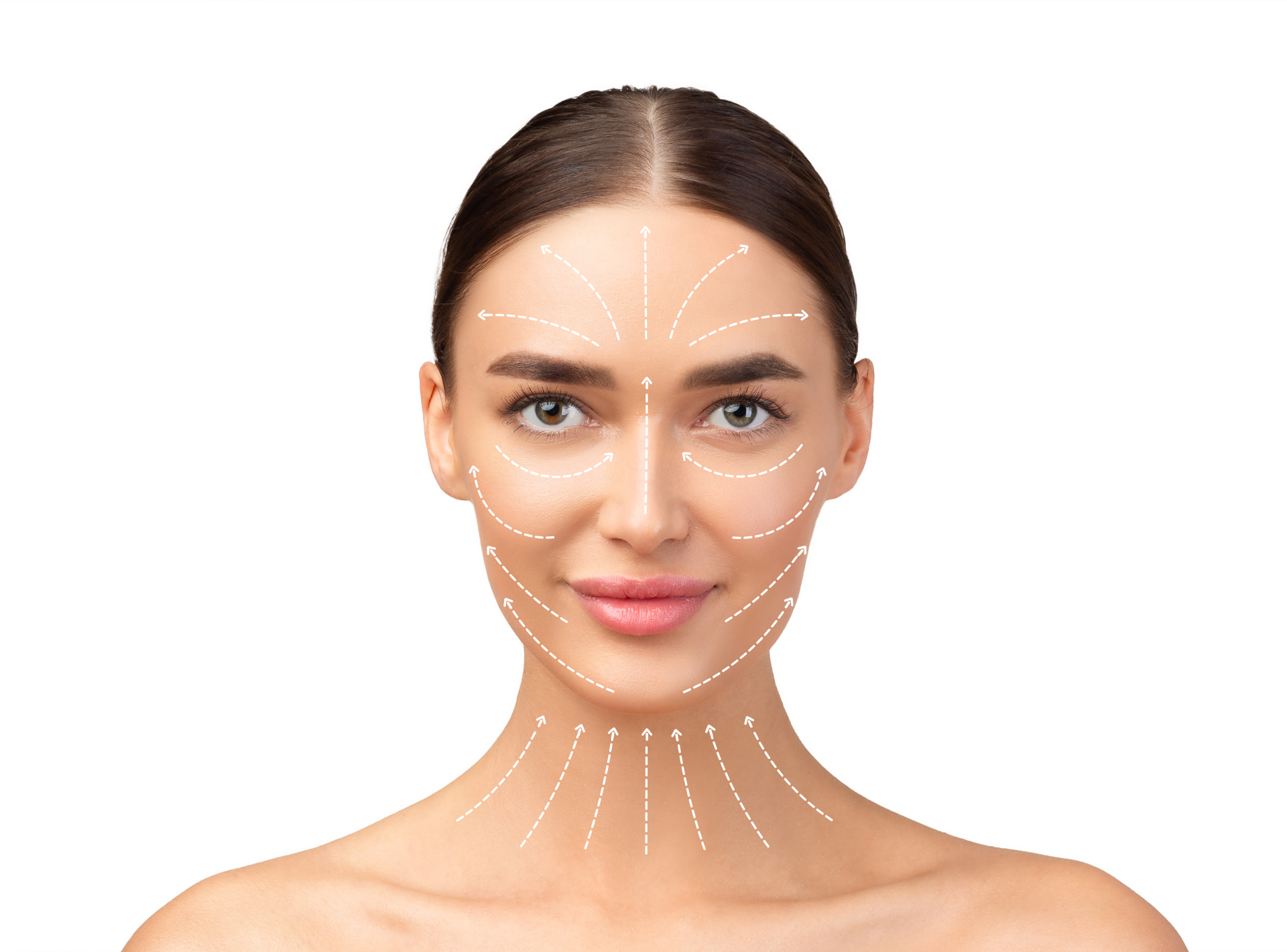
Before selecting a facial rejuvenation treatment, it is important to understand the risks and safety associated with facelifts. To make informed cosmetic decisions, patients should be informed about recovery, potential complications, aftercare guidance, and professional safety measures. While ensuring patient comfort, balanced facial harmony, and long-term aesthetic improvement through personalized surgical care, a facelift that is properly planned and executed by experienced specialists can provide a natural-looking enhancement.
Facelift In Dubai
Facelift in Dubai is a sophisticated cosmetic procedure that is intended to enhance facial contours, tighten loose skin, and give the appearance of a younger, smoother face. While preserving the natural expressions of the face, the treatment is designed to diminish the visible signs of aging in the cheeks, jawline, and neck. This procedure is frequently selected by patients to achieve long-lasting rejuvenation through personalized surgical planning and attentive care. Recovery is generally feasible when you meticulously implement post-treatment instructions. Skilled specialists employ advanced techniques to ensure that the results are balanced, precise, and comfortable. Numerous individuals greatly appreciate the rejuvenated appearance and rekindled self-assurance that the healing process brings. For patients seeking noticeable and graceful facial rejuvenation, a professionally performed facelift can maintain a naturally attractive overall appearance, softness, and elegance, while also enhancing facial harmony.
Is A Facelift Safe?
Overall, there aren’t many risks involved with facelift surgery, especially since most plastic surgeries nowadays don’t require general anesthesia. Naturally, not every risk can be eliminated. You must determine whether the advantages of a facelift outweigh the risks, just like with any cosmetic surgery procedure.
Your doctor will ask you to sign a “informed consent” form outlining all known risks and complications associated with facelifts before the procedure. We have “translated” this document into an understandable synopsis below with the assistance of our Perfect Doctors Clinic staff in Dubai.
Minimizing Facelift Risks
Before we discuss the particular risks associated with facelift surgery, keep in mind that serious side effects are uncommon, particularly if you are in good health and adhere to your plastic surgeon’s instructions.
The following are some steps you can take to reduce the risks associated with a facelift and guarantee a safe procedure:
- Choosing a Surgeon: Make sure the plastic surgeon you choose is board-certified and has the necessary experience with facial rejuvenation.
- Medical history: Respond to all inquiries regarding past and present medical conditions, cosmetic and non-cosmetic surgeries, surgical complications, smoking, and drug and alcohol use.
- Medications: List all of the vitamins, supplements, and prescription and over-the-counter drugs you currently take. Before the procedure, your plastic surgeon will ask you to stop taking certain medications at a predetermined interval. To guarantee a safe process, it is crucial to adhere to those instructions.
- Pre-Op Instructions: Follow your surgeon’s other pre-operative instructions carefully, including when to stop eating the day before the procedure.
- After-Care: Pay close attention to all postoperative instructions, such as wound care, wearing a compression garment, and starting exercise again. Make plans for assistance during your recuperation as well, particularly if you have young children. If you have any concerns or negative reactions that your post-operative instructions don’t mention, call the doctor right away.
- Follow-Up: Make sure your recuperation is proceeding according to plan by attending all of the follow-up appointments that the surgeon has scheduled.
Risks From A Facelift
The risks and possible safety issues associated with a facelift can be separated into three categories: Risks unique to the procedure, risks associated with any surgical procedure, and increased risk factors because of the patient’s past medical history.
We start by going over the risks unique to facelift surgery:
Hair Loss
Hair loss may occur in areas of the face where the skin was raised during surgery, specifically where incisions were made. Larger hairless patches and an uneven hairline may arise in more severe cases. For male patients, it may actually result in the complete loss of sideburns. Favoring particular hairstyles can help hide such a loss. Sadly, there is no guarantee that such an outcome will happen.
Hair loss following a facelift is not an issue for many patients. If it happens, a hair transplant that transfers follicles from a donor area to the afflicted area can treat it.
Nerve Injury
Any surgical procedure, including facelifts, can cause damage to motor and sensory nerves. Your facial expression may become uneven as a result of your surgery if you experience weakness or loss of facial movements.
In rare instances, these nerve injuries may be permanent, but they usually only result in a brief loss of facial movement and feeling that goes away in a few weeks or months
Skin Loss
Rarely, a facelift may cause skin loss by cutting off the blood supply to facial tissues. Medication and wound care can be used to treat scarring. A scar revision procedure can also be used to address it later.
Scarring
Unlike non-surgical facelifts, surgical facelifts do leave permanent scars. However, these are usually hidden by the hairline and the ear’s natural facial contours. Rarely, but occasionally, incisions can result in elevated, red scars. Treatments for scar revision are usually successful in reducing the visibility of scars.
General Risks Of Surgery
There are general risks associated with any surgery, even though the aforementioned risk factors are unique to facelift surgery:
Anesthesia Risks
Usually, IV sedation and local anesthesia are used during a facelift. General anesthesia is not necessary. Although complications from anesthesia during a facelift are uncommon, all anesthesia carries some risk. Other risk factors, like smoking or obesity (more on that below), may increase the risk of anesthesia.
Bruising & Swelling
Following any surgical procedure, you can expect some bruising and swelling. It might affect some patients more severely than others. It usually goes away after a week and can be minimized by using ibuprofen, elevation, and cold compresses. Chronic pain or persistent swelling is uncommon but can happen. Patients should get in touch with their doctor right away to have a hematoma, a collection of blood beneath the skin, treated surgically if it appears within 1 day of surgery.
Wearing the compression garment if prescribed and adhering to your surgeon’s post-operative instructions are the best ways to prevent swelling. After seven days, the majority of patients are able to reveal their faces in public. Please be aware that this result does not imply a lengthy recovery period following surgery. After your procedure, you can resume your regular activities within a day or two, but depending on your swelling and bruises, the so-called social recovery will take longer.
Other Surgical Risks
Infection, fluid buildup, poor wound healing, blood clots, deep vein thrombosis, heart problems, pulmonary thromboembolisms, pulmonary edema, and damage to deeper structures like nerves, blood vessels, muscles, lungs, and abdominal organs are some of the complications that can result from surgery.
Your signed consent document will inform you of these risks, but they are extremely uncommon and unrelated to facelifts.
BOOK AN APPOINTMENT TODAY
Increased Risk Factors
Being a low-risk patient from the start is the best way to guarantee a safe facelift procedure. You should be aware of the following elements that could raise your risk of surgery:
Smoking
If you smoke; use tobacco or nicotine products like patches, gum, or nasal spray, or, to a lesser degree, have been exposed to secondary smoke, you are more likely to experience serious surgical complications. Additional scarring, delayed healing, and skin dying are some of these complications. Additionally, smoking may make it more difficult for you to recover from anesthesia. Once more, general anesthesia is not necessary for a facelift, and there are very few risks associated with recovering from IV sedation. Smoking does, however, raise those risks.
It is simply best to abstain from smoking. However, quitting smoking at least six weeks prior to the procedure can improve your results if you smoke. In your signed consent form, you will be asked to honestly describe your smoking habit.
Blood-Thinning Medications Or Supplements
As stated in your pre-op instructions from the cosmetic surgeon, you must cease taking any blood-thinning drugs or supplements a specific amount of time prior to your procedure. Additionally, he or she might request a letter from your cardiologist approving the procedure.
Blood thinners impair the ability of your blood to clot, which hinders the healing of wounds. Additionally, they may raise the possibility of hematomas following surgery. This list of medications includes aspirin, ginseng, ginkgo, fish oil, nonsteroidal anti-inflammatory drugs (NSAIDs), blood thinners (Coumadin, Plavix, etc.), and more.
Medical Conditions
Patients cannot undergo a facelift or any other surgical procedure if they have a medical condition that prevents blood clotting. Other illnesses like high blood pressure or diabetes can raise the risk of poor wound healing or even heart problems.
Weight Loss Or Gain
Although gaining or losing weight is not a fundamental issue, you might not get the best results from your facelift if you have a history of significant weight swings. The shape of your face or the state of your skin could change if you experienced significant weight loss or gain following surgery.
Advantages Of Facelift You Should Know
For those who are experiencing visible facial aging, a facelift provides a variety of emotional and aesthetic advantages. The procedure has the potential to enhance skin firmness, refine facial definition, and soften deep creases without compromising natural expressions. The refreshed appearance is highly regarded by many patients due to its ability to establish a more youthful and healthy impression. When surgeons implement personalized treatment planning, the long-term results of facelift procedures can be elegant, balanced, and naturally appealing.
Why Facelift Is The Best Solution
A customized surgical approach is employed to address multiple signs of facial aging through a facelift, which is regarded as an effective solution. The procedure is designed to address sagging skin, weakened contours, and facial laxity while preserving the balance of facial features. A facelift treatment offers comprehensive rejuvenation and long-lasting refinement in contrast to temporary cosmetic options. A significant number of individuals favor this procedure because it produces tailored results that look natural.
How Facelift Restores Confidence And Appearance
By revitalizing the facial appearance and restoring smoother contours, a facelift can significantly enhance personal confidence. Achieving refreshed features frequently results in individuals feeling more at ease during professional interactions, social gatherings, and personal experiences. The process preserves the individuality and natural charm of the individual while improving the overall appearance. The elegant and youthful appearance of the results is a feature that many patients appreciate, as it fosters a renewed sense of self-assurance.
We hope you now have a better understanding of the dangers and safety of facelifts. If you have any additional questions, don’t be afraid to get in touch with us.
MEET THE EXPERT DOCTOR
Best Plastic Surgeon In Dubai For Facelift
Best Plastic Surgeon in Dubai for facelift is available at Perfect Doctors Clinic, where Dr. Perfect Celebrity provides personalized care focused on safety, precision, and natural-looking enhancement. The initial step in any facelift procedure is a comprehensive consultation to ascertain the desired outcomes, aesthetic concerns, and facial structure. The treatment approach is meticulously designed to achieve a harmonious rejuvenation while preserving the natural expressions and harmony of the face. Throughout the entire process, patients appreciate the professional environment, attentive guidance, and commitment to comfort. To enhance skin firmness, redefine facial contours, and diminish visible signs of aging with refined results, advanced surgical methods are implemented. Recovery support and aftercare instructions are meticulously provided to facilitate a more seamless healing process and to preserve enduring improvements. Perfect Doctors Clinic is the preferred choice of numerous individuals due to its reputation for providing high-quality care, achieving elegant aesthetic results, and prioritizing patient care. Dr. Perfect Celebrity is committed to providing clients with rejuvenated looks that augment their confidence, sophistication, and naturally youthful appearance. The clinic places a high value on professional standards, discreet patient support, and individualized treatment planning to ensure that patients feel at ease, informed, and confident throughout their entire facelift journey, from consultation to completion.