





All surgical procedures have limitations in terms of achievable outcome, so it’s important that your expectations match what is possible through surgery. The decision to proceed with surgery is always (or should always be) made after careful consideration of the risk-benefit balance for the procedure. Although most patients do not experience problems, it’s important that you fully understand all the potential risks and complications of facelift surgery, and it’s important that you take the time to read over them again prior to your next consultation. Every surgical procedure has a limit on the results that can be obtained, so it’s critical that your expectations align with what surgery can accomplish. The decision to proceed with surgery is always (or should always be) made after carefully weighing the procedure’s risks and benefits. Even though most patients have no issues, it’s crucial to fully comprehend all the possible risks and complications associated with facelift surgery. Before your next consultation, it is crucial that you take the time to review them.
Facelift In Dubai
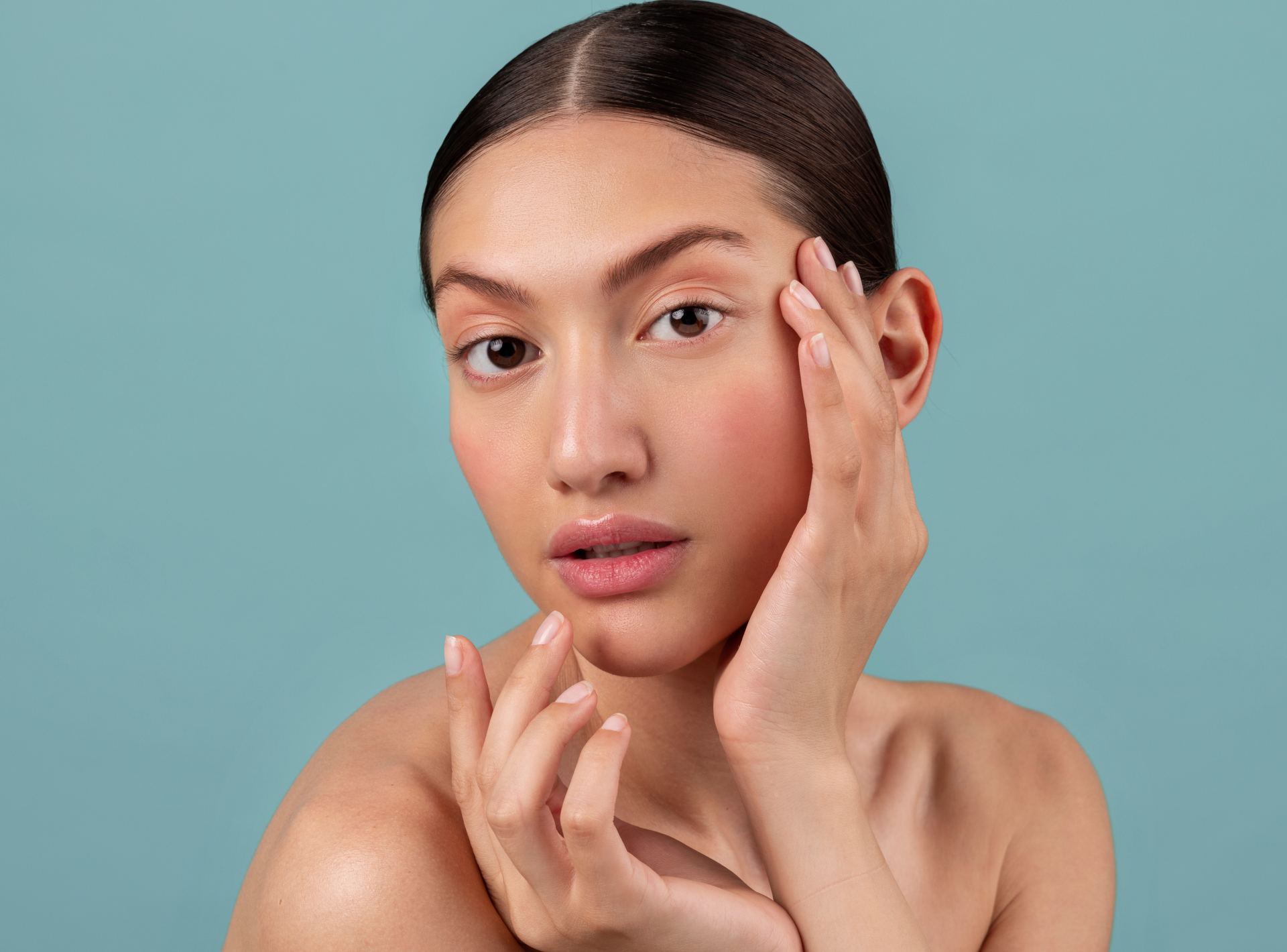
Facelift in Dubai is a popular cosmetic surgery preferred by people who want a more youthful and firmer facial look. The treatment is designed to enhance facial contours, reduce visible sagging, and restore smoother skin by employing sophisticated surgical techniques. Before surgery, it is crucial to undergo professional consultations to assess the suitability of treatment, facial structure, and skin condition. Facelift surgery, like all cosmetic procedures, may cause temporary swelling, bruising, sensitivity, or recovery-related discomfort if you do not follow the appropriate aftercare. Selecting experienced specialists and maintaining realistic expectations can improve satisfaction and make outcomes safer. Patients are able to achieve refined and natural-looking facial rejuvenation results through personalized care, professional supervision, and appropriate healing guidance.
Bleeding
While rare, bleeding episodes during or following surgery are possible. Drains are frequently used to lower the risk of post-operative hemorrhage formation, which is a collection of blood inside the surgical site beneath the skin. To remove the blood collection and seal (coagulate) any bleeding points, significant postoperative bleeding will necessitate a return to the operating room. Aspirin and some other medications (especially nonsteroidal anti-inflammatory drugs; if in doubt, consult Dr. Perfect Celebrity) can increase the risk of bleeding, so avoid taking them for two weeks before surgery. Although significant bleeding during face and neck lift surgery is uncommon, a blood transfusion might be necessary if it does happen. Postoperative bleeding can also be influenced by high blood pressure and certain dietary supplements, in addition to the medications mentioned above. In the event of a large hemorrhage, the skin on the face is susceptible to pigmentation, poor healing, or necrosis, which can cause unfavorable scarring.
Blood Transfusion
Blood-related infections like hepatitis and HIV (AIDS) can occur if blood transfusions are required to treat blood loss. Heparin drugs, which are used to stop blood clots in veins, can cause bleeding and reduce platelet counts.
Infection
There is always a chance of infection when the skin is cut. The risk of infection following face and neck lift surgery is minimal, but if it does happen, additional care may be needed, including specialized dressings, antibiotics, hospitalization, and in some cases, additional surgery.
Changes In Sensation
After face and neck lift surgery, patches of numbness or reduced sensation in the lateral part of the cheek are common, but they usually go away with time. These alterations might be long-lasting. Rarely, nerve entrapment within scar tissue can result in pain or unpleasant sensations (neuropathic pain).
Contour Irregularities Of The Skin
Loss of skin smoothness (depressions or irregularities of the skin’s contours) may occur after face and neck lift surgery. Additionally, the scar may become corrugated or pleated, tethered to underlying tissues, or develop “dog ears” at its ends. These issues typically improve with massage and scar maturation over time, but very rarely, further surgery may be necessary to address them.
Scarring
Adverse scarring is always a possibility after any type of surgery, but it is normal for scars to heal well after face and neck lift procedures. Hypertrophic scars are thick, red, and elevated all along or part of the incision line; keloid scars, on the other hand, are less common and involve tissues outside the incision, resembling a poorly healed burn. Scars may also become abnormally pigmented or attach to underlying structures. Adverse scarring may necessitate further treatments.
Skin Discolouration
Although bruising and swelling are unavoidable side effects of face and neck lift surgery, skin near the surgical site may experience changes in pigmentation. This frequently manifests as increased pigmentation or skin darkening in Caucasian skin; in darker skin tones, pigmentation may lighten and decrease around the scar site. Although it is uncommon, severe bruising may result in permanently increased pigmentation in the affected areas.
Fat Necrosis
Subcutaneous tissue, or fat cells beneath the skin, has a comparatively inadequate blood supply and is easily damaged by trauma. It is possible for some of the fatty tissue to die as a result of surgery and form scar tissue, which is felt as a lump under the skin. Large patches of necrotic fatty tissue may need to be removed or may cause a protracted discharge from the incision. An abscess would result from an infected area of fat necrosis, necessitating surgical drainage. Fat necrosis may be the cause of abnormalities in skin contour.
Seroma Formation
A collection of fluid beneath the skin at a surgical site is the best way to conceptualize a seroma. A seroma is composed of similar proteins and salts to blood but without the actual blood cells. It is typically caused by either direct production from inflamed tissue (imagine the tissues “sweating out” the fluid) or lymphatic fluid accumulation (this is the 9% of fluid that escapes from capillaries within tissues but returns to the veins via the lymphatic drainage vessels instead of the small blood vessels). If this happens, it might need to be drained (usually with a straightforward aspiration using a needle or syringe, though it may occasionally need an additional procedure to remove it entirely).
Asymmetry
Everybody’s face is not symmetrical, and the soft tissues and bony skeleton will differ on both sides. In face and neck lift surgery, the same procedure is performed on both sides of the face, but it does not correct pre-existing asymmetry, so results may differ between sides.
Delayed Healing
Wounds may heal slowly or break down after surgery (wound dehiscence) or after sutures are removed. If this happens, dressings might be needed for a long time (weeks to months) before the wound heals, and occasionally another procedure might be necessary. In situations where wound healing is delayed, scar revision may be required.
Skin Necrosis
The skin, especially at the site of the incision, may necrose (die) if there is insufficient blood flow to the skin after surgery, which can happen for several reasons. The skin will develop an eschar (scab) if necrosis occurs, which might require surgical removal. Further surgery might be necessary, and dressings will probably be needed for a while.
Damage To Deeper Structures
During a face and neck lift, the surgeon could harm the deeper facial tissues. Particularly at risk are the blood vessels, muscles, and nerves; the risk varies according to the procedure. Both temporary and permanent injuries are possible.
Nerve Injury
Face and neck lift surgery can cause damage to both the motor and sensory nerves that supply the face and neck. If a sensory nerve is damaged, the injury may cause changed sensation, numbness, or (rarely) pain. If the facial nerve is damaged, it may impair or prevent movement on one or both sides of the face. The forehead and brow, the eye, the cheek, the upper and lower lips, and the neck muscles are among the areas that may be impacted if one or more of the facial nerve’s branches are damaged, leading to a partial or total loss of movement. Loss of feeling or movement is typically transient and goes away on its own, but more severe nerve damage may result in permanent loss that calls for additional surgery.
Pain
After surgery, you will experience pain. After face and neck lift surgery, each person experiences pain differently in terms of both severity and duration. Neuropathic pain, which is extremely rare, can develop after face and neck lift surgery as a result of nerve damage or nerve entrapment in scar tissue.
Skin Sag
The skin will react elastically and stretch during any procedure that involves stretching the skin to produce a desired outcome. The skin will expand as part of this reaction in addition to stretching to relieve tension. As a result, each person experiences “sagging” of the skin to varying degrees. Sutures are initially used to maintain the repositioning of the deeper soft tissues that alter the shape of the face, but scar formation, whose strength varies from person to person, is necessary for the long-term maintenance of this change. Therefore, neither the degree of soft tissue correction nor the longevity of the improvement brought about by face and neck lift surgery is guaranteed.
Sutures
Deeply inserted sutures, or stitches, are frequently used both inside and under the skin during most procedures. These sutures are typically meant to dissolve, but in certain people, they may take longer than planned or cause the body to react. In these situations, they may develop tiny areas of inflammation (stitch granulomas or abscesses) that mimic an infection but are actually caused by the underlying stitch. In a similar vein, the stitch might pierce the skin and cause discomfort. The stitches will need to be taken out in these situations.
BOOK AN APPOINTMENT TODAY
Allergic Reactions
Rarely, there have been reports of local allergies to tape, glues, suture materials, blood products, topical preparations, or injectable agents. Prescription drugs and drugs used during surgery can cause severe systemic reactions, including shock (anaphylaxis). Additional treatment may be necessary for allergic reactions.
Hair Loss
Hair loss can happen along the incision line or in parts of the face where the skin has been raised (this condition is important for male patients with regard to the beard area). Hair loss is unpredictable and may or may not be irreversible.
Deep Vein Thrombosis, Cardiac And Pulmonary Complications
Blood clots in the legs are more likely to form during any procedure that calls for general anesthesia and prolonged immobilization. These clots have the potential to come loose and travel to the lungs, where they can strain the heart and cause dyspnea. These clots may be lethal. The risk of clot formation can be increased by air travel, inactivity, and other factors (such as medications like the oral contraceptive pill or an increased propensity to form clots). Before the procedure, it is crucial that you inform Dr. Perfect Celebrity of any prior history of blood clots or swollen legs. It’s crucial to get medical help right away if you have palpitations (abnormal heartbeats), chest pains, or shortness of breath after your surgery.
Unsatisfactory Result
Although positive outcomes are anticipated, there is no explicit or implicit guarantee or warranty regarding these potential outcomes. The outcomes of face and neck lift surgery might disappoint you. Risks like asymmetry, unsatisfactory or highly visible surgical scars, unacceptable visible deformities, bunching and rippling in the skin close to the suture lines, poor healing, disruption of the wound, and loss of feeling or movement would fall under this category. The consequences of surgical scarring might not be reversible. To improve outcomes, more surgery might be necessary.
Long Term Outcomes:
The appearance of your face and neck will change with future alterations in body weight, aging, sun exposure and hormonal changes (such as medication and menopause) together with other circumstances not related to your surgery. To preserve the outcomes of your face- and neck-lift procedure, additional surgery or therapies might be necessary.
Recommendations Around The Time Of Surgery:
- Clothing to wear to the hospital: For convenience and comfort, we advise wearing a button-up or zip-up shirt (like a tracksuit top). You won’t have to worry about covering your head with clothing as a result.
- Hair coloring: Since you won’t be able to color your hair again for six weeks following surgery, get it colored the week before the procedure.
- Keeping your hair clean: Wash it gently every day with tea tree shampoo and dry it on a cool setting using a hair dryer.
- Sleeping: We advise using additional pillows or a wedge-shaped pillow. This will lessen the swelling that occurs after surgery.
- Drains: Following surgery, you will have a tiny surgical drain on each side. The day following your procedure, these will be taken out.
- Do not bend forwards for the first couple of weeks: To reduce swelling, it is recommended that you maintain an elevated head position and squat when picking up an object from the ground. Similarly, when putting on shoes, it is preferable to sit down and elevate your feet rather than bending over.
- You will have a checkup with the nurse one week after surgery: The majority of the stitches will then be taken out. After two weeks, the remaining stitches will be taken out.
- Take things easy & slowly after surgery: For the first two to three weeks, there should be no heavy lifting or jumping up and down.
- After six weeks: You can resume your regular exercise routine.
- Driving: One to two weeks following surgery, you should be able to drive.
- Massage: This will be discussed with you and should begin in two to three weeks.
- Scar care: It’s critical to moisturize your scars on a regular basis. Additionally, applying silicone gel to the scars can accelerate their healing.
- Makeup and SPF factor of over 35: Can be worn following surgery as long as the scars heal.
Advantages Of Facelift You Should Know
To achieve a more youthful appearance, a facelift surgery may enhance facial firmness, contours, and sagging skin. Many individuals highly value the smoother and naturally refreshed results that professional treatment and personalized surgical planning achieve. In addition to aiding in the natural progression of facial rejuvenation outcomes, appropriate aftercare guidance and recovery support also contribute to the improvement of comfort, healing, and overall satisfaction.
Why Facelift Is The Best Solution
For those who are interested in achieving long-term facial rejuvenation and enhanced skin firmness, facelift surgery is regarded as an effective solution. The procedure preserves the natural harmony of the face while addressing visible sagging, loose skin, and weakened facial contours. For patients who are seeking refined aesthetic results with confidence, professional treatment planning and expert surgical care support balanced cosmetic improvements, enhanced appearance, and greater satisfaction.
MEET THE EXPERT DOCTOR
How Facelift Restores Confidence And Appearance
By assisting individuals in the attainment of smoother, firmer, and more youthful facial features, facelift surgery can have a positive impact on their confidence. After observing the visible facial improvement and the refreshed skin appearance, numerous patients experience increased confidence in professional and social settings. Personalized treatment planning, appropriate recovery guidance, and natural-looking results frequently enhance patients’ self-confidence, comfort, and overall facial satisfaction.
Best Plastic Surgeon In Dubai For Facelift
Best Plastic Surgeon in Dubai for facelift is available at Perfect Doctors Clinic, where Dr. Perfect Celebrity offers customized cosmetic care that emphasizes safety, comfort, and a natural-looking cosmetic rejuvenation of the face. The clinic is renowned for its advanced facelift procedures, which are specifically designed to enhance facial contours, reduce visible sagging, and promote a smoother skin appearance while preserving facial harmony. Throughout the entirety of the surgical process, the surgical team provides patients with professional consultations, personalized treatment planning, and attentive aftercare guidance. The modern surgical techniques employed by Dr. Perfect Celebrity and the experienced medical team are designed to prioritize patient satisfaction, hygiene standards, and refined aesthetic outcomes. Perfect Doctors Clinic is the preferred choice of numerous individuals due to its professional expertise, dedication to achieving balanced and youthful facelift results, and welcoming environment. The clinic also prioritizes individualized attention and transparent communication, ensuring that patients feel confident, comfortable, and informed prior to, during, and after their facelift procedure in Dubai.