





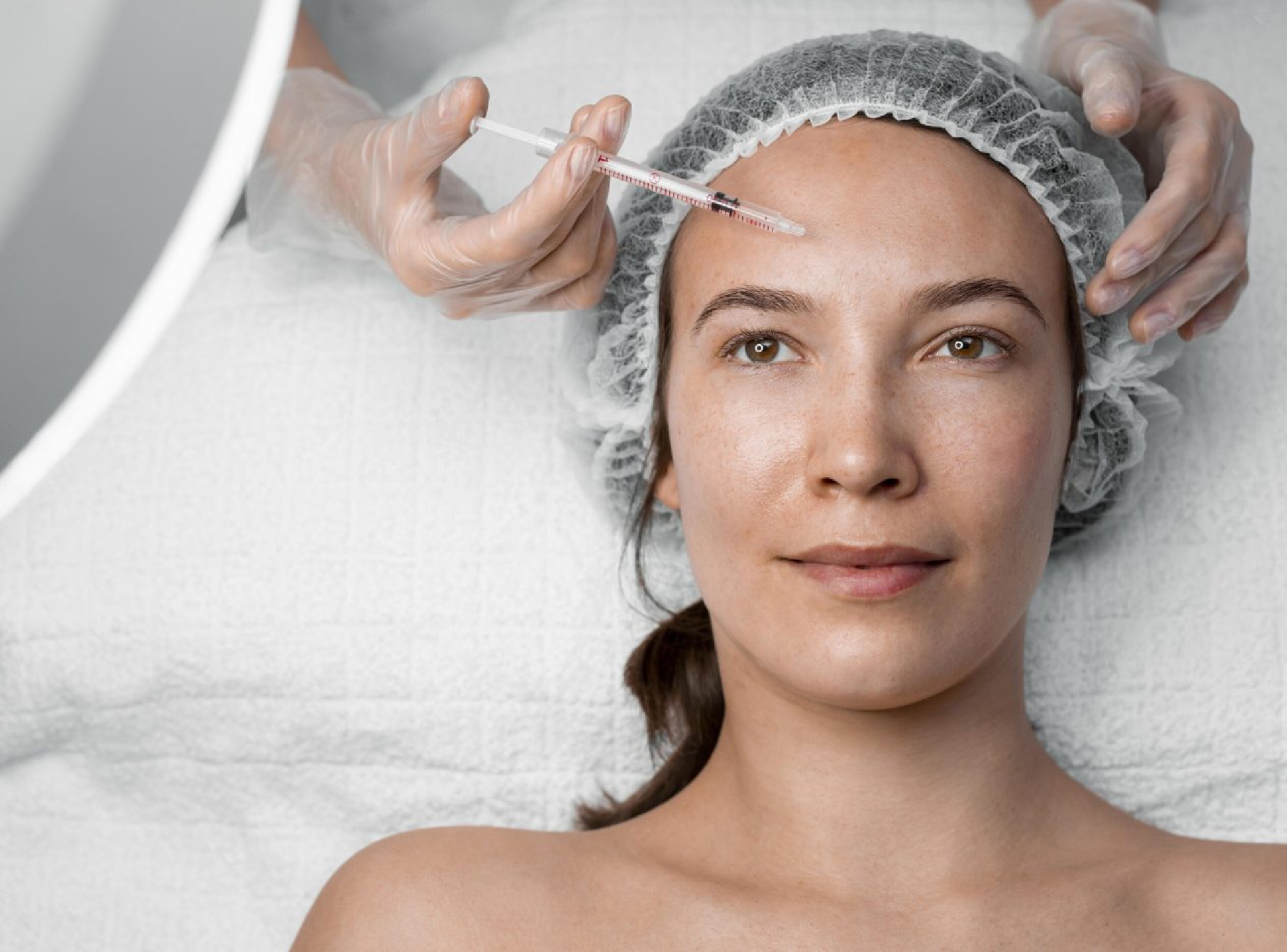
Reduced bone mass, muscle mass, adipose/fat layer, and skin thickness all contribute to age-related loss of facial volume. Most people lose up to 35% of their facial fat by the time they are 50. A number of visually noticeable signs of aesthetic aging are brought on by this volume loss, including:
- The hollowness under the eyes, in the cheeks, or in the temples
- Growth of wrinkles and lines
- Sagging of the skin
- The reduction in lip fullness
- “Skeleton” or “bony” appearance
- The reduction in the upper third of the face’s width
Because of their capacity to smooth away even the most severe lines and wrinkles and restore facial volume, dermal fillers and fat transfer, also known as fat grafting, have attracted a lot of attention. Both treatments have distinct advantages and disadvantages, even though they can produce comparable outcomes. We will go over the nuances of both dermal fillers and fat transfer procedures in this extensive guide, offering crucial points of differentiation to assist patients in making an informed choice based on their particular requirements and preferences.
Fat Transfer In Dubai
Fat Transfer In Dubai is a natural cosmetic procedure that utilizes the patient’s own fat to restore volume, refine contours, and rejuvenate areas such as the face, lips, breasts, buttocks, or hands. Fat is carefully extracted via liposuction, refined, and subsequently administered into the designated area with precision. This method not only enhances volume but also improves skin quality through the presence of stem cells. Fat transfer provides enduring, naturally appearing results, rendering it an ideal choice for patients pursuing a more permanent solution. Results are contingent upon fat viability, and occasional minor touch-ups may be necessary.
Dermal Fillers In Dubai
Dermal Fillers In Dubai represent a widely sought-after non-invasive treatment for immediate volume restoration, wrinkle reduction, and facial enhancement of features including the lips, cheeks, jawline, and under-eye regions. Constructed from hyaluronic acid or other biocompatible materials, fillers deliver immediate and consistent outcomes with minimal recovery time. Treatments are efficient, tailored, and suitable for patients seeking discreet improvements without surgical intervention. Although the results are temporary, generally lasting between 5 and 15 months, dermal fillers represent a practical solution for facial rejuvenation and contouring, offering precise control over shape and volume.
What Are Dermal Fillers?
To address volume loss, soften wrinkles, and improve facial contours, dermal fillers are non-invasive cosmetic procedures that involve injecting different substances into particular facial areas. These compounds usually consist of poly-L-lactic acid, calcium hydroxylapatite, and hyaluronic acid, among others. Dermal fillers are primarily used to contour the face, restore lost volume, and lessen the visibility of wrinkles and fine lines.
Fillers come in various forms, each with specific applications, advantages, and disadvantages. Juvederm, Restylane, Sculptra, and Radiesse are examples of common dermal fillers.
How Fillers Work
Dermal fillers effectively add volume and fullness to the treated areas by restoring the natural substances in the skin that have been depleted over time. The injection procedure is a popular choice for people looking for quick results without the need for surgery or significant downtime because it is comparatively quick and easy, frequently finished in a single office visit.
Recovery
Dermal fillers typically have a very short recovery period; most patients only experience slight bruising, redness, or swelling at the injection sites. After the procedure, people can quickly return to their normal activities, including strenuous exercise, as these side effects usually go away in a few days.
Results
Immediately following the procedure, dermal fillers provide a more youthful and revitalized appearance. Depending on the type of filler used and personal factors like metabolism and lifestyle, the treated areas look plumper, smoother, and more contoured, adding to a refreshed and natural look that can last anywhere from six months to two years. With regular maintenance treatments, results can be sustained even longer.
The Advantages Of Dermal Fillers
The following benefits of dermal fillers make them a popular option for people looking to rejuvenate their faces:
- Instant results: Patients can quickly address signs of aging and volume loss with dermal fillers, which provide instantaneous improvements.
- Minimal recovery time: Dermal fillers are a convenient option for people with hectic schedules because of their short recovery period, which enables them to quickly return to their regular activities.
- Versatility: Dermal fillers can be used to target particular facial regions, enabling precise volumizing and contouring that is suited to each patient’s particular aesthetic objectives.
The Disadvantages Of Dermal Fillers
Although dermal fillers have many advantages, it’s important to take into account any potential disadvantages of this aesthetic procedure:
- Temporary results: Because dermal fillers don’t last forever, touch-up procedures are necessary to keep the desired effects over time.
- Possible adverse effects: Although they are rare, some people may have minor adverse effects like bruising, redness, swelling, or, in extremely rare circumstances, allergic reactions to the filler materials.
- Cost accumulation: People with long-term aesthetic goals may start to think about the total cost of several treatment sessions over the years, given the transient nature of the results.
What Is Fat Transfer (Fat Grafting)?
A Liposuction procedure is used to remove fat from one area of the body, and the fat is then purified and reinjected into specific areas that need volume enhancement or rejuvenation. This cosmetic procedure is called fat transfer, or fat grafting.
How it works
The first step in the fat transfer process is the careful removal of extra fat from places like the buttocks, thighs, or abdomen. Following purification, the extracted fat cells are carefully injected into particular facial areas to improve overall facial contours, soften wrinkles, and restore volume.
Recovery
Because fat transfer requires both liposuction and subsequent injections, the recovery period is usually longer than with dermal fillers. As a result, the healing process is quite comparable to that of liposuction. Depending on specific healing factors, patients may experience swelling, bruising, and discomfort at the injection and extraction sites. The recovery period may vary from a few days to several weeks.
Results
Fat transfer provides a more long-lasting and natural-looking solution to facial volume loss and signs of aging because the injected fat blends in seamlessly with the natural facial tissues. Some patients may experience long-lasting improvements in the treated areas, and the effects of fat transfer may last for several years or even longer.
BOOK AN APPOINTMENT TODAY
The Advantages Of Fat Transfer
Fat transfer is a desirable alternative for people thinking about facial rejuvenation because it provides a number of clear benefits:
- Natural appearance and feel: Because the process uses the patient’s own fat cells, the fat transfer results have a natural appearance and feel that blend in perfectly with the surrounding tissues.
- Duration of outcomes: In contrast to dermal fillers, fat transfer may produce results that last longer and may result in long-lasting enhancements to the volume and contours of the face.
- Decreased likelihood of allergic responses: For many people, the procedure is a safer choice because it uses the patient’s own tissue, which reduces the possibility of rejection or negative reactions.
The Disadvantages Of Fat Transfer
Even though fat transfer has many advantages, there are a few things to think about before choosing this procedure:
- Variable absorption rates: To achieve the desired results, additional touch-up procedures may be necessary because not all transferred fat will survive in the new location. This could result in inconsistently treated areas.
- Long recovery period: To achieve the best healing and outcomes, patients may need to follow stringent postoperative care instructions during the prolonged recovery period linked to fat transfer.
- Technique dependency: The surgeon’s skill and knowledge are crucial to the success of fat transfer, which reinforces the importance of choosing a trained and experienced practitioner to carry out the operation.
Fat Transfer Vs. Dermal Fillers: A Detailed Comparison
Composition
Hyaluronic acid, calcium hydroxylapatite, and poly-L-lactic acid are just a few of the substances that make up dermal fillers; each has special qualities and a different duration of action. Fat transfer, on the other hand, makes use of the patient’s own fat cells, reducing the possibility of allergic reactions and encouraging organic integration within the facial tissues.
Ideal Candidates
For people looking for a short-term treatment to address particular aging symptoms or facial volume loss without invasive procedures, dermal fillers are frequently advised. Fat transfer, on the other hand, is appropriate for people seeking a more natural and durable method of facial rejuvenation, especially those who want long-lasting effects and a more thorough approach to facial contouring.
Results
Depending on the type of filler used and personal circumstances, dermal fillers provide instantaneous, noticeable results that last for several months to a few years. On the other hand, fat transfer offers results that are both long-lasting and natural-looking, with the potential to permanently improve facial volume and contours over the course of several years or longer.
How Quick Results Are Achieved
Patients who have dermal fillers notice a noticeable improvement in the volume and contours of their faces soon after the procedure. As the injected fat cells integrate and settle into the surrounding tissues, fat transfer offers a more gradual enhancement process but also produces noticeable improvements in a matter of weeks.
Result Duration (How Long Results Last)
Dermal filler results usually last six months to two years, depending on the type of filler used and personal factors such as metabolism and lifestyle choices. On the other hand, some patients who undergo fat transfer report long-lasting improvements in facial volume and contours that last for several years or longer.
More Than One Treatment Required?
The transient effects of dermal fillers gradually fade over several months, so patients often need several treatments over time to maintain the desired results. On the other hand, fat transfer may only require one or two procedures to produce the intended results, and it may result in permanent or long-lasting improvements in the treated areas.
Invasiveness
Because dermal fillers only require minor injections into the desired facial regions, they are a practical choice for people who want noticeable results right away without requiring a lot of recovery time. Fat transfer, on the other hand, requires a longer recovery period and cautious postoperative care because it involves both liposuction for fat extraction and subsequent injections for volume enhancement, making it a slightly more invasive procedure.
Recovery
Most patients only experience mild swelling, redness, or bruising at the injection sites during the relatively short recovery period for dermal fillers, allowing them to quickly return to their normal activities. Fat transfer, on the other hand, requires a longer healing period. Patients may experience bruising, swelling, and discomfort at the injection and extraction sites, and it may take several days to weeks for them to fully recover.
Costs
The cost of dermal fillers is influenced by the type of filler used, the number of treatment sessions required, and the clinic’s location. Although fat transfer may cost more upfront than dermal fillers, it could be a cheaper choice in the long run because it might last longer and require fewer follow-up treatments for those with lasting beauty goals.
Which Is Best?
Patients looking to restore facial volume and rejuvenate their appearance can benefit from both fat transfer and dermal fillers. Fat transfer offers a more natural and long-lasting method of facial rejuvenation, with the potential for long-lasting or even permanent results, whereas dermal fillers only offer short-term, instant improvements. You can make an informed choice that meets your particular needs and preferences by being aware of the distinct advantages and disadvantages of each procedure as well as your personal aesthetic objectives. This method will ultimately result in a more youthful and revitalized appearance that increases your self-confidence.
It is essential to speak with a licensed plastic surgeon or dermatologist when choosing between dermal fillers and fat transfer. They can offer tailored advice based on the patient’s particular aesthetic objectives and medical background. An expert provider will take into account each patient’s particular requirements and preferences to select the option that best suits their lifestyle and aesthetic goals.
MEET THE EXPERT DOCTOR
Best Aesthetic Clinic In Dubai For Dermal Fillers
Best Aesthetic Clinic in Dubai for Dermal Fillers is Perfect Doctors Clinic, where Dr. Perfect Celebrity provides sophisticated non-invasive facial rejuvenation procedures. The clinic specializes in high-quality dermal fillers for lips, cheeks, jawline, chin, and under-eye rejuvenation, emphasizing natural and harmonious outcomes. Each patient undergoes a comprehensive facial evaluation to identify the most appropriate filler type and injection method. Perfect Doctors Clinic utilizes FDA-approved products and adheres to rigorous safety and hygiene protocols. Patients receive instructions regarding post-treatment care, anticipated longevity, and necessary maintenance appointments to ensure optimal results. With skilled injectors, careful attention to detail, and a focus on the patient, the clinic ensures safe, private, and natural-looking results tailored to each person’s face.
Best Plastic Surgeon In Dubai For Fat Transfer
Best Plastic Surgeon In Dubai for Fat Transfer is available at Perfect Doctors Clinic, where Dr. Perfect Celebrity specializes in advanced fat grafting procedures, executed with meticulous precision and thorough care. The surgeon employs advanced liposuction and fat purification methods to optimize fat viability and achieve smooth, natural outcomes. Fat transfer is provided for facial rejuvenation, body contouring, and volume augmentation, customized to align with each patient’s individual goals and anatomical considerations. A thorough consultation facilitates the identification of donor regions, treatment areas, and attainable outcomes. Perfect Doctors Clinic upholds rigorous surgical safety protocols and offers comprehensive postoperative instructions to facilitate recovery and ensure enduring outcomes. Through specialized expertise, cutting-edge technology, and individualized care, patients attain natural and enduring enhancements by utilizing their body fat.