





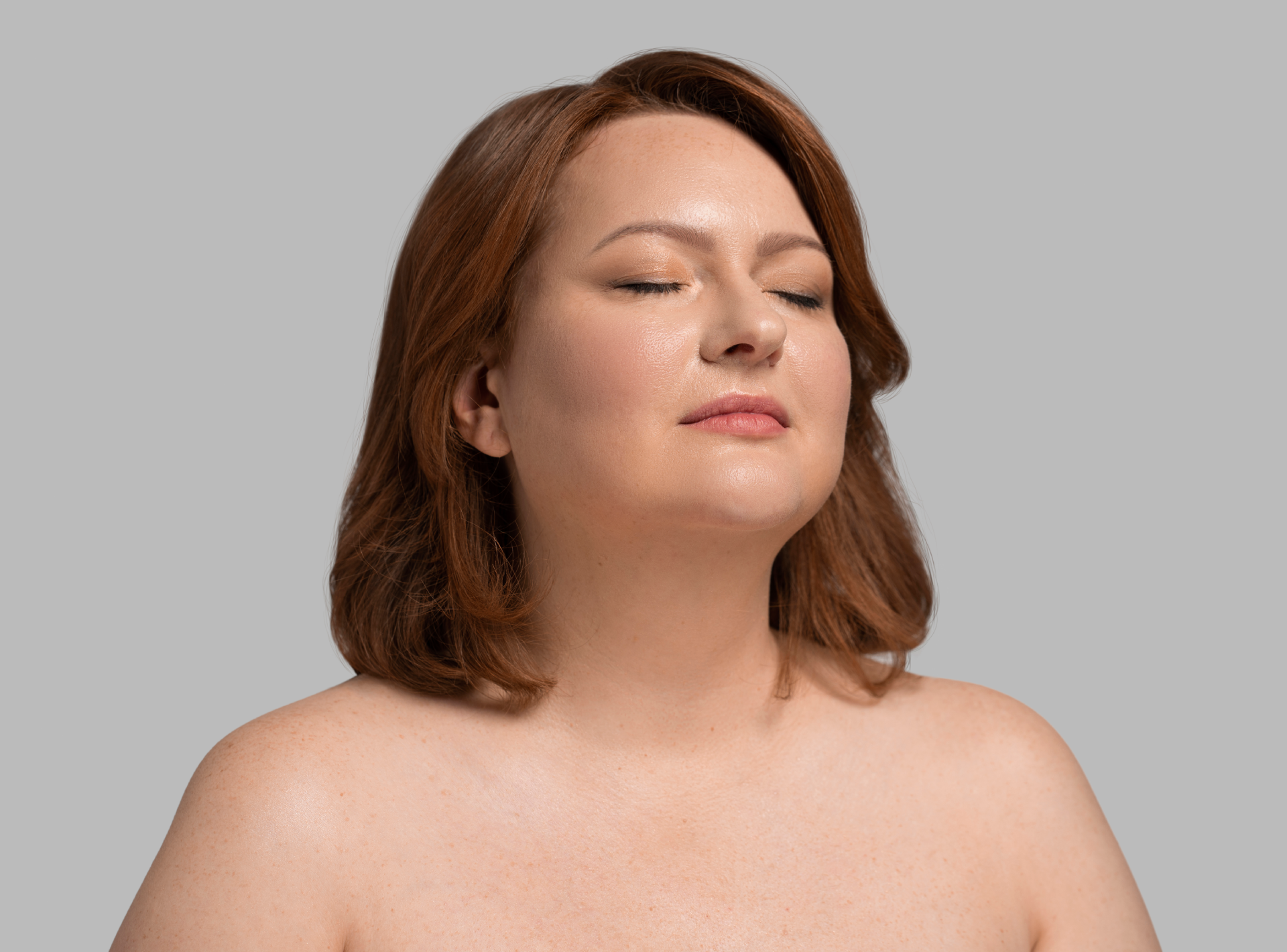
People are getting buccal fat removal more and more because it makes their faces look better. For people who might need surgery, it’s important to know how the recovery process works. Dr. Perfect Celebrity’s expertise helps us understand what to expect in the first week after surgery.
What happens to the body after buccal fat removal? How does it adapt and heal? Dr. Perfect Celebrity’s expertise illuminates the typical progression from initial recovery to the early stages of seeing the desired outcomes, ensuring patients have a clear roadmap for the recovery period.
Buccal Fat Removal In Dubai
Buccal fat removal in Dubai is a specialized cosmetic surgery designed to slim and contour the face by reducing the size of the buccal fat pads within the cheeks. This treatment is ideal for patients with naturally fuller cheeks seeking a more sculpted appearance and enhanced cheekbone definition. Because the incisions are made entirely within the mouth, there are no external scars. Over the course of the recovery period, as post-operative swelling subsides, the refined and balanced facial structure becomes increasingly apparent.
The Buccal Fat Removal Procedure
Surgery to remove buccal fat is a targeted way to make the cheeks less full and give the face a more defined look. The buccal fat pad is a pocket of fat in the hollows of the cheeks. Removing it can make your face look more defined. People who want to make their cheeks less noticeable to improve the balance of their face are the best candidates for this treatment.
A skilled surgeon makes a small cut inside the mouth during buccal fat reduction surgery. This helps to avoid visible scarring. The buccal fat pad is carefully removed, and then the incisions are closed. This speeds up recovery and makes the patient more comfortable.
Some advantages of surgery to remove the buccal fat pad and reduce the cheeks are:
- A thinner face profile
- More definition of the cheekbones
- Features that are balanced
The goal of this minimally invasive procedure is to subtly improve the patient’s natural facial structure.
Day One: Post-Op Recovery
Post-Surgery Care
Care starts hours after buccal fat removal surgery on the first day after the surgery. People who have had the surgery are usually watched to make sure they are stable. Recovery includes taking prescribed medications to control pain and prevent infection. Patients need to carefully follow their surgeon’s care instructions. It may be a good idea to use a mouthwash to keep your mouth clean without bothering the surgical site.
Managing Side Effects
After the procedure, patients may have swelling in the mouth area, which is normal after having the buccal fat pad removed. It’s normal to have small amounts of blood, but if you bleed too much, you need to see a doctor right away. In the days that follow, swelling may get worse. This shows how important it is to rest and stick to the medication schedule that the surgeon gave you for a smooth recovery.
Day Two: Early Signs of Recovery
Swelling Management
Patients often have swelling after having their buccal fat pads removed. Putting cold compresses on the area can help reduce the swelling, make the face look better, and make you feel better. During your recovery, it’s important to do what your surgeon says about how to use these compresses.
Managing Pain
You might feel some pain after the surgery, which is normal as you heal. Patients usually take medications to deal with this. Taking these as directed may help ease your pain. If the swelling or pain doesn’t go away or gets worse, let your doctor know right away.
Day Three to Four: Follow-Up and Care Continuation
Observing the Healing Process
A few days after surgery, doctors keep a close eye on the healing process to make sure there are no problems. If you notice any signs of infection, like more pain, redness, or discharge, you should tell your doctor right away.
Continuing Care and Medication Management
Surgeons stress how important follow-up appointments are during the recovery process. These appointments are important for checking on how well the healing is going and changing medications if needed. Patients should keep track of any changes in their weight or pain and talk about them during their appointments. To heal quickly, you need to take the anti-inflammatory drugs as directed.
Day Five to Seven: Noticing Changes and Ongoing Healing
After the buccal fat pad is taken out, the swelling starts to go down noticeably between days five and seven. This is when the changes in the shape of the face start to show up, especially for people who want to make their chubby cheeks look smaller. Patients should keep in mind that the healing process isn’t over yet, even though they may notice some changes in the shape of their contour at this point. There are often areas that aren’t symmetrical, but these will change as the healing process goes on.
As healing progresses, it becomes feasible to gradually resume normal activities. Patients should be careful at this stage and focus on light activities that don’t put stress on the mouth or nearby areas. To make the change go more smoothly:
- Maintain a Soft Diet: Eating soft foods makes your mouth feel better and helps it heal. Adding more solid foods slowly will help you stay healthy without putting the sensitive area at risk.
- Check Swelling: Look for any swelling that is still there or has just started. This could mean you need to slow down or see a doctor.
- Pay Attention to Your Body: The patient knows how comfortable they are best. Don’t do anything that hurts or puts too much pressure on your cheeks.
Following these rules should help you safely get back to your normal life and help the buccal fat pad removal go as well as possible.
BOOK AN APPOINTMENT TODAY
End of Week One: Evaluating Progress and Next Steps
You need to see your surgeon a week after your surgery to check on your healing. Most of the time, the worst swelling will go down, making it possible to do a proper evaluation. After this cosmetic surgery, patients often see a change in their vision as the area heals. The surgeon will check the health of the facial muscles and make sure the recovery is going well. They will also ask about any pain and give advice on how to take care of your mouth, which may include using a special mouthwash to keep germs from spreading.
After your evaluation, you’ll get detailed instructions to help you get better:
- Continued Rest and Limited Activities: Avoiding hard work helps reduce swelling that won’t go away. Adding some light social activities to your routine can help your emotional health during this time of recovery.
- Nutritional Considerations: Depending on how well you heal, you may need to change your diet, possibly going from a liquid diet.
- Oral Hygiene Maintenance: Keeping the mouth clean is important, but you shouldn’t touch the area that was operated on to avoid getting an infection.
Also, changing some chores around the house to make sure they stay clean can help stop problems from happening.
It’s important to have realistic expectations while you’re recovering. Like any other type of surgery, buccal fat pad removal needs its own time to heal, and the amount of time it takes varies from person to person. It is very important to keep seeing your surgeon for regular checkups and appointments to keep an eye on your progress and the health and appearance of the treated area as you go back to your normal life. Your next steps should be clear, focused on careful care, and following any health advice given by professionals to help the healing process go as smoothly as possible.
Buccal Fat Removal Recovery Tips For Better And Faster Results
In order to facilitate the healing process following buccal fat removal, it is important to maintain an elevated head position, consume soft foods, and remain hydrated. Maintaining gentle oral hygiene and adhering to all aftercare instructions is crucial. Refrain from engaging in strenuous activities and smoking. The following steps facilitate a faster reduction in swelling and a smooth recovery, resulting in more natural-looking, refined facial contouring results.
Buccal Fat Removal Recovery Dos and Don’ts
It is important to adhere to the instructions of your surgeon, maintain good oral hygiene, get enough sleep, and use cold compresses as prescribed. During the recovery process, refrain from smoking, vaping, or consuming spicy and hard foods. Abstain from excessive physical activity and avoid unnecessary physical contact with the affected area. Adhering to these guidelines facilitates the prevention of complications and guarantees a more seamless healing process, which results in superior long-term aesthetic outcomes.
Consult with an Expert At Perfect Doctors Clinic
If you’re thinking about getting rid of buccal fat or are just starting to heal, it’s important to get professional help. Dr. Perfect Celebrity is an expert in facial procedures and can give you the personalized advice you need to get through the process smoothly. Don’t be afraid to ask for help that is right for your situation.
Make an appointment with Dr. Perfect Celebrity to make sure your recovery goes well. He knows a lot about post-operative care, which will help you get the best results. Call us today to move forward with your recovery with confidence.
MEET THE EXPERT DOCTOR
Best Plastic Surgeon In Dubai For Buccal Fat Removal
Best Plastic Surgeon in Dubai for Buccal Fat Removal provides advanced facial contouring solutions designed to create a slimmer, more sculpted cheek appearance with natural-looking balance. Dr. Perfect Celebrity is known for delivering precise and safe buccal fat removal procedures tailored to each patient’s facial structure. Patients benefit from minimally invasive techniques that reduce recovery time and ensure subtle, refined results. Leading surgeons in Dubai focus on maintaining facial harmony while enhancing definition in the lower cheeks. Each treatment is carefully planned after a detailed consultation to achieve personalized aesthetic goals. With expert surgical skill, modern technology, and proper aftercare support, patients can expect smooth healing and long-lasting improvements in facial contour and overall appearance.