





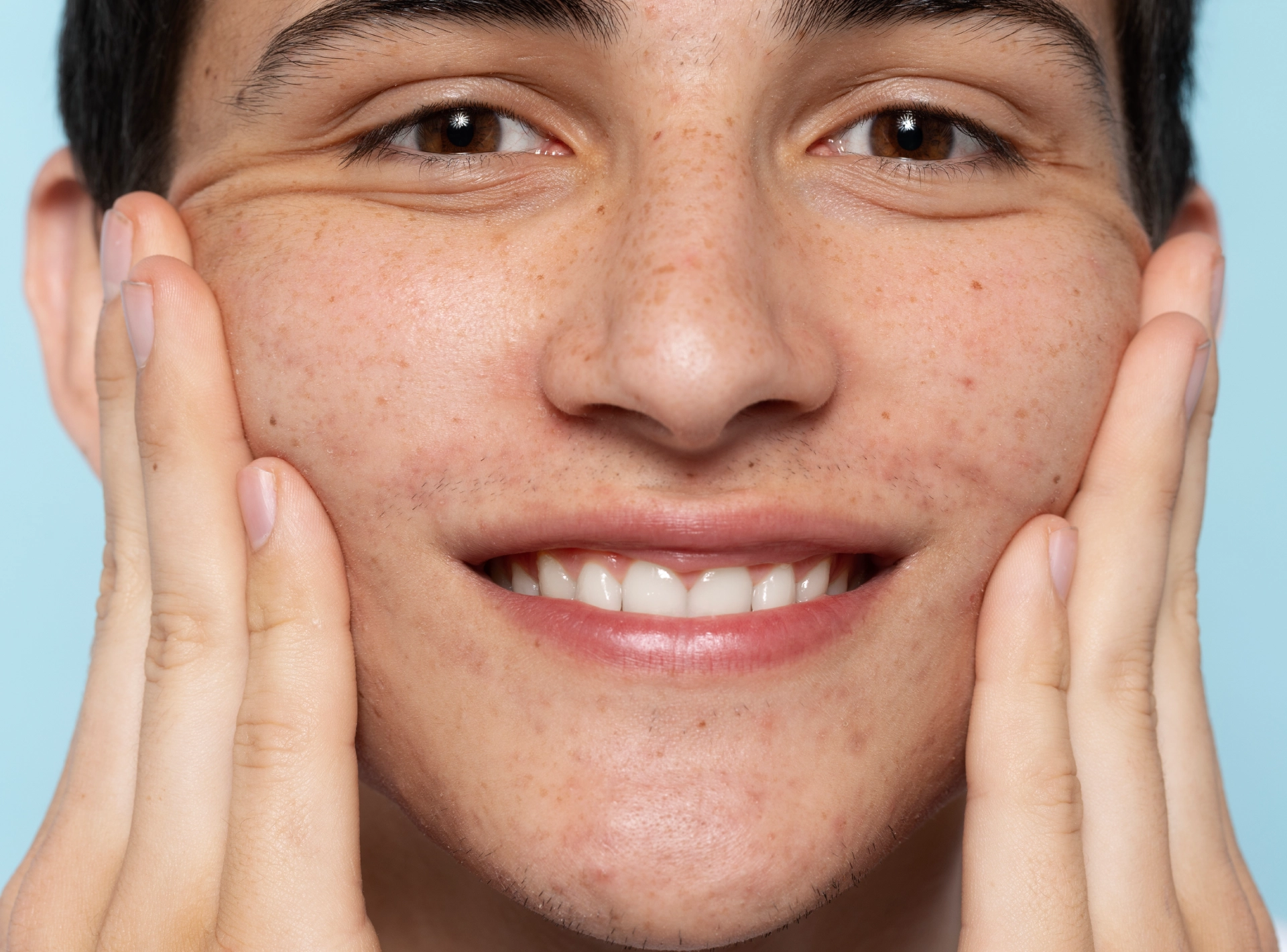
A skin condition known as hyperpigmentation makes darker areas of the skin more noticeable than the surrounding skin. They can also be referred to as sun spots, liver spots, or age spots. It’s a common, treatable, and generally harmless condition, but when it first manifests, it can be upsetting and lead to self-consciousness.
Hyperpigmentation In Dubai
Hyperpigmentation in Dubai affects people of all ages and skin tones. It happens when certain parts of the skin appear darker than the surrounding tissue due to an excess of melanin production. Melasma, sunspots, acne marks, post-inflammatory pigmentation, and uneven skin tone brought on by sun exposure, hormonal fluctuations, skin irritation, aging, or acne are common types of hyperpigmentation. Many people have pigmentation issues as a result of Dubai’s intense sunshine and hot weather, which progressively worsen without adequate skin care and protection. Fortunately, there are now efficient ways to improve skin clarity and restore a more radiant, even complexion thanks to contemporary aesthetic procedures. The causes of hyperpigmentation, available treatments, safety, and long-term outcomes are all common questions from patients. One of the most prevalent questions is whether hyperpigmentation can be eliminated permanently. Ongoing skincare and sun protection are crucial for sustaining results and preventing recurrence, even though many cutting-edge treatments can greatly reduce pigmentation and improve skin tone. Treatment safety for sensitive or darker skin tones is another frequently asked question. To reduce risks like irritation or worsening pigmentation, modern laser technologies, chemical peels, and skin rejuvenation procedures can frequently be tailored to each individual’s skin needs.
These are some of the most frequently asked questions concerning hyperpigmentation.
What Causes Hyperpigmentation?
Hyperpigmentation, which happens when too much melanin accumulates in the skin, can be caused by a variety of factors.
Sun exposure can cause it, and it usually manifests in areas of the body that are exposed to daylight, like the hands, face, neck, and chest. Hormonal fluctuations, age, genetics, and skin injuries or inflammation like burns or acne scars can also cause it.
What’s The Difference Between Hyperpigmentation And Melasma?
Hormone fluctuations are the main cause of melasma, a particular kind of hyperpigmentation. Melasma affects about 89% of women, and it is frequently brought on by pregnancy or the contraceptive pill. People with light brown or darker skin are more likely to have it, which usually appears on the face.
BOOK AN APPOINTMENT TODAY
Is Hyperpigmentation Preventable?
Some forms of hyperpigmentation, such as those brought on by hormones or genetics, cannot be prevented. However, by protecting your skin from UV rays—which can cause damage even on cloudy days—with high-factor sunscreen, you can reduce the chance of getting it. On extremely sunny days, cover up with protective clothes and sunglasses.
Use dermatologist-tested products that are appropriate for your skin type as part of a regular skincare regimen, and monitor for any changes or discoloration. Avoid pulling off scabs and protect any scars you may have.
How Can Hyperpigmentation Be Treated?
Natural home remedies like aloe vera and green tea extracts are among the various treatment options. However, if the condition undermines your confidence, seek professional advice, as there is no solid evidence of effectiveness.
Depending on the kind and degree of your hyperpigmentation, the skin therapist can suggest the best course of action. Laser therapy, chemical peels, microdermabrasion, and topical creams containing active ingredients like vitamin C and retinoids are a few examples of such treatments.
How Long Does It Take To See The Results Of Treatment?
To see noticeable results, several treatments are frequently needed. The course of treatment, as well as the nature and severity of the illness, will determine the timeline. Seeking professional guidance to ensure the best course of action and regularly adhering to the aftercare instructions will yield the best outcomes.
MEET THE EXPERT DOCTOR
Additional Questions To Know And Ask
How Many Sessions Are Typically Required For Hyperpigmentation?
The depth of pigmentation, the underlying cause, the patient’s skin type, and the treatment approach all determine how many sessions are needed for hyperpigmentation treatment. While deeper melasma or post-inflammatory pigmentation frequently requires a longer treatment plan for gradual and safer improvement, mild pigmentation issues like superficial sunspots or minor acne marks may improve in a few sessions. To give the skin enough time to heal and regenerate properly between treatments, they are usually spaced several weeks apart. Experts thoroughly assess the patient’s skin condition during a consultation and develop a customized treatment plan based on the degree of pigmentation and aesthetic objectives. For better results, some people might benefit from combination treatments like lasers, chemical peels, or cutting-edge skincare products.
Can I See Hyperpigmentation Before-And-After Photos Of Previous Patients?
Indeed, examining before-and-after pictures of hyperpigmentation is important for understanding the possible results of treatment. Following professional procedures, patients can view improvements in dark spots, uneven skin tone, melasma, acne marks, and overall skin clarity in these photos. Realistic expectations about how pigmentation gradually fades and how skin quality improves over time with consistent treatment and appropriate aftercare can also be developed by observing actual patient outcomes. During consultations, skilled aesthetic clinics frequently give examples of past patient outcomes while outlining how outcomes may differ based on skin type, pigmentation severity, lifestyle choices, and treatment consistency. Patients can also learn from before-and-after pictures that treating hyperpigmentation is frequently a gradual process rather than an instant transformation.
Are You Board-Certified Or Specially Trained?
One of the most crucial elements in guaranteeing safe and efficient hyperpigmentation treatment is selecting a skilled and knowledgeable specialist. Patients should always inquire about the provider’s advanced skincare training, certification, and experience safely treating pigmentation issues in various skin tones. When professionals provide treatment, they are less likely to cause complications like burns, irritation, worsening pigmentation, uneven skin response, or prolonged sensitivity. Experts with specialized training know how to tailor treatments to each patient’s skin type, degree of sensitivity, pigmentation depth, and long-term objectives. Additionally, they are skilled at safely combining various treatment modalities when needed to achieve better results.
What Hyperpigmentation Symptoms Should Concern Me?
Redness, mild peeling, dryness, warmth, or skin sensitivity following the procedure are common mild and transient side effects of hyperpigmentation treatments. When the right aftercare instructions are carefully followed, these effects, which are typically a part of the normal healing process, gradually get better over a few days. Some patients may also experience a brief darkening of pigmentation before the treated areas naturally lighten as their skin renews itself. Mild flaking or dryness may also occur, depending on the severity of the treatment and the patient’s skin sensitivity. However, if a patient experiences severe swelling, blistering, persistent pain, signs of infection, worsening pigmentation, or unusual skin discoloration, they should get in touch with their provider right away. Early communication with the treatment specialist ensures safe healing and appropriate handling of unforeseen skin reactions.
What Is The Total Cost Of The Hyperpigmentation?
The size of the treatment area, the type of pigmentation being treated, the procedure selected, and the number of sessions needed to get the desired results all affect the overall cost of hyperpigmentation treatment. While deeper melasma or extensive pigmentation may necessitate a more sophisticated and long-term treatment approach, mild pigmentation concerns may require fewer sessions and a lower overall treatment complexity. Combination therapies and personalized skincare products may also impact the total cost of treatment. Patients should inquire about the treatment plan’s coverage of consultation costs, maintenance sessions, skincare products after treatment, and follow-up appointments. Patients can better prepare financially and set reasonable expectations for the gradual nature of pigmentation improvement by being aware of the entire treatment process. Based on the patient’s skin condition, treatment objectives, and anticipated recovery process, specialists usually offer a customized treatment plan and an estimated cost during consultation.
What Is The Hyperpigmentation Recovery Time?
The type of procedure used and the patient’s unique skin sensitivity determine how long it takes to recover from hyperpigmentation treatment. Stronger resurfacing treatments may result in short-term redness, dryness, peeling, or sensitivity for a few days, whereas mild treatments like light chemical peels or gentle laser procedures may require little to no downtime. When patients take appropriate aftercare and sun protection, they can quickly resume their regular daily activities following treatment. As older tissue gets replaced by healthier skin cells and damaged pigmentation fades, the skin often improves over time. To facilitate a more seamless healing process, patients are typically advised to refrain from intense heat, harsh skincare products, direct sun exposure, and vigorous exfoliation.
Best Aesthetic Clinic In Dubai For Hyperpigmentation
Best Aesthetic Clinic in Dubai for hyperpigmentation is one of the most crucial elements in getting safe, efficient, and long-lasting skin improvement. Patients at reputable clinics like Perfect Doctors Clinic receive thorough skin evaluations and personalized treatment programs based on their skin type, degree of sensitivity, degree of pigmentation, and aesthetic objectives. Before suggesting the best course of action for safer and more successful outcomes, skilled professionals carefully determine the underlying causes of pigmentation. At Perfect Doctors Clinic, advanced skin rejuvenation techniques and contemporary treatment methods are used to target pigmentation while protecting the surrounding skin tissue. To minimize complications like irritation, redness, uneven skin response, or prolonged sensitivity, patient safety is closely monitored at every stage of treatment. To promote quicker healing and help avoid pigmentation issues in the future, patients are also given comprehensive skincare instructions regarding hydration, sunscreen use, mild skincare products, and post-treatment care. Perfect Doctors Clinic offers a secure and encouraging setting for hyperpigmentation treatments thanks to its skilled specialists, cutting-edge technology, and patient-centered philosophy. Through expertly managed aesthetic care and closely monitored treatment plans, the clinic helps people achieve brighter, clearer, and more even-toned skin while prioritizing natural-looking skin improvement, patient comfort, and long-term skin health.