





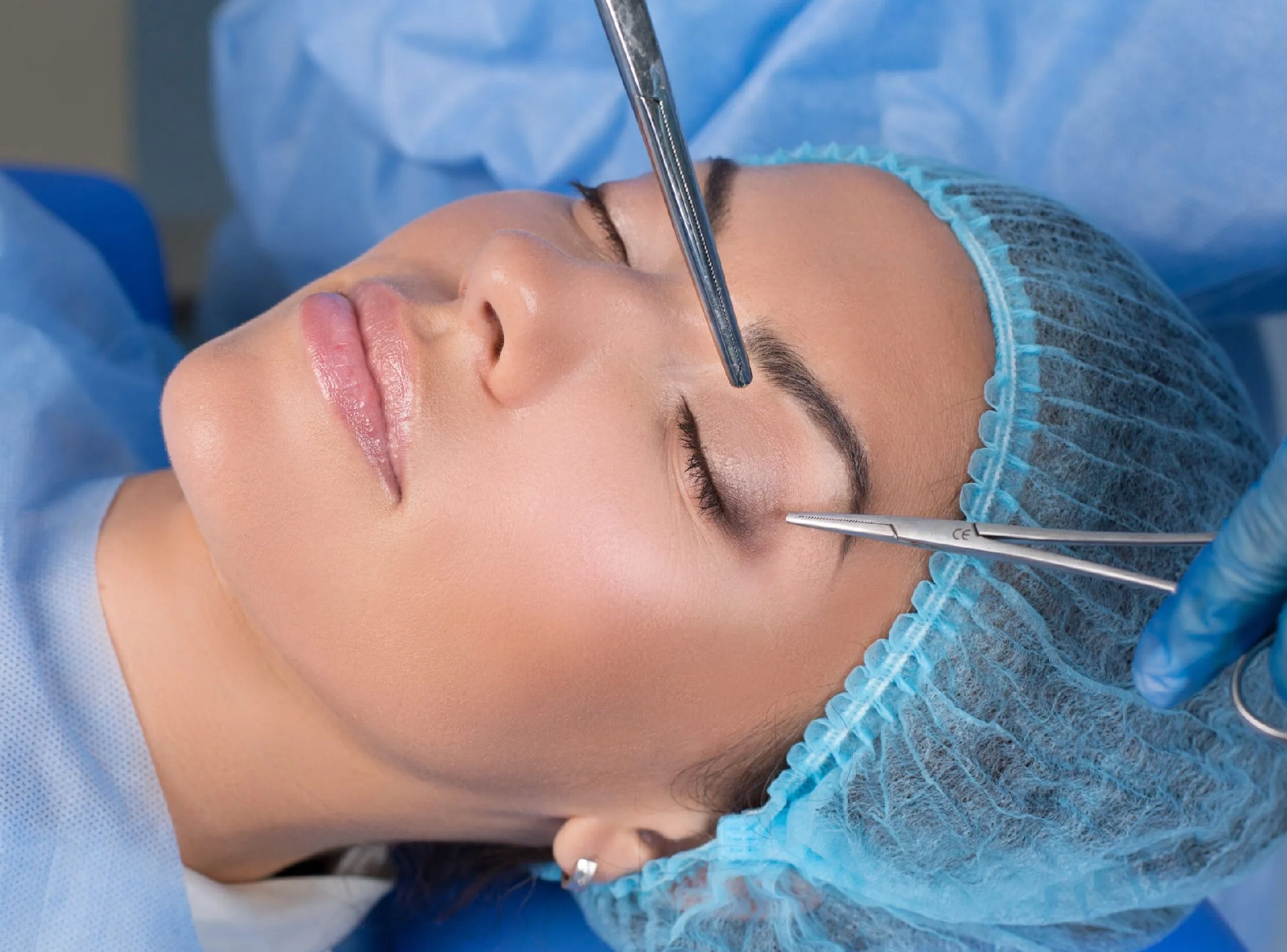
Eyelids may begin to sag with age. They can make someone feel very heavy in addition to making them appear older. You might question whether elective blepharoplasty, commonly referred to as eyelid surgery, is the best course of action if you are dealing with drooping lids.
As we age, our eyelids undergo a number of changes. The thin skin of our eyelids begins to stretch and lose its elasticity by the time we are in our late 31s or early 41s, which can lead to extra folds of skin that may even hang over the edge of our upper eyelids. This skin is typically the “first to go.” You might notice that the skin is resting on your lashes or that the upper lid feels particularly heavy. To improve peripheral vision, a forehead lift may also be recommended in certain situations.
Bags, especially in the lower eyelids, are caused by fat protruding through the weaker muscles beneath our skin as we age. When the levator muscle, which raises the upper eyelids, weakens, the upper eyelid droops. The sensitive skin surrounding the lids develops fine creases and wrinkles. A worn-out, drowsy, or depressed appearance is the outcome. The eye area’s inherent beauty is diminished by these alterations.
Heredity plays a major role in the aging process around the eyes. You will likely have sagging eyelids if your parents did. The third most popular cosmetic surgical procedure in 2011 was eyelid surgery. In actuality, the number of blepharoplasty procedures is increasing annually, rising by 3.9% between 2010 and 2011. By removing extra fat, skin, and muscle, the procedure fixes puffy bags under the eyes and drooping upper eyelids. It significantly reduces expense, risk, and recovery time while restoring a youthful appearance. Actually, blepharoplasty is more popular than a full facelift.
Blepharoplasty is frequently used to treat these conditions:
- Excess fatty deposits cause puffiness in the upper eyelids
- Skin that is loose or sagging, causing folds or altering the upper eyelid’s natural contour, can occasionally impair vision.
- The lower eyelid’s fine wrinkles and extra skin
- Under-eye bags
- The lower eyelids’ drooping
To find out what’s causing the droopy lid, a physical examination is required. Ptosis repair of the eyelid is the medical term for a functional issue with the lid. If the brow is displaced downward, it can be corrected by raising it, either with or without upper lid surgery. It is important to remember that blepharoplasty is not a cure-all for eyelid droop.
Adult men and women who do not smoke, have healthy facial muscles and tissue, and do not have any life-threatening illnesses or medical conditions that could affect healing are good candidates for the procedure. In order to improve the upper and/or lower eyelids and the surrounding area, the patient should have a positive attitude and reasonable goals.
Blepharoplasty can be carried out in a hospital, an approved office-based surgical center, or an outpatient or ambulatory surgical center. The recovery period is brief, and the procedure is reasonably inexpensive. You should be able to resume your regular activities in seven to ten days under normal circumstances. Following eyelid surgery, you might first experience swelling, bruising, dry eyes, or irritation. These side effects can be managed with medicine, cold compresses, and ointment.
Choose your plastic surgeon carefully to guarantee that you receive the right care and have a good experience. Select a plastic surgeon who has been certified by the American Board of Plastic Surgery and is an ASPS member.
Use Perfect Doctors Clinic’s Find-a-Surgeon tool to locate a board-certified plastic surgeon in your area.
Ask specific, in-depth questions, look at a number of before and after pictures of the surgeon’s work, and get a number of referrals from previous patients to find out about their experiences during any consultation. Board-certified plastic surgeons will be pleased to give you this information.
Eyelid Surgery In Dubai
Eyelid Surgery in Dubai is a specialized plastic surgery procedure designed to rejuvenate the eye area by correcting drooping upper eyelids, under-eye bags, excess skin, and fat deposits. Commonly known as blepharoplasty, it enhances facial harmony, restores a rested appearance, and may improve visual function when sagging skin obstructs eyesight.
What Is Blepharoplasty And What Procedures And Techniques Does It Involve?
Blepharoplasty, commonly referred to as eyelid surgery, is a procedure designed to enhance the appearance of the eyelids through the removal or reshaping of excess skin, fat, and muscle. It pertains to aesthetic issues, including drooping eyelids, puffiness, and wrinkles, as well as functional problems such as impaired vision resulting from sagging skin.
The procedure generally entails making precise incisions along the natural creases of the eyelids for upper eyelid surgeries or just beneath the lash line or within the lower eyelid for lower eyelid surgeries. During the procedure, surplus tissue, comprising fat deposits and occasionally muscle, is meticulously excised or repositioned. In certain instances, the muscles are constricted to reestablish a more youthful contour.
Different surgical methods are utilized based on the individual requirements of the patient. Traditional techniques entail skin excision and adipose tissue removal via skin incisions, whereas minimally invasive methods employ sutures, fat transfer, or laser-assisted procedures to minimize scarring and accelerate recovery.
Specialized revision techniques may be employed to rectify asymmetry or to manage age-related alterations that develop over time. These methods may encompass non-incisional techniques or the integration of blepharoplasty with additional facial procedures.
Postoperative care is crucial for optimal recovery and encompasses the application of cold compresses to reduce swelling and bruising, maintaining proper eye hygiene, and refraining from strenuous activities. Monitoring for possible complications such as dryness, scarring, or transient visual disturbances is also essential.
Results from blepharoplasty can endure for many years, with certain individuals experiencing lasting enhancements throughout their lifetime. Appropriate skincare practices and healthy lifestyle decisions contribute to extending the advantages, although the natural aging process persists.
For individuals considering eyelid rejuvenation, a comprehensive understanding of these techniques facilitates informed decision-making and fosters realistic expectations regarding outcomes and recovery periods.
Who Is A Suitable Candidate For Eyelid Surgery And What Are The Eligibility Criteria?
The most appropriate candidates for eyelid surgery are individuals exhibiting excess skin, fat deposits, or drooping of the eyelids that impair vision or reduce their aesthetic appeal.
These individuals frequently observe drooping eyelids or swelling that imparts a tired or aged appearance inconsistent with their actual age. The optimal candidates are typically in good general health, without pre-existing ocular conditions such as glaucoma or retinal disorders that could impede the healing process.
Candidates should also be non-smokers, as smoking can hinder tissue healing and elevate risks both during and following surgery. They should maintain realistic expectations regarding the outcomes, recognizing that eyelid surgery can enhance appearance but does not prevent the natural aging process.
During the consultation, surgeons assess various factors such as eyelid and brow positioning, skin elasticity, and relevant medical history pertaining to surgery and the healing process. These evaluations assist in confirming whether a patient is an appropriate candidate.
A common age range for candidates is over 34, as age-related eyelid concerns tend to become more pronounced within this demographic. Nonetheless, younger individuals exhibiting genetic sagging or disfigurement may also be taken into consideration.
Ultimately, the decision to proceed is guided by both clinical examination and individual objectives, with the aim of improving both aesthetic appearance and functional vision when drooping eyelids impair peripheral sight.
BOOK AN APPOINTMENT TODAY
What Are The Benefits And Potential Outcomes Of Eyelid Surgery?
Eyelid surgery, also known as blepharoplasty, provides numerous benefits. The procedure has the potential to markedly enhance the aesthetic of the eye area by diminishing sagging skin, puffiness, wrinkles, and surplus tissue. Not only does this produce a more youthful and refreshed appearance, but it can also improve vision when drooping eyelids obstruct peripheral vision. Many patients experience an increase in confidence and report feeling more alert and invigorated following surgery.
Eyelid surgery generally yields enduring results, frequently remaining effective for five to seven years or longer. The scars are typically discreetly concealed within natural eyelid folds, reducing the visibility of surgical marks. Some patients opt to integrate blepharoplasty with additional facial procedures to achieve a comprehensive rejuvenation and further improve their facial harmony.
What Are The Realistic Expectations And Expected Results From Eyelid Surgery?
Patients can anticipate subtle yet significant enhancements in their appearance. The procedure aims to produce a more alert and youthful appearance by excising surplus skin and fat and tightening the tissues surrounding the eyes. If drooping eyelids have compromised your peripheral vision, eyelid surgery can also enhance visual acuity.
It is essential to recognize that the full results typically become apparent after several weeks to months as swelling diminishes and scars recover. Generally, bruising and swelling decrease within the initial two weeks, and the majority of patients resume normal activities during this time frame.
Although eyelid surgery provides enduring outcomes, the natural aging process persists, potentially leading to gradual changes over time. Patients should hold realistic expectations, recognizing that the objective is to subtly improve their appearance and confidence rather than attain a flawless or permanently unaltered appearance.
MEET THE EXPERT DOCTOR
Best Plastic Surgeon In Dubai For Eyelid Surgery
Best Plastic Surgeon In Dubai for eyelid surgery offers advanced blepharoplasty techniques designed to rejuvenate tired, aging eyes while preserving natural facial expressions. Dr. Perfect Celebrity is renowned for expertise in eyelid surgery, delivering precise, natural-looking results. Patients benefit from personalized treatment plans, modern surgical facilities, and meticulous attention to detail. Eyelid surgery (blepharoplasty) effectively improves both appearance and, in some cases, vision by treating common issues like drooping eyelids, excess skin, puffiness, and bags under the eyes. The procedure offers long-lasting, refined results with a smooth recovery, thanks to comprehensive pre- and post-operative care that prioritizes safety and minimal downtime.