





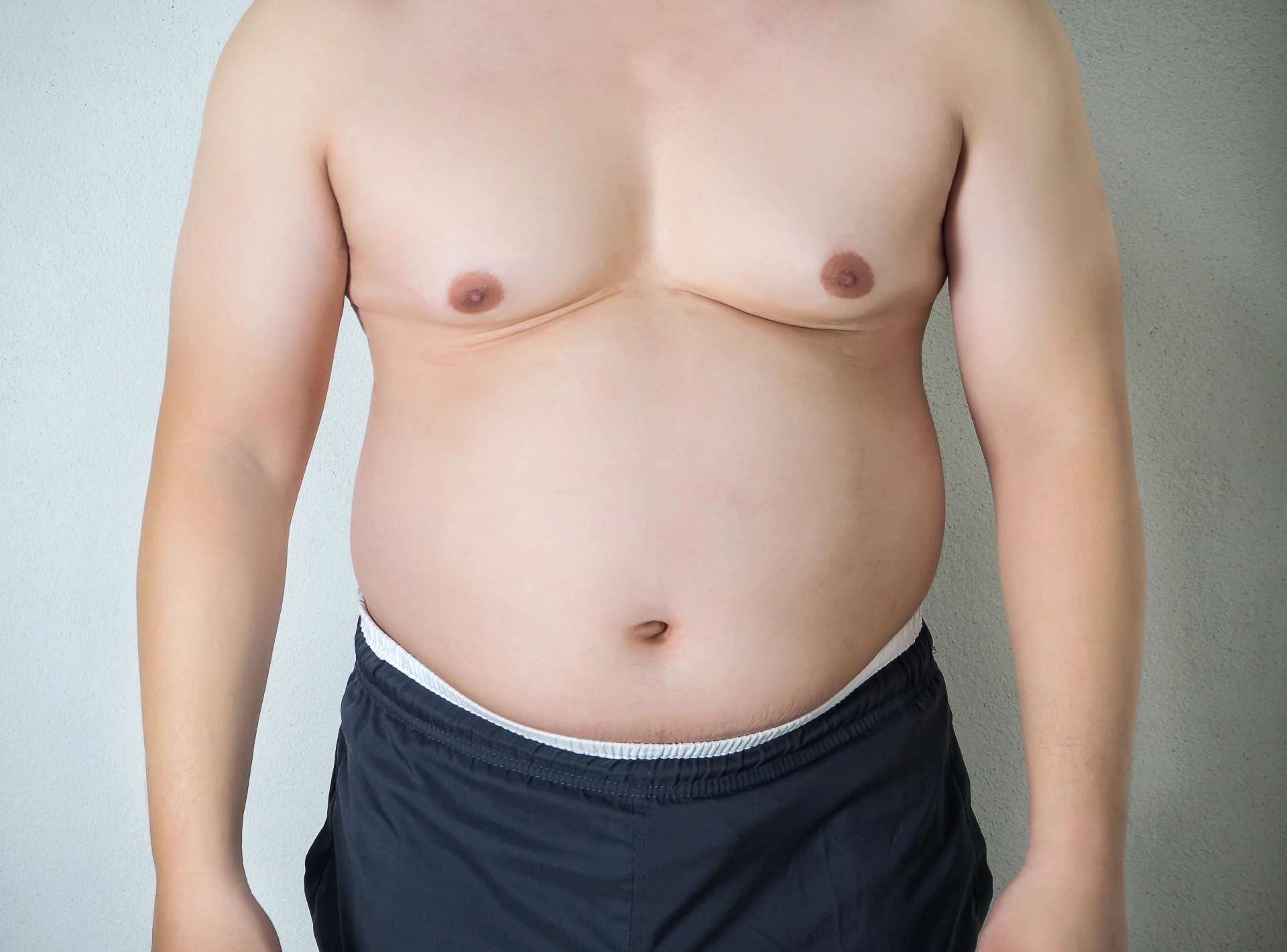
Recovery after Gynecomastia surgery is usually quick and manageable. Most patients can return to light daily activities within two to three days, while more physically demanding tasks should be avoided for at least two to three weeks. Swelling, mild discomfort, and bruising are common during the first week but gradually improve. Wearing a compression garment helps reduce swelling and supports proper healing. Full recovery and final results typically appear within four to six weeks, although slight swelling may last longer in some cases. Following your surgeon’s aftercare instructions, staying hydrated, and avoiding heavy exercise can help speed up healing and ensure smooth, natural-looking results.
Gynecomastia Surgery In Dubai
Gynecomastia Surgery in Dubai is a procedure designed to treat enlarged male breast tissue by removing excess fat and glandular tissue, helping create a flatter, more masculine chest contour. This condition can result from hormonal imbalance, genetics, weight gain, or certain medications. The surgery may involve liposuction, excision, or a combination of both depending on the severity of the case. When considering gynecomastia surgery recovery time, it is important to understand that healing occurs in stages. Most patients experience swelling, bruising, and mild discomfort in the first week after surgery. Compression garments are usually recommended to support healing and reduce swelling. Within two to three weeks, patients can resume light daily activities, while strenuous exercise should be avoided for several weeks. Full recovery may take a few months as swelling gradually subsides and final results become visible. Proper aftercare, follow-up visits, and adherence to medical advice play a key role in achieving optimal outcomes.
Complete Guide To Healing And Timeline
Men with excessive breast tissue might have their lives changed by gynecomastia surgery, which is also called male breast reduction surgery. But it’s important to know how the rehabilitation process works so you can establish realistic goals and get the best results. If you’re thinking about having this treatment or have already set a date for it, knowing what to expect throughout your recovery will help you get ready psychologically and physically for the weeks to come.
Understanding The Gynecomastia Surgery Recovery Timeline
The recovery time for gynecomastia surgery is different for each patient, however there are some typical milestones that most men may expect to reach during their recovery. Here’s a full list of what usually happens:
Days 7: Initial Recovery Phase
Your body starts to mend right away after surgery, in the first week. You can expect:
- Swelling and bruises around the chest area
- Pain that is mild to moderate and can be treated with prescribed pain medication
- Putting on a compression garment all the time
- Limited movement of the arms and activities
- Your surgeon will see you again for a follow-up appointment.
Days 14-21: Early Healing Stage
As you move into the second and third weeks:
- The swelling starts to go down slowly.
- Most patients can go back to light activity like desk employment.
- People still use compression garments, although they may only need to wear them for 13 to 17 hours a day.
- You can start with gentle stretching exercises.
Days 28-42: Mid-Recovery Period
During this part of recovery:
- A big difference in the swelling and bruising
- You can go back to doing most of your routine everyday tasks.
- You may be able to do some light cardio.
- People may wear compression clothes less often.
Months 3-4: Advanced Healing
At this point:
- Almost total resolution of edema
- Go back to most physical activities
- The final findings become clearer.
- Scar tissue keeps getting older
BOOK AN APPOINTMENT TODAY
How Long To Recover From Gynecomastia Surgery: Setting Realistic Expectations
There are a few things that can affect how long it takes to recover from gynecomastia surgery. In general:
- Complete healing timeline: The whole healing duration is 4 to 7 months, however most patients feel much better by 28 to 42 days.
- Return to work: Most men can go back to work in 7 to 14 days, while those with physically demanding professions may need3 to 4 weeks off.
- Final results: You can see changes right away, but the full effects usually don’t show up until 5 to 8 months later, when all the swelling has gone down and the tissues have stabilized.
Keep in mind that healing doesn’t go in a straight line and that some days may feel better than others as you recover.
Factors Affecting Gynecomastia Surgery Recovery
There are a number of things that can affect how quickly and smoothly you heal after gynecomastia surgery:
Patient-Related Factors
Age and Overall Health
- Younger individuals usually recover more quickly.
- Good heart health helps blood flow and healing.
- No chronic problems help the body heal as quickly as possible.
Lifestyle Choices
- People who don’t smoke heal far faster than people who do.
- Keeping a nutritious diet that is high in vitamins and protein
- Staying hydrated enough
- Getting enough sleep to let your body heal itself
Body Composition
- People with a healthy BMI usually recuperate faster.
- Having good muscular tone will help you recuperate faster.
- Skin elasticity has an effect on the final results.
Surgery-Related Factors
Surgical Technique Used
- Liposuction-only operations usually have shorter recovery durations.
- Liposuction and excision together may take longer to recover.
- The amount of tissue taken out determines how long it takes to heal.
Surgeon Experience
- Board-certified plastic surgeons with a lot of experience
- Using the right surgical approach reduces trauma and problems.
- How good the guidelines for post-operative care are
Essential Post-Operative Care For Gynecomastia Surgery
It is very important to take care of yourself properly after gynecomastia surgery in order to heal and get the best outcomes. Following your surgeon’s recommendations correctly can have a big effect on how long it takes you to heal:
Immediate Post-Surgery Care (First 2 Days)
Compression Garment Management
- Wear the compression clothing that was prescribed all the time.
- Helps tissues recover and reduces edema.
- Protects and comforts the area where the surgery was done
Pain Management
- Follow the directions for taking your medications.
- To help with swelling, use cold packs for 20 to 25 minutes at a time.
- Don’t take aspirin or anti-inflammatory drugs unless your doctor says it’s okay.
Activity Restrictions
- Rest with your upper body raised.
- Don’t lift anything that weighs more than 10 to 15 pounds.
- Do not drive when taking painkillers.
Ongoing Recovery Care (Days 7-42)
Wound Care
- Keep the places where you cut clean and dry.
- Your surgeon will give you precise instructions on how to bathe.
- Look for signs of infection, like too much redness, warmth, or discharge.
Gradual Activity Increase
- Gradually add more activities to your daily life as you can.
- Gentle walking is good for circulation.
- Don’t move suddenly or jerkily.
Follow-Up Appointments
- Go to all of your scheduled follow-up visits after surgery.
- Let your surgeon check on how well you’re healing.
- Take care of any worries right away
Resuming Exercise After Gynecomastia Surgery: A Gradual Approach
Patients often ask when they may start working out again after having gynecomastia surgery. To avoid problems, physical activity should be slowly reintroduced:
Phase 1: Days 7-14 (Gentle Movement)
- Short walks with little weight
- Basic exercises to improve the range of motion in the arms and shoulders
- Deep breathing exercises to keep your lungs from getting worse
- Avoid: Don’t lift, push, pull, or reach over your head too much.
Phase 2: Days 21-28 (Low-Impact Activities)
- Long walks or light treadmill use
- Gentle stretches
- Exercises for the lower body that don’t work the chest muscles
- Avoid: Don’t do upper body weight training, contact sports, or swimming.
Phase 3: Days 35-56 (Moderate Exercise)
- Light cardio workouts like the stationary bike or elliptical
- Strength training for the lower body
- Core exercises that don’t put too much load on the chest muscles
- Avoid: heavy chest exercises or activities that put a lot of stress on your body.
Phase 4: 9+ Weeks (Return To Full Activity)
- Slowly getting back into weight training
- Chest exercises that get harder over time
- Sports and activities that are hard on the body (with the surgeon’s permission)
- Restoration of full gym routine
Important Exercise Guidelines
Listen to Your Body
- Stop right away if you feel pain or discomfort.
- If you feel swelling or tightness, you might be doing too much too soon.
- Some days will be better than others while you recover.
Gradual Progression
- Begin with half of the intensity you had before surgery.
- Increase by 15% to 20% each week as you can handle it.
- At first, focus on using the right form instead of big weights.
Warning Signs: When To Contact Your Surgeon
While you are healing, keep an eye out for these warning signals that need to be checked out right away:
Immediate Concerns
- Too much bleeding or a quick rise in drainage
- Signs of infection include a fever, more pain, and crimson streaks.
- Pain that is really bad or getting worse and can’t be treated by medicine
- Sudden swelling or hardness of the chest area
Ongoing Monitoring
- Numbness or tingling that doesn’t go away when it should
- Strange variations in the look of the incision
- Worries about how well the healing is going or how it will end
- Questions about limits on activities or care instructions
MEET THE EXPERT DOCTOR
Tips For Optimal Recovery Success
To get the greatest results from your gynecomastia surgery:
Nutrition And Hydration
- Eat a balanced diet with a lot of protein to help your tissues repair.
- Add zinc and vitamin C to help wounds heal.
- Drink plenty of water to help your blood flow.
- Don’t drink alcohol and limit your caffeine intake during the early stages of recuperation.
Sleep And Rest
- Get enough sleep (8 to 10 hours a night) to help your body heal.
- For the first week, sleep with your upper body up.
- Make the recuperation space comfortable.
- Give your body and mind time to recuperate.
Mental Health Support
- Set realistic goals for how long it will take to become better.
- Get ready for emotional highs and lows as you heal.
- Think about getting help from friends, family, or support groups.
- Think about the long-term gains instead of the short-term pain.
Swelling, Bruising, And Scarring After Gynecomastia Surgery
Swelling and bruising are normal after gynecomastia surgery and usually appear within the first few days. Swelling gradually reduces over several weeks with proper care. Scarring is generally minimal and fades over time. Wearing a compression garment, avoiding sun exposure, and following aftercare instructions help improve healing and reduce visible scars.
Downtime For Desk Jobs After Gynecomastia Surgery
Most patients can return to desk jobs within five to seven days after gynecomastia surgery, depending on comfort and recovery progress. Since desk work is not physically demanding, it is usually safe to resume early. However, patients should avoid heavy lifting, stretching, or any activity that may strain the chest area during initial healing.
Gynecomastia Surgery Recovery Dos And Donts
Do wear your compression garment as advised, take prescribed medications, and keep the surgical area clean. Rest adequately and attend follow-up appointments. Don’t smoke, consume alcohol, or engage in heavy exercise too soon. Avoid lifting weights or sudden arm movements, as these can delay healing and increase the risk of complications.
Best Plastic Surgeon In Dubai For Gynecomastia Surgery
Best Plastic Surgeon in Dubai for Gynecomastia Surgery focuses on delivering safe procedures, natural-looking results, and personalized patient care. A skilled surgeon carefully evaluates each patient’s condition and explains the gynecomastia surgery recovery time in detail, including what to expect during each stage of healing. In Dubai, Dr. Perfect Celebrity is known for expertise in advanced gynecomastia procedures and patient-centered care. The surgeon provides clear instructions regarding post-operative care, use of compression garments, and activity restrictions to ensure smooth recovery. Regular follow-ups are scheduled to monitor healing progress and address any concerns early. An experienced plastic surgeon also uses precise techniques to minimize scarring and improve chest contour. Choosing a qualified specialist helps reduce complications, supports faster recovery, and ensures long-lasting, well-defined results that enhance both appearance and confidence.
Schedule A Consultation With A Board-Certified Plastic Surgeon
Knowing how long it will take to recover from gynecomastia surgery helps you set realistic goals and get ready for each stage of healing. Most patients can go back to their normal activities within four to six weeks with the right care and patience, even though the full recovery process usually takes 4–7 months.
Keep in mind that certain things that affect your recovery are things you can control and things you can’t. Focus on what you can change, including following post-op care instructions, making healthy choices, and being honest with your medical team.
You need to be patient on the road to recovery, but the boost in confidence and quality of life that comes with successful gynecomastia surgery makes the short-term trouble worth it. You will be well on your way to enjoying your new, more masculine chest contour if you follow your surgeon’s advice and give your body enough time to recuperate.
Always talk to your board-certified plastic surgeon about your own recovery timeline and any problems that come up while you’re healing.