





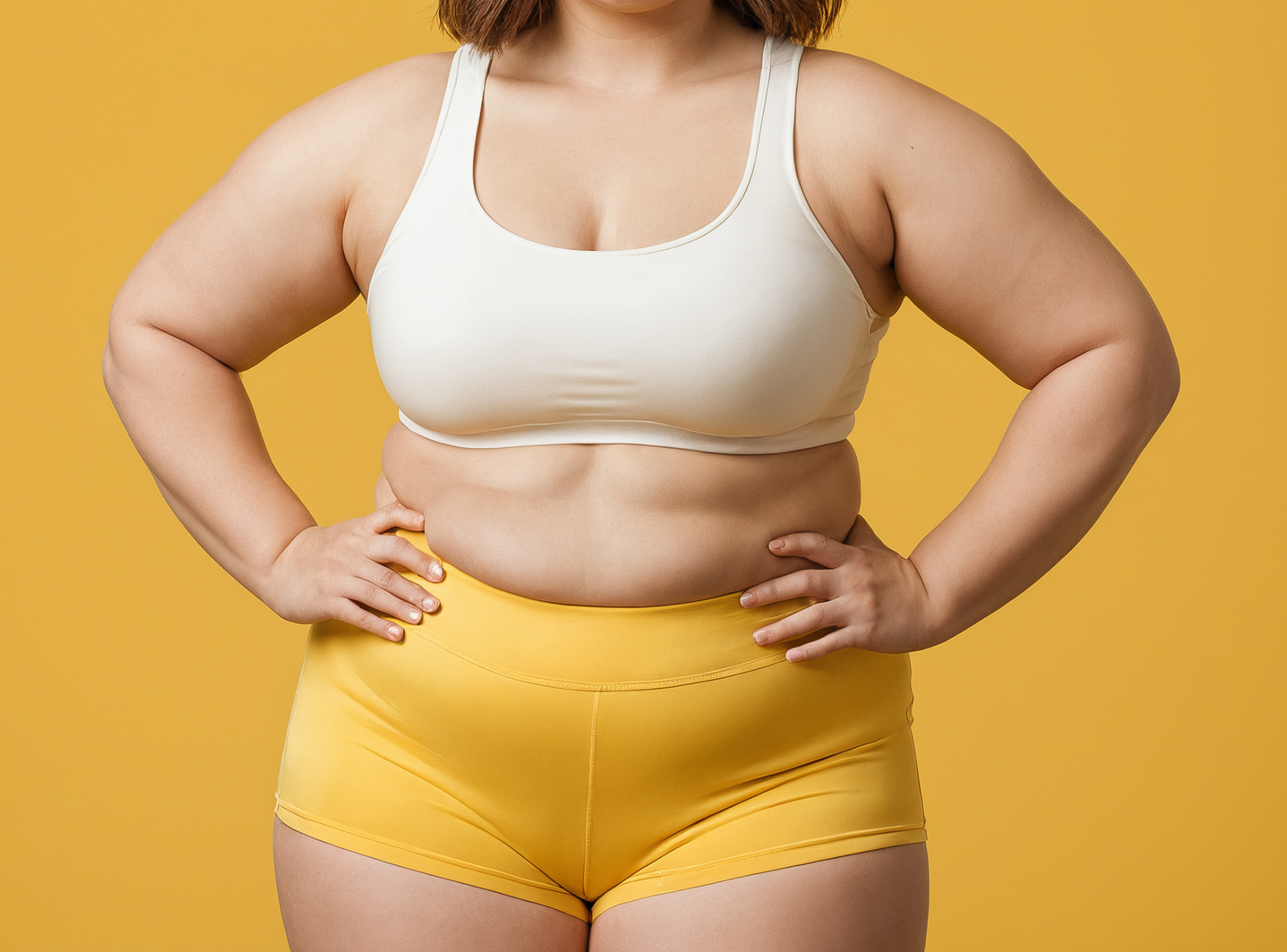
Liposuction is a surgical method for shaping the body. For people with normal skin elasticity, it may be a good way to target areas that don’t respond to diet and exercise. Liposuction is not a good way to lose weight; instead, it is a good way to shape stubborn fat deposits in people who are close to their ideal body weight. Patients who are thinking about getting this kind of cosmetic surgery often ask, “How long does liposuction swelling last?” This answer also has to do with how long it will take for the final liposuction results to show.
Liposuction In Dubai
Liposuction in Dubai is a cosmetic surgical procedure designed to remove excess fat deposits from specific areas of the body to improve shape and contour. It is commonly performed on areas such as the abdomen, thighs, hips, arms, back, and chin, where stubborn fat does not respond to diet or exercise. The procedure involves the use of a thin tube called a cannula to gently suction out fat, resulting in a slimmer and more proportionate appearance. Modern liposuction techniques focus on precision, safety, and minimal downtime, allowing patients to return to normal activities relatively quickly. While liposuction is not a weight-loss solution, it is highly effective for body sculpting and enhancing overall body confidence when combined with a healthy lifestyle.
Liposuction Swelling Generally Resolves Over Several Months
Liposuction swelling can last anywhere from a few months to a year. Most of the swelling goes down in the first few months, but some swelling that is less obvious may take up to a year to go down completely. This is the time it takes for scars to heal and change.
Liposuction Swelling May Fluctuate
Liposuction swelling may also change depending on how active you are and how you are positioned, especially in the first few months. For instance, swelling in the upper arms after liposuction may get worse when your arms are relaxed by your side instead of being held up high. Elevation is recommended after arm liposuction to help with swelling and pain during the early stages of recovery. The amount of swelling after thigh liposuction will also change depending on how active you are. As pain goes away and patients start walking as they can, thigh swelling often gets worse and can change from day to day. Elevating the lower body will help reduce swelling in the thighs after liposuction, and it is recommended during the early stages of healing. Walking short distances is important to lower the risk of venous thromboemboliem (DVT or pulmonary embolism), but raising the legs between periods of movement will help the surgical sites swell less.
Compression Garments May Reduce Liposuction Swelling
After liposuction, it is usually best to wear compression clothes for 3 to 5 weeks. They help the soft tissues heal faster and reduce swelling. Compression clothes also keep gauze dressings in place for the first few days after liposuction.
Activity Restrictions Are Also Recommended To Decrease Liposuction Swelling
It is best to limit your activities for the first month after liposuction to lower the risk of swelling and problems with healing. You shouldn’t work out during this time. Any activity that makes your heart beat faster and raises your blood pressure may make you more likely to bleed, bruise, and swell, and it may also make your wounds heal more slowly.
Why Do I Have Swelling After Liposuction?
It can be disconcerting to have swollen areas after liposuction, as the primary objective is to achieve improved body contours. Your body’s response to trauma or injury is swelling of any kind. Although you should be aware that liposuction is safe, your body perceives it as an injury and responds accordingly. The general anesthesia administered during the procedure induces the dilation of blood vessels and the subsequent leakage of fluid. The blood vessels are also damaged by the motion of the cannula under the skin, which results in bruising and leakage. The body requires time to fully recover from liposuction. Consequently, the majority of the swelling may subside within a few weeks, but it may require several months to resolve entirely.
It is also common to experience swelling following liposuction due to the use of tumescent fluid during the procedure. Tumescent fluid is a saline solution that contains a numbing agent and other beneficial additives to aid in the relief of pain and the loosening of fat from the surrounding tissues. The excess fluid is eventually absorbed by your body; however, there will be signs of swelling until then.
After liposuction, the extent of swelling is contingent upon numerous variables, including:
- Extent of the Procedure: You will probably experience increased swelling if you undergo liposuction in a significant portion of your body or in multiple locations.
- Treatment Areas: Certain regions have a tendency to retain a greater amount of fluid than others. For instance, the swelling in the abdominal region is likely to be more pronounced than in other regions of the body if you undergo liposuction.
- Your Individual Healing Response: Although swelling is a common experience following liposuction, the extent of swelling and the duration of healing will vary among individuals.
BOOK AN APPOINTMENT TODAY
Top Ways to Reduce Swelling After Liposuction
Anti-inflammatory Medications and Cold Compresses
After liposuction, over-the-counter non-steroidal anti-inflammatory drugs (NSAIDs) such as naproxen and ibuprofen can be helpful in reducing swelling and reducing any discomfort. This is provided that the doctor has cleared you to take them. Additionally, the application of gentle cold compresses to the treatment area will alleviate pain and swelling.
Wear Compression Garments
Your surgeon will likely require you to wear compression garments for the initial few weeks of your recovery following liposuction. Compression garments not only assist in the shaping and support of your newly slimmer figure, but they also promote circulation and reduce swelling.
Keep Treatment Areas Elevated
Elevating the regions where liposuction was performed is an effective method for reducing swelling. Elevation facilitates the drainage of excess fluid from the body, which can alleviate swelling. Therefore, it is crucial to elevate the affected areas.
Rest and Relax
Rest is an essential element of recovery, as it provides the body with the energy necessary to heal. Managing stress can also facilitate the healing process. Therefore, it is advisable to engage in deep breathing or meditation to further reduce inflammation in the body.
Engage in Gentle Movement
While recuperating, it is recommended that you participate in gentle physical activity, particularly walking. Movement enhances blood circulation, which in turn reduces swelling and maintains the circulation of other bodily fluids. Your surgeon will provide you with guidance regarding the appropriate time to increase your level of physical activity. Therefore, it is crucial that you proceed cautiously until you have been cleared by your provider.
Stay Hydrated
Hydration is crucial at all times, but it is particularly crucial during the recovery period of liposuction. Maintaining an appropriate level of hydration facilitates the movement of lymphatic fluid and the elimination of excess fluid.
Lymphatic Drainage Massage
Speaking of the lymphatic system, lymphatic drainage massage is another effective method for reducing swelling. This type of massage is intended to stimulate the lymphatic system, which is responsible for the removal of toxins and fluids from the body. It is imperative that you consult with your surgeon prior to receiving lymphatic massage and ensure that you are treated by a specialized massage therapist who is knowledgeable in post-surgical lymphatic drainage techniques. Always consult with your surgeon prior to administering this treatment.
What Makes Swelling Worse After Liposuction?
Overdoing it During Recovery
Although it is recommended to engage in physical activity following surgery to facilitate healing, excessive activity can have the opposite effect. It is imperative that you adhere to the instructions provided by your surgeon regarding the appropriate time to increase your activity. Inflammation and swelling in your healing cells may be exacerbated by undertaking an excessive amount of work prematurely.
Infection
Although the likelihood of infection following liposuction is generally low, it persists. Increased swelling in the treatment area is one indication of infection.
High Sodium Intake
The majority of individuals are aware that puffiness in their hands or face is a symptom of excessive salt consumption the following day. Consuming an excessive amount of salt during the recovery period from liposuction will exacerbate swelling by causing the body to retain excess water.
MEET THE EXPERT DOCTOR
Best Plastic Surgeon In Dubai For Liposuction
Best Plastic Surgeon in Dubai for Liposuction offers advanced body contouring solutions designed to remove stubborn fat and enhance natural body proportions. Dr. Perfect Celebrity is widely recognized for delivering personalized liposuction treatments using modern techniques that prioritize safety, precision, and smooth results. Patients receive a detailed consultation to assess their goals, body type, and medical history before the procedure is planned. The clinic utilizes minimally invasive methods that help reduce downtime, minimize scarring, and promote faster recovery. Whether targeting the abdomen, thighs, arms, back, or chin, the surgeon focuses on achieving balanced and natural-looking outcomes. Comprehensive aftercare guidance and follow-up appointments ensure patients heal properly and maintain their new contours with confidence and long-term satisfaction.
If you’re thinking about getting liposuction in Dubai, please get in touch with us to set up a consultation with Dr. Perfect Celebrity, an experienced plastic surgeon.