





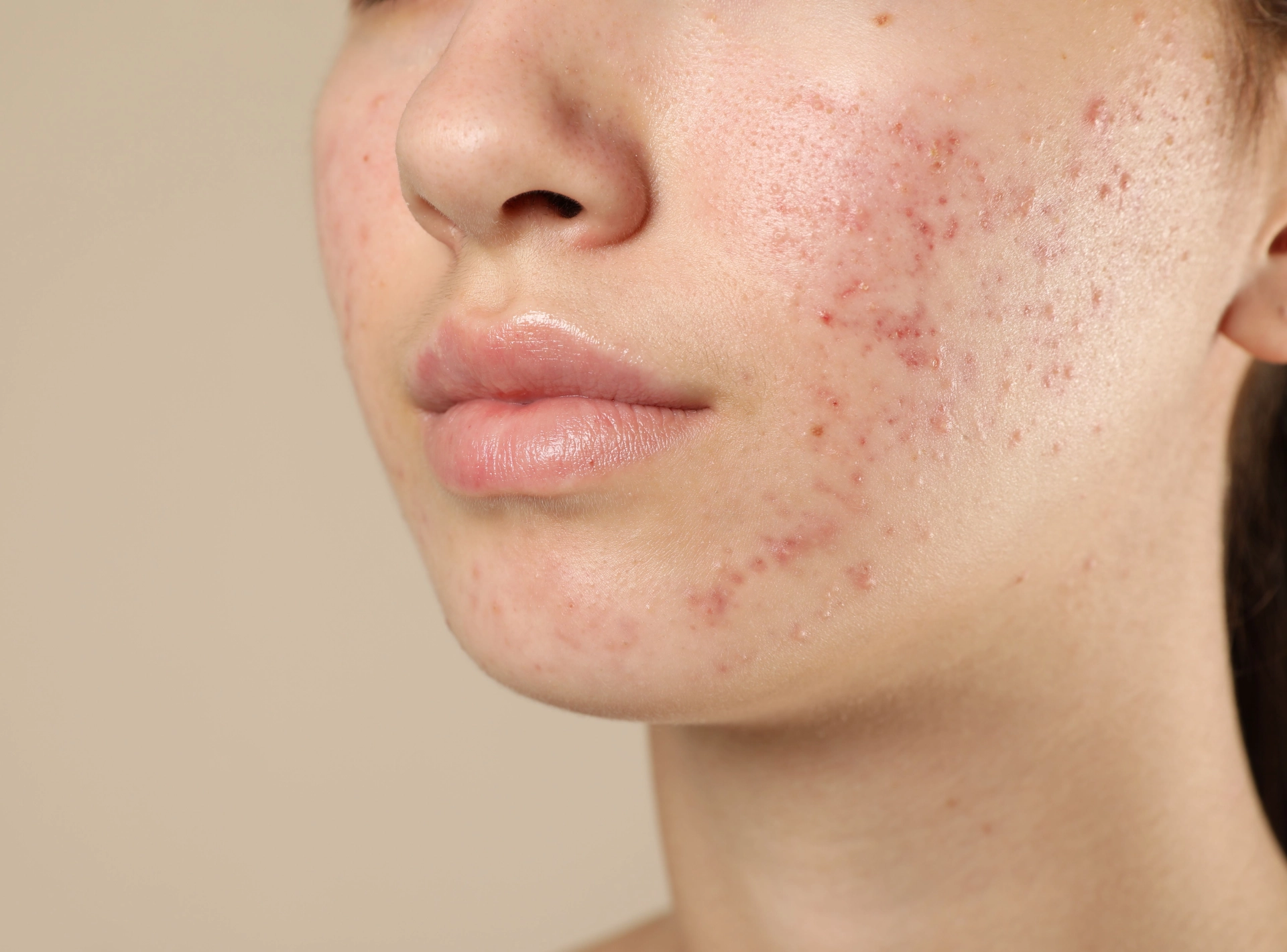
Acne scars can affect both your skin’s appearance and your confidence, but effective prevention and treatment can significantly improve skin texture and tone. With the right skincare routine, early acne management, and advanced acne scar treatments, you can reduce the risk of permanent scarring and achieve smoother, healthier-looking skin.
Acne Scars Treatment In Dubai
Acne Scars Treatment in Dubai are specialized procedures designed to reduce the appearance of scars left behind after acne has healed. Depending on the type and severity of the scarring, treatments may include microneedling, laser resurfacing, chemical peels, dermal fillers, subcision, or radiofrequency-based therapies. These procedures stimulate collagen production, improve skin texture, and smooth uneven areas for a more refined complexion. A personalized treatment plan is often recommended after a detailed skin assessment, as different scar types respond to different techniques. With consistent treatment and proper skincare, acne scar treatments can significantly improve skin texture, restore confidence, and provide long-lasting, natural-looking results.
Acne Treatment In Dubai
Acne Treatment in Dubai is designed to control active breakouts, reduce inflammation, and prevent future acne while improving the overall health of the skin. Treatment options vary depending on the severity of acne and may include medical-grade skincare, topical medications, oral medications, chemical peels, laser therapy, light-based treatments, and professional extraction procedures. These treatments work by reducing excess oil production, unclogging pores, eliminating acne-causing bacteria, and calming inflammation. Early treatment can also help minimize the risk of permanent scarring and skin discoloration. A customized treatment plan created according to individual skin needs provides the best chance of achieving clearer, healthier, and more balanced skin over time.
BOOK AN APPOINTMENT TODAY
Unfortunately, Acne Can Leave Scars
Scarring from acne is a frequent issue that many individuals deal with. Acne and stubborn, aggressive areas can leave unwanted scars on the skin. People’s confidence and happiness are negatively impacted by this scarring, which is frequently more difficult to heal than the original areas.
Acne scars result from trauma caused by inflammation beneath the skin’s surface, which damages skin cells and breaks down collagen. Because of this damage, your skin cannot regenerate to its previous state, leaving a mark or texture. Because the damage and inflammation occur deeper in the skin, cystic areas have a higher chance of leaving scars.
Anybody, regardless of age, can suffer from acne, a relatively prevalent skin problem. Excess oil production can be brought on by hormonal imbalances, heredity, PCOS, and menopause. This obstructs the skin’s pores, which are tiny channels. Acne can result from the extra oil combining with bacteria that are naturally present on the skin.
What Do Acne Scars Look Like?
Three primary forms of acne scarring exist:
- Atrophic (a breakdown or absence of collagen during healing, resulting in concave scars that penetrate the skin)
- Hypertrophic (too much collagen during healing, resulting in convex scars that protrude from the skin)
- Hyperpigmentation following inflammation
Unwanted texture is created by atrophic scarring, which leaves indentation markings on the skin that are difficult to conceal with cosmetics. There are various forms and types of atrophic scarring. Boxcar scarring typically appears on the cheeks and around the jawline. It is characterized by shallow, indentation lines with sharp edges that are a few millimeters in diameter. These marks might be larger than the original place that generated the scar. Ice pick scarring creates tiny, round, deep indentations that narrow to a point deeper in the skin and are broader at the skin’s surface. They develop around the forehead, where the skin is thinner. Similar to boxcar scars, rolling scars have rounded, sloping borders that give the skin a wavy appearance. They usually show up in the vicinity of the cheeks.
Hypertrophic scarring results in lumps and bumps that protrude from the skin’s surface. Many times, hypertrophic scarring is inherited. Keloid scarring is one type of hypertrophic scarring that can result in unwanted, enlarged scars due to excessive collagen production. Skin of color is especially prone to keloid scarring.
The skin doesn’t always retain its texture after scarring. Many people have Post-Inflammatory Hyperpigmentation (PIH), which affects skin tone. This will show up as red or pink marks on lighter skin tones and as dark brown or grey on darker skin tones. The color patches can emerge on any portion of the face and often reflect the acne-affected areas.
Why Do My Acne Scars Look Worse On Some Days?
Depending on the condition of your skin, acne scars may seem different every day. Alcohol intake, stress, hormonal fluctuations, and dehydration can affect how your skin looks overall and highlight any textural scarring or discoloration you may have.
Even on days when you might not feel your best, you can enhance your general skin health and lessen the look of scars by sticking to a good skincare routine that includes ingredients like hyaluronic acid to hydrate your skin and retinoids to encourage skin cell turnover.
How To Prevent Acne Scars
There are precautions you may take to minimize your risk of scarring, but some people are prone to it and may find it impossible to totally prevent it.
As tempting as it may be, avoid plucking or squeezing in order to avoid causing additional skin damage. This also means that healing areas should be left alone, scabs should not be disturbed, and they should be allowed to heal naturally. As part of the healing process, it can be quite tempting to use creams that dry out your areas, but doing so could worsen scarring. Continue using products that include hyaluronic acid, which will hydrate your skin without being oily and adding to the excess oil on your skin. Hydrated skin heals better because it promotes skin cell renewal.
Salicylic acid is another chemical to look for; it will break down oil and gently exfoliate your skin, clearing your pores and minimizing outbreaks. As an antioxidant, vitamin C will shield your skin from environmental harm and pollution that could exacerbate scarring. Retinoids, like retinol and retinaldehyde, will strengthen and aid in the repair of your skin by increasing the turnover of skin cells.
Sun exposure can darken any discoloration and slow down the healing process; therefore, it’s crucial to remember to use sunscreen every day. Choose a broad-spectrum sunscreen with an SPF of at least 35. Bring a sunscreen spray to reapply throughout the day if you’re going out and about.
Maintaining your skin’s strength and protection while being gentle with it is essential to avoiding scarring as much as possible.
How To Treat Stubborn Acne Scars
Treating acne scars can be difficult, particularly if they are textured. Scarring has historically been treated with skincare products like rosehip oil, lemon juice, honey, black seed oil, and aloe vera. The main reasons these chemicals are used so frequently to treat scars are that they combine hydration and exfoliation; however, some people might find they require something a little more potent. You will receive a thorough evaluation and the most effective treatments for your issues during a consultation with a dermatologist.
Treatments for atrophic scarring include chemical peels, which exfoliate the skin, and laser and microneedling, which reconstruct the skin by promoting the creation of collagen. Small doses of dermal filler can be injected to assist in leveling the texture of the skin in cases with deep atrophic scarring.
Your dermatologist can suggest steroid injections or surgery to remove the extra tissue in order to alleviate hypertrophic scarring. When treating keloid scars, it’s crucial to keep in mind that procedures that need additional skin opening frequently cause them to recur.
PIH usually goes away on its own, but if you have persistent discoloration, laser treatments and skincare products containing retinoids and pigmentation-inhibiting substances like licorice root, kojic acid, resorcinol, and alpha arbutin will help eliminate it more quickly.
Treating scars is not the same as treating active acne, and it’s critical to address the scars’ underlying cause first.
How Many Microneedling Sessions Are Needed To Treat Acne Scars?
The degree of your scarring will determine how much treatment you require. The majority of people require six sessions spaced four to six weeks apart. You might require up to 12 sessions if your scarring is severe.
Call our non-surgical patient advisers if microneedling appeals to you. They may schedule a customized consultation for your acne scars with one of our consultant dermatologists, Dr. Perfect Celebrity. Based on your needs and concerns, Dr. Perfect Celebrity will be able to conduct a thorough assessment of your skin and provide you with information on the best treatments.
One common and undesirable side effect of acne is acne scarring. Many people find it difficult to repair acne scars at home; consulting a dermatologist will provide you with the finest options to meet your specific needs. A dermatologist at Perfect Doctors Clinic in Dubai will evaluate your concerns and recommend the best course of action for your skin when you schedule your consultation.
MEET THE EXPERT DOCTOR
Best Aesthetic Clinic In Dubai For Acne Scars Treatment
Best Aesthetic Clinic in Dubai for Acne Scars treatment offers advanced, personalized solutions to improve skin texture, reduce visible scarring, and restore a smoother, more even complexion. Perfect Doctors Clinic provides comprehensive skin assessments to determine the type and severity of acne scars before creating a customized treatment plan. Depending on individual needs, treatments may include microneedling, laser resurfacing, chemical peels, dermal fillers, radiofrequency-based therapies, and collagen-stimulating procedures. Every treatment is performed using modern techniques with a strong focus on safety, precision, and patient comfort. The goal is to minimize the appearance of acne scars, enhance skin quality, and promote long-lasting, natural-looking results. With experienced care, advanced technology, and personalized follow-up, patients can achieve healthier, clearer, and more confident-looking skin.