





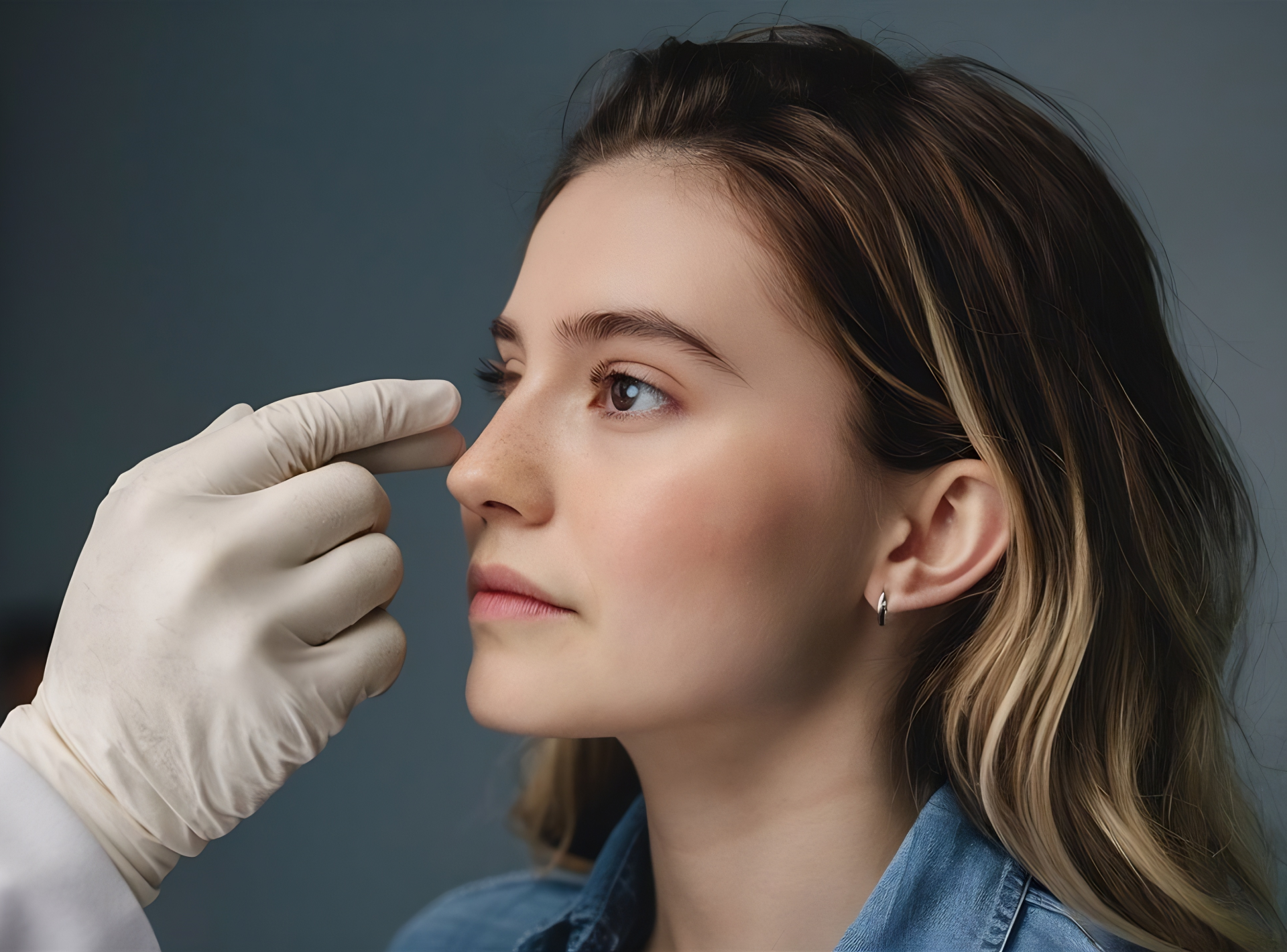
There are some normal side effects that happen after rhinoplasty, just like with any other surgery. One of the most common things that happens is that the nose bleeds a little. Seeing blood coming from your nose while you heal from your rhinoplasty can be shocking or even scary. However, knowing what to expect can help you keep an eye out for real problems. In this blog, we’ll talk about what you need to know about bleeding after rhinoplasty, like how to stop it and when you should be worried.
Nose Surgery In Dubai
Nose Surgery in Dubai is a popular cosmetic and functional procedure used to improve the look and structure of the nose. Many people choose Nose Surgery in Dubai to improve facial harmony or address breathing problems. Mild bleeding or oozing in the first two days after rhinoplasty is normal, as the tissues heal. To help stop bleeding after nose surgery, patients should elevate their heads while resting or sleeping, which lowers blood pressure in the nasal area and reduces bleeding. Using a cold compress on the nose and cheeks can also help to constrict blood vessels and control minor bleeding. Patients should avoid blowing their nose, bending over, heavy lifting, or engaging in strenuous physical activity during the early recovery period, as these actions may cause bleeding. It is also critical to gently replace any gauze placed beneath the nose as directed by the surgeon to absorb drainage. Staying hydrated and avoiding hot drinks and spicy foods in the first few days can help to reduce the risk of bleeding. If bleeding becomes heavy, continuous, or does not improve with simple care measures, patients should contact their surgeon right away for medical advice. Most patients recover smoothly and with few complications after rhinoplasty if they carefully follow post-operative instructions and give their bodies enough time to heal.
Is It Normal For My Nose To Bleed After Rhinoplasty?
It’s normal and common to have mild nosebleeds after rhinoplasty as part of the healing process. There are delicate blood vessels inside your nose, and surgery can make them angry and mess them up. This is especially true if your rhinoplasty involved work on your septum, like septoplasty, which makes it more likely that you will bleed from your nose after the surgery.
You might see blood-stained mucus or light bleeding for the first few days after surgery, especially when you stand up, strain, or lean forward. Most of the time, these things aren’t a big deal because the bleeding is usually small and goes away on its own with the right care and time.
How To Avoid Nosebleeds During Rhinoplasty Healing
It’s normal to have a little bleeding after rhinoplasty, but there are things you can do to lower your risk of getting a nosebleed or making one worse after your surgery, such as:
- To reduce swelling and blood flow to the area, sleep with your head on two or more pillows.
- For at least two weeks, you shouldn’t do anything that requires a lot of effort, like lifting heavy things or bending over.
- Don’t blow your nose for at least one to two weeks. After that, only do it very gently when Dr. Perfect Celebrity says it’s safe.
- Use a humidifier to maintain moisture in the air and prevent your nasal passages from drying out.
- Follow your post-operative instructions very closely, especially when it comes to using saline sprays, ointments, and medications that your doctor has prescribed.
- Don’t smoke or drink alcohol, as both can slow down healing and make your nose feel bad.
How Long Will My Nose Bleed After Rhinoplasty?
Most patients have some bleeding from their noses in the first three days after surgery. After that, the bleeding usually stops and turns into a lighter pink or yellow discharge as your tissues heal.
But the recovery time after rhinoplasty is different for each person. You might see a few drops of blood up to a week after the surgery, especially if you sneeze or blow your nose gently.
What To Do To Stop A Post-Rhinoplasty Nosebleed
If your nose starts to bleed while you’re recovering from rhinoplasty surgery, follow these steps to handle it safely:
- Stay calm: Stress and anxiety can make your blood pressure go up, which can make bleeding worse.
- Sit upright and tilt your head slightly forward: This stops blood from running down your throat, which can make you feel sick or cough.
- Use gauze or a drip pad placed lightly under your nose to catch the blood: Change it as needed, but don’t put anything up your nose.
- Avoid blowing your nose or sniffing hard: This can make bleeding worse and make healing tissues more sensitive.
- Breathe through your mouth: To ease the pressure in your nose, slow down your breathing and try to relax.
Call Dr. Perfect Celebrity if the bleeding is a steady stream that lasts more than 35 minutes and soaks through several pieces of gauze every 15 minutes.
Please remember that Dr. Perfect Celebrity is very gentle. Severe bleeding is very rare in his practice. He has only had to take patients back to the operating room to stop serious nasal bleeding twice in 19 years of practice and thousands of nasal procedures. We bring this up to help patients understand that bleeding, even if it’s not a lot, is normal and usually not something to worry about. If you do bleed, please follow the steps below in this blog to know what to do.
BOOK AN APPOINTMENT TODAY
When To Contact Dr. Perfect Celebrity
Use the following method, which will stop 96% of bleeding, before calling Dr. Perfect Celebrity.
First, spray saline solution into the nose to get rid of any loose clots or blood that is still liquid. After that, spray a lot of Afrin® nasal spray through the opening in the nasal splint and around the splint into the nostril. The best way to do this is to lie back and point the bottle nozzle down so that the medicine comes out as a stream of fluid instead of a mist spray. You can spit out any medicine that gets to the back of your throat. Even if only one nose is bleeding, do this to both.
There are a lot of store-brand and generic versions of Afrin®. Find nasal sprays that have Oxymetazoline in them. You don’t need a prescription to buy Afrin® or any of the generic versions. It can be scary to have a nosebleed. This method stops almost all of them.
Bleeding is a normal side effect and usually not a cause for concern, but there are times during your rhinoplasty recovery when you should call Dr. Perfect Celebrity, such as when:
- Bleeding that soaks through a few gauze pads in less than ten minutes.
- Nosebleeds that last more than half an hour.
- A steady stream of bright red blood for more than 35 minutes that doesn’t stop, instead of light spotting.
- Sudden onset of substantial hemorrhage, as previously detailed, following several days devoid of symptoms.
- Any signs of an infection, like a fever or discharge that smells bad.
Learn More About Rhinoplasty Recovery In Dubai
The first thing you need to do when you’re ready to have rhinoplasty surgery is choose the right surgeon. Dr. Perfect Celebrity is a board-certified plastic surgeon who specializes in rhinoplasty surgery. He has worked hard to improve his skills and techniques so that his patients get results that look natural and balanced.
Dr. Perfect Celebrity and his team are always available to make sure your recovery is as safe and comfortable as possible. If you have any concerns about healing after rhinoplasty or are having strange nosebleeds, please let them know. Fill out our online contact form to learn more and set up a meeting with Dr. Perfect Celebrity.
MEET THE EXPERT DOCTOR
Best Plastic Surgeon In Dubai For Nose Surgery
Best Plastic Surgeon in Dubai for nose surgery is available at the Perfect Doctors Clinic, where Dr. Perfect Celebrity provides expert care and guidance to patients undergoing Rhinoplasty. Mild bleeding during the early recovery period following nose surgery is a common concern, but it is generally normal as the tissues heal. Dr. Perfect Celebrity recommends that patients elevate their heads while resting or sleeping to relieve pressure in the nasal area and help control bleeding. Applying a cold compress to the nose and cheeks can help reduce swelling and constrict blood vessels, potentially decreasing bleeding. Patients should avoid blowing their nose, bending forward, heavy lifting, and strenuous physical activities for the first few days after surgery because these actions can cause or worsen bleeding. If slight drainage occurs, it is also recommended that the gauze placed under the nose be gently changed while carefully following the surgeon’s instructions. Staying hydrated and avoiding hot beverages and spicy foods in the first few days may also help prevent irritation, which could lead to bleeding. Dr. Perfect Celebrity and the experienced team at Perfect Doctors Clinic closely monitor each patient’s progress and provide detailed aftercare instructions to ensure safe healing and optimal results. If bleeding becomes heavy, persistent, or unusual, patients should contact their surgeon right away for professional medical advice and treatment.