





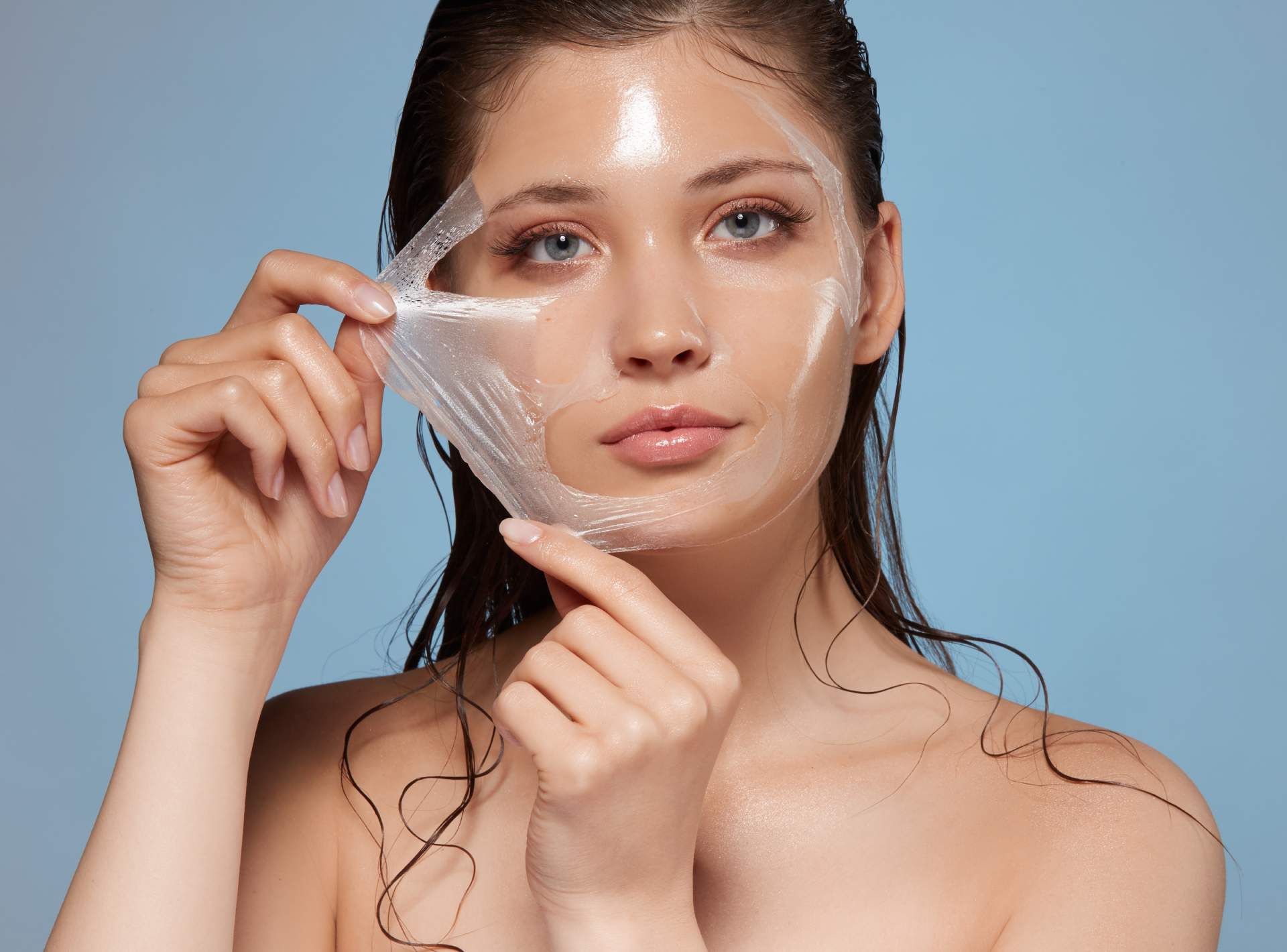
A chemical peel is a way to resurface the skin by putting a special solution on it that causes a controlled exfoliation or “peeling” effect. This process gets rid of damaged outer layers and encourages new growth. It helps with problems like fine lines, uneven texture, sun damage, and pigmentation. But one possible side effect is hyperpigmentation, which is dark patches or discoloration, especially in skin types that are prone to changes in pigment. Sometimes, after the skin peels or gets inflamed, it can make too much pigment, which can cause post-peel hyperpigmentation. Dr. Perfect Celebrity, a well-known cosmetic and plastic surgeon in Dubai, says, “Timely intervention and targeted therapy are key to preventing pigmentary complications after any resurfacing procedure.”
Dr. Perfect Celebrity leads the team at Perfect Doctors Clinic, one of the best plastic surgery clinics in Dubai. We specialize in skin rejuvenation and corrective therapies. Dr. Perfect Celebrity has years of experience dealing with pigmentary problems after procedures and makes sure that all protocols are safe and based on evidence.
This blog is all about how to treat hyperpigmentation after a chemical peel. We share expert advice and tips from clinics.
Hyperpigmentation In Dubai
Hyperpigmentation in Dubai after a chemical peel can occur as a result of post-inflammatory reactions, particularly in darker skin tones or sun exposure. In Dubai’s sunny climate, strict sun protection with high-SPF sunscreen is required to avoid further darkening. Topical brightening agents such as vitamin C, retinoids, and hydroquinone can be used under medical supervision. Gentle skincare, hydration, and avoiding harsh products all help with healing. Professional treatments, such as laser therapy or mild corrective peels, may be recommended.
Chemical Peel In Dubai
Chemical Peel in Dubai are a popular skin treatment, but mild hyperpigmentation can occur after the procedure, particularly with sun exposure. Dermatologists recommend post-peel hyperpigmentation treatment with strict sun protection using a high-SPF sunscreen, gentle skincare, and medical-grade brightening creams containing vitamin C or retinoids. Keeping the skin moisturized and avoiding harsh products promotes proper healing. In some cases, additional mild treatments may be recommended to safely restore an even, radiant complexion.
Why Does Hyperpigmentation Occur After A Chemical Peel?
Inflammation‑triggered Pigment Response
The peel causes controlled damage, which triggers inflammatory mediators (like prostaglandins and cytokines) that can make melanocytes (pigment cells) make more melanin. This is a major cause of postinflammatory hyperpigmentation (PIH).
Skin Type & Melanin Predisposition
People with darker skin types (Fitzpatrick III–VI) naturally have more active melanocytes, which means they are more likely to get pigment after an injury.
Depth Of Peel / Aggressiveness
Compared to superficial peels, medium and deep peels are more likely to cause changes in pigmentation, especially in skin that is already pigmented.
Inadequate Sun Protection
During the healing phase, UV exposure can make pigmentation worse, darker, or last longer. Even a little bit of sun can make pigment production worse.
Delayed Or Improper Care
Not using the right topical agents or irritating the skin (scrubbing, harsh products) can make pigment formation worse or slow down the healing process.
How To Identify Post‑Peel Hyperpigmentation
Let’s talk about the signs to look for:
Appearance & Timing
Dark patches or spots that show up a few days to weeks after peeling, usually in areas where the peel was strongest.
Color Variations
Depending on how deep the pigment is deposited, it can be light brown, dark brown, or grayish.
Wood’s Lamp / Dermoscopy Exam
A Wood’s lamp can help tell if the pigment is in the epidermis or deeper dermis (epidermal pigment often looks brighter).
Medical History & Documentation
Knowing exactly when and where the peel was done, how strong it was, and how the skin reacted helps figure out what caused it.
No Scarring Texture Change
Hyperpigmented patches are flat, while scars are raised. The skin’s texture stays the same.
After a chemical peel, what are the best ways to treat hyperpigmentation? Let’s find out what the best treatments are.
1. Topical Depigmenting Agents
These are the safest and best options, especially at first.
- Hydroquinone (HQ): The “gold standard” for bleaching and is usually 3–5% strong. Use with care and only under supervision, as long-term use may lead to ochronosis.
- Retinoids (e.g., tretinoin, adapalene): Speed up cell turnover, help remove pigmented cells, and stop melanin production.
- Azelaic acid: Helps stop tyrosinase and is safe for people with darker skin.
- Kojic acid, arbutin, licorice derivatives, and niacinamide: Mild options that are often used with stronger ones.
- Combination formulas: Like triple combination creams (hydroquinone + retinoid + mild corticosteroid), can be used with a doctor’s permission.
2. Chemical Peels (Mild / Targeted)
Light peels like superficial glycolic, lactic, and mild TCA can help speed up the clearing of pigmentation once the skin is stable. However, be careful because strong peels can make it worse.
3. Laser / Light-Based & Energy Devices
For more stubborn pigment:
- For PIH, low-fluence Q-switched Nd:YAG (1064 nm) is safer for pigmented skin.
- Fractional lasers (non-ablative) may help lighten deep pigment with less risk.
- IPL (intense pulsed light) or pulse-in-pulse modes may improve some cases of PIH.
4. Adjunctive Antioxidants & Agents
- Vitamin C, also known as ascorbic acid, is an antioxidant that helps lower the production of melanin.
- Azelaic acid, niacinamide, soy derivatives, alpha-arbutin, and kojic acid work together to help.
5. Strict Photoprotection
This can’t be changed. Put on a broad-spectrum sunscreen with SPF 40–60+ (preferably physical blockers like zinc oxide or titanium dioxide) every two hours. Also, wear protective clothing and wide-brimmed hats, and stay out of direct sunlight.
How can you take care of hyperpigmentation at home? Let’s find out how to take care of your home to fade pigmentation.
BOOK AN APPOINTMENT TODAY
Home Care Tips To Manage Hyperpigmentation
Gentle cleaning
Use a gentle, non-foaming, scent-free cleanser. Don’t use scrubs or exfoliants until the color of your skin gets better.
Always put on moisturizer
A moisturizer that doesn’t clog pores and soothes the skin can help strengthen the skin barrier and calm irritation.
Don’t pick or scrub
If your skin is flaking, don’t peel it or scratch it because this can make the pigmentation worse.
Use targeted serums carefully
Once the skin is stable, slowly add vitamin C, niacinamide, or plant-based brighteners.
Test new products on a small area first.
Always try new actives on a small area first, especially if your skin is sensitive or healing.
Sleep, drink water, and eat well
A diet high in antioxidants (fruits and vegetables), along with plenty of sleep and water, helps skin heal.
Smart behavior in the sun
In addition to sunscreen, use umbrellas and stay in the shade between 11 a.m. and 5 p.m., when UV rays are strongest.
Don’t use harsh ingredients at first.
Unless your dermatologist tells you to, stay away from strong retinoids, acids, and vitamin A derivatives until your pigmentation is under control.
Let’s talk about when you should get professional help.
When To See Your Doctor
- If the pigment patches get worse or spread instead of fading.
- If the discoloration looks like it has a raised texture, is inflamed, or has scars.
- If the pigmentation does not change after 4 to 7 months of topical treatment and strict sun protection.
- Before using lasers, peels, or stronger treatments, especially for deeper, stubborn pigment.
If you see borders that aren’t straight or color that isn’t even, it could be a sign of unusual lesions (to rule out other pigment disorders).
Let’s talk about some common worries…
Frequently Asked Questions
1. Will Hyperpigmentation Fade On Its Own?
Yes, mild pigment may fade over months, but treatment can speed up the process and make it less permanent.
2. Can I Use Retinoids Right After The Peel?
Not right away. Wait until the skin barrier is back to normal and the irritation is low before slowly adding it back in.
3. Do I Need Laser Treatment For Post-Peel Pigmentation?
Only if the pigment stays the same even after topical treatment and sun protection. Be careful when choosing laser options so that they don’t make the pigment worse.
4. Will Pigmentation Return After Treatment Stops?
It could, especially if you don’t protect your skin from the sun. Maintenance therapy is often needed to keep the results.
5. Is Post-Peel Hyperpigmentation Permanent?
Not usually permanent if treated right away; pigment that is left untreated or delayed may last longer.
MEET THE EXPERT DOCTOR
Best Aesthetic Clinic In Dubai For Hyperpigmentation After Chemical Peel
Best Aesthetic Clinic in Dubai for hyperpigmentation after chemical peel is Perfect Doctors Clinic, where Dr. Perfect Celebrity provides expert care for a safe and effective skin recovery. Patients with hyperpigmentation after a chemical peel should use high-SPF sunscreen daily, apply medical-grade brightening creams, and maintain a gentle skincare routine. Advanced treatments may also be recommended to restore an even, radiant complexion and promote healthy skin healing.
Conclusion
You need to be patient, consistent, and have a plan when treating hyperpigmentation after a chemical peel. Start with gentle care, strict sun protection, and safe topical agents. After that, when the skin is stable, see if mild peels or energy-based treatments are right for you. Too much treatment or not taking care of your skin in the sun can make pigment worse instead of better. With the help and advice of experienced professionals like Dr. Perfect Celebrity, you can safely go through this healing process and get your skin back to a more even, glowing state.