





Nearly everyone aspires to have flawless skin, but how can one achieve flawless skin? The most effective non-invasive chemical peel procedure has little recovery time. Most people are unable to receive this treatment because of a number of skin-related issues. Do you also want to know if this treatment is healthy for your skin? Let’s get into the details of peel treatment to figure out its suitability for your skin. Additionally, you will learn recovery and aftercare strategies to reduce downtime and improve outcomes. Let’s start by defining what a chemical peel is.
Chemical Peel In Dubai
Chemical Peel in Dubai is a skin-resurfacing treatment that uses safe, controlled chemical solutions to exfoliate the top layers of the skin, revealing a brighter, smoother, and more even complexion underneath. It helps improve pigmentation, fine lines, acne scars, and overall skin texture.
What Is a Chemical Peel?
A chemical peel is a cosmetic procedure used to treat dull skin, wrinkles, fine lines, acne, pigmentation, and acne scars. In this procedure, a chemical solution is applied to your skin to remove damaged outer layers. The new, healthy, and smooth skin that results from this removal gives you a refreshed appearance. This procedure treats precancerous lesions and enhances the texture of the skin. This treatment offers different types of peels, including superficial, medium, or deep. Because of their differences in chemical solutions and depth of penetration, the aesthetician can tailor the treatment to address particular skin issues.
Benefits of Chemical Peels for Skin
The benefits of a chemical peel for the face are incredible, especially for individuals with dull skin and acne-prone skin. The obvious advantages are:
- Softer, more radiant skin with a radiant face.
- Reduced sunspots and damaged skin.
- Less noticeable fine lines.
- Hyperpigmentation is lessened.
- Mild acne improvement.
- Fewer open pores.
Are Chemical Peels Safe for All Skin Types?
Chemical peels are safe for all skin types because they are a hyper-personalized treatment that can be customized to suit different skin types. Because every skin type reacts differently, selecting the appropriate peel is essential for both efficacy and safety.
Normal Skin
Chemical peels are usually well tolerated by normal skin. Alpha-hydroxy acids (AHAs), such as glycolic and lactic acid, are found in peels that gently exfoliate, brighten, and increase collagen without causing significant irritation. These peels are perfect for people with balanced skin texture and moisture because they preserve smoothness and even skin tone while encouraging healthy cell renewal. Are you prepared to shine? To show off your best skin, schedule your chemical peel with us right now!
Suitable Chemical Solutions
- Peel with glycolic acid
- Lactic acid peel
- Peels combined with AHAs and fruit enzymes
Oily Skin
Salicylic acid, a beta-hydroxy acid (BHA) that deeply penetrates pores to dissolve excess oil and unclog them, is a great help for oily skin. This lessens inflammation, blackheads, and acne. Salicylic, glycolic, and lactic acids are some of the combination chemicals that can balance oil production and improve texture without over-drying acne scars.
Suitable Chemical Solutions
- Salicylic acid peel
- Jessner’s peel (lactic + salicylic + resorcinol)
- Combination peels blending salicylic, lactic, and glycolic acids
Dry Skin
Dry skin responds well to gentle AHAs like lactic and glycolic acids that promote exfoliation while improving hydration by attracting and retaining moisture. Without removing natural oils, these peels restore smoothness and radiance by stimulating collagen and softening rough, flaky areas. Go ahead and schedule your session after reviewing the treatment costs!
Suitable Chemical Solutions
- Lactic acid peel
- Glycolic acid peel
- AHA Exfoliation and antioxidant benefits are combined in vitamin C peels.
Sensitive Skin
To prevent irritation, redness, or burning, sensitive skin needs extremely mild peels with low acid concentrations. Lactic acid peels are preferred because they exfoliate mildly and soothe the skin. To customize the peel and prevent side effects, it is essential to speak with a dermatologist.
Suitable Chemical Solutions
- Mild lactic acid exfoliation
- Avoid deep or aggressive peels
- If tolerated, a mild glycolic acid peel
Darker Skin Tones
If used carefully, mild superficial chemical pigmentation peels with lactic, glycolic, or salicylic acids can be both safe and effective. These peels help reduce hyperpigmentation and improve texture while lowering the risks of irritation and discoloration. If not properly managed, deep peels or stronger acids may result in pigment changes or scarring.
Suitable Chemical Solutions
- Mild peel of lactic acid
- Salicylic acid peels that are superficial
- Low concentrations of glycolic acid peel
BOOK AN APPOINTMENT TODAY
How to Prepare for a Chemical Peel
To get the best results and reduce side effects, it’s essential to properly prepare your skin before a chemical peel. First, it is important to avoid abrasive exfoliation and physical scrubs for at least two weeks before the treatment. These may result in tiny skin tears that exacerbate the peel’s irritation. Instead, to keep your skin hydrated and healthy, use the mild cleansers and moisturizers that your skincare specialist recommends. Furthermore, a lot of experts advise beginning a pre-peel skincare routine that might involve topical retinoids or bleaching agents. These facilitate a more uniform peel effect by increasing skin cell turnover and minimizing pigmentation irregularities. During the preparation phase, stay out of direct sunlight and always wear broad-spectrum sunscreen because sun-damaged skin is more likely to experience problems.
Aftercare and Recovery
This is a list of recovery and aftercare guidelines for chemical peels.
- Steer clear of hot water or vigorous scrubbing, as these can cause skin irritation.
- Twice a day, gently wash the treated area with cool or lukewarm water.
- Don’t pick or peel the flaking skin; instead, let it peel naturally.
- To keep the skin hydrated, use a mild moisturizer without any scent on a regular basis.
- For at least a week, stay away from retinoids, exfoliants, makeup, and harsh skincare products.
- To protect sensitive skin, use a broad-spectrum sunscreen with an SPF of 35 or higher every day.
How are Chemical Peels Performed?
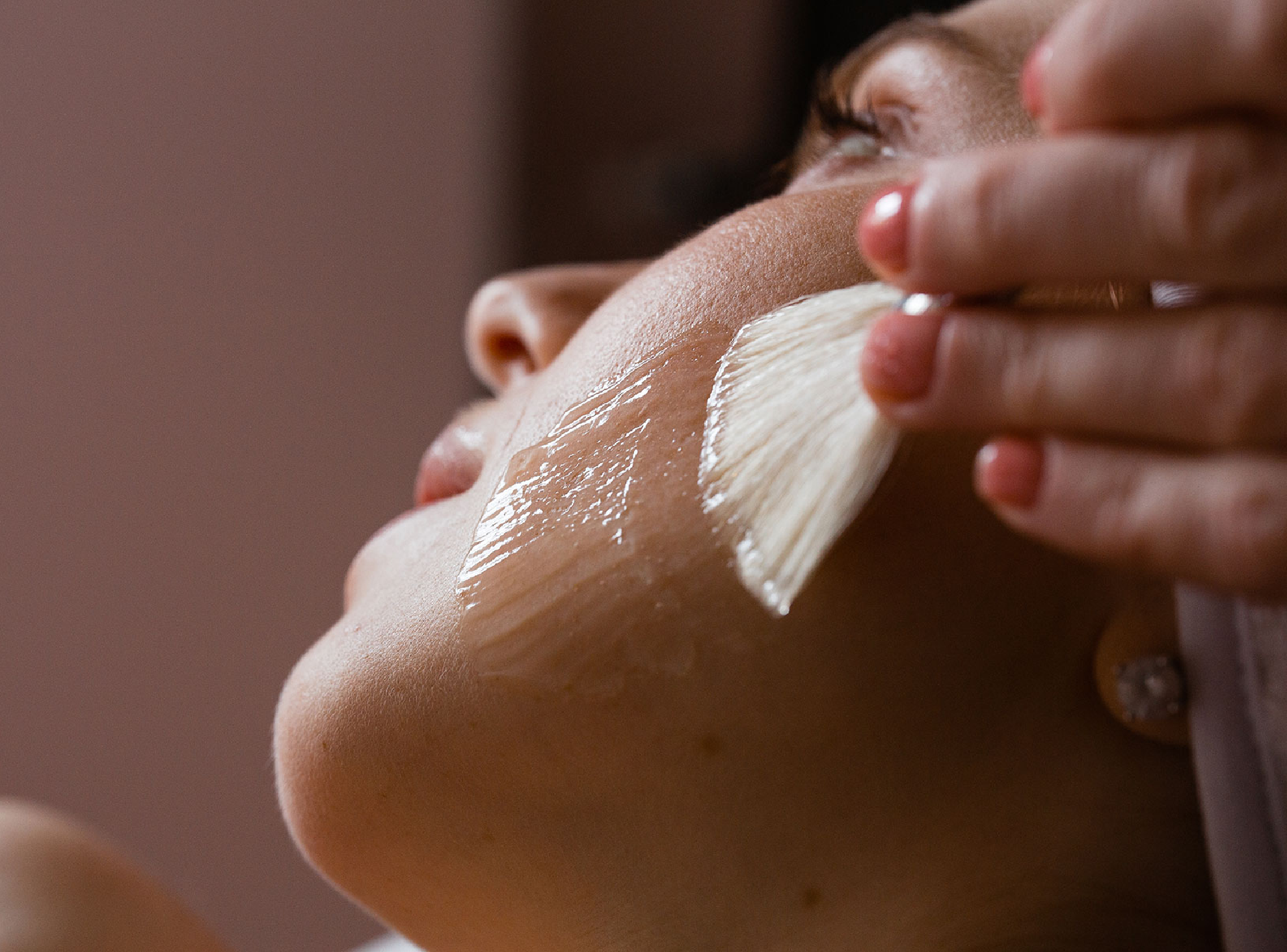
A chemical peel may be carried out in a physician’s office or a surgical facility as an outpatient procedure. Your skin will be meticulously cleansed with an agent that eliminates excess oils, while your eyes and hair are safeguarded. A chemical solution is subsequently applied to your skin. Chemical solutions commonly employed encompass glycolic acid, trichloroacetic acid, salicylic acid, lactic acid, or phenol (carbolic acid). The various types of chemicals induce a controlled injury, each penetrating to a different depth within the skin, subsequently peeling away to expose a new layer of skin.
The various chemical solutions produce distinct outcomes. The selection of the chemical is determined by your intended objective. You will collaborate with your dermatologist to establish the appropriate depth of your peel.
- A light (“lunchtime”) chemical peel offers gradual and modest enhancement, frequently administered as a series. The outermost layer of the skin is excised. This option may be most suitable if you have fine wrinkles, acne, uneven skin tone, or dry, rough, sun-damaged skin, to encourage a healthy radiance. Recovery from this type of peel may occur within several hours to a few days, with minimal to no downtime.
- A medium chemical peel imparts a smooth and revitalized appearance to your skin. The outermost layer and the superior portion of your intermediate skin layer are excised. This option may be most suitable for individuals with uneven or moderate skin discoloration, age spots, acne scars, or fine to moderate wrinkles. Recovery from this type of peel may require one week or longer and may necessitate a period of rest.
- A deep chemical peel yields the most significant and transformative results. This chemical penetrates to the intermediate layer of your skin. The recovery period is extended following a deep peel. This option may be most suitable if you have moderate lines and wrinkles, widespread sun-damaged skin, deep acne scars, uneven skin tone, and/or precancerous lesions known as actinic keratosis. A deep chemical peel necessitates pretreatment for a duration of up to eight weeks. Your physician will furnish detailed instructions. A deep chemical peel is a single-session treatment when applied to the face and involves a considerable recovery period.
To prepare for your chemical peel, certain general guidelines should be followed:
- Refrain from tanning and direct sun exposure for a period of two weeks before each treatment.
- Apply topical agents (such as hydroquinone) according to instructions before treatment to prepare your skin.
- Avoid using any products containing retinoids (such as tretinoin) for one to two weeks before treatment, unless instructed otherwise by your physician.
- If you have been prescribed oral antibiotics or an oral antiviral medication, commence its use at least 1 day before your chemical peel.
- Peel areas must be devoid of any open wounds, lesions, or skin infections.
Your physician will provide you with detailed instructions tailored to your specific peel type and individual skin condition.
Day of peel: Your skin will undergo a comprehensive cleansing process. If you are undergoing a deep chemical peel, you will be administered general anesthesia (you will be rendered unconscious).
The procedure: A solution is applied to your skin during a chemical peel. You may experience a warm to mildly hot sensation that persists for several minutes. This is subsequently accompanied by a sharp, tingling sensation. To alleviate the discomfort, a cool compress may be applied to your skin. The chemical is subsequently rinsed away and/or rendered neutral.
MEET THE EXPERT DOCTOR
Best Aesthetic Clinic In Dubai For Chemical Peel
Best Aesthetic Clinic in Dubai for chemical peel provides advanced skin-rejuvenation treatments tailored to improve texture, clarity, and overall radiance. At Perfect Doctors Clinic, clients receive expert care using high-quality chemical formulations designed for safe and effective exfoliation. With personalized treatment plans and professional guidance, the clinic ensures brighter, smoother, and healthier-looking skin.
Conclusion
By treating common issues like wrinkles, acne, pigmentation, and dullness, chemical peels provide an efficient way to achieve brighter, smoother, and more youthful skin. They produce remarkable results with little downtime when tailored to specific skin types and carried out under professional supervision. To optimize benefits and reduce risks, careful planning and aftercare are crucial. Perfect Doctors Clinic offers customized care and cutting-edge peel options to help reveal radiant, healthy skin for all skin types for those in Dubai thinking about chemical peel treatments.