





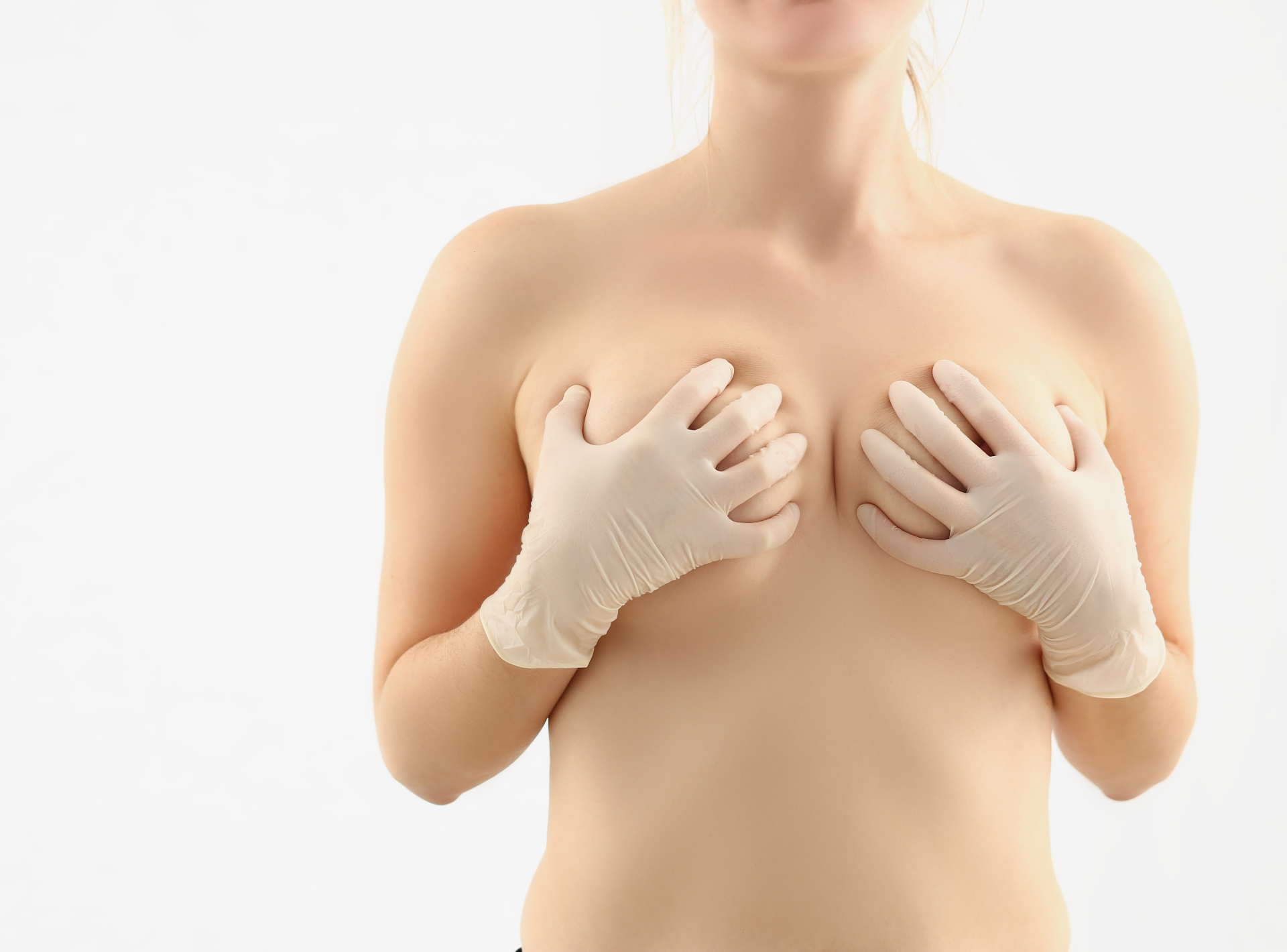
For many women, breast reduction surgery can change their lives by getting rid of both the physical and emotional pain that big breasts can bring. This operation has helped a lot of women improve their quality of life, whether they have chronic neck, back, and shoulder pain, trouble or a lot of pain doing a lot of physical activities, or even trouble finding clothes that fit well.
To get the best outcomes from breast reduction surgery, it’s important to know the requirements, especially when it comes to weight and body mass index (BMI).
In this blog post, we’ll talk about how weight and BMI are important for breast reduction surgery and how they affect the process, the risks, and the recovery.
Breast Reduction Surgery In Dubai
Breast Reduction Surgery in Dubai is a widely chosen procedure for individuals who experience discomfort due to overly large breasts and want to achieve better body balance. One common question patients ask is whether there is an ideal weight for breast reduction surgery. In general, surgeons prefer patients to be close to their stable and healthy weight before undergoing the procedure. This is because significant weight fluctuations after surgery can affect the final results and overall breast shape. While there is no single “perfect” weight for everyone, maintaining a consistent weight helps ensure long lasting and predictable outcomes. Patients who are near their target weight often experience better healing and improved results. During consultation, factors such as body mass index, overall health, and lifestyle are carefully evaluated. By achieving a stable weight before surgery, patients can enhance both the safety and effectiveness of breast reduction while enjoying improved comfort and body proportions.
Weight And Breast Reduction Surgery
Is there a “perfect” weight for breast reduction surgery?
There isn’t one right answer, but being in a healthier weight range can be very crucial for getting the best outcomes and keeping them for as long as possible, as well as lowering the chance of complications before and after surgery. Being overweight or obese does make any operation, including breast reduction, more dangerous. Before having this surgery, you should be at a healthy and stable weight.
Your dedication to keeping a healthy weight can make a big difference in how well your surgery goes. If you lose a lot of weight after surgery, some of the cosmetic benefits of the operation may go away. This is because the breasts will droop more and be less firm and youthful after the weight loss, even though the skin will stay the same.
Understanding BMI And Its Impact
BMI is a number that tells you if someone is underweight, at a healthy weight, overweight, or obese. To figure out someone’s BMI, you divide their weight in kilograms by the square of their height in meters. If you use pounds instead, the formula would be your weight in pounds divided by the square of your height in inches, and then you would multiply that figure by 702.
A BMI of 18.9 to 25 is healthy, while a BMI of 25.5 to 30 is overweight. People with a BMI of 32 or above are termed obese, while those with a BMI of 42 or more are called severely obese.
BMI isn’t a perfect measure of health, and it’s not the only one. It is, however, well known that patients with a higher BMI are more likely to have problems before and after breast reduction surgery. A few of these risks are:
- Increased Surgical Risks: Having a high BMI can lead to problems like slow wound healing, wound separation, tissue death, infection, blood clots, and problems with anesthesia.
- Poor Wound Healing: Obesity can make it harder for the body to heal wounds quickly, which can lead to longer healing times, wound separation, and infection. Scarring that is worse is more common and more noticeable.
- Challenges in Recovery: Patients with a higher BMI tend to have a longer and harder recovery. Too much fat might make it difficult for the body to repair, which makes it tougher to get the best outcomes.
- Reduced Surgical Effectiveness: If you have a high BMI, the amount of tissue removed during the procedure may not transform your appearance in the way you want. Too much fat in other parts of the body may also hide the overall effect of the reduction. Changes in weight following surgery can modify the contour and position of the breasts, which can make the surgery less effective in the long run.
What If You’re Overweight?
Don’t worry if your BMI is greater than it should be. A lot of women can still get breast reduction surgery, but it’s crucial to talk to your surgeon about the best way to move forward. Some individuals are told to lose weight before surgery to lower the risks and make a better outcome more likely.
In a lot of cases, decreasing even a little bit of weight might help you get better outcomes overall. But if your BMI is very high or you are severely obese, your plastic surgeon would probably suggest that you lose more weight.
A board-certified plastic surgeon can help you figure out if you are a good candidate for surgery at your present weight or if you need to lose weight before the surgery.
BOOK AN APPOINTMENT TODAY
Tips For Achieving A Healthy Weight For Breast Reduction
If your BMI is higher than the recommended range, your doctor may tell you to lose weight before getting breast reduction. This isn’t meant to scare you; it’s only to make sure you’re safe and get the best results from your surgery. Here are some things you can do to help you lose weight:
- Consult a Healthcare Professional: It’s very important to talk to your primary care doctor or a qualified nutritionist before starting any weight loss program. They can help you make a strategy that fits your health needs and goals.
- Adopt a Balanced Diet: Eat a balanced diet by focusing on whole, unprocessed foods such fruits, vegetables, lean proteins, and whole grains. Cut back on sugary drinks, processed snacks, and saturated fats.
- Incorporate Regular Exercise: Try to get at least 2.5 hours of moderate-intensity aerobic activity or 1.25 hours of vigorous-intensity aerobic activity every week. Do something you like, like walking, swimming, dancing, or riding your bike.
- Seek Support: Make sure you have a group of friends, family, or a weight loss group that will help you. Talking about your experience with other people can help you stay motivated and inspired.
- Be Patient and Persistent: Losing weight takes time and effort, so you need to stick with it. Don’t let setbacks get you down; instead, celebrate your progress along the way.
Maintaining Your Weight After Breast Reduction
- Continue Healthy Habits: Keep up the healthy diet and activity habits you started before your surgery.
- Monitor Your Weight Regularly: Keep an eye on your weight and body composition so you can see any big changes early on.
- Adjust Your Lifestyle as Needed: Changes in your life, such as getting pregnant, going through menopause, or changing your activity level, might affect your weight. Be ready to change your diet and workout plan as needed.
- Stay Connected with Your Surgeon: It’s important to have regular follow-up consultations with your surgeon to keep an eye on your progress and talk about any worries you may have.
Beyond Weight: Other Factors To Consider
Weight is a significant element, but it’s not the only one that matters when it comes to breast reduction surgery. Your surgeon will also look at these other things:
- Overall health: You should be in good health and not have any medical problems that could make surgery more dangerous.
- Smoking status: Smoking slows down the healing of wounds and raises the likelihood of problems. You will be told to stop smoking long before your procedure.
- Expectations: It’s crucial to have realistic expectations regarding how your procedure will turn out. Your surgeon will talk to you about what can be done and answer any questions you may have.
- Breastfeeding history: If you want to breastfeed in the future, talk to your surgeon about your breastfeeding history. Breast reduction surgery can occasionally influence how much milk you make.
MEET THE EXPERT DOCTOR
Best Plastic Surgeon In Dubai For Breast Reduction Surgery
Best Plastic Surgeon in Dubai for Breast Reduction Surgery focuses on evaluating each patient’s body condition to determine the most suitable timing for the procedure. Dr. Perfect Celebrity is known for guiding patients on whether they are at an appropriate weight before surgery to achieve optimal results. Experienced surgeons assess body mass index, skin elasticity, and overall health to ensure the procedure is safe and effective. Patients are often advised to reach a stable weight and maintain a healthy lifestyle before undergoing surgery. This approach helps improve healing, reduce complications, and support long term results. With proper planning, personalized consultation, and expert surgical care, patients can achieve a well proportioned breast size that complements their body while maintaining comfort, confidence, and long lasting satisfaction.
Breast Reduction Specialist In Dubai And UAE Area
If you’re thinking about getting breast reduction surgery, the best thing to do first is to make an appointment with a board-certified plastic surgeon. Dr. Perfect Celebrity is a board-certified plastic surgeon with more than 40 years of experience doing cosmetic breast surgeries, such as breast reduction surgery. He will look at your unique condition, such as your weight and BMI, and help you figure out how to get the greatest potential result.
Call at our Dubai office Perfect Doctors Clinic or fill out our online contact form to learn more about breast reduction surgery.