





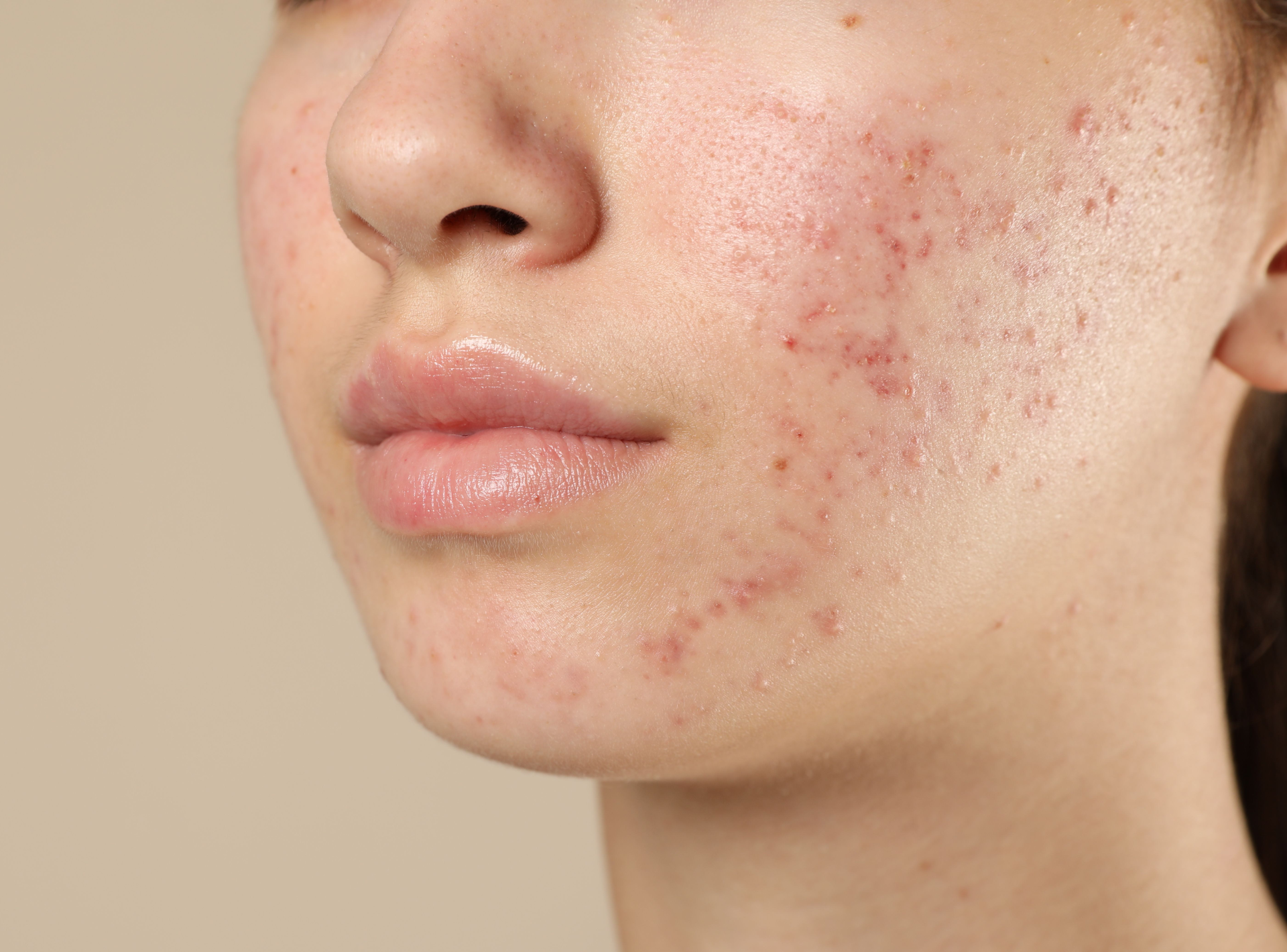
Many people believe that laser acne scar treatment is safe and effective. It can greatly enhance skin tone, texture, and confidence when done properly. It is not entirely risk-free, though, just like any medical procedure.
The lack of a clear explanation surrounding the risks is often what causes anxiety rather than the risks themselves. Many patients are only informed about the best-case scenario; they are not informed about potential complications or the reasons why some individuals are better suited than others.
This blog adopts a comforting, realistic stance. I’ll go over the possible risks and side effects of laser acne scar treatment, including why they happen, how common they are, and how skilled dermatologists lower those risks with careful preparation and technique.
Laser Treatment In Dubai
Laser Treatment in Dubai is a popular choice for the enhancement of visible skin concerns, such as acne scars, uneven texture, and pigmentation, through the use of advanced cosmetic technology. The procedure achieves a smoother appearance by focusing on damaged skin layers and promoting the renewal of healthier skin. Patients should be aware that temporary redness, sensitivity, irritation, and uneven healing may occur after treatment, particularly when they disregard aftercare instructions, despite the benefits. Before commencing any session, professional clinics meticulously evaluate the skin’s condition and the appropriateness of the treatment. In addition to promoting safer procedures, balanced skin recovery, and more natural-looking aesthetic results for long-term skin improvement, selecting experienced specialists for laser treatment in Dubai can also help reduce potential complications.
Acne Scar Treatment In Dubai
Acne Scar Treatment in Dubai aims to improve skin texture, reduce visible scars, and restore a smoother complexion using advanced dermatological procedures. Under professional supervision, patients frequently select laser and non-laser alternatives contingent upon the severity of their scars and the condition of their skin. Individuals in Dubai interested in achieving clearer skin undergo treatments after a thorough consultation that guarantees safety, reduces risks, and achieves natural-looking results. Hydration, sun protection, and proper aftercare are essential for the prevention of complications and the promotion of healing following treatment sessions. With consistent care, experienced specialists in Dubai offer personalized plans that effectively enhance long-term skin health, recovery, and comfort.
Acne Treatment In Dubai
Acne Treatment in Dubai is a form of advanced dermatological care that is intended to alleviate inflammation, manage acne, and enhance the overall clarity of the skin. To guarantee safe and effective results, patients are provided with treatment plans that are tailored to their skin type, severity, and underlying causes. Qualified specialists in Dubai may administer topical solutions, clinical procedures, and lifestyle advice as treatments. Early consultation is beneficial for the prevention of complications and the acceleration of recovery, which leads to improved skin health over time. To ensure that patients seeking treatment with expert medical guidance maintain long-lasting acne control and a healthy skin appearance, it is imperative that they adhere to proper skincare routines, sun protection, and follow-up care.
Why Risks Are Rarely Discussed Clearly
Many clinics highly value successful results, cutting-edge technology, and satisfying patient experiences. This emphasis makes sense because the majority of patients seeking treatment are more interested in assurance than anxiety. However, when discussions focus solely on advantages, crucial details regarding possible hazards, adverse effects, and recovery schedules may be overlooked, leaving patients without a complete picture of what to anticipate.
Being aware of risks does not imply that issues will arise. Rather, it assists patients in understanding what constitutes a typical healing process and what might call for medical guidance. Patients who have received adequate information are less likely to panic or believe something is wrong when transient symptoms or unexpected sensations arise.
Laser Acne Scar Treatment Is Safe But Not Risk-Free
Although qualified specialists generally carry out laser acne scar treatment safely, some risks are involved. The process stimulates the body’s natural healing response by causing controlled micro-injuries in the skin. This procedure promotes collagen remodeling over time, which gradually improves the appearance of scars.
A certain amount of reaction is anticipated since the skin is purposefully damaged to initiate healing. Common symptoms like redness, swelling, peeling, and sensitivity are typically indicative of the healing process. Although these effects are usually transient and go away as the skin heals, appropriate aftercare and reasonable expectations are still necessary.
Side effects can sometimes be more severe or last longer than expected. In particular, if the skin type, laser settings, or aftercare is not properly matched to the patient, pigment changes, prolonged redness, or delayed healing may occur. For this reason, careful evaluation and customized treatment planning are crucial.
The goal of laser acne scar treatment is to reduce risk as much as possible rather than eliminate it, which is unachievable. Careful patient selection, expert technique, and unambiguous instructions both before and after treatment greatly lower complications and contribute to safer, more predictable outcomes.
Pigmentation Changes: One Of The Most Common Concerns
One of the most frequently discussed risks after laser skin treatments is pigmentation changes, especially for people with medium to darker skin tones. These alterations result from the skin’s pigment-producing cells’ susceptibility to heat and inflammation. Patients feel more informed and confident about prevention and recovery when they know why pigmentation changes occur.
Changes in pigmentation could manifest as:
1. Post-inflammatory hyperpigmentation (PIH): When inflammation causes an increase in melanin production, treated areas momentarily turn darker. PIH is typically transient and gradually disappears with proper skincare and sun protection, despite its potentially worrisome appearance.
2. Hypopigmentation: Rarely, if melanin production is decreased in the treated area, the skin may lighten. This phenomenon is less frequent and is carefully reduced with cautious laser settings and professional treatment planning.
Melanocytes usually respond to the inflammatory response brought on by laser energy, which results in these changes in pigmentation. The right laser selection, customized treatment settings, suitable pre-treatment preparation, and careful aftercare greatly decrease the risk.
Any pigmentation changes typically fade over time, allowing the skin to revert to a more balanced and even tone.
Prolonged Redness And Sensitivity
Following laser acne scar treatment, redness and sensitivity are typical reactions, especially when resurfacing lasers are used. As the skin heals and the inflammation subsides, most patients’ redness gradually goes away over a few days to several weeks.
Sometimes redness lasts longer than expected. This is more common in people with naturally sensitive or reactive skin or following more intensive treatments. Sun exposure, skincare products, and environmental factors can all affect how quickly skin heals.
Permanent damage is typically not indicated by prolonged redness. Instead, it represents a more gradual healing process that frequently gets better with time, gentle skincare, and the right medical advice. The skin usually continues to settle and heal with supportive care and patience.
Temporary Texture Changes During Healing
During the healing phase following laser acne scar treatment, it is common for the skin to feel rough, uneven, or slightly bumpy. This can be concerning for many patients, especially if the skin feels worse before it looks better.
These brief alterations in texture are typically a common aspect of the healing process. The skin may feel uneven as it starts to regenerate and shed damaged cells. In the short term, the skin’s deeper layers produce new collagen, which changes the texture.
The skin gradually becomes smoother as the healing process advances. When inflammation decreases and the skin barrier heals, the roughness usually goes away. This phase may take several weeks, depending on the type of laser and the extent of treatment.
Risk Of Scarring: Rare But Understandable To Worry About
It makes sense to be concerned about the possibility of scarring from a procedure that is meant to improve scars. However, when you carry out the procedures correctly, true scarring after laser acne scar treatment is rare. These treatments are now safer than ever thanks to developments in laser technology and meticulous clinical evaluation.
The following risk factors increase the likelihood of scarring:
1. Incorrect laser settings: Unnecessary tissue damage can result from the use of laser energy that is too aggressive for the skin. Skilled practitioners meticulously adjust the settings to accommodate the depth of your scars and the type of skin you have, thereby substantially mitigating this risk.
2. Inappropriate treatment for the skin type: Different skin textures and tones react to laser treatment in different ways. To prevent issues, you must choose the right laser and method for your skin type.
3. Poor aftercare or infection: Not adhering to aftercare guidelines or contracting an infection while healing may hamper normal skin repair. The skin is protected while it heals when wounds are properly cared for and any issues are promptly addressed.
To prevent these circumstances, skilled dermatologists carefully examine your skin and medical history. The risk of scarring is extremely low when established procedures are adhered to and aftercare is respected.
Infection And Delayed Healing
There is a slight but genuine risk of infection with any treatment that compromises the skin’s natural barrier. Laser acne scar treatments reduce this risk by using sterile technique during the procedure and providing clear instructions for aftercare.
Although infections are rare, they are more likely to occur if the treated skin is touched excessively, exposed to unclean environments, or if aftercare instructions are not followed. When promptly addressed, early signs can typically be effectively managed.
Another potential problem is delayed healing, especially if the skin gets stressed or irritated while recovering. Exposure to the sun, using harsh skincare products, or going back to regular activities too soon can slow the healing process.
Although they can prolong discomfort and redness, most cases of delayed healing do not cause long-term issues. Reducing complications and promoting a smooth recovery depend heavily on closely adhering to aftercare instructions, particularly those pertaining to sun protection and gentle skincare.
Why Skin Type Matters So Much
The way the skin responds to laser treatment is largely determined by its type. Elements like natural pigmentation, sensitivity, and healing response influence the skin’s ability to withstand laser energy and its rate of recovery. If treatment is not properly customized, certain skin types are more likely to develop inflammation, persistent redness, or changes in pigmentation.
As a result, each patient receives a tailored treatment, with skilled dermatologists adjusting the laser type, energy levels, and treatment depth accordingly. Overly aggressive settings or the incorrect laser can raise the risk of adverse effects without improving outcomes. Careful planning can balance effectiveness and safety.
For laser skin treatments, a uniform approach is unsuitable. By ensuring that the treatment works with your skin’s characteristics rather than against them, a proper assessment lowers unnecessary risk and promotes a more predictable and seamless recovery.
Over-Treatment And Why More Isn’t Better
There is a widespread misperception that more aggressive laser treatment will produce better or faster results. In actuality, one of the main causes of problems with laser treatment for acne scars is overtreatment. There is a limit to how quickly the skin can remodel and repair itself, and going over that limit may have unforeseen consequences.
Inflammation can be greatly increased by using excessive energy or treating a large area in a single session. Redness, sensitivity, and discomfort are frequently prolonged by this heightened response, lengthening and complicating the healing process.
Additionally, over-treatment increases the risk of uneven texture, pigmentation changes, and, in rare instances, scarring. A more measured approach could have prevented these effects, which can be annoying and may necessitate additional corrective procedures to manage.
Combination Treatments And Risk Management
To improve overall results, laser acne scar treatment is often used in conjunction with other procedures like subcision or microneedling. These combination techniques can enhance skin texture, lessen scar depth, and promote collagen production more successfully than a single treatment when they are carefully planned.
However, carrying out several procedures too soon after one another or without a well-thought-out plan can put the skin under undue stress. Long-term redness, irritation, delayed healing, and even pigmentation changes are all made more likely by such an approach. For each treatment to have a safe effect, you must therefore time and sequence it properly.
Skilled practitioners proceed cautiously when combining treatments. They make sure that every procedure promotes healing rather than overtaxing the skin by customizing the plan to the patient’s skin type, scar severity, and healing capacity.
What Normal Healing Can Be Mistaken For A Problem
Because the typical healing process is not always fully explained in advance, many patients experience anxiety during their recuperation. Without this context, even anticipated reactions could be misinterpreted as problems, causing needless anxiety.
After laser acne scar treatment, redness is a typical and normal part of the healing process. As the skin heals itself, it may also feel a little tight, dry, or swollen, and some parts may flake or peel. These responses show that the skin’s natural healing mechanisms are active.
Scars or pigmented areas may occasionally darken before getting better. This is not an indication that the treatment was ineffective or harmful, but rather a normal aspect of tissue remodeling and collagen formation.
Patients feel less anxious and more confident when they know what to expect during their recuperation. Additionally, it avoids needless interventions, enabling the skin to heal naturally and produce the best long-term outcomes.
When Symptoms Should Be Assessed Promptly
While the majority of side effects from laser or skin treatments are minor and transient, some symptoms need to be addressed right away. Early review ensures that any issues are promptly resolved, keeping minor problems from getting worse. You can seek prompt care and promote the best possible healing when you are aware of warning signs.
You ought to speak with your clinic if you observe the following:
1. Increasing pain rather than gradual improvement: Mild discomfort is anticipated during the initial days; however, pain that worsens over time may suggest an underlying issue. Your clinician can prevent any issues from escalating by conducting a prompt evaluation.
2. Spreading redness or discharge: Following treatment, redness and mild inflammation are normal, but spreading redness or discharge may indicate an infection. Proper healing can be supported, and complications can be avoided with early intervention.
3. Worsening pigmentation weeks after treatment: New or worsening pigmentation may require professional evaluation, as skin color changes should progressively improve. Advice given promptly guarantees that the right care or modifications can be made.
4. Skin breakdown or delayed healing: Your clinician should examine any areas that do not heal as anticipated. Early detection of healing issues lowers the chance of permanent skin damage or scarring.
You can safeguard the health of your skin and guarantee the best possible result from your treatment by identifying these warning signs and getting an evaluation as soon as possible.
How Experienced Dermatologists Reduce Risk
In laser acne scar treatment, risk reduction starts long before the actual procedure. To evaluate skin type, scar severity, and general skin health, a skilled dermatologist performs a comprehensive consultation. This assessment makes it possible to set reasonable goals and guarantees that the patient is aware of the anticipated outcomes, constraints, and possible adverse effects.
A thorough evaluation of the skin also aids in determining any elements, such as recent sun exposure, active acne, or sensitivities, that might raise the risk of complications. Instead of employing a uniform strategy for everyone, the dermatologist can customize the treatment plan for each patient by being aware of these factors.
Carefully choosing the laser type, energy settings, and treatment depth is essential during the process. Precise, conservative technique improves scar texture and stimulates collagen remodeling while protecting the skin. To reduce the possibility of prolonged redness, pigmentation changes, or delayed healing, the emphasis is on striking a balance between efficacy and safety.
BOOK AN APPOINTMENT TODAY
Why Clinic Experience Matters More Than Technology
Although sophisticated laser technology can increase accuracy and outcomes, it cannot replace clinical knowledge. Experience and skill continue to be the most crucial elements in obtaining safe and successful results; a sophisticated device cannot make judgment calls or adjust to the needs of individual patients.
Just as important as using the laser is knowing when to proceed cautiously, when to stop a session, and how to modify treatment plans according to the patient’s skin type, healing response, and scar characteristics. Even the best technology might not be able to avoid problems or less-than-ideal outcomes without this careful decision-making.
For this reason, selecting a specialist clinic like Perfect Doctors Clinic can have a big impact. Skilled professionals ensure that treatments are customized, safe, and more likely to produce the desired improvement in skin texture and appearance by combining technical expertise with individualized care.
Setting Realistic Expectations Reduces Disappointment
Although laser acne scar treatment can make a big difference, it’s crucial to realize that scars are rarely entirely removed. Even in cases where the treatment has been successful, patients who have high expectations may feel disappointed. Setting reasonable expectations promotes a positive experience and helps avoid needless anxiety.
Laser treatment results in gradual and cumulative improvements. As healing advances and collagen remodeling takes place, skin texture, scar depth, and pigmentation all alter. The final result, which develops over several weeks or months, is rarely reflected in the initial results.
Patients can approach treatment with a balanced perspective if they know what is possible. Emotional well-being is safeguarded, trust between the patient and the clinician is developed, and satisfaction with the outcomes is eventually increased when realistic outcomes are communicated clearly.
Balancing Benefit Against Risk
Every medical procedure necessitates carefully weighing the advantages and disadvantages. The advantages of laser acne scar treatment, such as better texture, less scarring, and increased confidence, greatly exceed the comparatively low risk of complications for the majority of patients who are qualified candidates. Patients can approach the procedure with reasonable expectations and confidence in the results when they are aware of this balance.
Treatment should not be avoided just because one is aware of possible complications. Conversely, well-informed patients are better able to recognize normal healing, adhere to aftercare instructions, and promptly seek advice when necessary. This information frequently leads to more seamless recuperations and an all-around better experience.
Advantages Of Laser Acne Scar Treatment You Should Know
In addition to enhancing skin texture, laser acne scar treatment also promotes a smoother and clearer appearance by reducing visible scarring. It functions by focusing on the layers of the skin that are damaged and promoting the production of collagen and natural healing to improve the quality of the skin. Professional laser treatment sessions in Dubai frequently result in improved tone, diminished scars, and increased confidence among patients. Specialists customize the treatment to guarantee long-lasting skin improvement outcomes, minimal discomfort, and safe results.
Why Laser Acne Scar Treatment Is The Best Solution
Laser acne scar treatment is regarded as an effective method for enhancing the appearance of the skin and minimizing the visibility of scars. It uses sophisticated technology to target damaged areas of the skin and promote collagen production for natural healing. Professional care and controlled treatment sessions are the primary reasons why many patients prefer it, as it provides a discernible improvement. The treatment is adaptable to a variety of skin types and naturally promotes the development of smoother skin, reduced scars, and increased confidence over time.
How Laser Acne Scar Treatment Restores Confidence And Appearance
The treatment of laser acne scars can assist individuals in achieving clearer skin, which can have a positive impact on their confidence and overall appearance. Patients frequently experience increased confidence in social and personal interactions as a result of the reduction of visible scars and the enhancement of skin texture. It also promotes emotional well-being by providing professional treatment sessions that gradually restore smoother skin and help individuals feel more confident in daily life and interactions over time, resulting in natural, balanced results.
FAQs:
1. What Are The Main Risks Associated With Laser Acne Scar Treatment?
Although laser acne scar treatment is generally regarded as safe, there are some risks involved. Temporary redness, swelling, sensitivity, and peeling during the healing process are possible hazards. Changes in pigmentation, such as post-inflammatory hyperpigmentation or, less frequently, hypopigmentation, may also occur in certain patients. In rare cases, prolonged redness, delayed healing, infection, or scarring may happen, especially if the procedure is poorly planned or aftercare guidelines are not followed.
2. Why Do Pigmentation Changes Happen After Laser Acne Scar Treatment?
Melanocytes, the cells that give skin its color, can react to heat and inflammation brought on by the laser, which causes pigmentation changes. The most prevalent type is post-inflammatory hyperpigmentation, in which the treated areas appear momentarily darker after treatment; hypopigmentation, or skin lightening, is less frequent. These changes are typically transient and get better with proper skincare, sun protection, and expert advice.
3. How Long Does Redness And Skin Sensitivity Last After Treatment?
After laser acne scar treatment, redness and sensitivity are normal reactions that usually go away in a few days to a few weeks. Redness may sometimes last longer, particularly after more involved procedures or in people with skin that is naturally sensitive. Recovery time can be impacted by sun exposure, the environment, and the use of specific skincare products.
4. Is It Normal For The Skin Texture To Feel Uneven Or Rough After Treatment?
Indeed, brief alterations in texture are a typical aspect of the healing process. Before the skin smoothes out, it may feel uneven, rough, or bumpy as it regenerates and produces new collagen. As the skin’s surface heals itself, these alterations usually go away over a few weeks. When a skilled clinician carefully plans and executes the procedure, permanent deterioration of skin texture is uncommon. Equitable healing of the skin is ensured by appropriate aftercare and reasonable expectations.
5. Can Laser Treatment Cause Scarring?
When procedures are carried out correctly by skilled dermatologists, true scarring from laser acne scar treatment is rare. If the laser settings are too aggressive, the treatment is not appropriate for the patient’s skin type, or aftercare is neglected, scarring is more likely. This risk is greatly decreased by thorough patient evaluation, customized treatment planning, and adherence to post-treatment instructions.
6. What Role Does Skin Type Play In The Risk Of Complications?
How the skin reacts to laser treatment depends in large part on its type. The likelihood of inflammation, pigmentation changes, or persistent redness is influenced by factors like natural pigmentation, sensitivity, and healing ability. To get the best results while lowering risk, skilled dermatologists modify the laser type, energy settings, and treatment depth based on each patient’s unique skin characteristics.
7. Why Is Over-Treatment A Concern In Laser Acne Scar Therapy?
Excessive or aggressive laser treatment can raise the risk of complications and may not always yield better results. Prolonged redness, heightened sensitivity, altered pigmentation, uneven texture, and, in rare instances, scarring can result from overtreatment. It is safer and more effective to gradually improve through several well-planned sessions, allowing the skin to fully heal in between treatments and guaranteeing ideal collagen remodeling over time.
8. Are Combination Treatments Riskier Than Single Laser Sessions?
When properly planned, combination treatments like laser therapy plus microneedling or subcision can improve outcomes. However, performing several procedures too soon after one another or without a planned strategy can stress the skin and increase the risk of pigmentation changes, redness, irritation, and delayed healing.
9. What Symptoms Should Prompt Patients To Seek Medical Advice?
While the majority of side effects are minor and transient, some symptoms call for immediate evaluation. If pigmentation deteriorates weeks after treatment, if redness spreads or discharge appears, if there are areas of delayed healing or skin breakdown, or if pain worsens rather than gradually improves, patients should get in touch with their clinic.
10. How Do Experienced Dermatologists Reduce Risks During Laser Acne Scar Treatment?
A comprehensive consultation to determine skin type, scar severity, and general skin health is the first step in risk reduction. By carefully choosing the right laser, energy settings, and treatment depth, the dermatologist customizes the treatment plan to each patient’s needs. Expert technique reduces needless tissue damage, and thorough aftercare guidelines, such as sun protection and mild skincare, promote healing.
MEET THE EXPERT DOCTOR
Best Aesthetic Clinic In Dubai For Laser Acne Scar Treatment
Best Aesthetic Clinic in Dubai for Laser Acne Scar Treatment is Perfect Doctors Clinic, where Dr. Perfect Celebrity provides cutting-edge dermatological and aesthetic care that is designed to produce safe and effective outcomes. The clinic is renowned for its personalized treatment plans that utilize modern laser technology and evidence-based practices to enhance the texture, tone, and overall clarity of the skin for patients who are seeking long-term improvement. These plans are designed to address acne scarring. The clinic in Dubai provides patients with personalized aftercare guidance, meticulous skin assessments, and detailed consultations to guarantee optimal healing, safety, and comfort following each session. The clinic’s dedication to achieving natural-looking aesthetic results with a patient-centered approach, advanced equipment, and an experienced team has earned the trust of many individuals. Perfect Doctors Clinic in Dubai prioritizes professional care and safe hygiene standards to ensure that patients feel at ease and secure during their acne scar treatment journey. The clinic provides consistent follow-up support and customized skincare recommendations to achieve long-lasting results naturally.
Final Thoughts: Safe And Effective Acne Scar Care
When applied by skilled dermatologists, laser acne scar treatment can greatly improve skin tone, texture, and overall appearance. Even though there may be some transient side effects, like redness, sensitivity, or changes in pigmentation, careful evaluation, exact technique, and individualized aftercare help reduce these risks and guarantee a safe, successful outcome. Patients can feel more assured and confident during the healing process if they know what is typical during recovery. Make an appointment with our specialist at Perfect Doctors Clinic if you’re considering acne scar treatment in Dubai.