





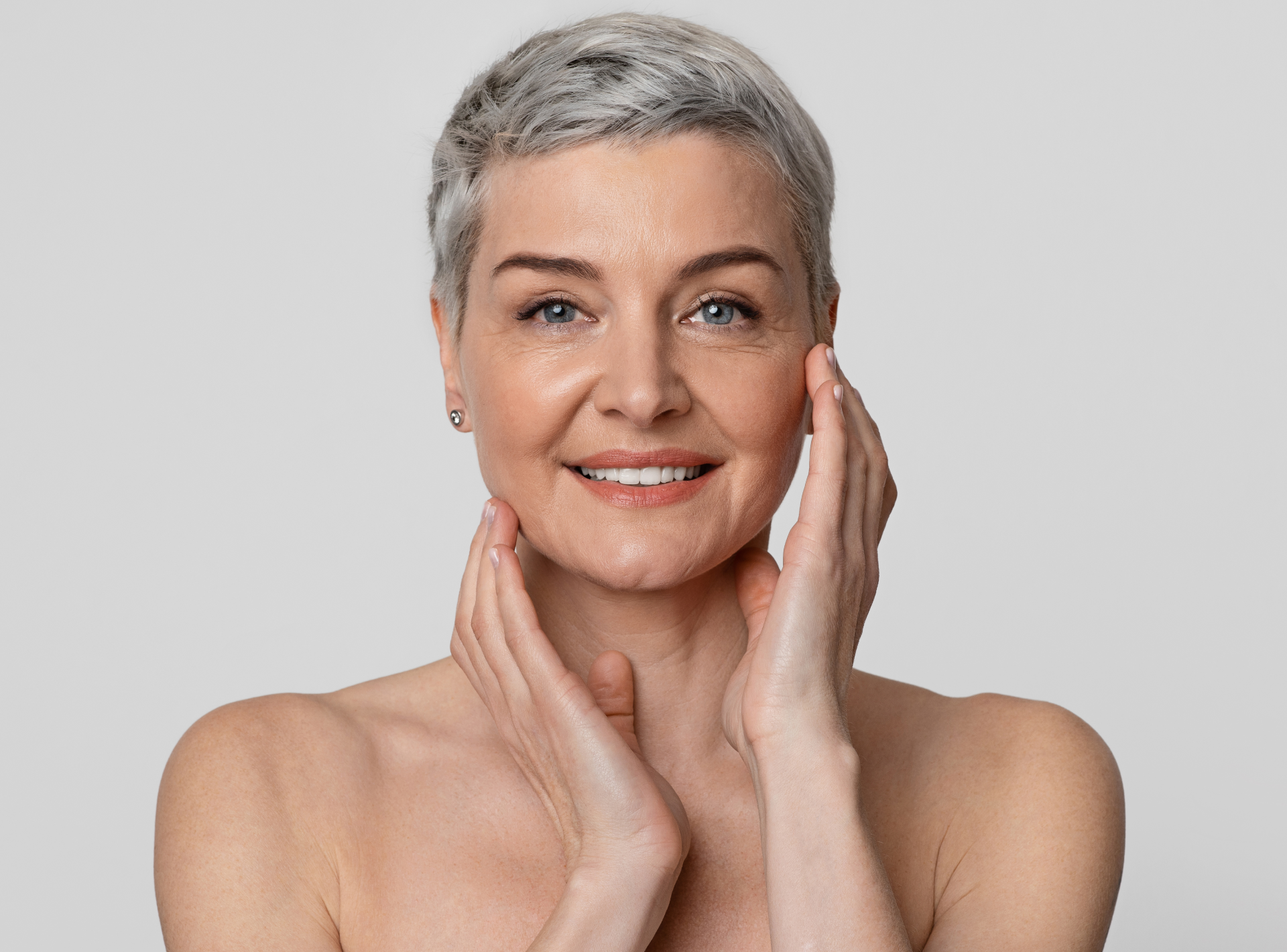
Do you want to give your skin a new start? Laser skin resurfacing is a life-changing treatment that has helped many people with a wide range of skin problems. It’s normal to have questions and worries about the process, especially recovery, just like with any other medical procedure.
This blog post will clear up any confusion about laser skin resurfacing by explaining everything from how the different types of lasers work to what you can expect while you heal. We can help you with anything from learning about our HALO®, ProFractional®, or Contour TRL™ lasers to making your recovery as easy as possible.
Laser Skin Resurfacing In Dubai
Laser Skin Resurfacing in Dubai is a cosmetic dermatology procedure that uses focused laser energy to improve skin texture, tone, and overall appearance by removing damaged outer layers of skin and stimulating collagen production underneath. It is commonly used to treat fine lines, wrinkles, acne scars, sun damage, pigmentation, uneven skin tone, and rough skin texture. The treatment works by creating controlled micro-injuries in the skin, which trigger the body’s natural healing process and promote the growth of new, healthier skin cells. Depending on the patient’s needs, it can be performed as an ablative or non-ablative treatment, with varying intensity and downtime.
What Is Laser Skin Resurfacing, and How Does It Work?
Laser skin resurfacing uses focused light beams to get rid of damaged skin cells and encourage the body to make more collagen. It works on the surface of the skin to encourage renewal, which makes the skin look smoother and younger.
What’s the Difference Between Ablative, Hybrid, and Non-Ablative Lasers?
To pick the best treatment for your skin problems, you need to know about the different types of lasers.
Contour TRL™ and ProFractional™ are two examples of ablative lasers that take off thin layers of the skin’s outermost layer and fix things deeply. Non-ablative lasers heat the skin without hurting it, so they’re great for people who don’t want to take a lot of time off. HALO® Pro and other hybrid lasers combine both methods and can be customized in many ways. They offer a balanced approach that works for many skin types.
What Types of Skin Conditions Can Laser Skin Resurfacing Treat?
Laser skin resurfacing can help with many different skin problems:
- Wrinkles and Fine Lines: Smoothing out lines that come with age to look younger
- Acne Scars: Making scars from acne and other things look less noticeable
- Pigmentation: Fixing skin that is uneven in color, such as melasma and sun spots
- Sun Damage: Fixing damage done by being in the sun for a long time
- Uneven Skin Texture: Making skin smoother and better overall texture
- Large pores: Making big pores look smaller
What Should I Expect During Recovery?
People often worry about how long it will take to recover from laser skin resurfacing, so it’s important to know what to expect. It’s best to talk to your dermatologist about recovery at your consultation so you know exactly what to expect. Your dermatologist will tailor your treatment to your specific needs.
In the first few days, you might notice some redness, swelling, and peeling. The time it takes to heal depends on the type of laser used and how deep the treatment was. It can range from one day to two weeks. You might want to plan some extra time to be alone with friends while you heal. You can wear makeup once the peeling is done, which usually takes 4 to 6 days after treatment.
How Can I Recover More Quickly and Easily?
Carefully following the post-care instructions will help you get better faster. Avoid strenuous activities, stay out of direct sunlight, and gently clean and hydrate your skin. These steps will help the healing process go more smoothly and quickly.
When Can I Expect to See the Full, Final Results?
You can see improvements right away after the procedure, but the full, final results usually don’t show up for three to six months as your skin heals and grows back.
How Should I Take Care Of My Skin After Laser Resurfacing?
- Your skin will be red and feel sensitive and sunburned immediately following the treatment. Itching, swelling, redness, or stinging may persist for a few days. The skin may also appear raw, ooze a yellow liquid, or even blister, depending on the treatment. Avoid scratching or picking at crusted skin, as this can result in infection or scarring.
- Your skin will experience dryness and peeling within five to seven days of laser resurfacing. Initially, your new skin will appear pink. It is expected to gradually lighten over the next two to three months.
- As directed by your physician, cleanse the treatment area twice to five times daily.
- For the initial four days following the procedure, it is recommended that you sleep on an additional pillow to alleviate swelling.
- Apply a wrapped ice pack or a cool compress for 20 minutes every one to two hours as needed during the initial one to two days.
- Until the skin heals, apply a thin layer of petroleum jelly (or any occlusive moisturizer) or antibiotic ointment (such as bacitracin) to the affected area twice daily.
- For a period of four weeks, refrain from using any topical products that may cause irritation and refrain from using aggressive facial treatments, such as glycolic acid or tretinoin, for a period of six weeks following the treatment.
- For a period of two weeks following treatment, refrain from engaging in activities that may induce flushing.
- Refrain from smoking. The healing process is impeded by smoking.
After healing:
- Apply a daily broad-spectrum sunscreen that protects against both ultraviolet B and ultraviolet A. To safeguard your newly laser-resurfaced skin, apply sunscreen that provides protection from ultraviolet rays after the healing process. A sunscreen that is designed for facial use and has a sun protection factor (SPF) of at least 40 should be selected.
- As directed by your physician, apply moisturizer on a daily basis.
Average Recovery Time Laser Skin Resurfacing
The average recovery time for laser skin resurfacing is approximately five to ten days for initial healing, contingent upon the intensity of the treatment. The gradual emergence of smoother, brighter, and healthier-looking skin results is a result of the collagen rebuilding process, which continues over the course of several weeks.
BOOK AN APPOINTMENT TODAY
Your First 24 Hours Of Laser Skin Resurfacing Recovery
Redness, warmth, and mild swelling may be present within the initial 24 hours following laser skin resurfacing. The skin is sensitive and necessitates gentle care, cooling, and prescribed soothing products. Aftercare guidance is offered by Perfect Doctors Clinic to guarantee the safety and comfort of early healing.
Stages Of Healing After Laser Skin Resurfacing
Redness and sensitivity are present during the initial days of healing, followed by peeling within one week and the formation of smoother skin over the course of two to four weeks. For long-lasting rejuvenation results, collagen continues to enhance skin texture for several months following treatment.
Swelling, Bruising, And Scarring After Laser Skin Resurfacing
After laser skin resurfacing, it is not uncommon to experience swelling and redness for a few days. Bruising is exceedingly uncommon; however, it may manifest during more extensive procedures. The risk of scarring is reduced through appropriate postoperative care, and the skin gradually heals to reveal a more even-toned, refreshed, and clearer appearance.
Downtime For Desk Jobs After Laser Skin Resurfacing
The majority of patients require approximately three to seven days of time off work before they can resume their desk jobs following laser skin resurfacing. Light redness may persist; however, it can be concealed. The duration of recovery is contingent upon the depth of the treatment and the individual’s skin response.
Laser Skin Resurfacing Recovery Tips For Better And Faster Results
Follow all aftercare instructions, avoid sun exposure, use sunscreen, and keep skin moisturized. At Perfect Doctors Clinic, patients are provided with customized recovery plans that are designed to expedite the healing process, minimize irritation, and enhance the long-lasting, smooth, and glowing results of skin rejuvenation.
Laser Skin Resurfacing Recovery Dos And Donts
It is imperative to maintain the cleanliness, hydration, and protection of the skin from the sun following laser skin resurfacing. Don’t pick at peeling skin, use harsh products, or expose skin to direct sunlight or heat too early, as these actions may impede healing and impact the outcome.
MEET THE EXPERT DOCTOR
Best Aesthetic Clinic In Dubai For Laser Skin Resurfacing
Best Aesthetic Clinic in Dubai for Laser Skin Resurfacing provides advanced skin renewal treatments designed to improve texture, tone, and overall skin quality. The procedure helps reduce fine lines, acne scars, pigmentation, and sun damage using modern laser technology. Patients receive customized treatment plans based on their skin type and concerns, ensuring safe and effective results with minimal downtime. Experienced specialists at Perfect Doctors Clinic perform laser skin resurfacing using cutting-edge equipment to promote collagen production and natural skin healing. The clinic focuses on delivering smoother, brighter, and more youthful-looking skin while maintaining high safety standards and personalized patient care for long-lasting aesthetic improvement.
Request a Consultation
Are you ready to move on to the next step in making your skin better for good? Please call our office now or ask for a consultation to find out more about the type of laser skin resurfacing treatment that can help you get the look you want.