





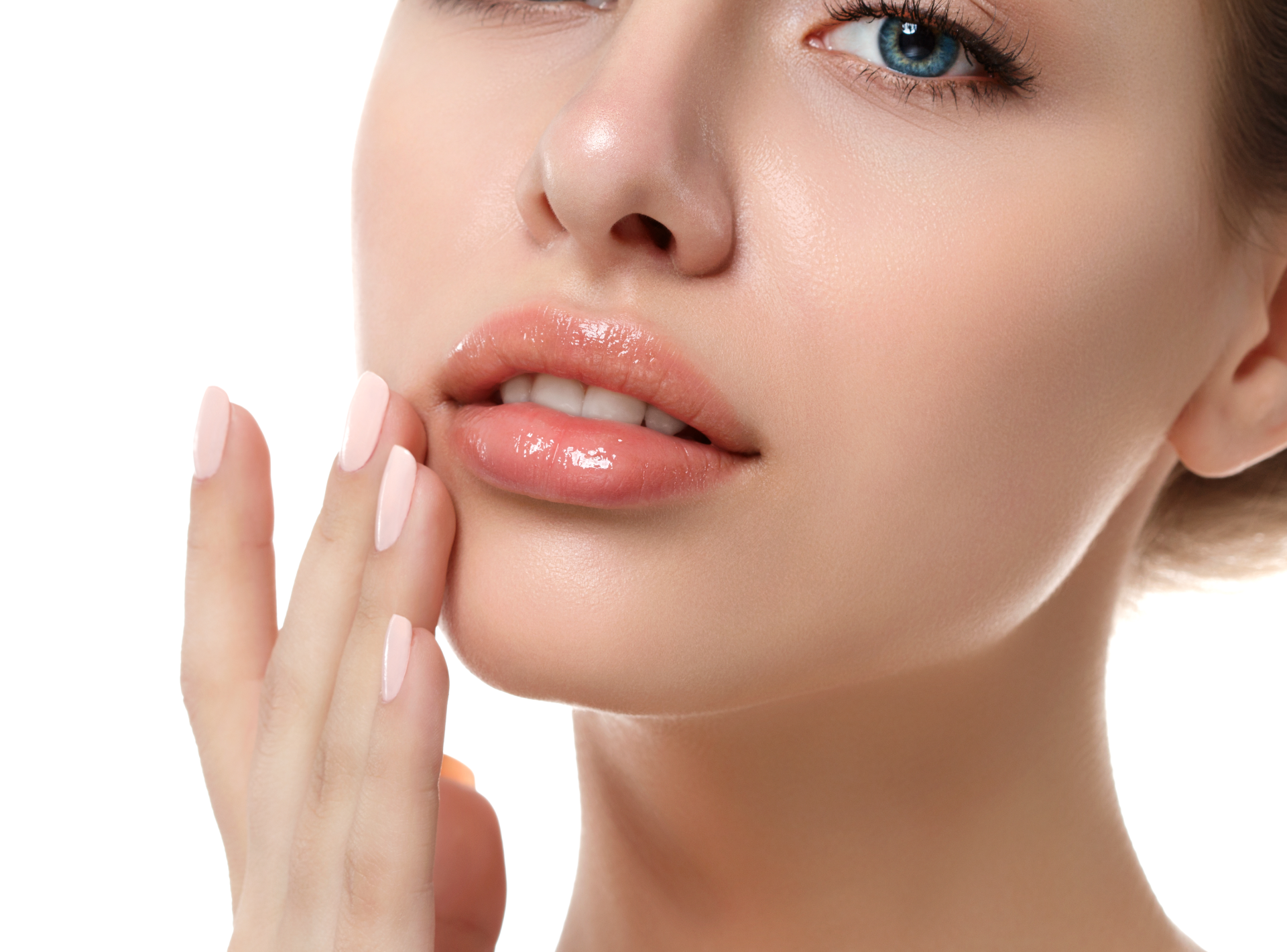
A lip lift is a cosmetic surgery that changes the shape and size of the lips by making the space between the nose and the upper lip smaller. The surgery is quick and doesn’t hurt too much, but good aftercare and knowing what to expect during recovery are important for getting the best results.
Knowing what to expect each day can help the healing process go more smoothly. Below, we go over the lip lift recovery timeline and give you important tips for the best healing.
Lip Lift In Dubai
Lip Lift in Dubai are a refined cosmetic procedure that improves lip shape and facial harmony. The first day of lip lift recovery are typically characterized by swelling, tightness, and mild discomfort. By day 3-4, swelling and bruising may have peaked before gradually improving. Stitches are typically removed between days 6-8, and patients report increased comfort and healing. Over the next few weeks, the swelling subsides and the incision fades. With proper aftercare and guidance, the final results will gradually reveal a more defined, youthful, and naturally balanced lip appearance.
How Long Does It Take To Heal From A Lip Lift?
It takes about 7 to 9 weeks for a lip lift to heal completely. Most of the healing happens in the first week, though, and by the end of the first month (week 3), most of the swelling and bruising should be gone. There may be some mild tightness in the upper lip area for a few months, but this will go away as the tissues fully settle.
Lip Lift Recovery Timeline: What To Expect
After a lip lift, the healing process happens in different stages, with most of the healing happening in the first few weeks. Knowing what to expect at each stage can help you deal with pain, follow the right aftercare instructions, and get the best results. Swelling and bruising are most noticeable in the first few days, but they go down over time, revealing your new lip shape. Below is a detailed timeline of the recovery process to help you get through the lip lift healing process.
First 24 Hours
You will go to your surgeon’s office the day after your lip lift for a checkup. At this appointment, your surgical area will be cleaned, and you’ll get home care instructions. Your caretaker should go with you to help you move around and remember what your surgeon said.
At this point, it’s normal for the lips to be a little swollen, bruised, and tight. Keeping your head up, using cool compresses as directed, and not moving your face too much will help ease the pain. You can usually shower, but be careful when you wash the incision site. If your surgeon sees any fluid buildup, they may ask you to stay close to the hospital for more monitoring.
Days 2-5
During days 2–4, the swelling and bruising will get worse, usually reaching its peak on day 5 and then slowly getting better. It’s normal to feel some pain, tightness, and mild numbness around your lips. You should take your pain medicine as directed, but not too much, because taking too much can slow down the healing process.
Keep your head up, use cool compresses, and limit how much you move your face to help with swelling and pain. After surgery, inflammation can also cause temporary numbness or tingling in the area. To avoid getting an infection, don’t touch or stretch your lips, and follow your surgeon’s instructions for cleaning and moisturizing the incision site.
Days 6-8
You will go back to your surgeon’s office on days 6–8 to have your stitches taken out. This process goes quickly and is usually not too painful because it uses small, delicate tools to keep discomfort to a minimum. If lip line incisions were made, some stitches might stay in place until day 8.
Most patients start to feel a lot better between days 6 and 7, when the swelling and bruising go down. At this point, a lot of people no longer need prescription painkillers. But some numbness, tightness, and mild pain may still be there. To avoid problems, you must keep following your surgeon’s post-operative care instructions, avoid moving your face too much, and keep the incision site clean. Your lips may still look a little puffy, but as they heal, the overall shape and definition will start to show more.
Weeks 1-3
Most patients see a big difference in their swelling and bruising by the end of the first week and into the third. But there may still be some mild tightness, stiffness, and numbness. To make sure the incision heals as quickly as possible and to avoid putting too much stress on it, you should keep wearing any compression or protective dressings that your doctor has given you at night.
By the end of the third week, many patients feel ready to go back to work, school, or light daily activities. However, they should still avoid any strenuous physical activity, such as exercise. Following your surgeon’s instructions to keep the incision area clean and moisturized will help avoid problems and speed up the healing process. The shape of the lips will keep getting better over the next few weeks, even though they may still feel firm or a little swollen.
Weeks 4-5
By the fourth and fifth weeks, the swelling and bruising should be almost gone, and the lips should look better. Any tightness or numbness that doesn’t go away will continue to get better, but mild stiffness may stay. At this point, patients can go back to their normal activities, like going out with friends, and there won’t be any visible signs of surgery. But it’s still important to avoid moving your lips too much and to follow any other aftercare instructions.
The healing process is going well, but the final results are still coming in. Some patients may need a small steroid shot at their one-month follow-up to make areas of healing tissue that are too thick softer. Over the next few months, the lips will continue to settle into their final shape, and small changes will become more noticeable.
Month One And Beyond
Most of the swelling should go down by the end of the first month, and your lips will look more natural in shape and contour. Some minor tightness and stiffness may still be there, but these feelings will get better over the next few weeks. At this point, most patients feel completely comfortable going back to all of their normal activities, like working out and going to social events, without any signs of surgery.
Even though the lips have healed a lot, small changes in their shape will keep happening over the next few months. Any swelling that is still there should be small and only the patient should be able to see it. Your surgeon may do minor procedures, like giving you a steroid injection, at follow-up appointments to treat any areas of healing tissue that have become thicker. Most of the time, the full results are seen within six months, but the final shaping can take up to a year after surgery.
Tips For A Smooth Lip Lift Healing Process
To heal properly after a lip lift, you need to follow the aftercare instructions and take the right steps to help the healing process. Most of the recovery happens in the first few weeks, but small things you do every day can have a big effect on how well your results settle. Here are some important things to remember and not to do to make sure your healing goes smoothly and the results last.
What To Do During Lip Lift Healing
- Follow your surgeon’s post-operative care instructions: Following your doctor’s instructions will help you heal better and avoid problems.
- Keep your head elevated: Putting your head up while you sleep can help with swelling and pain.
- Apply cold compresses as directed: In the days right after surgery, using cool compresses can help with swelling.
- Stay hydrated and eat a healthy diet: Getting the right amount of food and water can help you heal faster and lower inflammation.
- Use prescribed medications as needed: To ease pain and stop infections, take pain relievers and antibiotics as directed.
- Keep your incisions clean and moisturized: Carefully clean the area where you had surgery as directed and use any ointments that were suggested to help it heal.
- Attend all follow-up appointments: Regular visits to your surgeon make sure that your recovery is going well.
What Not To Do During Lip Lift Healing
- Do not expose the incision to direct sunlight: Don’t let the incision get direct sunlight; UV rays can darken scars and slow down the healing process.
- Avoid excessive lip movement: In the first few weeks, you should talk, laugh, and make big mouth movements as little as possible to keep the incision from getting too tight.
- Do not touch or pick at the incision site: Such actions could cause an infection and slow down the healing process.
- Avoid sleeping on your face: To avoid putting too much pressure on your lips, sleep on your back with your head raised.
- Do not smoke or drink alcohol: Both can slow down healing and make swelling worse.
- Avoid strenuous activities: Don’t do any hard work, like lifting heavy things, working out hard, or anything else that raises your blood pressure for at least four weeks.
Choosing The Best Surgeon For Your Lip Lift
Choosing a plastic surgeon who is very skilled and has a lot of experience is important if you want your lip lift to look natural and last a long time. A board-certified surgeon who specializes in facial cosmetic procedures will make sure that everything goes smoothly, safely, and with a quick recovery.
Dr. Perfect Celebrity is a double-board-certified facial plastic surgeon who specializes in lip lifts. He has helped many patients achieve better facial harmony with lips that are beautifully shaped. His knowledge makes sure that the procedure is safe, works, and has little downtime. To set up a consultation and take the first step toward your perfect lip enhancement, call us today.
BOOK AN APPOINTMENT TODAY
Faqs About Lip Lift Recovery
How Long Does A Lip Lift Last?
A surgical lip lift gives results that last. The new lip position is permanent instead of temporary like fillers because a small strip of skin is taken away and the upper lip is moved forward. The refined shape should last a long time, but as you get older, the definition may get softer over time. The line of the incision usually fades and flattens over the course of six to twelve months. Skin quality, sun exposure, smoking, and genetics all affect how long you live. Most patients don’t need maintenance, but optional minor touch-ups or laser scar care can help make the results even better. If you want more volume, you can add fillers later.
When Can I Smile After A Lip Lift?
Most patients can smile softly within the first week, usually after the stitches come out between days 6 and 8. For the first two weeks, don’t smile too much, laugh, or stretch your upper lip. As the swelling and tightness go down in week two, social smiles become more natural. By the third or fourth week, most people can smile fully and freely again without putting the incision at risk. If you feel pulling, stinging, or new swelling, stop and give the tissues a break. If you had other procedures, your timeline might be longer. Always do what your surgeon tells you to do.
Does A Lip Lift Change Your Nose?
A lip lift is meant to change the shape of the upper lip, not the nose. The incision is at the bottom of the nose (subnasal/bullhorn), so early swelling can make the tip look a little higher or the nostrils look a little more open for a few weeks. As the swelling goes down and the stitches soften, your nose goes back to its normal shape. There is no change to the nasal bones, cartilage, or tip support when done by a professional. Over-tightening can sometimes make the columella show more or the base of the nostrils narrower. Careful planning and anchoring sutures can help prevent this. If you want to change your nose, you need rhinoplasty. You can also do this in stages.
How Long After Rhinoplasty Can I Get A Lip Lift?
Most surgeons say you should wait until your nose has fully healed and stabilized before getting a lip lift. If you had major tip support changes, cartilage grafts, or osteotomies, it’s safer to wait 10 to 13 months after rhinoplasty. The lip lift incision can mess up the early swelling and remodeling around the columella and nasal base. If you operate too soon, it could also affect symmetry or blood flow. Some surgeons do both procedures at the same time, but if you want both, you should wait until you have enough time to heal between them. Dr. Perfect Celebrity will do an in-person exam to find out what the safest time is for you.
How Long After A Lip Lift Can You Get Fillers?
After the lip lift has healed and the swelling has gone down, most people can think about getting lip fillers. After surgery, a common time frame is 7 to 9 weeks. The cut is closed, the stitches are gone, and the new lip position has settled enough to tell how full it is. Your surgeon may ask you to wait 11 to 13 weeks if your scar tissue is still hard or your swelling hasn’t gone down. Injections should be given gently and away from a healing incision to avoid bruising or changing the shape of the skin. Always check with your surgeon first, especially if you had other surgeries at the same time.
MEET THE EXPERT DOCTOR
Best Plastic Surgeon In Dubai For Lip Lift
Best Plastic Surgeon in Dubai for lip lift is available at the Perfect Doctors Clinic, where Dr. Perfect Celebrity offers expert care and advanced surgical techniques. In the first two days after a lip lift, patients may experience mild swelling, tightness, and discomfort. By day 4-6, bruising begins to fade and patients feel more at ease. Stitches are typically removed within a week, with gradual healing occurring over the following few weeks. Following aftercare instructions carefully ensures a smoother recovery, better scar healing, and natural-looking, long-lasting aesthetic results, including improved lip definition and facial balance.