





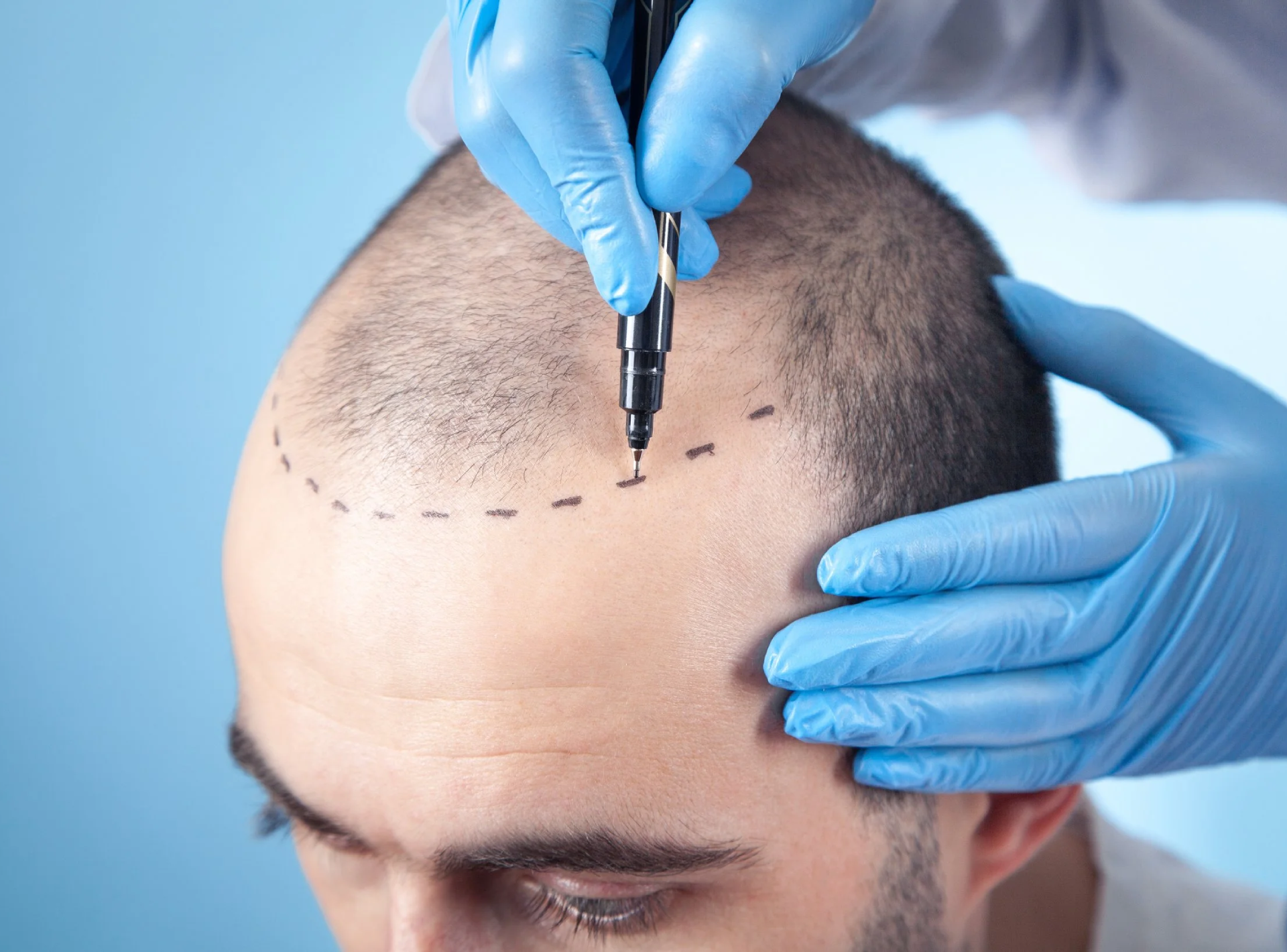
For the best outcomes, male hair transplant recovery is a slow process that calls for patience and appropriate aftercare. Patients may have mild redness, swelling, tenderness, and tiny scabs surrounding the transplanted area in the initial days following the procedure, all of which are perfectly normal. To protect the recently placed grafts, it is crucial to avoid touching or scratching the scalp and to carefully follow all washing instructions. While full hair growth takes several months as the transplanted follicles settle and start naturally producing stronger, healthier hair, most patients can resume light daily activities in a matter of days.
Male Hair Transplant In Dubai
Male Hair Transplant in Dubai are a very common cosmetic procedure for men who wish to improve their hair density, restore natural hair growth, and regain confidence that has been impacted by hair loss. Men who have bald patches, thinning hair, or receding hairlines due to hormonal changes, aging, or genetics frequently choose this treatment. Dubai is renowned for its cutting-edge methods for hair restoration, state-of-the-art clinics, and skilled professionals who execute procedures with accuracy and results that look natural. Healthy hair follicles from donor areas—typically the back of the scalp—are carefully implanted into bald or thinning areas during the procedure. Mild swelling, redness, tenderness, and tiny scabs surrounding the transplanted area are common post-treatment side effects. While full healing and noticeable hair growth take several months, most patients resume light daily activities within a few days. Male hair transplants in Dubai provide long-lasting results, natural hair restoration, and enhanced self-confidence with a fuller and healthier appearance with the right aftercare and expert guidance.
Recovery Timeline For Male Hair Transplant Procedure At Perfect Doctors Clinic
It could take up to three months to fully heal after a male hair transplant. To ensure a seamless recovery process, it can be helpful to know what to anticipate during the healing process following a male hair transplant.
Immediately Following Post-Op
The following symptoms are typical in the initial days after male hair transplant surgery:
Redness and Increased Swelling: Donor and transplanted skin areas frequently exhibit noticeable redness and swelling. The redness and swelling should go down during the first three days of a healthy healing process.
Discomfort and Mild Pain: Immediately following surgery, discomfort and mild pain are frequently experienced. Your surgeon or specialist may advise you to take painkillers during this phase of healing. For the first one to two days after a hair transplant, bandages must be applied to wounds and removed on a regular basis.
Sleeping Position Adjustments: You will be instructed to sleep in positions that allow your head to stay raised throughout the night while your head heals from your hair transplant procedure. This will lessen swelling and irritation in the transplanted and donor areas.
Initial Week Post-Op
You might notice an increase in scabbing around the parts of your head that received transplanted follicles during the first week following your initial male hair transplant. Scabs will usually heal on their own in 6–9 days, falling off naturally and avoiding needless scarring, so avoid picking or removing them. Remember the following when it comes to self-care:
Limiting Physical Activities: While you are still recovering from your hair transplant, refrain from overdoing it with needless exercise, perspiration, or sun exposure. This will prevent disruptions or delays in the healing process while protecting your scalp.
Hair Washing: When the time comes for you to wash your hair, you should do so gently and use the solutions that your transplant surgeon has suggested. While recovering from your male hair transplant procedure, stay away from products like bleach that are known to be harsh on the scalp.
Two-Three Weeks After Your Procedure
The scabbing should almost completely heal after the first week or two of recuperation. After your scabs have effectively healed or fallen off, you may encounter the following:
Increased Itching: After the scabs on your scalp have healed or fallen off, it’s normal to have more severe itching. Your scalp will heal more quickly if you use topical anti-itch creams, which your surgeon will recommend based on your skin type.
Shedding: During this period, some transplanted hair may fall out. This is commonly referred to as “shock loss” and will only be temporary, so it’s important to not worry.
One-Three Months After a Hair Transplant
After a month, when your scalp heals, you may feel numbness in the donor and transplanted areas. The numbness is normal and will probably go away in three months.
About two to three months after your initial transplant, the first hair growth from transplanted hair follicles will start to grow and become visible to the unaided eye. Growing hair may feel and look fine at first, but it will eventually thicken. After your initial hair transplant, you should anticipate continuous new hair growth for six to twelve months.
Preparing yourself for the recovery period following a male hair transplant will significantly enhance your comfort and confidence in your decision to proceed with the surgery. Perfect Doctors Clinic can assist you if you have a genetic condition, are experiencing hair loss, or just want to change the way you look.
Make an appointment with Perfect Doctors Clinic right now to find out more about male hair transplants and to find out if the procedure is right for you. Our knowledgeable staff is prepared to walk you through each stage of the procedure so you can get the greatest outcomes.
BOOK AN APPOINTMENT TODAY
Average Recovery Time After Male Hair Transplant
The initial healing phase following a male hair transplant typically takes one to two weeks, while full hair growth results take several months to manifest. Patients frequently have mild redness, swelling, tenderness, and tiny scabs around the donor and transplanted areas during the first few days. These symptoms are typical and get better over time as the scalp heals. Most of the visible healing occurs within the first week, allowing patients to gradually resume their normal activities. It’s normal for the transplanted hair to shed for a while before new growth starts. Because complete results and final hair density take time to manifest, patience is crucial.
Downtime For Desk Jobs After Male Hair Transplant
After a male hair transplant, there is typically little downtime for desk jobs. Depending on comfort and visible swelling, many patients can resume office work within a few days. Desk work usually requires less physical effort, which makes recovery easier. However, during the early healing phase, patients should refrain from touching their scalps, perspiring excessively, or exposing the treated area to dust or direct sunlight. Some patients would rather take more time for privacy and comfort because there may still be some visible redness or scabbing. Carefully adhering to the surgeon’s instructions facilitates a more seamless return to work while safeguarding the recently transplanted grafts.
Male Hair Transplant Recovery Tips For Better And Faster Results
Patients should concentrate on protecting the scalp and carefully adhering to all aftercare instructions for a better and quicker recovery following a male hair transplant. In addition to preventing pressure on the grafts, sleeping with the head raised helps minimize swelling. To prevent upsetting the new follicles, wash your scalp gently only as directed by the specialist. Eating a balanced diet and drinking plenty of water supports stronger internal healing. Smoking, drinking alcohol, engaging in strenuous physical activity, and perspiring excessively should all be avoided by patients, as they can impede healing and impact their graft survival. Avoiding direct sunlight and, if recommended, donning loose head protection can also enhance healing and the outcome of hair growth.
Male Hair Transplant Recovery Dos And Donts
Following a male hair transplant, there are a few crucial dos and don’ts that help guarantee a secure recovery and durable outcomes. Attend all follow-up appointments, take medications precisely as directed, and maintain a clean scalp as directed. Rest appropriately and avoid putting undue pressure or touching the transplanted area. To support graft survival, pay close attention to the sleeping and washing instructions. Avoid picking, rubbing, or scratching the scabs, as such actions could harm the newly formed follicles. Avoid heavy lifting, strenuous exercise, and other activities that induce excessive perspiration too early. Avoid alcohol and tobacco use while recovering, as these can have a detrimental impact on healing and the success of hair growth.
MEET THE EXPERT DOCTOR
Best Plastic Surgeon in Dubai for Male Hair Transplant
Best Plastic Surgeon in Dubai for male hair transplant is available at the Perfect Doctors Clinic, providing safe treatment, a natural hairline design, and long-lasting hair restoration results. Before determining the best transplant strategy, a qualified specialist carefully assesses hair loss patterns, scalp health, donor area strength, and facial structure. Precision and experience are crucial because male hair restoration necessitates preserving the proportions of the natural masculine hairline. The top surgeons in Dubai employ cutting-edge techniques that reduce obvious scarring, increase graft survival, and produce balanced outcomes that eventually appear natural. Following the procedure, patients are given comprehensive instructions on how to take their medications, wash their scalps, sleep in different positions, and safeguard the recently transplanted grafts. Strong hair growth and effective healing depend on proper follow-up care. Male hair transplantation can be a very fulfilling procedure that restores confidence and appearance with a fuller, healthier, and younger-looking appearance when done by the right specialist.