





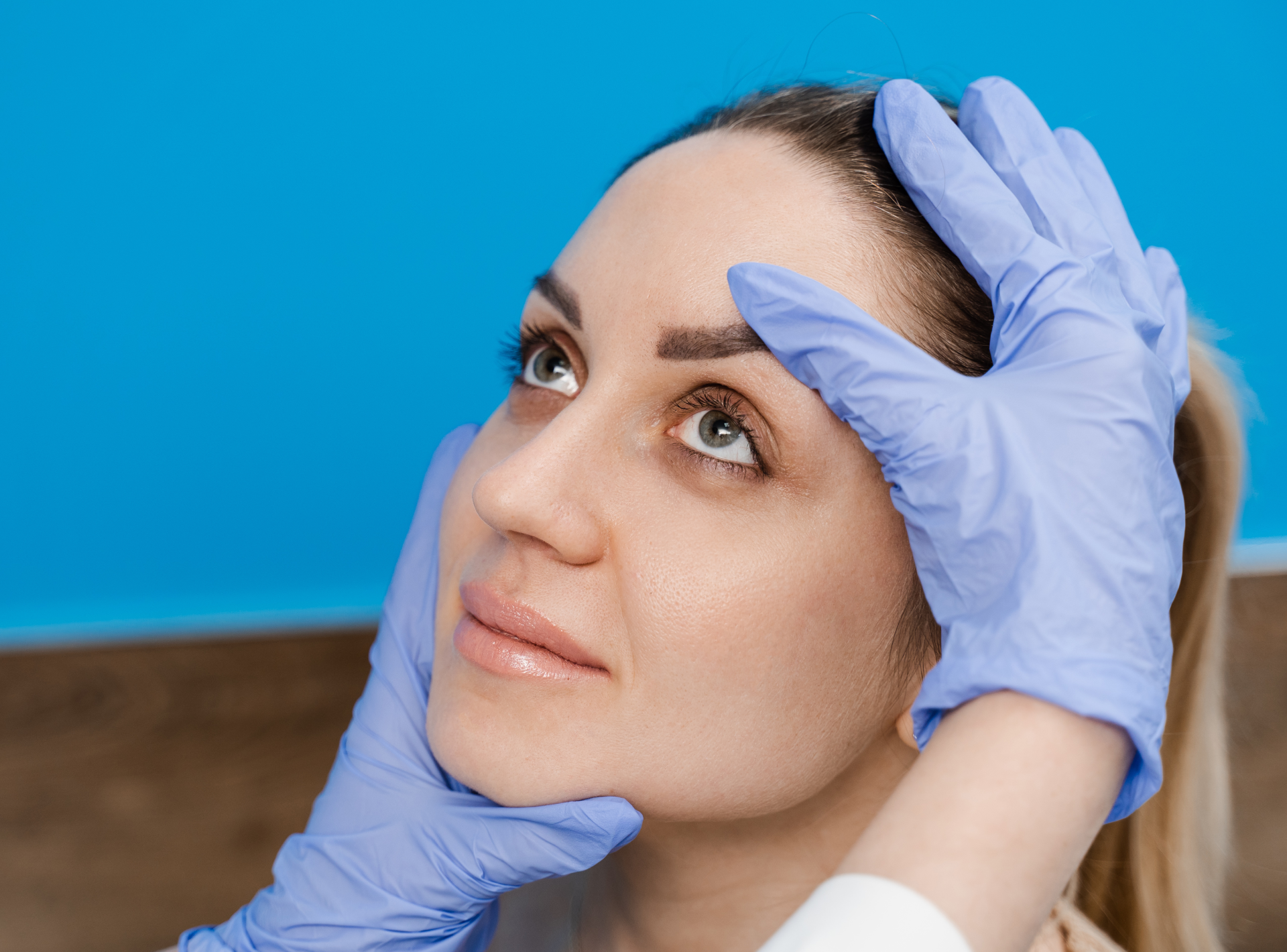
Managing swelling following your Dubai eyelid surgery becomes crucial as the next phase of your rejuvenation journey begins with recovery from the procedure.
By practicing patience, diligence, and routine, you can prevent postoperative complications and have a smooth recovery.
Adhering to the plan your surgical team recommends will guarantee your comfort, prevent any elevated risk, and speed up your recuperation, enabling you to appreciate your eyes’ renewed appearance sooner.
Eyelid Surgery In Dubai
Eyelid surgery in Dubai is a cosmetic and functional surgical procedure designed to improve the appearance of the upper and/or lower eyelids. The surgery targets sagging skin, puffiness, under-eye bags, and drooping eyelids that can make the eyes appear tired or aged.
What Is Blepharoplasty?
To refresh your memory, blepharoplasty, also known as eyelid surgery, is an outpatient procedure used to treat wrinkles, under-eye bags, and drooping eyelids. In order to improve facial aesthetics and revitalize the eyes, this procedure entails removing extra skin, fat, and muscle from the upper and/or lower eyelids.
Is Swelling Normal After Blepharoplasty?
Any facial plastic surgery, including blepharoplasty, is likely to result in swelling and bruising. Usually, the inflammation peaks in the first few days following surgery and then progressively decreases as the body heals over the course of several weeks. You will feel more at ease if you know what to anticipate both before and after your blepharoplasty.
Let’s talk about how to minimize swelling following surgery on the upper eyelids.
Tips for Reducing Swelling After Blepharoplasty
The following advice can help minimize swelling following eyelid surgery:
Use Cold Compresses
After blepharoplasty, applying a cold compress or cool compress gently to the eyes helps lessen discomfort and swelling. For best relief, apply a cold compress several times a day for brief periods of time as prescribed by your surgeon.
Head Elevation
keeping your head up when you’re sleeping. The buildup of fluid around the eyes, which can lead to increased swelling, is lessened when one is elevated.
One of the best ways to unwind and keep your posture correct is to sit in a reclining chair. Having extra pillows can also be helpful if you don’t have any.
Avoid Strenuous Activities
After blepharoplasty, it’s crucial to avoid heavy lifting and strenuous exercise to prevent blood pressure spikes, needless bleeding, and complications. For the best recovery and outcomes, give your body time to heal and prioritize rest and gentle movements.
Pain Medication
To lessen extreme pain, take prescription drugs as directed. Based on the medical history you have given them, your surgical team will guide you and prescribe the right medication.
Postoperative Care Instructions
You can reduce swelling, pain, and complications and encourage the best possible healing by following your cosmetic surgeon’s instructions.
You should pay close attention to these instructions. For this reason, you have a board-certified plastic surgeon to help you through the whole process.
Avoid Alcohol, Smoking, and Salty Foods
By narrowing blood vessels, decreasing oxygen delivery to tissues, and raising the risk of infection, alcohol and smoking can impede the healing process.
Consuming salty foods can worsen post-operative swelling and cause fluid retention. Steer clear of these things to improve circulation, lessen inflammation, and facilitate quicker and more effective recovery following surgery.
Stay Hydrated
Maintaining adequate blood flow and oxygen delivery to tissues, facilitating the elimination of waste products and toxins, and bolstering the immune system’s performance are all made possible by adequate hydration.
Hydration can help reduce swelling and promote overall healing by keeping tissues supple and soft.
Use Lubrication Eye Drops
Dryness and discomfort following blepharoplasty can be avoided by using lubricating eye drops or artificial tears. By keeping the eyes hydrated and lubricated, these drops offer calming relief and aid in the healing process. Observe your surgeon’s advice regarding the type and frequency of eye drops.
Wear Dark Sunglasses
Wearing dark glasses protects the eyes from sunlight and lessens eye strain. They reduce sensitivity and discomfort by protecting the sensitive surgical site from damaging UV rays.
Additionally, sunglasses can help hide bruises and swelling, facilitating a more private and comfortable recuperation.
Avoid Applying Make Up
After blepharoplasty, avoid putting makeup or cosmetics like eye shadow close to the eyes to avoid irritation, infection, and disruption of the healing process. Before applying makeup again, wait until the surgical site has completely healed and your surgeon has given the all-clear.
Be Patient
Throughout the healing process, be patient, have faith in your medical team, carefully follow postoperative instructions, and give your body enough time to heal.
You can achieve your desired aesthetic improvements and reap the long-term benefits of blepharoplasty with patience and appropriate care management.
BOOK AN APPOINTMENT TODAY
FAQs About Eyelid Swelling After Eyelid Surgery
Will I Be Able To Wear My Contact Lenses After My Blepharoplasty Procedure?
After surgery, refrain from wearing contact lenses for at least two weeks. It’s perfectly acceptable to wear your glasses during this time. Make sure you don’t drive until you’re off pain medication, and your double or blurred vision has gone away. Always follow your surgeon’s instructions to ensure safe healing and optimal results.
What Can I Do To Help My Incisions Heal?
To get rid of crusts, gently clean your incision lines one to two times a day with water and a Q-tip. To keep the area moist during the healing process, apply a thin layer of Vaseline to the incision line at least two to three times per day.
How Long Should I Apply Cold Packs For After Eyelid Surgery?
During the first few hours following eyelid surgery, cold compresses can be used for ten to fifteen minutes at a time, multiple times a day. It’s critical to adhere to the precise guidelines provided by your surgeon regarding the frequency and length of cold pack application. Cold packs help reduce swelling, minimize bruising, and improve comfort during the early stages of recovery.
When Is The Best Time To Apply Scar Cream After Eyelid Surgery?
After eyelid surgery, it is usually best to apply scar cream after the suture line has completely healed and any crusts or scabs have fallen off. This typically occurs one to two weeks after surgery.
Once your surgeon confirms that the incision has healed properly, scar cream can help improve the appearance of the surgical site by keeping the skin hydrated and supporting healthy healing. It is important to use only surgeon-approved products and apply them gently to avoid irritating the delicate eyelid area. Consistent use of scar cream, along with sun protection and proper aftercare, can help minimize scarring over time. Always follow your surgeon’s post-operative instructions to ensure optimal healing and the best possible aesthetic outcome.
How Long Does Swelling Last After Eyelid Surgery?
Within the first one to two weeks, the majority of the swelling will disappear. It may take a few weeks to months for all swelling to go away and for the surgery’s outcomes to be fully visible. Healing times will differ for each person.
During the recovery period, patients may notice gradual improvements as bruising fades and the eyelid tissues settle into their final shape. Following post-operative care instructions, such as keeping the head elevated, applying cold compresses, and avoiding strenuous activities, can help reduce swelling more quickly. Mild puffiness may persist longer in the mornings or after physical exertion, which is normal. Regular follow-up appointments allow the surgeon to monitor healing and ensure proper recovery. Patience is important, as the final refined results of eyelid surgery become more noticeable once all swelling has completely resolved.
How Painful Is An Eyelid Surgery?
To numb the area and reduce pain, local anesthesia or sedation is frequently used during the procedure. Some patients may have mild eye pain, tightness, or discomfort following surgery; these side effects are typically treatable with over-the-counter drugs or prescription painkillers.
When Will Insurance Pay for An Eyelid Surgery?
Generally speaking, insurance only covers eyelid surgery if it is considered medically necessary. It won’t if the procedure is solely for aesthetic purposes. For your insurance company to pick up the tab, you must check every box.
MEET THE EXPERT DOCTOR
Best Plastic Surgeon In Dubai For Eyelid Surgery
Best Plastic Surgeon In Dubai for Eyelid Surgery is available at the Perfect Doctors Clinic, which offers expert blepharoplasty procedures that enhance both the appearance and function of the eyelids with precision and aesthetic balance. Dr. Perfect Celebrity, a highly respected surgeon in Dubai, is known for his exceptional skill in performing upper and lower eyelid surgeries, delivering natural-looking, refreshed results. With a focus on personalized care, meticulous technique, and patient safety, he is a trusted choice for anyone seeking high‑quality eyelid rejuvenation with beautiful, long‑lasting outcomes.
Contact Us To Learn More About Blepharoplasty Surgery
Please get in touch with our office at Perfect Doctors Clinic in Dubai right now if you’re considering having an eyelid lift or upper or lower blepharoplasty procedure to rejuvenate your eyelids.
To learn more about the procedures and determine whether you are a good candidate, schedule a personal consultation with Dr. Perfect Celebrity, a double board-certified plastic surgeon.