





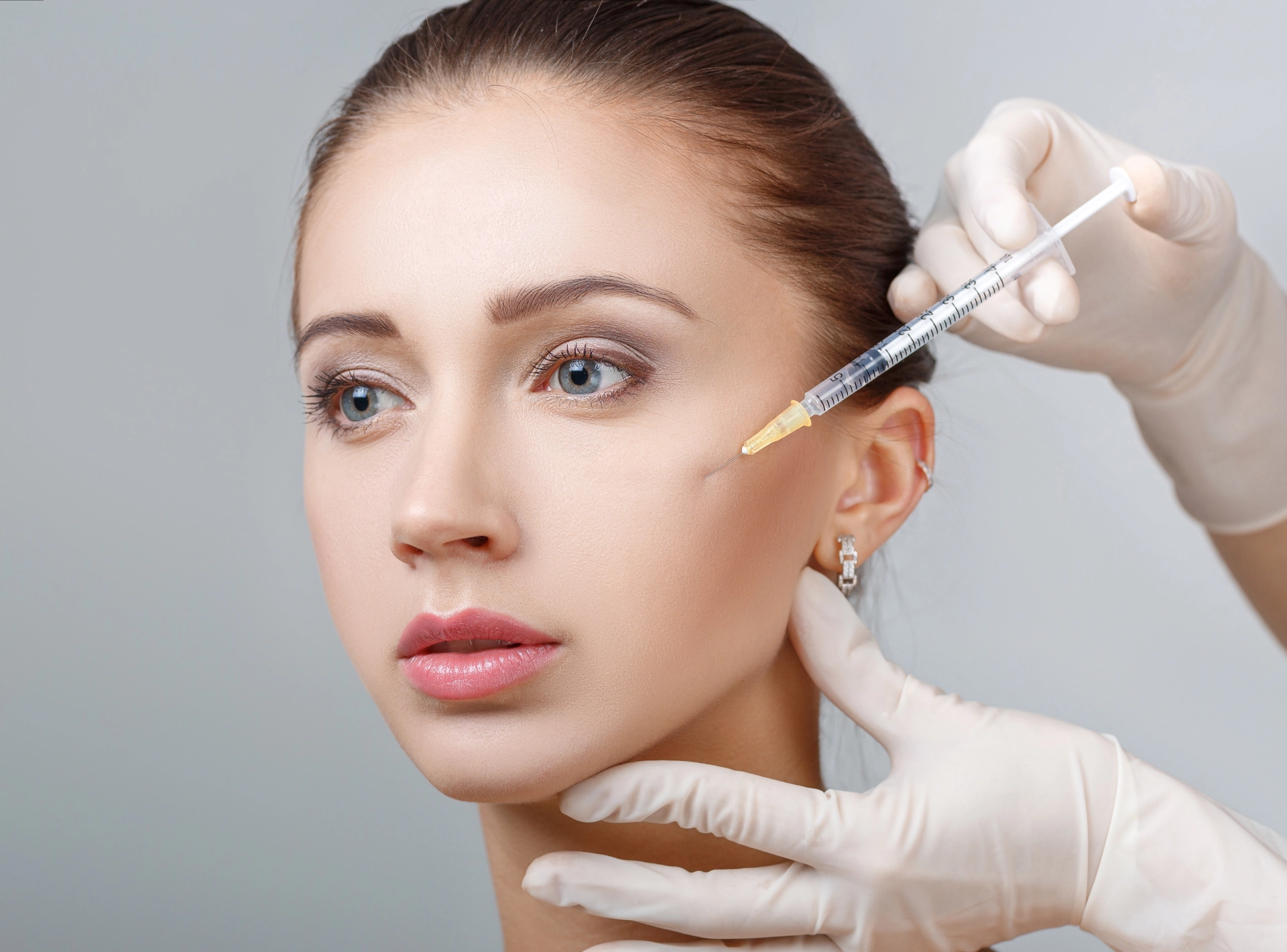
Injectable treatments like Botox and dermal fillers have become very popular because they can make your face look younger without the pain and time off work that comes with cosmetic surgery. Injectables do have one bad side effect, though: bruising (or swelling) around the site where the injection was given.
In one study, almost 23% of all injectable patients had some bruising after treatment. Most bruises that happen after treatment are small and go away on their own in a day or two. Patients can also do simple things to make it less likely that they will get bruises and make them less painful.
Follow these simple tips to learn what causes bruises and how to avoid or lessen them. Also, know when your bruise means you should call your doctor.
Botox In Dubai
Botox in Dubai is a popular non-surgical cosmetic treatment used to reduce the appearance of fine lines and wrinkles caused by repeated facial movements, such as frowning, smiling, or squinting. It works by temporarily relaxing targeted facial muscles, resulting in smoother and more youthful-looking skin. Common treatment areas include the forehead, crow’s feet, and frown lines between the eyebrows. The procedure is quick, minimally invasive, and requires little to no downtime, making it convenient for individuals with busy lifestyles. With proper application and follow-up care, Botox results can last several months and help maintain a refreshed and natural facial appearance.
Dermal Fillers In Dubai
Dermal Fillers in Dubai are injectable cosmetic treatments designed to restore lost volume, smooth wrinkles, and enhance facial features such as the lips, cheeks, jawline, and under-eye area. These fillers are typically made from hyaluronic acid, a substance naturally found in the body that helps keep the skin hydrated and firm. The treatment is minimally invasive and provides immediate, noticeable results with minimal recovery time. Dermal fillers can also improve facial symmetry and contour, giving the face a more youthful and balanced look. When performed by trained professionals, dermal fillers offer safe, natural-looking, and long-lasting aesthetic improvements.
Why Can Bruising Occur After Botox or Fillers?
Bruising doesn’t always happen after Botox or dermal fillers, but it can happen whenever you get an injection under your skin. When blood vessels are damaged, they leak blood into the tissue around them, which causes black, red, or purple bruises. This can happen if a needle cuts a blood vessel or if skin is pinched or pulled, which hurts the capillaries.
An experienced injector can help reduce bruising, but there is no way to make sure that bruising won’t happen after the injection. Some people just bruise more easily than others, especially in places where there isn’t much collagen, a structural protein that protects blood vessels and keeps them from getting hurt.
BOOK AN APPOINTMENT TODAY
Who Is Most Likely to Bruise After Botox or Fillers?
Genetics affects how likely you are to get bruises. Women bruise more easily than men, and older people bruise more easily than younger people. Also, the following things that you can avoid may make you more likely to get bruises:
- Taking blood thinners like aspirin and NSAIDs
- Regularly drinking alcohol, which makes blood flow faster
- Working out right before or right after treatment
- Systemic inflammation caused by a bad diet or poor health
Experienced injectors do their best to avoid hurting blood vessels, but even small needles and numbing, skin-tightening creams can’t completely get rid of the risk.
How Long Does Bruising Last After Injectables?
You might get bruises right after your shots or 1–3 days later. In either case, bruises usually go away on their own after a few days. In some cases, bruises can last for a week.
Most of the time, bruises start out dark purple or red and then turn yellow before they go away completely. But it’s important for people who might become patients to know that their healing process may be different from that of other patients.
Most bruises that happen after getting Botox or dermal fillers can be easily covered up with basic concealer.
Bruising Prevention: Before Your Treatment
If you plan ahead, you might not get bruises after your injection! Here are some easy ways to reduce bruising after getting Botox or fillers:
Choose the Right Injectable
Some injectables are more likely to cause bruising than others. Hyaluronic fillers like Juvederm and Restylane, for example, are more likely to cause bruising after treatment because they are thicker and are often injected deeper into the skin. On the other hand, Botox and other neurotoxins don’t cause as much bruising because they don’t usually go as deep into the skin.
It’s always a good idea to tell your dermatologist or injector what you’re worried about. They might be able to suggest injections that are less likely to cause bruising after the treatment.
Choose The Right Injector
Choosing the right provider is very important for any professional cosmetic treatment. An expert injector will have years of experience with a wide range of injectables. This experience often helps them learn how to give injections in a way that causes less bruising after the treatment. Pick an injector who has the right credentials and is on the manufacturer’s list of qualified providers. If the injector is not a doctor, make sure that a doctor is in charge of them.
Avoid Blood Thinning Medications and Supplements
Most injectors will tell their patients to stop taking any medicines or supplements that make the blood thinner or stop it from clotting properly. These are two things that can make bruising more likely. Note: Patients who already have medical conditions that need anticoagulants should always talk to their doctors about injectables before getting treatment.
Patients should stop using the following to avoid bruising:
- Aspirin, ibuprofen, and naproxen are all NSAIDs.
- Anticoagulants like Heparin or Warfarin
- St John’s Wort
- Vitamin E
- Fish Oil/Omega-3 fatty acids
- Gingko Biloba
- Ginseng
- Green tea
- Krill oil
- Flaxseed oils
MEET THE EXPERT DOCTOR
Bruising Prevention: After your Treatment
Take Arnica Montana
Arnica Montana is a natural remedy that can help with pain and bruising after filler or Botox. You can take Arnica Montana as a pill or put it on the skin where you want to treat it. Some injectors may even tell you to take the supplement a few days before your injectable treatment to help keep bruises from happening.
Eat Pineapple
Some studies suggest that enzymes found in high-citrus fruits like pineapples can help keep bruises from forming. Eat pineapple for the first two days after getting Botox or fillers.
Avoid Excess Physical Activity
When you work out hard, your heart rate and blood flow go up, which makes it more likely that you will get bruises. For two to three days after your injectable treatment, don’t do any kind of hard exercise, like weightlifting or aerobics. When you do hard work, your heart rate and blood flow go up, which makes it harder for the damaged capillaries at the injection site to heal quickly.
Elevated Sleeping
Don’t sleep for at least three to four hours after your treatment, so you don’t accidentally rub or press on the area that was treated. After your treatment, sleep with your head raised by putting extra pillows under it on the first night.
Avoid Touching
For at least the first six hours after the injection, do your best not to touch the treatment area. Patients should not put any pressure on the injection site because it can hurt the blood vessels even more, which can lead to more bruising. Your provider should never tell you to massage the area that was treated.
Cold Compress
Using a cold compress or cold packs on and off for the first eight hours of treatment can help lessen bruising or swelling in the area where the injection was given. You can lightly put the compress on for five to ten minutes every hour.
Avoid Alcohol
Alcohol makes you feel more relaxed and opens up blood vessels, which makes blood flow faster and makes you more likely to get bruises. Even a little bit can cause this to happen. Don’t drink alcohol at all one to two days before and after your injections for the best results.
Take Vitamin C
If you don’t get enough vitamin C, you may be more likely to bruise after getting an injection. Taking vitamin C supplements or eating foods that are high in vitamin C, like citrus fruits, strawberries, kale, or broccoli, can help reduce bruising.
Can Bruising a Sign of Something Worse?
Getting bruises is a normal side effect of getting cosmetic injections. Sometimes, bruises are a sign that something is wrong. Call your doctor right away if any of the following happen:
- If your bruise is getting darker or bigger
- If a bruise doesn’t go away completely after two weeks,
- If your bruises hurt a lot
Best Aesthetic Clinic In Dubai For Botox and Dermal Fillers
Best Aesthetic Clinic in Dubai for Botox and Dermal Fillers offers advanced non-surgical cosmetic treatments designed to reduce wrinkles, restore facial volume, and enhance natural facial contours. These procedures are carefully tailored to suit each patient’s unique facial structure and aesthetic goals. Perfect Doctors Clinic is known for providing personalized consultations, high-quality injectable products, and modern treatment techniques to ensure safe and natural-looking results. Patients also receive detailed aftercare guidance to support optimal healing and long-lasting outcomes. With a focus on safety, precision, and patient satisfaction, individuals can achieve smoother, more youthful-looking skin and improved overall facial harmony.