





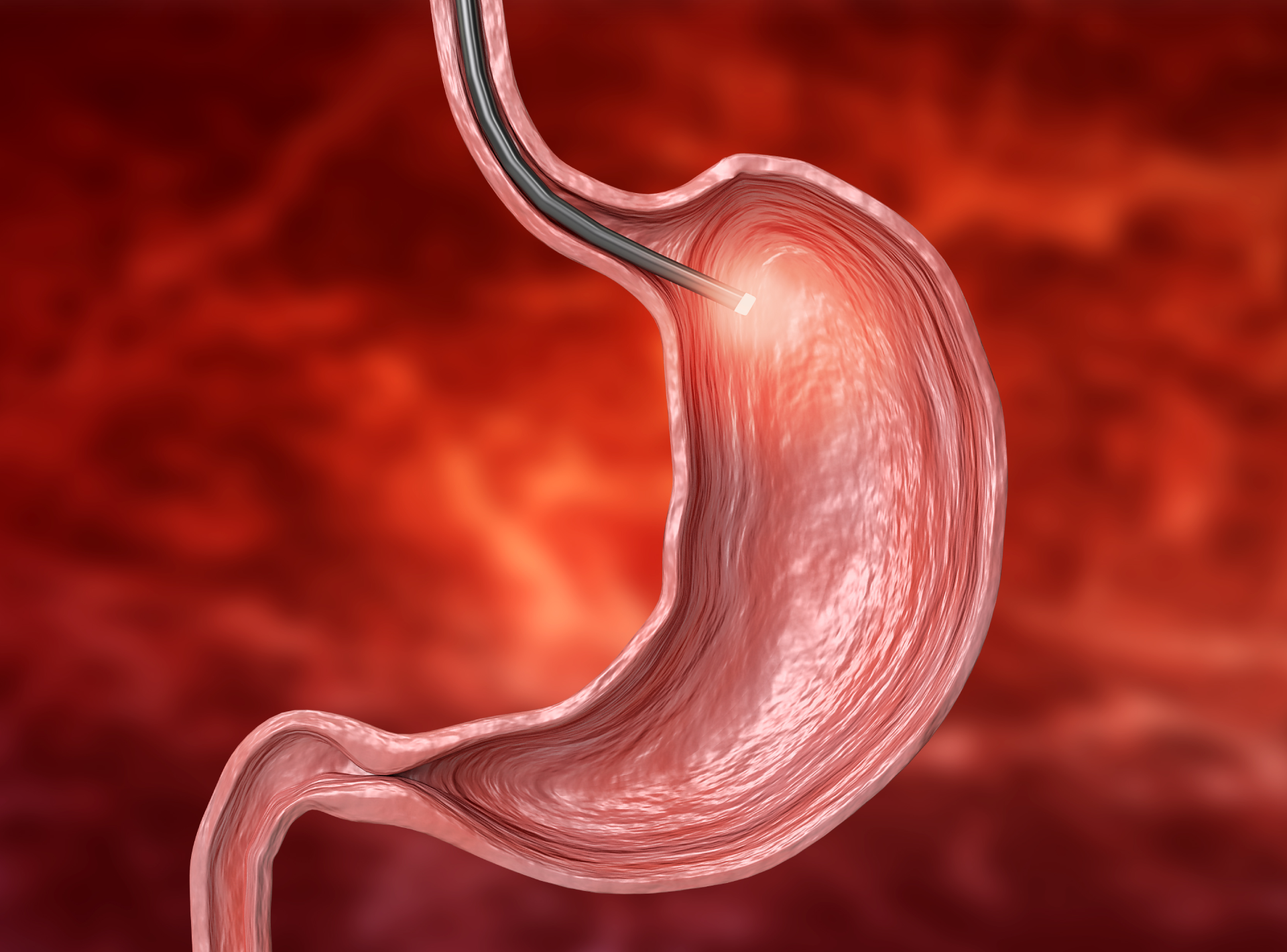
The recovery process from bariatric surgery is a gradual process that necessitates lifestyle adjustments, proper care, and patience. Comprehending each stage of the healing process is essential for achieving long-term weight loss success and a safe recovery.
Bariatric Surgery In Dubai
Bariatric Surgery in Dubai is a well-established weight-loss solution that is specifically designed for individuals who are afflicted with obesity and related health conditions. The procedure achieves gradual and sustained weight loss by modifying the digestive system to restrict food intake or reduce nutrient absorption. The body requires time to heal and adjust to new dietary habits, which is why recovery is so important for achieving long-term success. The majority of patients start with a liquid diet, gradually transitioning to soft and then solid foods under the supervision of a physician. Mild discomfort, fatigue, and fluctuations in appetite are prevalent during the initial stages. Patients frequently experience improvements in conditions such as diabetes, high blood pressure, and joint pain when they receive appropriate follow-up care. By adhering to lifestyle changes, such as regular physical activity and balanced nutrition, one can achieve superior results and sustain weight loss results over time.
Recovery In The Hospital
After minimally invasive bariatric surgery, patients typically stay in the hospital for one to two days.
Fatigue, nausea and vomiting, trouble sleeping, post-surgical pain, weakness, lightheadedness, appetite loss, flatulence and gas pain, loose stools, and emotional fluctuations are common in the first few days and weeks following surgery. Patients experience these to differing degrees, so talk to your bariatric surgery team about any specific worries you may have.
Pain Control
Your body position during the procedure may cause incision site pain. When the body reabsorbs the gas used during surgery, some patients also have shoulder and neck pain.
Should your pain prevent you from moving, inform your care team. Oral medications are used to treat pain, and they are most effective when taken on a regular basis. Maintaining a constant level of the medication in the bloodstream keeps pain manageable, so don’t wait until your pain becomes unbearable before requesting another dose.
The pain management plan uses a variety of treatment modalities to lessen the need for opioids. If oral opioids are prescribed, they will only be used in the initial days following surgery.
Exercises To Speed Recovery
Getting active as soon as possible is the single best way to reduce recovery time. Even just shifting positions in bed and taking short walks can improve circulation. Healthy blood flow promotes healing and prevents blood clots from forming.
After surgery, do the following exercises at least once every hour. To improve lung function and agility, it’s also a good idea to practice these motions prior to surgery.
- With the assistance of your nurse or physical therapist, sit up and dangle your feet starting the first night following surgery, and then stand by your bed. Although it might hurt, it will get easier every time. Every day, your pain will decrease and your strength will return.
- You will be asked to get out of bed and walk the day following surgery. Walk at least three times a day after that, and do breathing and leg exercises every hour. Try to do as much as you can, even if you don’t feel well enough to go for a walk.
- You will learn how to use an incentive spirometer to help expand your lungs, as well as how to cough and take deep breaths from your nurse. Deep breathing and coughing can help prevent pneumonia by releasing secretions that may build up in your lungs or throat. Additionally, deep breathing improves circulation and aids in the body’s removal of the anesthetics used during surgery.
How to take a deep breath:
- Take a deep breath and allow your belly to expand as well as your chest.
- For two seconds, hold your breath.
- Let out a full breath.
- Do this three times.
How to cough:
- Take a deep breath.
- Cough from your stomach rather than your throat. For support, press a pillow up against your stomach.
How to work out your legs and feet:
- Push your toes toward the end of the bed while lying on your back, just like you would with a gas pedal.
- Relax after pulling your toes toward the head of the bed.
- After circling each ankle to the right, move it to the left.
- Do this three times.
Recovery At Home
Leaving The Hospital
Based on your progress, your surgeon will determine when you are ready to return home. You will be given specific dietary and activity guidelines, precautions, and information about problems that need to be discussed with your surgeon before being released from the hospital. If you have any worries about going back home, talk to your nurse or discharge coordinator.
When you return home, relax for a while. Your body is recovering from significant surgery and the initial period of weight loss.
Follow-Up Appointments
Your progress is important to us. Stay in contact with your bariatric surgery team so we can do our best to support a smooth recovery.
Two to three weeks following surgery, we plan an initial video follow-up visit. We will include information regarding this visit in your discharge instructions. Following surgery, you will typically see your care team three, six, nine, and twelve months later. After that, you’ll have a yearly appointment.
Additionally, it’s critical to update your primary care physician on your progress.
Activities To Avoid
It is not advised to engage in strenuous activity for three to six weeks following surgery. For the first six weeks, don’t lift anything more than 16 to 21 pounds.
Recommended Activities
You may experience fatigue and weakness in the initial weeks following surgery. Frequent non-strenuous exercise, like quick walks, is advised, though. Increase the length of your walks gradually. Increased physical activity will aid your recuperation. You’ll return to your baseline energy level faster if you follow these suggestions.
By the sixth week, you should be walking for 25 to 40 minutes every day if you continue to walk at least four times a day. After your abdominal incisions have healed, usually three to four weeks after surgery, you can do water exercises if you have particular issues with your weight-bearing joints (such as the ankles, knees, and hips).
Staying Hydrated
In the initial weeks following surgery, you might feel queasy or throw up. Maintain your fluid intake by taking frequent, tiny sips of water to manage these side effects. It is advised to consume 2 to 2.5 liters of water every day.
Travel
As soon as you feel strong enough, you can start going short distances again. Until you stop taking prescription painkillers, which is typically one week following surgery, do not operate a motor vehicle. Wait at least four weeks following surgery if your trip includes a lengthy flight.
Personal Hygiene
Most patients prefer to have a companion at home for both physical and emotional support during the initial days following discharge. When you get home, you can take a shower.
Wound Care
Surgical glue will be applied to your incisions after sutures (stitches) are inserted deeply into the skin. One to two weeks following surgery, the glue starts to peel, and the sutures eventually dissolve.
Allowing the incisions to get wet during a shower is safe, but wait until they are fully healed before immersing them in water. To keep the skin hydrated while the glue separates, apply Vaseline or Aquaphor to the wounds. This may support healing and help reduce scabbing.
It is normal for a tiny amount of clear, pink, or yellow fluid to drain from the incision. Three to ten days following surgery is when an infection typically appears at the wound site. Keep an eye out for infection symptoms, such as:
- An increase in redness or an unpleasant-smelling fluid emanating from the cut
- Excruciating pain where the incision was made
- A temperature higher than 100.5°F.
If you encounter any of these symptoms, get in touch with your bariatric surgery team.
Symptoms Of Concern
After this procedure, major issues are uncommon. However, contact your surgeon right away if you have any of the following symptoms:
- Fever of at least 100.5 degrees Fahrenheit
- Pus-like drainage from your wound, redness, swelling, or increased pain
- Breathlessness or chest pain
- Vomiting or nausea that persists for longer than twelve hours
- Leg pain, redness, or swelling
- Inability to urinate for eight hours
- Pain that doesn’t go away after taking painkillers
Normal Side Effects
Some of the following are common postoperative problems that you might encounter:
- Moderate bruising and swelling. If you have significant bruising and swelling, let your surgeon know because these could be signs of internal bleeding or infection.
- Mild to moderate pain or discomfort. If your pain worsens or doesn’t go away after taking your medication, let your surgeon know.
- Momentary numbness. During surgery, tiny sensory nerves close to the skin’s surface are cut, which results in this condition. After the nerve endings heal, usually within six months, sensation usually returns. When applying heating pads to parts of your body that might be momentarily numb, take care not to burn your skin.
- Electrical sensations that shoot through the skin and frequently happen when nerve endings heal. This phenomenon is typical during the recuperation phase, particularly when engaging in physical activity. This symptom can be lessened by using an abdominal binder.
- In the initial weeks to months following surgery, there may be red, dark pink, or purple scars. It takes a year or so for scars to disappear. Even when wearing a bathing suit, it’s crucial to shield your surgical scars from the sun for a full year because sunlight can still harm the skin. Before going outside, apply a sunscreen with a minimum SPF of 35.
Nausea
Inadequate chewing, fullness in the stomach, sensitivity to smells, painkillers, prolonged fasting, postnasal drip, or dehydration can all cause nausea. Antiemetics are drugs that are typically used to treat nausea in the initial days following surgery. Only take your nausea medication as directed by your surgeon.
Seldom does nausea get so bad that it keeps a person from consuming enough liquids. You will require intravenous (IV) fluids at the hospital if this occurs. Electrolyte imbalance and dehydration can result from frequent vomiting.
After surgery, odors can occasionally be overpowering. Try inhaling a few drops of peppermint essential oil on a handkerchief if you have dry heaving. Steer clear of scented lotions and perfumes. Try having someone else prepare your meals or limit your diet to bland foods if you are bothered by food odors.
Recognize when you are full. Eating very slowly will make it easier, but it won’t happen right away.
Try decaffeinated green tea, peppermint tea, fennel tea, or hot or cold water with lemon if your nausea prevents you from drinking. Another way to reduce nausea is to suck on a cinnamon stick.
Call your surgeon’s office to discuss changing your prescription if you think your pain medication is making you feel queasy.
Vomiting
Eating improperly is frequently the cause of vomiting. It may be challenging at first to get used to your new anatomy. You might only be able to consume one or two tablespoons at a time.
Among the potential reasons for vomiting are the following:
- Consuming food too quickly
- Not fully chewing food
- Consuming excessively dry food
- Consuming excessive amounts of food at once
- Consuming solid foods too soon following surgery
- Consuming liquids during or immediately following meals
- Using a straw to drink
- Lying down following a meal
- Consuming foods that you don’t like
To avoid throwing up:
- Chew food thoroughly.
- Food should be kept moist.
- Measure out portions. In the early postoperative period, consume small amounts every one to two hours.
- Refer to the “Dietary Guidelines After Bariatric Surgery” education guide for diet progression.
Stop eating solid foods and drink liquids, like water and protein shakes, if you have prolonged vomiting. Contact your bariatric surgery team if you have trouble swallowing or holding down food.
Vomiting could be a sign that food isn’t getting through your stomach properly. Get in touch with your bariatric surgery team if the vomiting persists for longer than a day. Additionally, remember that vomiting can result in severe dehydration, which calls for medical attention.
Dehydration
You become dehydrated when you don’t consume enough fluids. Fatigue, dark urine, nausea, fainting, low back pain (a persistent dull ache across the back), and a white coating on the tongue are some of the symptoms. Blood tests will be required to determine the extent of your dehydration if you exhibit these symptoms. Additionally, dehydration raises the risk of kidney and bladder infections.
If you are worried about dehydration, get in touch with your bariatric surgery team. You might require intravenous fluids.
To avoid becoming dehydrated:
- Purchase a reusable bottle, carry it with you everywhere, and drink water all day.
- At least 2 to 2.5 liters of water should be consumed each day. If you’re perspiring a lot, increase this amount.
- Steer clear of caffeinated drinks because they are diuretics, which cause your body to expel more water. Hot or cold, unsweetened herbal tea is acceptable.
- Suck on ice chips if nausea prevents you from drinking water.
Bowel Habits
Following bariatric surgery, bowel movements can differ significantly. Stools may have an unpleasant odor, be connected to flatulence, or have an unusual color. For instance, taking iron supplements will cause your stools to turn black or dark. Your stools will be soft until you start eating more solid food. As the body heals and adjusts, the majority of these changes go away. If diarrhea continues, please contact your bariatric surgery team.
You’ll eat a lot less food and fiber after bariatric surgery. Consequently, you might feel constipated and have fewer bowel movements. Try incorporating a powdered fiber supplement into your daily regimen if constipation continues.
To maintain regular bowel movements:
- If you develop a lactose sensitivity following surgery, stay away from cow’s milk products like milk and cheese. Yogurt ought to be fine. Lactose intolerance and eating a lot of fat can bring on diarrhea and loose stools.
- To identify the foods that might be causing irregular bowel movements, keep a food journal.
- To increase bowel motility (movement), incorporate Miralax into your routine. After making these adjustments, get in touch with your bariatric surgery team if your stools still look like rocks rather than soft logs.
Flatulence
Everybody has intestinal gas. Swallowed air and the regular breakdown of some foods by benign bacteria that reside in the large intestine are the two main sources of gas. Following gastric bypass surgery, patients experience a shortened bowel, which may cause the body to expel gas more forcefully or with more odor.
Specifically, foods high in protein and fat cause very little gas, but foods high in carbohydrates do. Beans, vegetables, certain fruits, soft drinks, whole grains, wheat, bran, cow’s milk and cow’s milk products, and foods containing sorbitol or dietetic products are among the foods that are particularly known to cause gas.
To reduce flatulence:
- Chew food well and take your time eating.
- Stop consuming any products made from cow’s milk. Gas is typically caused by lactose intolerance. Yogurt is fine.
- Avoid sticky candies and chewing gum, as they may worsen the issue.
- Steer clear of straw drinking, which may also be a contributing factor.
- Try treatments for flatulence like simethicone, natural chlorophyll, and Lactobacillus acidophilus supplements, which are probiotics or beneficial bacteria that help with digestion.
BOOK AN APPOINTMENT TODAY
Anemia
Reduced stomach size following bariatric surgery increases the risk of iron deficiency anemia and decreased iron absorption in recuperating patients. Paleness, exhaustion, weakness, trouble regulating body temperature, lightheadedness, and dyspnea are symptoms of iron deficiency anemia. You will take a daily bariatric-specific multivitamin with added iron to avoid this issue.
Low vitamin A levels can also result in iron deficiency. A vitamin A deficiency reduces the body’s capacity to use stored iron because vitamin A helps mobilize iron from its storage sites. Even though the body can maintain a sufficient amount of stored iron, this condition leads to low hemoglobin levels, which appear to be an iron deficiency.
Temporary Hair Loss And Skin Changes
One of the body’s normal stress reactions to quick weight loss is hair loss. After surgery, the condition usually gets better six to twelve months later. Patients may find the issue distressing even though it is transient.
Take multivitamins every day and eat at least 65 to 85 grams of protein to reduce hair loss. You don’t need to add another supplement to your regimen because a bariatric multivitamin contains the ingredients of a hair, skin, and nails supplement.
Steer clear of hair treatments that put stress on your hair from the outside, like permanents.
Following bariatric surgery, the texture and appearance of your skin may change. Since protein, vitamins, and water intake are crucial for healthy skin, some patients experience dry skin or acne. This condition is an additional justification for closely adhering to the dietary and hydration recommendations.
Sexuality And Pregnancy
Once you are emotionally and physically stable, you can start having sex again.
After bariatric surgery, it is highly advised that sexually active women use an effective birth control method, like an IUD, because rapid weight loss may increase fertility.
Pregnancy must be avoided for the first 14 to 20 months following bariatric surgery. During this postoperative phase, body weight and micronutrient levels fluctuate quickly, which is not ideal for promoting a healthy pregnancy.
Please get in touch with the bariatric surgery office if you do become pregnant. Your obstetrician and care team will collaborate to provide the appropriate prenatal care.
A Lifelong Commitment
You can lose weight physically with surgery, but you also need to make the mental and emotional adjustments required for sustained weight loss and maintenance.
Following bariatric surgery, you must regularly take vitamins and supplements, consume high-quality nutrients, go to follow-up appointments with your bariatric surgery team, engage in physical activity, and attend support groups. Your commitment to this complex plan is essential to your mental and physical health.
Common reasons for weight gain following surgery include lack of exercise, consuming processed carbohydrates and sugars, eating poorly balanced meals, and frequent grazing. For the remainder of your life, you must control your food intake and engage in regular exercise.
Support Groups
Support groups play a crucial role in both the physical and emotional healing process. Every patient is encouraged to include support group meetings in their monthly routine. The clinic offers regular virtual support sessions where patients can connect, share experiences, and receive guidance throughout their recovery journey. For additional information and updates, patients can contact the clinic directly or inquire during their follow-up visits.
Exercise
The body naturally prefers to use muscle for short-term energy needs when calorie intake is low. This implies that maintaining a regular exercise regimen following surgery is crucial. You can increase your chances of long-term success, burn fat, and preserve lean muscle mass by working out at least three times a week.
Supplements
You will need to take vitamins and other nutritional supplements for the remainder of your life because bariatric surgery alters the digestive system. Take your supplements and see your bariatric surgery team for routine follow-up appointments and lab work because vitamin deficiencies are preventable and detectable.
Swelling, Bruising, And Scarring After Bariatric Surgery
Mild swelling and bruising at the incision sites are common after bariatric surgery and typically resolve within a few weeks. These effects are a natural part of the healing process and will gradually improve with appropriate care. The scarring is minimal and tends to fade over time as a result of the small surgical incisions. The area can be cleaned, aftercare instructions should be followed, and strain should be avoided to help faster healing and minimize visible marks.
Downtime For Desk Jobs After Bariatric Surgery
The majority of patients can resume desk jobs within one to two weeks of their bariatric surgery, contingent upon their recovery rate and overall health. The procedure is minimally invasive, which reduces physical strain and facilitates the resumption of light activities. Nevertheless, fatigue may persist initially; therefore, it is crucial to take short breaks and maintain proper hydration. You can achieve a smooth return to work by refraining from heavy lifting and maintaining proper posture.
Bariatric Surgery Recovery Tips For Better And Faster Results
Follow your prescribed diet plan strictly and maintain hydration throughout the day to facilitate a more efficient recovery. To enhance circulation and healing, gradually incorporate physical activity, such as light walking. Attend all follow-up appointments and take medications as prescribed. Avoid stress, prioritize rest, and pay attention to your body’s signals. Maintaining a positive mindset and committing to long-term lifestyle changes significantly improve the overall results and recovery.
Bariatric Surgery Recovery Dos and Don’ts
Keep hydrated, adhere to your surgeon’s dietary recommendations, and participate in light physical activity as directed. To prevent deficiencies, it is important to consume the prescribed supplements. During the recovery process, refrain from consuming fatty, sugary, or heavy foods. Refrain from smoking, consuming alcohol, and skipping meals. Do not disregard unusual symptoms or rush into intense exercise. Safe healing and long-term success are facilitated by adhering to healthy habits and refraining from harmful behaviors.
MEET THE EXPERT DOCTOR
Best Plastic Surgeon In Dubai For Bariatric Surgery
Best Plastic Surgeon in Dubai for bariatric surgery is available at the Perfect Doctors Clinic, renowned for its ability to deliver cutting-edge, patient-centered care. The clinic provides state-of-the-art surgical procedures that guarantee precise, safe, and efficient weight loss results. From the initial consultation to the postoperative recovery, a team of professionals with extensive experience provides patients with assistance. We develop personalized treatment plans to accommodate the unique health objectives and physiological requirements of each individual. The clinic also prioritizes comprehensive aftercare, which includes nutritional guidance and regular follow-ups, to guarantee long-term success. Perfect Doctors Clinic is dedicated to patient satisfaction and excellence, and the clinic offers a supportive environment that enables individuals to undergo bariatric surgery with confidence and achieve a healthier, more improved lifestyle. Patients gain from ongoing observation, professional advice, and a planned recuperation program that promotes safe recovery, long-term weight control, and general health enhancement.