





Losing your hair can be distressing, but there is good news, you can recover! This book is designed to help you on your way back to healthy and strong hair whether you’re suffering from thinning hair, hair loss, or receding hairlines.
We’ll go through why hair loss happens, treatments that work, lifestyle modifications and advice on keeping your hair in good condition. The correct method will bring back your confidence and your hair. Let’s dive into the phases of successful hair loss recovery!
Hair Loss Treatment In Dubai
Hair Loss Treatment in Dubai is a growing concern for both men and women due to factors such as stress, genetics, hormonal imbalance, lifestyle habits, and environmental exposure. Modern hair restoration treatments now provide advanced, non-surgical, and minimally invasive solutions that help restore stronger, healthier, and fuller-looking hair. From PRP therapy and mesotherapy to laser scalp treatments and hair transplants, patients can choose customized options designed to improve scalp health, stimulate hair follicles, and encourage natural hair growth. With advanced technologies and personalized treatment plans, hair loss solutions in Dubai focus on long-term scalp rejuvenation and healthier hair restoration. These treatments are designed to minimize downtime while improving hair density, texture, and overall confidence. Under expert supervision and proper aftercare, patients can achieve gradual yet noticeable improvements in hair quality and scalp condition.
What Is Hair Loss?
Hair loss, known as alopecia, is the most prevalent complaint seen by dermatologists. By the age of 55, about half of all people experience hair loss, both male and female. We have about one lac hair strands and we shed about hundred strands daily. This is a minor hair loss and does not produce any severe consequence of balding.
But now you must be thinking why hair usually fall off? This is an average hair cycle. The life of hair comprises four phases called Anagen, Catagen, Telogen and Exogen. Anagen is the longest period, when the hair is continually growing. It lasts between 4 and 8 years. The Catagen phase, shrinking of the hair follicle, means hair growth slows down. This stage lasts 4-8 weeks. Then hair enters Telogen now. With additional growth. Lasting about 4 months. At some point in the Exogen phase, hair falls out. 6-12% of hair is in its terminal phase every day and hence we see typical hair fall every day.
But when we lose a lot of hair every time we take a shower or we comb our hair, it promotes thinning of hair. It’s a huge worry when you notice your hair all over the floor of your house, especially in the bathroom drain. To know the cause and treatment of hair loss, you need to see a dermatologist in Dubai.
Scalp is exposed and baldness occurs due to excessive loss of hair. It might be one or several patches. Baldness is most commonly caused by heredity. It is non-scarring, but because it is chronic, relapsing and readily apparent to others, it can have a significant impact on the patient’s quality of life. Hair loss is a cause of low self-esteem in many people.
Causes And Reasons For Hair Loss
Hair loss has many reasons. There may be one or several variables responsible at any time. You can not determine the causes of hair loss yourself. You need to visit a dermatologist for thorough diagnosis and treatment. Alopecia areata often runs in families and this may point to genetics as a factor for hair loss. Other causes which may be responsible for hair loss are cited as the following:
Medical Reasons
Poor Health
You may be losing hair due to bad health. Diseases that induce hair loss include systemic lupus erythematosus (an autoimmune disease), syphilis and thyroid gland disorders such as hypothyroidism or hyperthyroidism. Allergic contact dermatitis is also one of the most prevalent causes of hair loss that is seen.
Telogen Effluvium
It is the second most frequent cause of hair loss. It is commonly found 3-4 months after the body has any physical damage or stress such as accidental blood loss, severe surgery or any serious infection. Sudden change in hormone levels as in pregnancy and after childbirth results in hair loss.
Side Effects Of Chronic Medication
Anticancer chemotherapy medications such as paclitaxel and doxorubicin trigger abrupt hair loss, all over the head, including eyelashes, eyebrows and body hair. Other drugs such as amphetamine, beta blockers, levodopa, lithium and warfarin do induce hair loss.
Nutritional Deficiency
Lack of vitamin B6 (Pyridoxine), B7 (Biotin), B12 (Cyanocobalamin) and C (Ascorbic acid) causes hair loss. A diet lacking in nutrients such as zinc and iron can also lead to hair loss. Hair loss will normally go back to normal with a good diet and vitamin supplements.
Lifestyle Reasons
Other lifestyle factors such as junk food, lack of vitamins and minerals in the diet, stress, smoking and alcohol all contribute to hair loss.
“Food is the best medicine for any health problem; therefore, a complete diet in all nutrition will improve overall health and will keep your hair in a healthy state too. A key risk factor for lifestyle disorders such as diabetes, blood pressure and obesity is fast food heavy in saturated fat, sugar and salt. Not getting enough sleep adds more stress to your body. These chronic disorders and their treatment also affect the health of hair. Eat a healthy diet, rich in fresh fruits, green vegetables, fibres, nuts and protein. This will help you keep hair healthy.
External Reasons
External Factors Causing Hair Loss Pollution UV radiation Harsh sunlight exposure Smoke and dust. The air contains harmful compounds such as sulphur dioxide, ammonia, heavy metals and pesticides that might potentially harm the health of your hair. Chlorine and bleach are normally put in swimming tank water to make your hair brittle and fall easily. Always wear a scarf or a hat whenever you go out to preserve your hair.
Discuss how environmental variables such as pollution, water and air quality, and weather variations might impact hair loss.
What Are The Available Treatments For Hair Loss?
Medication
There are several drugs available for hair loss. They can be applied to the scalp or consumed by mouth. But your doctor will pick the most appropriate remedy for your hair loss. Minoxidil and finasteride are the most often used therapy drugs for hair loss and are first-line therapies.
Minoxidil (Rogaine)
It is FDA authorized drug. It is available as 6% foam (once daily) and 3% solution (twice daily). It is offered as an Over the Counter (OTC) product. Minoxidil prolongs the anagen phase and shortens the telogen phase of the hair cycle. Enlarged miniaturized follicles. Linear hair growth rate and hair shaft diameter are also increased.
Finasteride
FDA authorized drug also available in cream, foam and tablet (Propecia, Proscar). However, this is a prescription drug. Finasteride raises hair counts and promotes hair length and thickness.
Both of these hair loss drugs are successful, but you need to be patient with long term treatment. Initial benefits are seen after 3-4 months, and full treatment may last for 7-8 months.
Rarely used contact immunotherapy Diphenylcyclopropenone (DPCP) Squaric acid dibutyl ester. These medications are topical sensitisers are utilized for the individuals with >55% hair loss. These medicines produce allergic contact dermatitis, alter immunological response and cause hair to regrow. Topical corticosteroids such as Desoximetasone cream (Topicort) and clobetasol propionate foam (Olux-E Foam) can decrease inflammation of the hair follicle.
The second line of treatment consists of the use of anthralin, prostaglandin derivatives, systemic corticosteroids, inosine pranobex, Excimer laser, etc. The third line of treatment is JAK/STAT inhibitors such tofacitinib (Xeljanz), baricitinib (Olumiant) and ruxolitinib. Always visit a certified dermatologist or trichologist, before starting any medicine for your hair loss.
Medical Procedures
Shortly about the medical procedures accessible e.g. hair transplant, platelet-rich plasma, mesotherapy, derma-roller etc.
Platelet-Rich Plasma (PRP)
It is a small volume of plasma containing a concentrate of human platelets. It is acquired by centrifugation of venous blood of the patient. It is administrated intradermally in bald parts of the scalp. PRP has a high concentration of growth factors and biochemicals that are important for new hair development. It also increases the density and diameter of the hair shaft.
Micro-Needling Using Derma-Roller
It is a small instrument that has a drum with little needles, and it is rolled over the bald area. It produces micro injuries that stimulate hair growth. Microneedling, when combined with other medications, enhances deep drug penetration and increases its efficacy. Thus, micro-needling is successfully combined with other hair growth stimulating treatments such as PRP, topical steroids or minoxidil.
Low Level Laser Therapy (LLLT)
It is approved by the FDA too. The treatment employs very small beams of light that penetrate deep into the scalp to the depth of hair follicles. It decreases inflammation, increases blood flow. The fractional laser induces proteins to be released that are vital for hair growth and also stimulates the anagen phase. It is often combined with topical minoxidil and leads to increased hair growth and density. The latest breakthrough in this field is Trichibiolight®. It is a combined treatment that consists of applying the nutrients used in mesotherapy directly on the scalp and then a photo-biostimulation session with LED light (635nm). Visible results are good, residual hair is getting thicker and stronger.
Hair Transplant
It is a procedure done by a plastic surgeon, or a dermatologist. It is the process of transplanting and grafting hair from the rear or side of the head to the front or top of the head. The operation is carried out under general anaesthetic. Makes for a better appearance in men with male pattern baldness. Females with thinning hair. It is not suitable for those who have lost hair due to chemotherapy and for those who produce keloid at the site of injury.
Mesotherapy
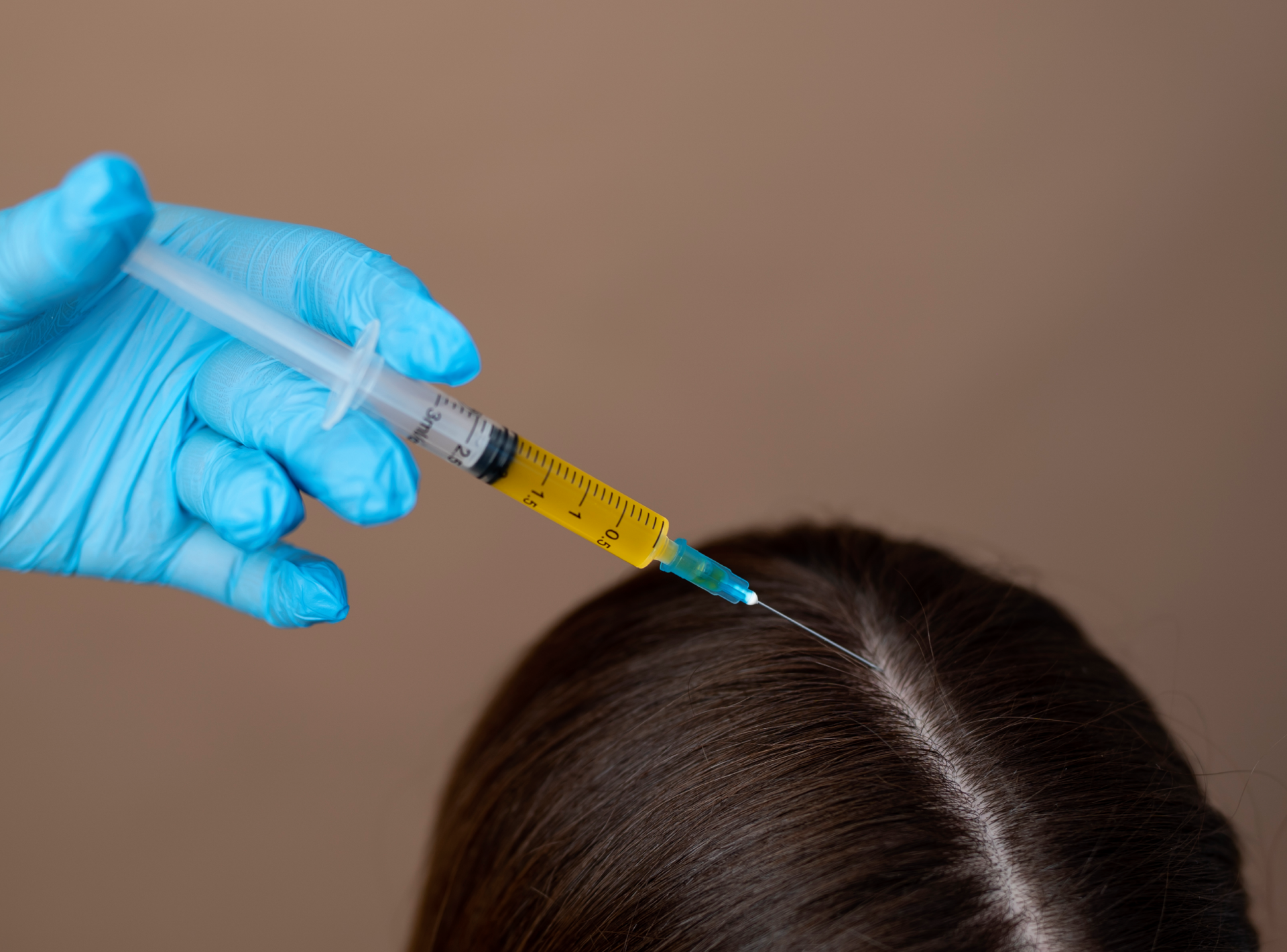
Mesotherapy is the injection of finasteride, minoxidil, vitamins or plant extracts to promote hair growth. It supplies vital micronutrients to the hair, promotes blood circulation and balances hormonal levels in the scalp surrounding the hair follicle.
How To Prevent Hair Loss?
Prevention is better than cure always. Take some self-care measures to prevent hair loss in the future. Hair loss is a health issue that is the result of unhealthy lifestyle choices. The sooner you get to grips with it, the better for your life. Make easy lifestyle adjustments to prevent hair loss.
A lifestyle with nutritious diet rich in vitamins & minerals, frequent exercise and yoga for destressing is the finest hair loss treatment.
Avoid hot showers, and don’t use hair care products with dangerous ingredients. Needs to be washed regularly. But use gentle shampoos and warm water. Sulphates, parabens and propylene glycol cause your scalp to be excessively dried and irritated. Regular use of these chemicals on hair and scalp may cause hair loss.
Adopt mild hair styling. Never pull hair. Tight ponytails and braids can damage roots and cause more hair loss.
No hair processing. Frequent use of hair colors or dyes, perms or straightening might create potential damage to the scalp and hair.
Sleep on a silk pillow slip. This will make the hair glide effortlessly. Cotton pillow covers can absorb natural oil from your hair which makes them too dry. It can also make your hair rub against itself as you turn your head on the pillow.
Just use such simple hair loss solutions on a regular basis and do not face the problem!
Home Remedies For Hair Loss
In the initial phases, if you see that hair fall is increased, you might try various home remedies for hair loss. Using your fingertips, massage the scalp in a gentle manner to dilate the blood vessels under the skin. It improves blood circulation and helps in hair follicles regrowth and increase in hair density. It also helps to decrease stress and relax your thoughts. To enhance the soothing effect, massage with warm medicinal oils might be done.
Good oils for massage include coconut oil or sesame oil as they also give nourishment and conditioning properties. Nevertheless, natural hair loss cures give hair preventive properties and help maintain a healthy scalp.
Alkaline shampoos can lead to irritation and dandruff. Lemon or orange juice and buttermilk can restore the pH of the scalp. These hair loss cures are best used as a rinse after washing your hair.
Aloe vera is an old ayurvedic medicine. It is often used as a gel and it functions as a natural moisturizer and keeps the scalp and hair from drying out. It also possesses antibacterial, fungicidal and antioxidant effects. Hence it is a common conditioner of hair after shampooing.
Onion juice is useful for bald areas. Onion juice has been scientifically shown to help develop hair. It also possesses anti-oxidant and anti-inflammatory properties. But it smells really strong. So you can mix it with aloe vera gel and lemon juice and put it on scalp.
Flaxseed oil is a rich source of omega 3 fatty acids, including alpha linoleic acid, antioxidant vitamin E and B group vitamins. All these elements are anti-inflammatory and nutritious. Flaxseed oil is known to soothe the scalp and help the hair grow thicker and healthier. Add a few drops of flax seed oil to any scalp massage oil. Eating the crushed flaxseeds can also provide benefits.
Amla is proven to strengthen hair. It contains DHT blockers such as ellagic acid, chebulagic acid, pyrogallol and flavonoids such as quercetin. It’s also loaded with antioxidant vitamin C. Fresh amla juice can be put on the scalp or can be extracted in any massage oil.
Liquorice is high in flavonoids including liquiritin, glabrine and glabranine. These flavonoids directly prevent DHT and encourage hair growth. It is antioxidant and anti-inflammatory, and it protects the skin and hair from damage caused by UV radiation. Liquorice can be used as a mask for the hair or can be extracted in oil to massage the scalp.
Shankhpushpi has aromatic essential oils and fatty acids including myristic acid, palmitic acid and linoleic acid which suppress DHT. Shankhpushpi includes β-sitosterol and kaempferol that stimulate hair follicles and prevent DHT. It is an energizing plant that promotes hair development and prevents hair loss.
Essential oils – Some volatile aromatic oils like lavender, rosemary, lemongrass and peppermint combined to the carrier massage oil like pomegranate seed oil, jojoba oil or grapeseed oil enhances the condition of the hair.
If you notice any symptoms of hair fall after attempting homemade solutions then you should consult a professional, qualified dermatologist.
BOOK AN APPOINTMENT TODAY
Alternative Solutions For Hair Loss
Some other cosmetic procedures available to fix the hair loss are:
Permanent Solutions
Scalp micropigmentation and microblading are very delicate and natural looking cosmetic procedures. Both methods implant pigment into the skin. The only variation is the instrument used in the procedure. Microblading uses a manual blade as opposed to micro pigmentation which uses a more powerful electric tattoo machine. It’s very much like eyebrow microblading. It is an artful and yet accomplished process. The cosmetic surgeon or dermatologist scatches the skin to insert the tattoo ink into the dermis. Creates natural appearing strokes and camouflages weakening areas on the scalp. The tattoo ink strokes in the form of small dotted lines seem like the real hair and provide the illusion of full healthy hair.
Temporary Solutions
The easiest answer for hair loss is to disguise it.
Try a new hairstyle to hide the thinning patches.
Tint sprays that tint your hair roots. The colour has to be exactly like your natural hair colour.
You can also choose a hair wig or toupee. These days there are natural appearing wigs or toupees of high quality accessible. That hair can be dyed to suit your natural hair colour and texture. If you’re thinning at the top of your head, try a crown weave. Have your wig made by a professional hairdresser/hairstylist.
What Role Does Dandruff Play In Hair Loss?
Everybody has dandruff. Dandruff is the exfoliation or shedding of the scalp. Hair develops properly if it is not washed for 7-14 days. Dandruff doesn’t make you lose hair overnight. Excessive dandruff and hair loss are caused by a Malassezia fungus infection. This infection produces oxidative damage and inflammation of the scalp that is commonly seen as redness, itching and extreme flaking. Dandruff hair loss is caused by an undesirable condition, called seborrheic dermatitis, characterized by chronic and frequent emergence of red patches. So never ignore dandruff hair loss. One should always contact a dermatologist to control the hair loss due to dandruff. The doctor will often prescribe an antifungal ketoconazole scalp lotion or anti-dandruff shampoo.
Symptoms Of Extreme Hair Loss (Alopecia)
Too much hair loss goes from thinning to balding stage. The degree of hair loss is assessed by the Hamilton-Norwood scale for men and the Ludwig system for women. These systems analyze the pattern and severity of hair loss. Norwood categorized male pattern baldness into various stages.
- Stage One – No recession of the hairline and this is the very beginning of hair loss.
- Stage Two – Receding starts at the hairline, particularly around the temples.
- Stage Three – Symmetrical recession of hair line in an M, U or V shape baldness. Stage three vertex hair loss is present in the crown area.
- Stage Four – The vertex area is completely bald with two bald spots either side of a band of sensitive hair.
- Stage Five – Severe loss in the vertex and temple area. Now the strip of hair in between two areas of bald is becoming thinner.
- Stage Six – This stage is the same as stage five. But the hair loss has increased to a greater degree.
- Stage Seven – Horseshoe shaped hair on back and sides of head present. The hair is thin.
Female pattern hair loss is classified by Ludwig in three grades.
- Grade I- Hair thinning noted at crown area. This is seen about 2-4 cm behind the frontal line.
- Grade II- Noticeable thinning of hair is seen on the head area and scalp.
- Grade III- Complete baldness of crown area.
Clinically the dermatologists use different terminologies to classify the severity of hair loss:
- Alopecia areata – Hair loss occurs in areas and is often noted.
- Alopecia totalis – Total loss of hair from the entire scalp.
- Alopecia universalis– This disorder causes complete hair loss including eyebrows and body.
Recently, alopecia areata has been found on youngsters too. It is more common in girls than boys. Boys have more severe alopecia areata.
How To Treat Hair Loss In Men?
The hormone DHT is an androgen that causes male pattern baldness by shrinking the hair follicles. So DHT blockers come to the rescue. Hair loss is usually inherited and runs in families. But apart from this, other causes include imbalance of thyroid hormone, ringworm infection of scalp, excessive dandruff and stress also contribute to hair loss. Hair loss treatment for males is a bit different than for women.
The most prevalent over-the-counter product for male hair loss is minoxidil. It should be applied to a dry scalp every day for several months. Stopping minoxidil medication can cause hair loss to return. Dermatologists also prescribe finasteride pills for oral usage.
Lifestyle modification is required to prevent the adverse consequences of smoking and alcohol use. A balanced diet, vitamin and mineral supplements and moderate exercise can assist.
How To Treat Hair Loss In Women?
Female pattern hair loss is frequently characterized by a smaller ponytail or a wider part line. Hair loss in women commonly occurs after child birth, or during menopause. This is because of hormonal imbalance. Hormone supplements can help treat hair loss that results from problems with the thyroid gland. If hair loss is related to nutritional inadequacy, no therapy by a doctor is needed. Supplements of vitamins and minerals would do good.
Minoxidil solution or foam. OTC medication. Applied on dry scalp daily for several months. Finasteride is not recommended in women due to its negative effects on the female reproductive system. Hormone replacement treatment may be administered for post-menopausal women with androgenic alopecia albeit not very prevalent. Topical vitamin A derivative, tretinoin, may be used in conjunction with minoxidil. Depending on a woman’s hormonal status, dermatologists can prescribe the anti-androgen spironolactone. Ketoconazole shampoo can help with too much dandruff.
If none of these therapies show any response, doctors may suggest PRP, minimally invasive microneedling and hair transplant.
Average Recovery Time Hair Loss
The average recovery time after hair loss treatments depends on the procedure performed, but most non-surgical treatments involve minimal downtime. Patients may experience mild scalp sensitivity, slight redness, or temporary tenderness during the first few days. For procedures such as PRP or mesotherapy, recovery is usually very quick, allowing patients to resume daily activities almost immediately. Hair transplant procedures may require a longer healing period, with visible recovery occurring over several weeks. Hair growth improvements happen gradually, as the scalp and follicles require time to regenerate. Initial shedding may occur before healthier hair begins to grow. Full results generally become noticeable over several months, depending on the treatment plan and individual response. Consistent aftercare and follow-up sessions help support faster and more effective recovery.
Your First 24 Hours Of Hair Loss Recovery
The first twenty-four hours after hair loss treatment are important for protecting the scalp and supporting healing. Patients may experience mild tenderness, slight swelling, or redness in the treated areas, which are temporary and expected. It is essential to avoid touching, scratching, or applying pressure to the scalp during this early stage. Patients are advised to keep the scalp clean and avoid excessive sweating, heat exposure, or harsh hair products immediately after treatment. Proper hydration and rest can also help support recovery. Following aftercare instructions carefully during the first day ensures that the scalp heals comfortably and responds effectively to treatment.
Stages Of Healing After Hair Loss Treatment
Healing after hair loss treatments occurs gradually in stages. During the first week, mild sensitivity or redness usually subsides, and the scalp begins to recover. In treatments such as hair transplants, tiny scabs may form and naturally fall away as healing progresses. Temporary shedding of weaker hairs can also occur during the early phase, which is a normal part of the regeneration process. Over the following weeks and months, healthier hair follicles begin to strengthen and produce new growth. Hair density gradually improves, and the scalp becomes healthier over time. Final results vary depending on the treatment type but typically continue improving for several months with proper care and maintenance.
Swelling, Bruising, And Scarring After Hair Loss Treatment
Swelling and bruising after hair loss treatments are generally mild and temporary. Non-surgical treatments may cause slight redness or sensitivity that resolves quickly, while hair transplant procedures may involve more noticeable swelling in the forehead or scalp area during the first few days. Bruising is less common and usually fades naturally within a short time. Scarring is minimal when advanced techniques are used properly. In many modern procedures, scars are either extremely small or hidden within the hairline. Proper aftercare, scalp hygiene, and avoiding unnecessary irritation help reduce the risk of complications and support smooth healing.
Downtime For Desk Jobs After Hair Loss Treatment
Downtime for desk jobs after hair loss treatments is usually minimal, especially for non-invasive procedures. Most patients can return to work within a day or two, depending on their comfort level. For more advanced treatments such as hair transplants, patients may prefer taking several days off until redness and swelling improve. Since desk jobs are not physically demanding, returning to work is generally manageable. However, patients should avoid excessive stress, sweating, or pressure on the scalp during the early recovery phase. Proper care while working helps protect the treated areas and supports better healing results.
Hair Loss Treatment Recovery Tips For Better And Faster Results
For better and faster recovery after hair loss treatments, maintaining a healthy scalp care routine is essential. Patients should follow all aftercare instructions, keep the scalp clean, and avoid harsh chemicals or styling products during the early healing stage. Staying hydrated and eating a balanced diet rich in vitamins and nutrients can also support stronger hair growth. Avoiding smoking, excessive heat exposure, and unnecessary scalp friction helps protect healing follicles. Gentle scalp care, patience, and consistency with treatment sessions contribute to healthier and more noticeable hair restoration results over time.
Hair Loss Treatment Recovery Dos And Don’ts
There are important dos and don’ts to follow after hair loss treatments to ensure safe healing and optimal results. Do follow medical instructions carefully, attend follow-up appointments, and maintain proper scalp hygiene. Do protect the scalp from direct sunlight and avoid excessive sweating during the initial recovery phase. Don’t scratch, rub, or apply pressure to the treated areas. Avoid harsh shampoos, chemical treatments, and heavy styling products until the scalp heals properly. Do not expect immediate results, as hair restoration is a gradual process that improves over time. Following these guidelines helps ensure healthier hair growth and long-lasting improvements.
Hair loss FAQs: Your Questions Answered
Can Hair Fall Lead To Baldness?
Baldness happens only when the falling hair does not grow back new hair. We lose 55-105 strands daily. It is treated like natural hair fall. In many cases, the hair regrows and the normal density of hair is restored. In that scenario hair loss ends in baldness, When we lose excessive hair in the form of clumps or bunch every time we wash our hair and comb.
What Causes Hair Loss And Bald Spots?
Thinning of hair is caused by more hair-fall than normal. It results in hair loss at one site or a few sites eventually. This condition is known as Alopecia areata. Hair loss may be inherited or might be due to hair styling and treatments, skin diseases, hormonal changes, vitamin insufficiency, medication or radiation therapy. These elements interfere with the growth cycle of hair, and impede the renewal of hair from hair follicles.
What Is The Best Vitamin For Hair Loss?
Lack of vitamins might cause hair loss. When a diet is lacking in vitamins, hair loss can occur and this is termed telogen effluvium. It is a transient hair loss that can be naturally healed by taking vitamin supplements like Biotin (Vitamin B7), Niacin (Vitamin B3), Ascorbic acid (Vitamin C) and minerals like zinc.
What Causes Hair Loss In Females?
A common reason for hair loss in women is fluctuating hormone levels. It is especially felt during the menopause. As the levels of female hormones such as estrogen and progesterone decrease, the effects of the masculine androgenic hormones become more evident, leading to hair loss. Other reasons for hair loss in females are thyroid gland problems, stress, poor nutrition, vitamin deficiency and hereditary.
Does Hair Loss Treatment Actually Work?
Yup. FDA approved hair loss treatments are very effective. However, such treatment should be taken under the supervision of a medical doctor. The dermatologists will diagnose the exact cause of hair fall and will suggest you the best hair loss treatment accordingly. Self-medication must be strictly avoided.
MEET THE EXPERT DOCTOR
Best Aesthetic Clinic In Dubai For Hair Loss Treatment
Best Aesthetic Clinic in Dubai for Hair Loss Treatment is Perfect Doctors Clinic, offering advanced and personalized hair restoration solutions designed to improve scalp health and promote natural hair growth. The clinic provides modern treatments such as PRP therapy, mesotherapy, laser scalp rejuvenation, and advanced hair restoration procedures tailored to individual hair concerns and scalp conditions. At Perfect Doctors Clinic, expert specialists focus on restoring healthier, fuller, and stronger-looking hair while ensuring patient comfort and safety throughout the process. The clinic uses advanced technologies and customized treatment plans to target the root causes of hair thinning and hair loss, helping patients achieve natural-looking and long-lasting improvements. With professional care, detailed scalp assessments, and ongoing follow-up support, patients can confidently begin their journey toward healthier and revitalized hair.
Take Action Now
If you are experiencing hair loss, you are not alone. Hair loss affects millions of people around the world. You just have to be alert and quick to act. Once you see the early signs of hair loss it is always best to prevent it. Prevention is always the best action to take. If you notice your hair loss rate is getting severe day-by-day than usual, it’s a warning to consult a hair specialist clinic. It could be anything from a stressful life to a family history to a nutritional deficiency. The cause for hair loss may also be underlying medical conditions. The earlier you see a doctor, the more likely you are to save your healthy hair and prevent further loss.
If you are reading this, then it indicates you are suffering from hair loss and you are worried about it. See the skilled dermatologist and renowned specialists at Perfect Doctors Clinic.
Book your appointment now with a Perfect Doctors Clinic specialist!
Conclusion
This blog is a complete guide to hair loss recovery and healthy hair. It emphasizes the significance of knowing the reasons behind hair loss, having a balanced diet, and a good hair care routine.
It also demonstrates how effective professional treatments such as PRP, hair transplants and medications like minoxidil and finasteride are. The secret to success is patience, consistency and consulting a specialist for tailored care. If you want to know more about it, you can visit the Perfect Doctors Clinic near you.