





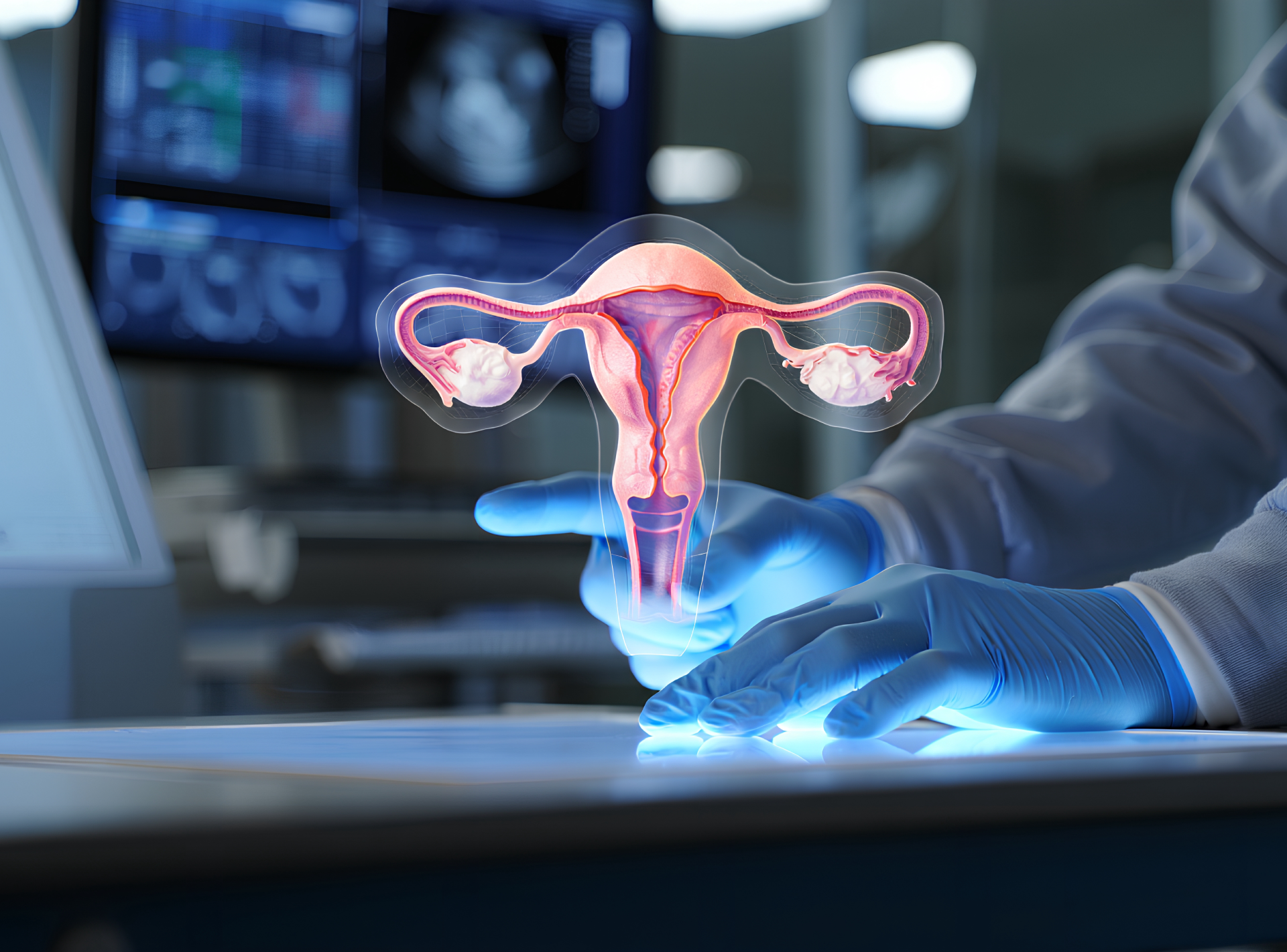
There is a thin tube that looks like a telescope on a tray next to a bag of clear liquid and a light cable. The tube goes through the cervix and into the uterus in the procedure room. This lets the doctor see the lining of the uterus directly on a screen. The idea of a “direct view” is what really made hysteroscopy possible. The first hysteroscopy, which was done in 1870, showed that looking inside the uterus could replace guesswork and scraping without knowing what was going on. The modern version of hysteroscopy is the same idea, but better: see first, then act only when necessary. In 2026 Dubai, most aftercare comes as a PDF file on your phone, along with a stream of WhatsApp messages about what “must” happen after the procedure. When you think of hysteroscopy recovery as a short, predictable sequence—what your uterus went through, what mild effects are expected, what isn’t expected, and what needs a call-back—it is easier to handle.
Hysteroscopy In Dubai
Hysteroscopy in Dubai is a safe and effective way to diagnose and treat uterine issues. Recovery is usually quick, with minor cramping or spotting. Following post-procedure care, such as resting and avoiding tampons or sexual activity, ensures a smooth healing process.
What Hysteroscopy Is And Why Recovery Is Usually Short
Hysteroscopy is a way to look inside the uterus with a camera. The uterus is a muscle that holds a pregnancy. The endometrium, which is the inner layer of the uterus, gets thicker and falls off during periods. The cervix is the space between the vagina and the uterus. To see the lining, fluid is gently put into the uterus to make room. That fluid is not “medicine.” It helps you see. Because the doctor can see, they can often do things like:
- Taking a small biopsy (a tiny piece of tissue),
- Taking out a polyp (a small growth), or
- Trimming a small fibroid bulge inside the cavity.
The direct-view milestone is important for recovery because it helps prevent injuries that aren’t needed. When the work is focused, the lining and cervix usually heal quickly.
What Hysteroscopy Is Not
It is not the same as having major surgery on your stomach. There aren’t any big cuts. Not automatically a “full cleaning” of the uterus. It is also not a procedure that works the same way for everyone. Two women can both say, “I had a hysteroscopy,” but their recovery can be different because the work inside can be different:
- Diagnostic hysteroscopy is mostly for looking at things, but it can also be used for biopsies.
- Operative hysteroscopy: treatment or removal that takes place inside the uterus.
Not knowing this difference is what causes most of the confusion about hysteroscopy aftercare.
Recovery After Hysteroscopy Depends On What Was Done Inside
Because hysteroscopy is based on direct viewing, the amount of intervention done under vision is the best way to guess how long it will take to heal.
Diagnostic Hysteroscopy
- Usually includes:
- Brief fluid distension,
- Minor cervical handling,
- Occasionally a small biopsy.
- Expected effect: light spotting and mild cramps for a short time.
Operative Hysteroscopy
- Could include:
- Removing polyps
- Cutting away scar tissue
- Treating a fibroid inside the cavity.
- Expected effect: cramps may last longer, and bleeding may be heavier than after a procedure that is only for diagnosis.
One useful way to cut down on WhatsApp noise is to read one line of your discharge summary and save it: “Procedure performed.” That one line tells you what kind of recovery pattern to expect.
Recovery Time Hysteroscopy: A Simple Timeline You Can Use
First 7–14 Hours
What is common:
- Pain in the lower abdomen that feels like cramps,
- If you had anesthesia or sedation
- You might feel groggy and see light spotting.
What helps:
- Rest, drink plenty of water, and eat simple meals.
- Keep the discharge instructions on your phone so you don’t have to remember them.
What to avoid:
- Making decisions on the same day based on how you feel in the first hour. Anesthesia and anxiety both change how we see things.
Day One To Day Two
What is common:
- Intermittent cramps, spotting
- Light bleeding
- Watery discharge (often from the fluid used during the procedure).
What you can usually do:
- Normal walking and doing basic chores around the house
- Desk work if you feel steady.
What often needs adjustment in Dubai’s routine:
- Traveling. Long rides and late meals can make cramps worse. If you can, keep your first commute short and easy to plan.
Day Three To Day Seven
What is common:
- Spotting that gets less over time
- Sometimes mild cramping, especially after surgery.
What you should watch:
- If the bleeding is getting less each week
- The pain is getting less instead of more.
If your discharge summary says that you had a bigger removal or more than one step, this “taper” may take longer. The direction is still more important than the exact number of days.
Hysteroscopy Aftercare That Actually Changes Outcomes
Vaginal Care And Hygiene
- If you are bleeding, use pads.
- Don’t use internal products like tampons or menstrual cups until your doctor says it’s okay. After the instruments are used, the cervix may stay slightly open for a short time.
Sexual Activity
- Don’t have sex until the bleeding and discharge have stopped and you’ve followed the schedule in your discharge note.
- If you start again and feel pain or see new bleeding, stop and ask for help instead of pushing through.
Bathing And Swimming
- Taking a shower is usually fine.
- For the time your doctor suggests, stay away from hot tubs, swimming pools, and baths, especially if you had surgery.
Work, Travel, And Routine
- People often think that going back to work takes longer than it does. Cramps and tiredness are often what keeps you from doing things, not “internal damage.”
- If you have to travel for work, make sure you can easily get to bathrooms, pads, and a place to rest. This is not fragility; this is practical risk control.
How To Use Your Phone Well, Not Badly
- Save the PDF of the discharge summary and mark the parts that say “procedure performed” and “follow-up.”
- In one line, write down the level of bleeding each day (none, spotting, light, moderate, or heavy).
- Don’t let someone else make decisions for you based on advice that doesn’t know what happened inside your uterus.
Post Hysteroscopy Precautions That Reduce Unnecessary Problems
- If you get cramps or bleed more after working out, don’t start doing heavy exercise right away. Start over slowly.
- Don’t ignore constipation. Straining can make pelvic pain worse. Keep your fluids and fiber steady.
- Don’t try to treat vaginal discharge on your own with random over-the-counter products. You should expect some discharge after a procedure, but you shouldn’t guess if you have an infection.
What Commonly Backfires During Recovery After Hysteroscopy
- Too much rest without moving for days can make bloating, constipation, and tiredness worse. Most of the time, walking slowly is better.
- Ignoring signs of “normal” too quickly: heavy lifting or hard workouts can cause more bleeding in the first few days.
- Not treating every symptom as unusual: mild cramps and light bleeding are normal in many cases.
- Ignoring real warning signs because someone else had the same symptom: recovery stories don’t always work for everyone because the steps inside are different.
Recovery After Hysteroscopy: When To See A Doctor
- Heavy bleeding means soaking pads quickly, passing big clots over and over, or bleeding that doesn’t stop.
- Fever or chills, especially if the pelvic pain gets worse.
- Persistent and new discharge that smells bad, not just watery fluid.
- Pain that gets worse and worse or doesn’t go away with simple measures.
- Feeling dizzy, fainting, or having trouble breathing, especially if you are bleeding.
- Throwing up a lot or not being able to keep fluids down.
Also contact your clinician if:
- If spotting lasts longer than the time you were given, or
- If your next period is very heavy or late after surgery, you should see a doctor.
There’s no need to panic about these things. They are reasons to speed up the process and get a clear picture. Perfect Doctors Clinic can help you plan structured follow-up and aftercare.
BOOK AN APPOINTMENT TODAY
Stages Of Healing After Hysteroscopy
Healing from a hysteroscopy happens in stages, beginning with mild cramping and light spotting in the first few days. Bleeding and discomfort gradually decrease, with most patients feeling completely recovered within a week of following post-procedure care guidelines.
Swelling, Bruising, And Scarring After Hysteroscopy
Hysteroscopy is minimally invasive, so swelling, bruising, and scarring are uncommon. Mild cramping or spotting is more common, particularly after tissue removal, and usually resolves within a few days with no long-term consequences.
Downtime For Desk Jobs After Hysteroscopy
There is little downtime after a hysteroscopy, so you can return to work within one day. Mild cramping or spotting may occur, but it rarely interferes with work, allowing most patients to resume normal office tasks quickly and comfortably.
Hysteroscopy Recovery Tips For Better And Faster Results
Rest, stay hydrated, and follow your doctor’s instructions during the first day after hysteroscopy to speed up recovery. Tampons, sexual activity, and strenuous exercise should be avoided for at least a week, instead opting for sanitary pads and gentle self-care to promote safe healing.
Hysteroscopy Recovery Dos And Donts
After a hysteroscopy, rest, stay hydrated, use sanitary pads, and follow your doctor’s orders. To ensure safe healing and a smooth recovery, avoid using tampons, having sexual intercourse, or engaging in strenuous exercise for at least a week.
MEET THE EXPERT DOCTOR
FAQs
What Is The Usual Recovery Time Hysteroscopy For A Working Woman?
A lot of women go back to their normal walking and desk work within one to three days, and sometimes even sooner, after a hysteroscopy that was just for diagnosis. After surgery, it may take a few more days for cramps and spotting to go away. The “tapering trend” is more important than the exact day.
Is Bleeding Normal During Recovery After Hysteroscopy?
It’s normal to have light spotting. After surgery, like removing a polyp, it’s also common to bleed a little. Over time, the bleeding should get better. If you are bleeding heavily, have big clots, or your bleeding gets worse, you should see a doctor.
What Are The Most Important Post Hysteroscopy Precautions?
Don’t use any internal vaginal products until your doctor tells you to. Stop having sex until the bleeding or discharge stops and your doctor’s timeline is met. Then slowly start exercising again. Keep the discharge summary and follow the plan that was given.
Best Plastic Surgeon In Dubai For Hysteroscopy
Best Plastic Surgeon in Dubai for hysteroscopy is available at the Perfect Doctors Clinic, where Dr. Perfect Celebrity provides safe and precise care. Patients experience only minor discomfort, such as cramping or spotting, and are guided by experts to ensure a smooth and quick recovery.