





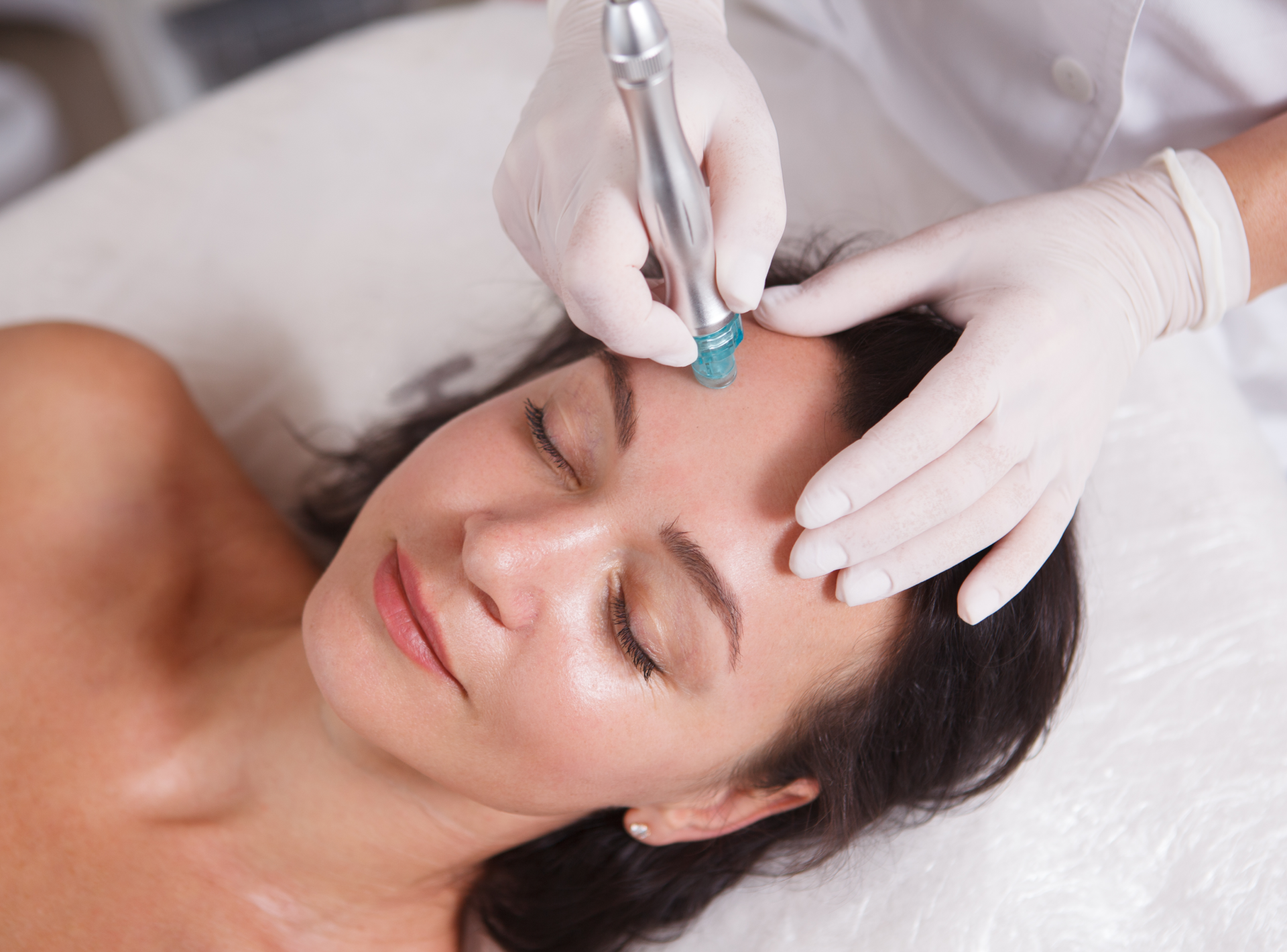
One of the most common non-invasive cosmetic procedures for enhancing skin tone, texture, and general appearance is microneedling. It is very effective for a wide range of issues, from fine lines to acne scars, because it can promote the skin’s natural healing process and stimulate the production of collagen.
Like any cosmetic procedure, this treatment has some risks, though it is generally regarded as safe and well tolerated. Before beginning treatment, clients can make educated decisions and set reasonable expectations by being aware of potential side effects and complications.
Redness and irritation in the treated area are among the most frequent side effects of microneedling. The skin naturally reacts with some degree of inflammation because the procedure involves making tiny micro-injuries with fine needles. Warmth or sensitivity may accompany this redness, which typically resembles a mild sunburn. This reaction usually goes away in 1 to 2 days, though occasionally it may linger a bit longer. This side effect can be reduced with proper aftercare, which includes staying hydrated and avoiding harsh skincare products.
Another common and transient side effect of microneedling is swelling. Slight puffiness may develop as the body rushes blood and healing agents to the micro-injuries, particularly in sensitive areas like under the eyes. The swelling is thought to be a normal part of the healing process and usually goes away in a few days.
Additionally, some patients experience pinpoint bleeding during or right after the procedure. This happens as a result of the needles piercing the skin and possibly getting to tiny capillaries. There is very little bleeding, and it usually ends quickly. It is usually not a reason for concern because the provider manages it during treatment.
Another potential adverse effect is peeling or flaking. The outer layer may peel off in the days following microneedling, exposing healthier, younger skin underneath as the skin starts to regenerate. Although this peeling is typically mild, people with drier skin may notice it more. Preventing irritation or infection requires using a mild moisturizer and resisting the urge to pick at peeling skin.
One common risk following microneedling is increased sensitivity to the sun. The skin is more susceptible to UV damage because its barrier is momentarily weakened. Clients may experience uneven skin tone or hyperpigmentation if they are not properly protected. For this reason, it is highly advised to wear sunscreen after every session and to limit direct sun exposure until the skin has completely healed.
In certain people, especially those with medium to darker skin tones, hyperpigmentation, or darkening of the skin, can happen. This condition frequently happens as a result of inflammation causing an overabundance of melanin. Post-inflammatory hyperpigmentation is typically transient, but if left untreated, it can linger for weeks or even months. One of the best ways to lower this risk is to select a skilled provider who knows how to modify the treatment for various skin types.
Conversely, if the skin’s deeper layers are impacted, hypopigmentation, or loss of pigment, can infrequently occur. Although rare, this occurrence is feasible, particularly with extremely aggressive treatments.
Another possible risk is infection, which rarely occurs when people practice good hygiene and follow post-treatment measures. There is a brief window of opportunity for bacteria to enter the skin because microneedling creates microchannels. When the procedure is carried out using sterile equipment in a hygienic, professional setting, this risk is reduced. In order to lower the risk of infection, clients are also recommended to refrain from using makeup or touching their faces with unwashed hands for at least 1 day following treatment.
Although rare, scarring poses a significant risk. Most people find that microneedling improves scars, but in rare instances, new scars may appear if the procedure is done incorrectly or if the skin is picked at while it heals. Before having microneedling, patients with a history of keloids or hypertrophic scarring should exercise caution and talk to their doctor about their medical history.
Temporary breakouts are another potential adverse effect. Although microneedling is frequently used to treat acne scars, it can occasionally cause an active acne flare-up, particularly if bacteria enter the micro-injuries or if the skin is prone to congestion. You can decrease this risk by using mild, non-comedogenic skincare products while recovering.
Allergic reactions are possible, but are typically linked to topical serums or creams used during or after the procedure, not the needles themselves. Products penetrate deeper because microneedling makes channels in the skin, which raises the possibility of a reaction. Providers usually select premium, skin-safe products to reduce the risk, and if there are issues, a patch test might be carried out.
Most people experience very little pain or discomfort, especially if a topical numbing cream is used prior to the procedure. On the other hand, people with sensitive skin or a lower pain threshold might feel more uncomfortable during and after treatment.
Delayed side effects must also be taken into account. Some patients may find that their skin is more sensitive than anticipated, particularly if they start using strong skincare products, retinoids, or exfoliants too soon after treatment. This prolonged irritation typically goes away once the skin barrier has healed completely, but it highlights how crucial it is to adhere to aftercare guidelines.
The risks of microneedling are increased by certain medical conditions. Individuals with eczema, psoriasis, bleeding disorders, active infections, or uncontrolled diabetes may not be suitable candidates. Complications like prolonged bleeding, infection, or delayed healing are more likely to occur in these people. As a precaution, women who are nursing or pregnant are typically advised to delay treatment until later.
The depth of the microneedling procedure also influences side effects. Redness and peeling are common side effects of superficial treatments that target the skin’s outer layers. Longer recovery periods, more severe swelling, and pinpoint bleeding are possible side effects of deeper treatments that penetrate the dermis. A crucial choice that is made in consultation with your provider is determining the appropriate depth for your objectives.
Since many side effects are a normal part of the healing process, they are not always a bad thing. Signs that the skin is reacting to treatment and starting the regeneration cycle include redness, peeling, and mild swelling. When side effects are more severe, persist longer than anticipated, or are brought on by incorrect technique or inadequate aftercare, issues can arise.
It all boils down to a few essential procedures for risk management. First and foremost, selecting a skilled and knowledgeable provider is crucial. Expert clinics know how to customize the treatment to your skin type and concerns while adhering to stringent sterilization protocols. Second, a key factor in avoiding complications is adhering to aftercare recommendations.
This typically entails maintaining clean skin, avoiding makeup for a minimum of 1 day, avoiding the sun, using sunscreen, and using mild moisturizers. Lastly, being truthful with your healthcare provider about your lifestyle choices, allergies, and medical history helps guarantee the safest possible course of treatment.
Microneedling In Dubai
Microneedling in Dubai is a favored skin rejuvenation treatment that is intended to enhance the overall texture, tone, and appearance of the skin. The procedure induces the production of natural collagen and the renewal of healthier skin by inducing minute, controlled micro-injuries in the skin. It is frequently employed to diminish the appearance of acne scars, enlarged pores, fine lines, uneven texture, and dull skin. Although microneedling is generally regarded as safe, mild redness, temporary sensitivity, dryness, or slight swelling may occur following the procedure. Advanced techniques, hygiene standards, and personalized skincare plans are the primary focus of Dubai Perfect Doctors Clinic in order to reduce risks and improve outcomes. Microneedling can result in skin that is smoother, fresher, and more youthful-looking, with natural improvements that occur over time, when professional care and proper aftercare guidance are provided.
BOOK AN APPOINTMENT TODAY
Advantages Of Microneedling You Should Know
For those who desire smoother and healthier skin, microneedling provides numerous advantages. The treatment promotes the production of natural collagen, which enhances skin texture, reduces scars, softens fine lines, and reduces the size of enlarged pores. It also promotes a fresher appearance and enhances skin radiance without the necessity of invasive surgery. Microneedling is appropriate for a variety of skin types and can simultaneously address multiple concerns. Over time, patients frequently observe healthier, firmer, and more uniform skin as a result of appropriate treatment and post-treatment care.
Why Microneedling Is The Best Solution
Microneedling is regarded as an effective solution for addressing common skin concerns due to its ability to facilitate the body’s natural healing process. The treatment promotes skin renewal, which aids in the reduction of acne scars, uneven texture, pigmentation, and early signs of aging. In contrast to more invasive procedures, microneedling produces noticeable improvements with minimal downtime. It is appropriate for those who desire a gradual and long-lasting skin enhancement that appears natural. In addition, the procedure enhances the absorption of skincare products, thereby further improving the health and appearance of the skin.
How Microneedling Restores Confidence And Appearance
By enhancing the overall quality and appearance of the skin, microneedling aids in the restoration of confidence. Individuals frequently experience increased confidence and comfort in their appearance as a result of a brighter complexion, reduced scarring, and smoother texture. The treatment promotes the natural rejuvenation of the skin, resulting in a more youthful and healthy appearance without altering the facial features. Many patients experience a resurgence of confidence and increased self-esteem in social and professional environments as their skin becomes more even in tone and firmer. The subtle and natural-looking enhancements contribute to a youthful and refreshed appearance.
MEET THE EXPERT DOCTOR
Best Aesthetic Clinic In Dubai For Microneedling
Best Aesthetic Clinic in Dubai for microneedling is Perfect Doctors Clinic, where Dr. Perfect Celebrity is renowned for providing advanced skincare treatments with personalized attention and precision. The Perfect Doctors Clinic employs modern microneedling techniques to enhance skin quality by improving texture, radiance, and overall skin health. Each treatment plan is meticulously tailored to the patient’s aesthetic objectives, skin condition, and concerns. At Perfect Doctors Clinic, patients are given the opportunity to experience a professional and welcoming environment that prioritizes safety, hygiene, and comfort throughout the treatment process. Dr. Perfect Celebrity is acknowledged for her ability to achieve natural and balanced results by integrating a patient-focused approach with her expertise. Each stage is accomplished with meticulous attention to detail, from consultation to post-care. The clinic is a dependable destination for individuals in Dubai who are in search of a more youthful, healthier, and smoother complexion, thanks to its dedication to advanced aesthetic solutions and excellence.
In conclusion, like all cosmetic procedures, microneedling has potential risks and side effects, but it is generally considered a safe and effective treatment. Redness, swelling, peeling, and transient sensitivity are the most typical. Although uncommon, more severe risks like infection, scarring, or pigmentation changes could occur.
Skin type, medical history, and compliance with aftercare guidelines all influence individual reactions. Most people can benefit from microneedling with few complications if they work with a skilled professional and make a commitment to proper skin care following treatment.