





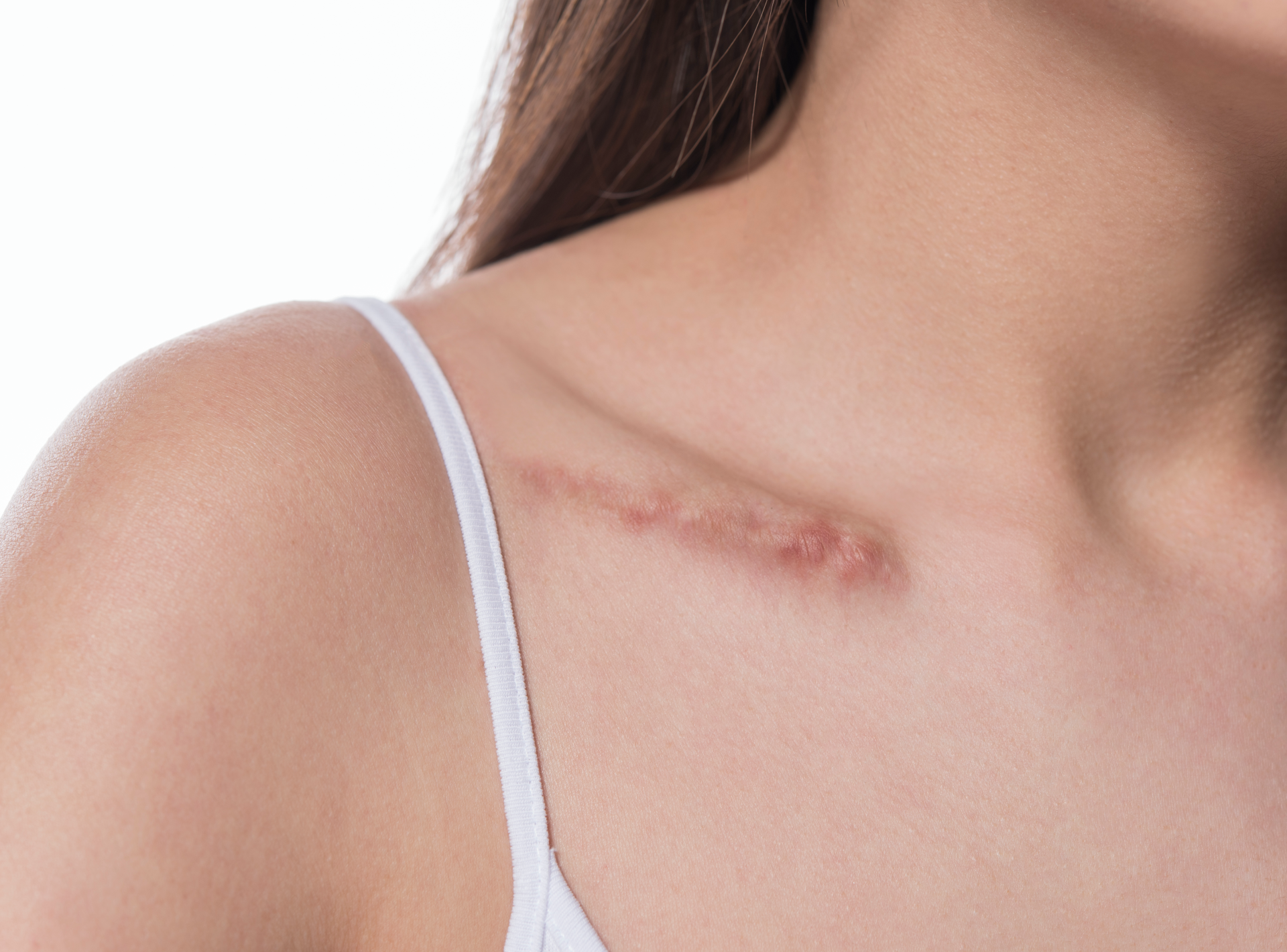
It’s simple to think that people can only see the scar that tarnishes your complexion. Scars can lower your sense of confidence and self-worth, whether they are from an injury that keeps you from wearing the clothes you love or angry acne scars that still make you feel miserable.
Thanks to cutting-edge new laser skin resurfacing procedures at Perfect Doctors Clinic’s aesthetic surgery practice, you don’t have to accept scars as an unavoidable flaw on your skin. Dr. Perfect Celebrity is a board-certified plastic surgeon who practices in Jumeirah, Dubai, and serves the greater Dubai metropolitan area. Cynosure, Inc.’s technology for laser skin resurfacing, which uses a 1541 nm non-ablative fractional laser to reduce the appearance of acne and surgical scars in a few sessions, is something Dr. Perfect Celebrity is pleased to offer his patients.
The way Dr. Perfect Celebrity’s laser resurfacing procedures operate is as follows:
The laser creates new tissue by penetrating the skin’s numerous layers with tiny light pulses. The body’s natural healing mechanisms are triggered when light enters the skin, promoting the production of new, healthy skin tissue. Rejuvenated collagen levels sweep away dead and aged skin with continued treatments. This procedure is carried out repeatedly over time until the amount of scarring is greatly reduced.
- You won’t need to recover for days or even hours because the treatments are quick and non-invasive. Patients should anticipate only mild tenderness from the heating sensations in the evening after treatment, as these procedures are not very uncomfortable.
- Out of all the non-surgical scar procedures, these treatments have some of the best outcomes. You can anticipate a noticeable improvement in the appearance and tactile feel of your scar as it fades with this laser skin resurfacing procedure. Many patients who have tried topical anti-scar treatments and seen little to no improvement are often relieved by this.
- The majority of patients require three to seven treatments to see the scar effectively removed, depending on its size and severity.
Scar Treatments In Dubai
Scar Treatments in Dubai include a variety of state-of-the-art procedures meant to reduce noticeable scarring and restore skin that is clearer and smoother. According to The Most Effective Treatments for Facial Scarring, choosing the appropriate modality for each case and making an accurate diagnosis are crucial to positive outcomes. One of the most common choices is laser therapy, which helps to resurface the skin, lighten pigmentation, and promote the production of new collagen. Radiofrequency microneedling and chemical
How Do You Get Scars?
Scarring is a normal aspect of the healing process following an injury. When your skin gets hurt, your body makes new tissue to cover the wound. This scar tissue, which is largely formed of collagen, gives the area that was hurt stability and structure.
Scar tissue is thicker and more fibrous than regular skin, which is why it sometimes looks and feels different. Your age, genes, sex, and race will all affect how your scar heals. Other things that will affect how your scar heals are how deep and big the incision is and where it is on your body.
Types of Scars
There are many different kinds of scars, such as:
Keloid scars. These scars are bigger than the wounds they come from. The body keeps generating collagen for months or even years after the accident, which makes the scar elevated. You can get these kinds of scars anywhere, although they are most frequent on the back, chest, belly, ear, jaw, or shoulders. People with dark skin or red hair are more likely to have keloid scars.
Contractures Scars. You might have a contracture scar if your skin has been scorched. These scars make the skin tighter, which could make it tougher to move the portion of your body that has them. Additionally, a deep scar may also impact the muscles and nerves below it.
Hypertrophic Scars. These scars, which are also termed raised scars, may get smaller over time, but they will never totally smooth out. They seem like keloids, but they don’t expand past the edge of the injury.
Flat scars. These are the kinds of scars that happen the most. These scars become flatter and less apparent as they heal, as the name suggests.
Depressed scars. Severe acne or chickenpox can leave behind little indentations in the skin that seem like tiny holes or punctures, resembling the markings produced by an ice pick. This is why they are commonly called ice pick scars. Scars that are depressed can also make your skin look uneven or wavy, and sometimes they can generate deeper craters with sharp edges.
There are a lot of different ways to get rid of scars. The ideal choice for you will depend on the scar’s nature, size, and how bad it is.
BOOK AN APPOINTMENT TODAY
Over-the-Counter (OTC) and Prescription Scar Treatments
There are a lot of lotions, ointments, gels, and bandages that can help scars from cuts, wounds, or other injuries diminish. Some products, like those with alpha hydroxy acid, hydrocortisone, or retinoic acid, may help lighten a scar. Others, such gels produced with silicone, may help shrink scars or perhaps stop them from forming in the first place. If your scar itches, your doctor may suggest taking an antihistamine by mouth. Steroid creams may also speed up the healing process.
It’s important to remember that these products can make scars less obvious, but they won’t make them go away completely. Talk to your doctor, surgeon, or dermatologist about which over-the-counter or prescription drugs would be best for you.
Injectable Scar Treatments
Some scars may look better or feel better after getting injections. These therapies could include:
Corticosteroid shots. People often get steroid shots to help with elevated scars, including keloids or hypertrophic scars. The steroids are injected right into the scar to break down collagen fibers, which makes the scar smaller, flatter, and softer. These shots can also assist with swelling and irritation since steroids decrease inflammation. Your doctor might use this by itself or with other treatments.
Bleomycin or fluorouracil. Most of the time, these treatments are used to treat specific kinds of cancer, but they can also help flatten scars and ease the itching and pain they cause.
Dermal fillers. Injecting collagen, fat, or hyaluronic acid can help fill in the holes created by severe acne. These fillers are put behind the scar to make the skin look smoother and more even by adding volume and lifting it. The results are just transitory, but they can persist for months or even years.
Light Therapy for Scar Removal
Laser therapy employs light and heat to make scars less visible. There are two kinds of lasers that can be used for treatment:
Ablative lasers. This kind of laser takes off the top layers of scarred skin and helps new, healthier skin develop in its place. This might help the scar look smoother and lighter. Ablative lasers come in two main types: carbon dioxide lasers, which employ brief, continuous pulses of light to remove layers of skin, and erbium lasers, which remove scarred skin without hurting the tissue around it as much.
Non-ablative lasers. Non-ablative lasers are less harsh since they heat the skin without hurting its surface. The heat makes your body manufacture more collagen, which can help minor scars shrink. Pulsed dye lasers are a frequent type of non-ablative laser. They use light to decrease blood vessels in scar tissue, which makes the scars less red and discolored over time.
If prior treatments haven’t helped your keloid scar, your doctor may offer superficial external beam radiation. This treatment uses focused beams of light to kill the cells that make too much collagen. They won’t hurt healthy skin tissue underneath because the light only gets to the top layer of skin.
Surgical Scar Treatments
Surgery may be the best option to heal scars that are bigger and deeper and make it hard for you to move or create other problems. There are different kinds of surgical procedures, such as:
Skin grafts. Your surgeon takes healthy skin from one part of your body and uses it to cover or replace damaged skin in a skin transplant. After a few days, the skin that was transplanted grows blood vessels and connects to the tissue around it. People who have undergone burns often need this procedure.
Skin flap surgery. Skin flap surgery is like a skin graft, except it employs a bigger portion of healthy skin that has blood arteries, fat, and sometimes muscle in it. People commonly get this surgery to fix scars on sections of the body that don’t get enough blood flow or where the damage has hurt the blood vessels that are already there.
Z-plasty or W-plasty. If your scar hurts or makes it hard for you to move, your doctor may change the shape of the scarred skin to look like a “Z” or “W.” This makes the skin more flexible as it heals.
Tissue expansion. A device that looks like a balloon is put beneath the skin near the scar during this operation. It is then progressively filled with saltwater. This makes the skin around it grow and stretch. Then, this new skin is employed to cover up the scar tissue. This is generally done at the same time as skin flap surgery.
Cryotherapy. Your doctor may use liquid nitrogen to freeze and take away scar tissue. This treatment is typically used for keloid scars and is usually done with steroid shots or surgery.
Dermabrasion. Dermabrasion is a procedure that uses a particular tool to gently sand the surface of the skin, even though it isn’t always thought of as surgery. It helps new, healthier skin grow by taking off the top layers. This can assist with scars from acne.
MEET THE EXPERT DOCTOR
Best Plastic Surgeon In Dubai For Scar Treatments
Best Plastic Surgeon In Dubai for scar treatments are available at Perfect Doctors Clinic, where Dr. Perfect Celebrity provides safe, advanced, and long-lasting skin improvement solutions. Scars resulting from acne, injury, surgery, or burns differ in depth and texture, so each requires a personalized treatment plan. Common approaches include laser resurfacing, microneedling, chemical peels, radiofrequency therapy, dermal fillers, and surgical correction for more prominent scars. Before recommending therapy, an experienced plastic surgeon carefully assesses the scar type, location, and skin quality. Modern methods focus on reducing discoloration and irregular texture while enhancing overall skin smoothness. By using innovative technology and minimally invasive techniques, leading specialists in Dubai promote quicker recovery and refined results. With expert care and tailored planning, patients can achieve healthier-looking skin and renewed confidence.
Make an appointment for a consultation with Dr. Perfect Celebrity at his plastic surgery practice if you’re prepared to use scar treatments to restore your complexion. Simply call or complete the form in the upper right corner.