





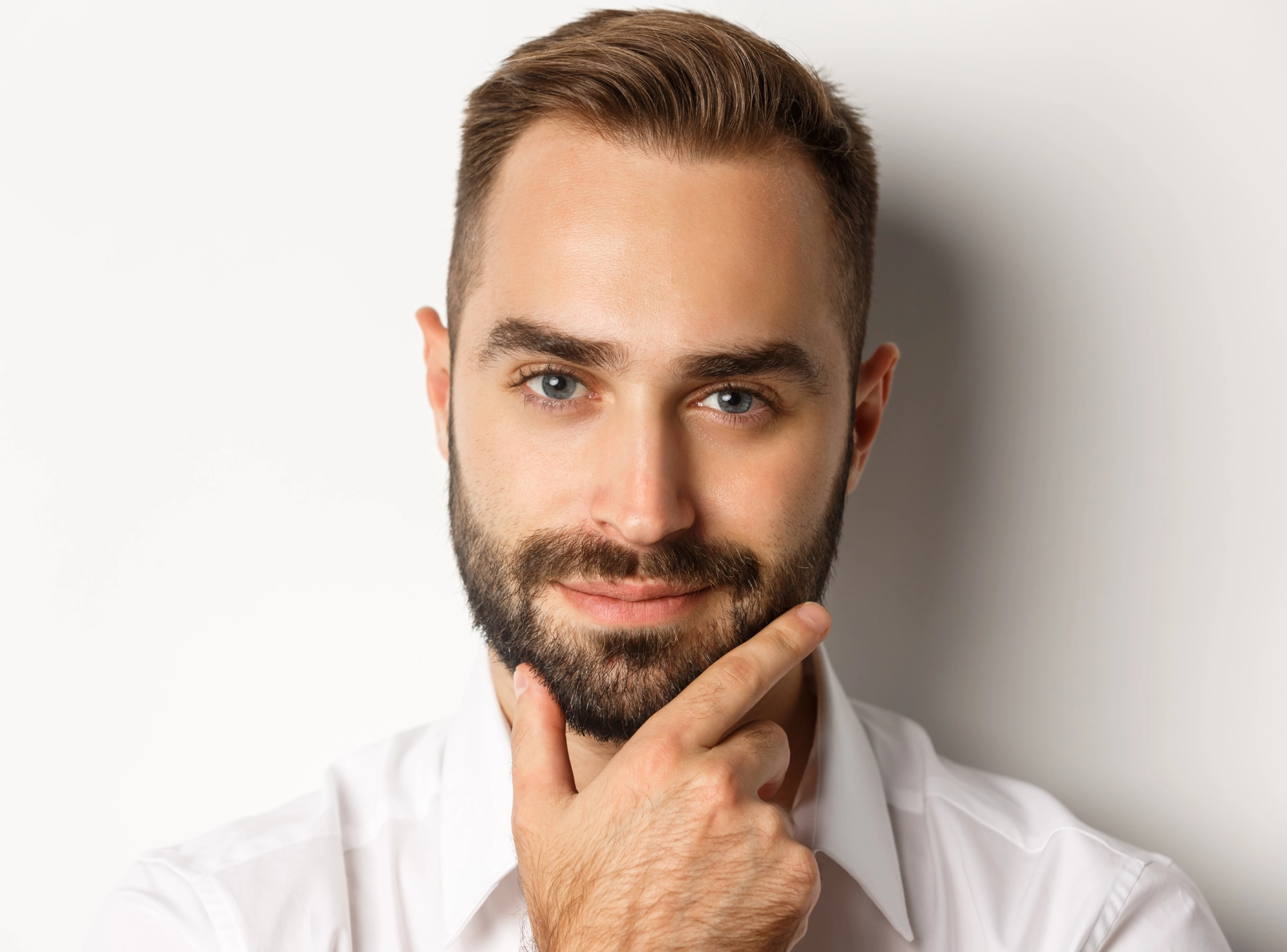
Beards don’t grow easily for some men. Many men find it difficult to grow a full beard even if they stop shaving and let their facial hair grow out. Part of the problem has to do with the development of facial hair itself.
The hair on your face doesn’t always grow evenly or where you want it to. And while you may want to grow a bushy beard, after letting your hair grow for a few months you may end up with a patch of facial hair.
Genetics may also play a role in facial hair loss. You may not be able to grow a good beard without the proper genetics. In other words, not everyone has the genes to grow a great beard! You may be disappointed in your natural ability to grow a beard, but all hope is not lost.
Modern medicine and cosmetic procedures have made great strides over the past decade. And with the help of scientific intervention, you can grow the beard you have always dreamt of. But how is it possible? What methods can you use to grow a beard?
One option could be beard growth medicine. Over-the-counter drugs can assist you in enhancing facial hair growth and growing a luscious beard. However, if you want more permanent results, without the continued use of medication, cosmetic surgery may be necessary.
Every year, facial hair transplants are becoming more and more popular. It enables you to grow facial hair naturally without the use of a product. So what can you expect from beard transplantation and are there any beard transplant side effects you should know about?
What about beard growth medicine, what side effects and complications could you expect? We will walk through the risks associated with each throughout the rest of this article.
Beard Transplantation In Dubai
Beard Transplantation in Dubai is a popular procedure for growing a fuller beard. Although generally safe, temporary side effects in the treated areas may include redness, swelling, mild discomfort, itching, and scabbing. These effects usually subside within a few days to weeks with proper aftercare and medical supervision.
Are There Side Effects To A Beard Transplant?
You will have some mild side effects from beard transplantation. The side effects can vary from person to person, but there are a few common symptoms to be aware of.
One of the main side effects of a beard transplant is ironically hair shedding. This is a normal part of the healing process, however, as the transplanted hair will usually fall out but new healthy hair will grow back in its place.
The most common side effects are swelling and redness. Your face may get swollen and inflamed after the surgery. Redness can also occur from inflammation.
A little numbness in the face or tightness in the skin are also reported by some patients. Do not worry about this as these side effects will only be experienced for a short period after surgery.
Lastly, there is the possibility of scarring. Particularly in the region where your hair was taken from. But the hair will grow back over the area and will hide any obvious signs of scarring from view.
The amount of scarring does depend on which procedure you decide to do. Less scaring will be developed with FUE. Small scars form when hair is removed from the donor site. With FUT however, since an entire patch of skin is removed, the scar will be much larger and has a chance of being more noticeable.
But most of these symptoms should last for a few weeks. If you have any of these side effects for more than 3 weeks after transplantation, please tell your doctor.
BOOK AN APPOINTMENT TODAY
What Are Possible Side Effects Of Beard Growth Medicine?
Side effects of beard growth medicine are pretty minimal. Although some people do get side effects from other types of beard regrowth medicine.
With supplements you are much less likely to experience any kind of side effects, because you are only adding nutrients to your body that may or may not jump start the hair follicle production.
But some products like Rogaine can cause facial irritation and redness. Some users say they also notice hair growing in strange places around where they first apply the medication. A candidate may get hair of a different color (risk of discoloration) or texture than they expected.
The beard growth medicine is way less risky than beard transplantation and is less disruptive to your face and the rest of your body.
How Do These Options Differ? Beard Transplantation Vs. Beard Growth Medicine
After knowing the side effects of beard transplantation and beard growth medicine, let’s now discuss what is beard transplant and how it is different from beard growth medicine specifically.
1. Beard Transplantation Is Performed By A Medical Professional
Beard transplant is effective but costly. A board-certified surgeon performs it and will remove hair follicles from a specific area of your body. Then, after that your doctor will take those hair follicles and then put them on your face so you can grow a beard.
With beard growth medicine, the process is very different. You don’t need a medical professional to purchase or use this product. All you have to do is buy it at a local shop and put it on your face.
2. Beard Transplantation Requires Surgery, Beard Growth Medicine Does Not
Beard transplants may seem like a walk in the park. But there’s a lot more that goes into this process than you’d think. On the other hand, beard growth medicine is simple to use and there is no need to undergo surgery.
So, in short, beard transplant is a surgical process. Usually, your surgeon will choose one of two options to finish the transplant. Follicular unit extraction also known as FUE is one of the most popular beard transplantation methods performed.
This method involves taking complete follicular units one by one from the donor area. FUE is less painful and therefore is a more popular and more commonly done procedure.
The second method your doctor could try is follicular unit transplantation, also referred to as FUT. This is a more aggressive procedure with deeper incisions and some removal of skin. In this choice, your surgeon takes skin tissue from the back of your head.
Some hair follicles will be removed from the tissue and transplanted into close proximity to where your beard will grow. Both of these methods will collect and transplant thousands of hair follicles from one part of the body.
3. Beard Growth Medicine Saves You Time, But At What Cost?
What if you don’t want cosmetic surgery to grow your beard? If you are reluctant to visit a plastic surgeon, then beard growth might be the right choice for you. You can also get a variety of beard growth medicines.
And bearded growth medicine varies in strength and effectiveness. But the most popular kind of beard growth medicine these days is known as minoxidil or rogaine.
It’s cheap and easy to get at your local store. This product is generally used for the growth of hair on your scalp. But more people are turning to Rogaine to grow a beard. The effectiveness of this beard growth medicine is questionable and mixed.
4. Beard Transplants Create More Facial Hair, Beard Growth Medicine Doesn’t
Rogaine doesn’t make more hair grow, it just allows facial hair to stay on the face so the hair doesn’t fall off and create patchiness on your face. Beard Growth Medicine may work well for those who have less severe issues growing facial hair.
The more hair you have on your face the fuller your beard will be. But if you find it hard to grow enough hair on your face in the first place then beard growth medicine may not be able to help you out with your facial hair problems.
You can also try other products if Rogaine doesn’t work. A lot of people buy hair growth supplements to help with facial hair growth. They may contain nutrients such as vitamin C, biotin and vitamin A. But if you can’t grow facial hair naturally, it’s probably your genetic makeup to blame.
In such cases, beard transplantation surgery may be needed. With hair follicles transplant you will get the growth you desire.
5. Beard Transplantation Has A Longer Recovery Time Than Beard Growth Medicine
There is a significant difference in the recovery time when you compare these two options. No need to worry about any kind of recovery with beard growth medicines. You just put the growth serum on your face and let your beard grow.
Beard transplant surgery does require some downtime. But, unlike a lot of other cosmetic surgeries, not a very long one, at that.
You should be fine within a day. But your face needs a little more time to rest and recover.
You will notice scabbing, redness and general irritation to your beard area for a minimum of 3 weeks. Then you can shave as usual.
But watch out, you may start losing your beard hair after a few weeks. This is a normal step in the process. Your hair will come back, and will be replaced with better facial hair. But this procedure could take a few months to complete so be patient with your expected results.
Which Option Is Right For You?
Beard transplantation and beard growth medicine are both great options for men looking to grow out and extend their beards. But one option might be better than another depending on what you are trying to do.
Re-reading the information, beard growth medicine is better if you are trying to save money and want to avoid the long process of doctor & patient consultation and surgery one-on-one. The only apprehension is whether it is effective or not. You can solve your beard problems right from the comfort of your home with over-the-counter beard growth medicine.
However, beard transplant can be more expensive but it is much more effective and only needs a short recovery period. Opting for beard transplantation does have a variety of benefits. That is, the results of beard transplantation are more visible and long-lasting than the results of beard growth medicine.
Of course, that will depend on the individual and their situation. However, in the majority of cases a hair follicle transplantation to the face will result in a much thicker beard.
Side effects are common in any cosmetic procedure, but the side effects of beard transplant are not major and will not significantly affect your daily life. But if you don’t have the genes to grow a beard, in reality, beard growth medicine won’t be enough and transplantation may be needed to improve the appearance of facial hair.
How To Reduce Side Effects And Care For Your Face After Beard Transplantation?
With any sort of plastic surgery, side effects are common. However, patients can cut down the duration of their side effects and can take care of their face after surgery to minimize any problems. This means keeping your skin, especially your face, out of direct sunlight or direct heat sources.
You also need to give up smoking and avoid strenuous activity if you can. That way you won’t sweat much and ruin your follicle transplants.
Patients should not scratch or rub their face. You will only irritate and redden your face further. You’re also more susceptible to infection by scratching into the skin with your nails.
Instead use the ointment given to you by your doctor as discussed in the post-operative care instructions section of your consultation. You should have been put on an antibiotic cream to help heal the targeted areas. Use this every day to help cut down your recovery time.
Advantages Of Beard Transplantation You Should Know
Beard transplantation provides natural-looking facial hair, long-lasting results, increased beard density, customizable shaping, and low maintenance. It helps men grow a fuller, more balanced, and attractive beard.
Why Beard Transplantation Is The Best Solution
Beard transplantation is an effective treatment for patchy or thinning facial hair. It uses your own hair follicles to promote natural growth, resulting in long-lasting and personalized results.
How Beard Transplantation Restores Confidence And Appearance
A fuller beard can enhance facial features, improve symmetry, and give a more masculine appearance. Beard transplantation boosts self-confidence by creating the desired beard style and appearance.
MEET THE EXPERT DOCTOR
Bear Transplantation Frequently Asked Questions
Are Beard Transplants Dangerous?
Generally, beard transplant is not a dangerous procedure. The transplantation of hair follicles is painless and easy to recover with the advent of new cosmetic techniques. But there is some risk involved with any type of procedure. This includes infection, scarring and other medical complications.
The risk should be minimized, as long as you have a board-certified plastic surgeon perform your surgery. You also have much better chances to see the results you want without the risk of losing your hair follicles.
Is beard growth medicine dangerous?
The most important factor is whether it works or not. Beard growth medicine has very few side effects and none of which are severe. That said, if you have certain medical conditions, you’ll want to avoid certain hair growth products. For instance, you should not use Rogaine if you have high blood pressure, tumors, any sort of organ damage, or if you have heart issues in general.
But the average person will be able to use this product. But just remember this information. Hair growth supplements should be ok to use too. Just be sure to check with your doctor if you have any underlying health issues.
Will beard restoration work for me?
So if you don’t have the right genes and beard growth medicine just isn’t cutting it, how do you know beard transplantation will work for you? Beard transplant surgery is very successful most of the time. Most patients are able to grow a full beard after having this procedure done by a professional, and very few of these surgeries fail.
How long do I wait for results to come in?
But growing out your beard to the way you want it will take time. You may not see results for months, but this is to be expected when trying to achieve natural looking results. For most patients, you will see the full results after around eight to nine months and know that your transplant was a success. Depending on your body, some people will see these results sooner.
Which beard restoration alternative is better?
The two beard transplantation methods have similar recovery and growth times and produce similar results. But with FUT you may end up with a slightly thicker beard. This is due to way more hair follicles can be harvested with this method of surgery.
This is at the expense of some extra scarring in the scalp and more potential side effects. But, patients in dire need of transplantation may want to go with this option. It all depends on your needs and your unique situation.
Best Plastic Surgeon In Dubai For Beard Transplantation
Best Plastic Surgeon in Dubai for beard transplantation is available at the Perfect Doctors Clinic, where Dr. Perfect Celebrity performs advanced beard restoration procedures that produce natural-looking results. While mild swelling, redness, itching, and temporary scabbing are possible side effects, they are usually minor and resolve quickly with proper aftercare and professional guidance.