





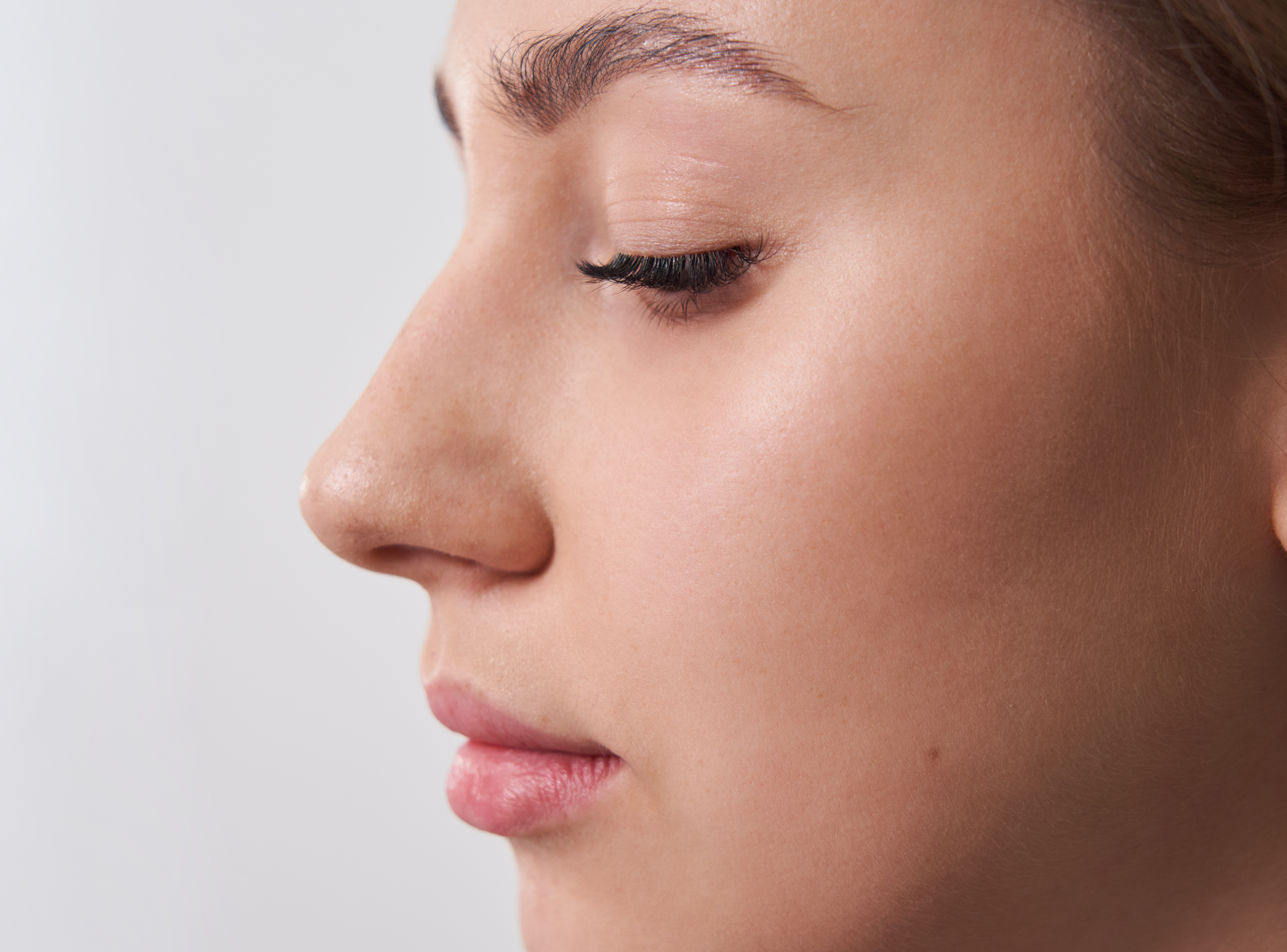
You aren’t imagining things if you think something is wrong after a nose job. If a rhinoplasty surgery goes wrong, patients may not be happy with how they look, have trouble breathing, or both. Rhinoplasty is one of the hardest facial surgeries to do, but the results aren’t always what you expect. The good news is that there are carefully thought-out ways to fix or improve the result, as long as the assessment is medically sound and anatomically sound.
We often see patients at Perfect Doctors Clinic, which has locations in Dubai, who are upset, worried, or unsure of what to do after having nasal surgery. This article talks about what can go wrong with rhinoplasty, how to tell the difference between complications and normal healing, and the realistic ways to get your balance, function, and confidence back.
Surgical Rhinoplasty In Dubai
Surgical Rhinoplasty in Dubai can produce transformative results, but complications such as asymmetry, breathing problems, or poor healing may necessitate revision. Understanding the causes and risks allows patients to select skilled surgeons and consider revision options to restore function and natural-looking aesthetics.
When Rhinoplasty Does Not Go To Plan
Rhinoplasty is a procedure that affects the structure, skin, airflow, and harmony of the face. Small changes can have big effects on how things look and work. Even when the surgery goes well, healing doesn’t always go as planned.
Why Surgical Rhinoplasty Can Go Wrong
There are many reasons why a rhinoplasty might not work:
- Nasal anatomy that is complicated and has fragile cartilage and bone structures
- The formation of scar tissue, which can change shape over time
- Over-resecting cartilage or bone can cause it to collapse or pinch.
- Healing that is hard to predict, especially for skin types that are thicker or thinner
- Higher risk with revision surgery, where anatomy has already been changed
Not all bad results are caused by mistakes made during surgery, which is important to remember. After surgery, the nose keeps changing for many months, and small changes can happen even after the swelling goes down.
Common Post-Surgical Rhinoplasty Problems
Patients may exhibit aesthetic concerns, functional issues, or a combination thereof:
- Bridge problems or changes in the way the contour looks
- A nasal tip that is too rotated or not projected enough
- Asymmetry that gets more noticeable over time
- Problems with breathing or a blocked nose
- The nasal valves fell apart.
- A look that is pinched, scooped, or too polished
People often look for “nose surgery gone wrong” or “failed rhinoplasty” when these problems get bad enough to affect their emotions.
Is It A Failed Rhinoplasty Or A Healing Phase?
One of the most common questions we get is if something has really gone wrong or if the nose is still healing.
Normal Healing Vs Genuine Complications
After rhinoplasty, swelling can last for 14 to 20 months, especially around the tip. The scar tissue keeps growing, and it can take a while for the final shape to show up. During this time, it is normal for the body to feel a little uneven, firm, or asymmetric as it heals.
Professional evaluation is necessary when there is progressive distortion, worsening breathing, visible collapse, or changes that persist beyond the anticipated healing period. It takes a lot of experience to tell the difference between healing and complications; you can’t just guess.
The Psychological Impact Of A Poor Rhinoplasty Result
Aesthetic surgery does not exist in a vacuum. When outcomes fall short, the emotional consequences can be profound.
Why Patients Often Feel Worse After Surgery
A lot of patients say:
- A feeling of losing your face identity
- Worry, shame, or regret
- Less confidence in social or work situations
- Fear of seeking additional correction
It’s okay to feel this way. The nose is in the middle of the face, and even small changes can make it harder for someone to recognise themselves. Taking care of this mental part is just as important as taking care of the physical part.
Options To Correct A Surgical Rhinoplasty Gone Wrong
There is no one-size-fits-all way to correct. The right way to go depends on the patient’s anatomy, skin type, previous surgeries, and goals.
Non-Surgical Rhinoplasty As A Corrective Option
For some patients, non-surgical rhinoplasty can help make a post-surgical result better without the need for more surgery. It might be possible to do the following with strategically placed dermal filler:
- Hide flaws in the bridge
- Make the symmetry look better
- Help areas that are about to fall apart
- Bring the nasal profile back to normal.
This method is more about hiding and helping than rebuilding. It is especially helpful for patients who aren’t ready to think about revision surgery or whose main concerns are cosmetic rather than structural. Our in-depth medical guide to non-surgical rhinoplasty for problems after surgery goes into great detail about this option.
When Revision Rhinoplasty Is The Only Option
There are times when non-surgical correction isn’t the best option. Revision rhinoplasty may be necessary when there is:
- A big structural failure
- Very bad breathing problems
- Too much or bad scar tissue
- Loss of important cartilage support
Revision surgery is more complicated than primary rhinoplasty by nature, so you should be careful when you do it. At Perfect Doctors Clinic, this path is always based on referrals and is only taken when the benefits are clearly greater than the risks.
Why Corrective Rhinoplasty Requires Advanced Assessment
Fixing a rhinoplasty that went wrong isn’t just about fixing one bump or angle. It takes a full understanding of how the face and nose work together.
The Importance Of Facial Harmony And Function
A full evaluation takes into account:
- Not just the nose, but the whole face’s balance
- How thick the skin is and how it reacts to treatment
- Safety of blood vessels, especially in tissue that has already been operated on
- The long-term effects of more treatment
This level of analysis supports a conservative, safety-first approach and stops problems from getting worse.
What A Proper Corrective Consultation Should Include
Patients are often surprised by how much detail a corrective consultation needs to have.
Consultation-Led Planning Over Quick Fixes
An honest assessment should include:
- A complete medical and surgical history
- Review of previous operative details, if they are available
- Careful risk assessment based on changes to the anatomy
- A real talk about limits and trade-offs
In this case, quick fixes don’t usually help patients. A staged, conservative plan usually leads to results that are more stable and look more natural.
BOOK AN APPOINTMENT TODAY
Realistic Expectations After A Failed Rhinoplasty
Managing expectations is one of the most important parts of correction.
What Can And Cannot Be Corrected
It is important to know that:
- Getting better doesn’t mean being perfect.
- Some problems can be hidden, while others need to be fixed.
- Over time, non-surgical correction may need to be maintained.
At this point, being clear stops more disappointment and helps with long-term happiness.
When To Seek Help After A Rhinoplasty
If you see any of the following, you should get professional help:
- Breathing problems that don’t go away or get worse
- Asymmetry or collapse that gets worse over time
- Pain, tightness, or scars that aren’t normal
- Emotional pain that doesn’t go away because of how you look
Early assessment often makes more safe choices available.
A Measured Path Forward
You’re not the only one who is unhappy with the results of your rhinoplasty. Correction is often possible, but it needs to be done with care, experience, and an understanding of how complicated the nasal anatomy is. A medically-led, consultation-driven approach lowers the risk of more harm and focuses on restoring balance instead of trying to make things perfect.
FAQs
Can Non-Surgical Rhinoplasty Fix A Bad Nose Job?
Yes, in some cases. Non-surgical rhinoplasty can hide flaws and make things more balanced, but it can’t fix missing structure.
How Long Should I Wait Before Correcting A Rhinoplasty?
Most surgeons say that you should wait at least 14 months for full healing before making a permanent fix, unless there are urgent functional problems.
Is Revision Rhinoplasty Riskier Than The First Surgery?
Yes. Because of scar tissue and changes in anatomy, revision surgery is harder, which is why careful evaluation is so important.
Will A Corrective Treatment Make My Nose Perfect?
The goal is not to be perfect, but to get better and be in harmony. It’s very important to set honest expectations.
Where Can I Get Expert Advice In Dubai?
Perfect Doctors Clinic welcomes patients to his clinic in Dubai for consultations to talk about their concerns after rhinoplasty surgery.
MEET THE EXPERT DOCTOR
Award-Winning Aesthetic Excellence
Perfect Doctors Clinic has been named Best Medical Aesthetic Practitioner of the Year for the past four years in a row. He received this recognition for her exceptional clinical knowledge, patient outcomes, and safety standards. He is also the first doctor to be inducted into the Aesthetic Medicine Wall of Fame, demonstrating her importance as a leader in aesthetic medicine in Dubai and worldwide. We are also extremely proud to have been named Best Aesthetic Clinic in Dubai and Best Clinical Team four times at Perfect Doctors Clinic. These awards demonstrate a strong commitment to personalised, science-based care and consistently excellent patient outcomes.
Best Plastic Surgeon In Dubai For Surgical Rhinoplasty
Best Plastic Surgeon in Dubai for surgical rhinoplasty is available at the Perfect Doctors Clinic, where Dr. Perfect Celebrity provides expert care, advanced techniques, and personalised treatment plans to achieve natural-looking results. Patients benefit from precise nasal reshaping, improved facial harmony, and safe procedures carried out in Dubai to high standards.