





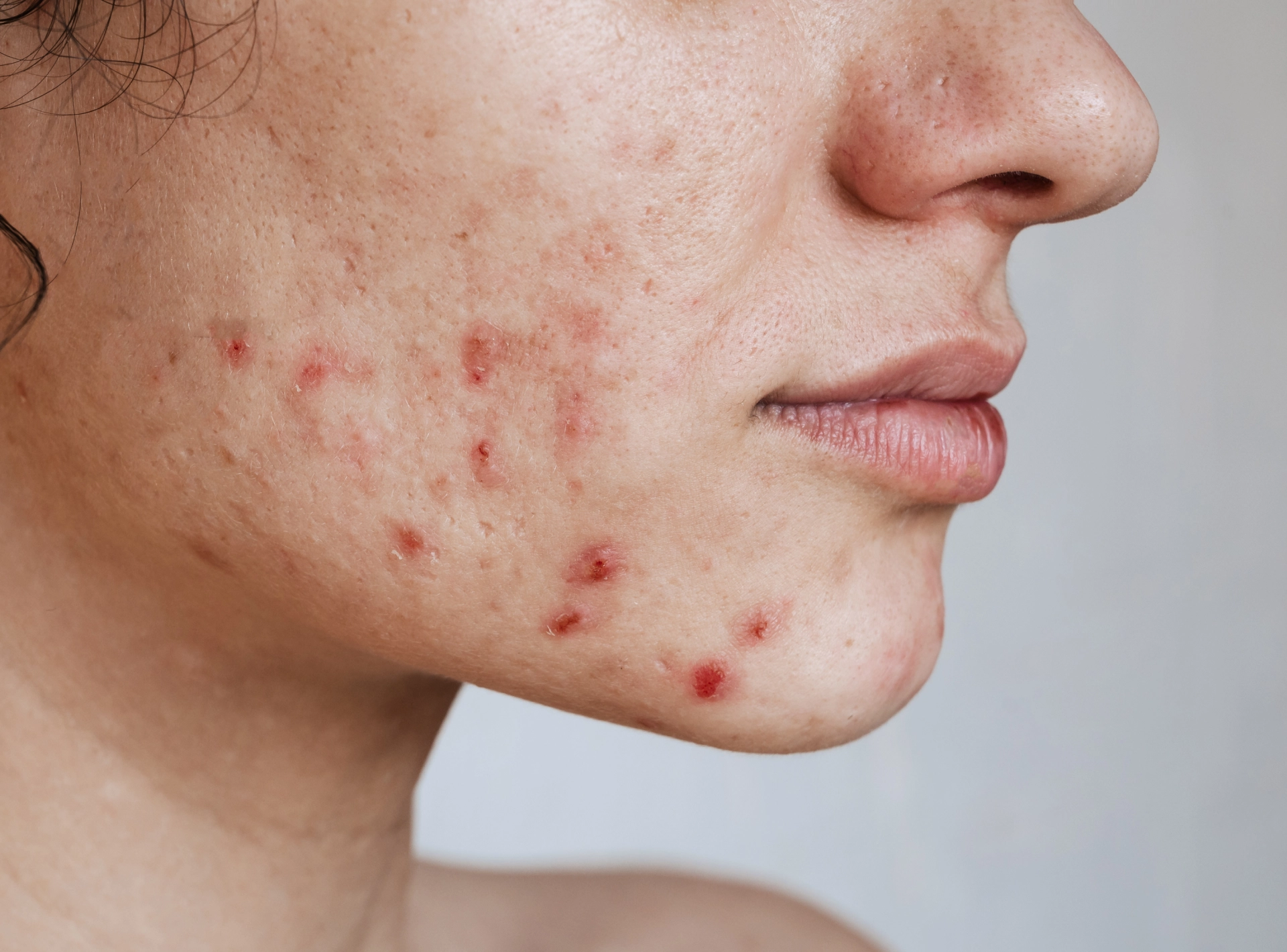
Acne scars can be a daily reminder of past breakouts and they can affect not only skin health but also self-esteem. Some scars will fade over time, others are more permanent and will need to be treated. Knowing the different types of acne scars is the first step to an effective treatment plan. Every scar is different, and the correct interventions can have a significant effect on the skin texture and appearance.
Acne Scar Treatment In Dubai
Acne Scar Treatment In Dubai provides different advanced treatments for different types of acne scars like ice pick, boxcar, rolling and hypertrophic. Each type of scar affects the skin differently and treatment plans are tailored to achieve the best possible result. Procedures such as fractional laser resurfacing, microneedling, radiofrequency, chemical peels, subcision and dermal fillers may be done alone or in combination. The aim is to stimulate collagen growth, improve skin texture and reduce the appearance of scars. For slow, natural-looking results and smoother, healthier skin, multiple sessions are often recommended.
Acne Treatment In Dubai
Acne Treatment In Dubai aims to control the active acne and prevent the future breakouts that can leave permanent scars. Treatment can include medical-grade skincare, chemical peels, laser therapy, light-based treatments, and prescription medications, depending on the severity. Treating active acne early will reduce inflammation and prevent new scars from forming. Experienced practitioners will evaluate each patient’s skin type and condition of acne to recommend the best approach. With regular treatment and proper skin care, you can see a dramatic improvement in the clarity, texture, and overall complexion of your skin in time.
BOOK AN APPOINTMENT TODAY
Types of Acne Scars
1. Atrophic Scars
Atrophic scars are indented scars that sit below the surrounding skin. The scars are caused by a deficiency of collagen in the wound healing process. Atrophic scars are classified into the following subtypes:
Ice-pick scars
- Description: They’re thin and deep and sharply defined, like tiny puncture wounds or open pores. They often penetrate deep into the surface of the skin and appear as if the skin had been pricked by a sharp object.
- Appearance: Ice pick scars are very noticeable due to their depth, which casts shadows under some lighting conditions. They are often seen on areas such as the cheeks and nose where acne lesions are more likely to be deeper. The vertical position makes it difficult to deal with them superficially.
- Common Causes: Ice pick scars are caused by severe acne, especially cystic or nodular acne, which causes deep inflammation. When infection destroys the collagen and elastin of the skin, the tissue falls in, leaving a deep pit. If acne isn’t treated quickly or properly, it’s more likely to leave scars.
Boxcar scores
- Description: These scars are wider and shallower than ice pick scars and have distinct, sharp edges. They are box-shaped and look like indentations in the skin, often covering larger areas.
- Appearance: Boxcar scars are pitted or cratered scars on the skin, commonly on the cheeks, temples and lower jawline. Their sharp edges can make the skin look uneven and feel rough to the touch.
- Common Causes: Boxcar scars are generally caused by acne inflammation destroying collagen over a larger area. With collagen loss, the skin does not have support and depressions can form. Moderate to severe acne is often the culprit, particularly inflammatory types like papules and pustules.
Rolling Scars:
- Description: Rolling scars are characterized by their wave-like appearance. Less sharply defined than icepick or boxcar scars, they have sloping edges that gradually fade into the surrounding skin.
- Appearance: These scars create an uneven, bumpy texture in the skin that is particularly noticeable under direct light. Rolling scars are typically spread out, giving a stretched, undulating appearance that can cover large areas.
- Common causes: Repeated or chronic inflammation can damage deeper layers of skin such as the dermis and subcutaneous layers. This results in fibrous bands forming between the skin and the tissue beneath it, which anchors the surface and causes the rolling effect.
2. Hypertrophic Scars
- Description: Hypertrophic scars are raised and thick scars that develop when the body makes too much collagen in the process of wound healing. They don’t grow into the adjacent skin like keloids, so they’re confined to the original borders of the acne lesion. These scars are often rubbery in texture and can be pink, red, or the same color as the person’s skin. They may flatten or soften over time but may also stay elevated untreated.
- Appearance: Hypertrophic scars are thick and prominent, usually developing over the site of greatest inflammation of the acne lesion. They are most common on the chest, back shoulders and jawline where the skin is thicker and more likely to mount a robust healing response.
- Common Causes: These scars are caused by an overproduction of collagen as the skin tries to heal itself following severe trauma. Deep, inflammatory acne, like cysts or nodules, is more likely to result in hypertrophic scarring, especially if lesions are picked at, popped, or treated incorrectly. Scars can be more likely to form due to factors such as genetics, delayed wound care, and higher skin tension in certain areas of the body.
3. Keloid Scars
- Description: Keloid scars are an exaggerated type of scar tissue, that is raised and thickened. Unlike hypertrophic scars, keloids grow beyond the borders of the original lesion and often invade the adjacent skin. These scars may feel rubbery or firm and can sometimes itch or be tender or painful. Depending on the person’s skin colour, keloids are usually red, pink or darker than the surrounding skin, and if not treated can remain or grow over time.
- Appearance: Irregular shape, shiny or smooth surface. They are usually seen in areas of increased tension of skin, such as the chest, shoulders, back, jaw line, and ears. They are particularly prominent and excessive, and may sometimes cause emotional discomfort or embarrassment because of their visible size and texture.
- Common Causes: Keloids are caused by an over-aggressive healing response where the body produces excess collagen even after the wound itself has healed. This causes unregulated tissue growth. People who have a genetic predisposition to keloids, especially people with darker skin, are at higher risk of developing keloids. Keloids can develop from deep inflamed or improperly treated acne lesions, trauma such as picking or squeezing pimples. Environmental factors like repeated irritation or friction on the scar site can also worsen their growth.
4. Post-inflammatory Hyperpigmentation (PIH)
- Description: Post-inflammatory hyperpigmentation (PIH) is flat, discolored spots that appear on the skin after an acne lesion heals. PIH is not a scar and does not alter the texture of the skin but is instead a change in pigmentation. The color change may be pink, red or purple on lighter skin tones and brown, grey or black on darker skin tones. PIH is especially common in people with medium to dark skin. People with darker skin have more melanin, the pigment that gives skin its color.
- Appearance: PIH typically presents as round or irregularly shaped spots on areas of the skin that were previously affected by acne. These marks are more obvious in natural or bright light and can last for weeks, months, or even years depending on how bad they are and whether they are treated. While PIH can fade with time without intervention, its persistence is often dependent upon sun exposure and depth of pigmentation.
- Common Causes: PIH develops when an inflammatory response from acne lesions causes an overproduction of melanin, the pigment that provides skin with its color. This is the skin’s response to inflammation or injury, and its attempt to repair itself. Things that can make PIH worse include:
- Squeezing or popping pimples, which can increase inflammation.
- Exposure to UV rays, which can further darken the spots.
- Hormonal changes or imbalances, increasing skin sensitivity and melanin production.
Best Treatment Options for Each Type
1. For Atrophic Scars
- Icepick scars:
- TCA Cross: Trichloroacetic acid chemical reconstruction to stimulate collagen production.
- Subcision: A small surgery that cuts fibrous scar tissue under the skin.
- Laser resurfacing: Both ablative and non-ablative lasers, which work by stimulating new collagen.
- Boxcar scars:
- Dermal fillers: Hyaluronic acid or collagen fillers are used to swell the skin and make the scar less deep.
- Microdermabrasion: A gentle way to exfoliate the skin to improve skin texture over time.
- Microneedling: A treatment that uses tiny needles to increase collagen production.
- Rolling scars:
- Subcision: A surgical treatment used to break up the tissue bands that cause the wavy effect.
- Fractional laser therapy: It targets the deeper layers of the skin to stimulate collagen.
2. For Hypertrophic Scars
- Steroid injections: Flatten the raised tissue to reduce the size of the scar.
- Silicone gel sheets: Softens and flattens scars over time.
- Laser treatments: Fractional or IPL laser treatments to reduce redness and smooth scars.
3. For Keloid Scars
- Cryotherapy: Freezing the scar tissue to reduce it in size.
- Steroid injections: To reduce scar size and inflammation.
- Pressure Dressings: This helps to prevent the keloid from getting bigger.
- Surgery removal with radiation: In severe cases, surgery to remove the tumor and radiation to prevent the tumor from growing back.
4. For PIH
- Chemical peels: Removes the top layers of skin to lighten pigmentation.
- Topical retinoids: Increases cell turnover and lightens discoloration
- Vitamin C serums: Brighten skin and inhibit melanin production.
- Sunscreen: Stops the spots getting darker and helps the skin to heal overall.
Factors to Consider When Choosing a Treatment
There are several things you need to think about to make sure you choose the right treatment:
- Skin type and tone: Some treatments, like laser therapy, may not be suitable for darker skin tones because there is a risk of hyperpigmentation.
- Severity and Type of scarring: Different types of scars respond to different treatments.
- Patient expectations and budget: The cost and potential outcomes should match the patient’s goals.
- Professional Consultation: The expertise of a dermatologist is essential in formulating a personalized treatment plan.
Prevention Tips to Minimize Acne Scars
To prevent acne scars, you need to begin with good skin care and healthy habits:
- Early and effective acne treatment: Treat acne early and effectively to minimize inflammation and reduce the chances of scarring.
- Avoid picking or popping pimples: messing with acne can lead to inflammation spreading and a greater chance of scarring.
- Use sunscreen: It will help to protect the healing skin and prevent the discoloration from getting worse.
Acne scars may feel like an ever-present reminder of your skin’s past problems, but there are treatments available that work for every kind of scar. Knowledge of the peculiarities of the atrophic, hypertrophic, keloid scars and PIH helps to choose appropriate interventions. With advances in dermatology treatments and good prevention measures, smoother, healthier skin is achievable. See a dermatologist for the best options for your skin.
MEET THE EXPERT DOCTOR
Best Aesthetic Clinic In Dubai For Acne Scar Treatment
Best Aesthetic Clinic in Dubai for Acne Scar Treatment is crucial to get safe and effective skin rejuvenation. Skilled aesthetic professionals will perform a thorough skin examination to determine the type and extent of acne scarring and create an individualized treatment plan. Perfect Doctors Clinic uses the latest techniques such as laser resurfacing, microneedling, radiofrequency, collagen induction, etc. to enhance the skin’s texture with little to no downtime. They offer detailed aftercare instructions to ensure proper healing and best results. With expert care and personalized treatment, patients can look forward to smoother skin, less scarring, and a healthier, more even complexion.