





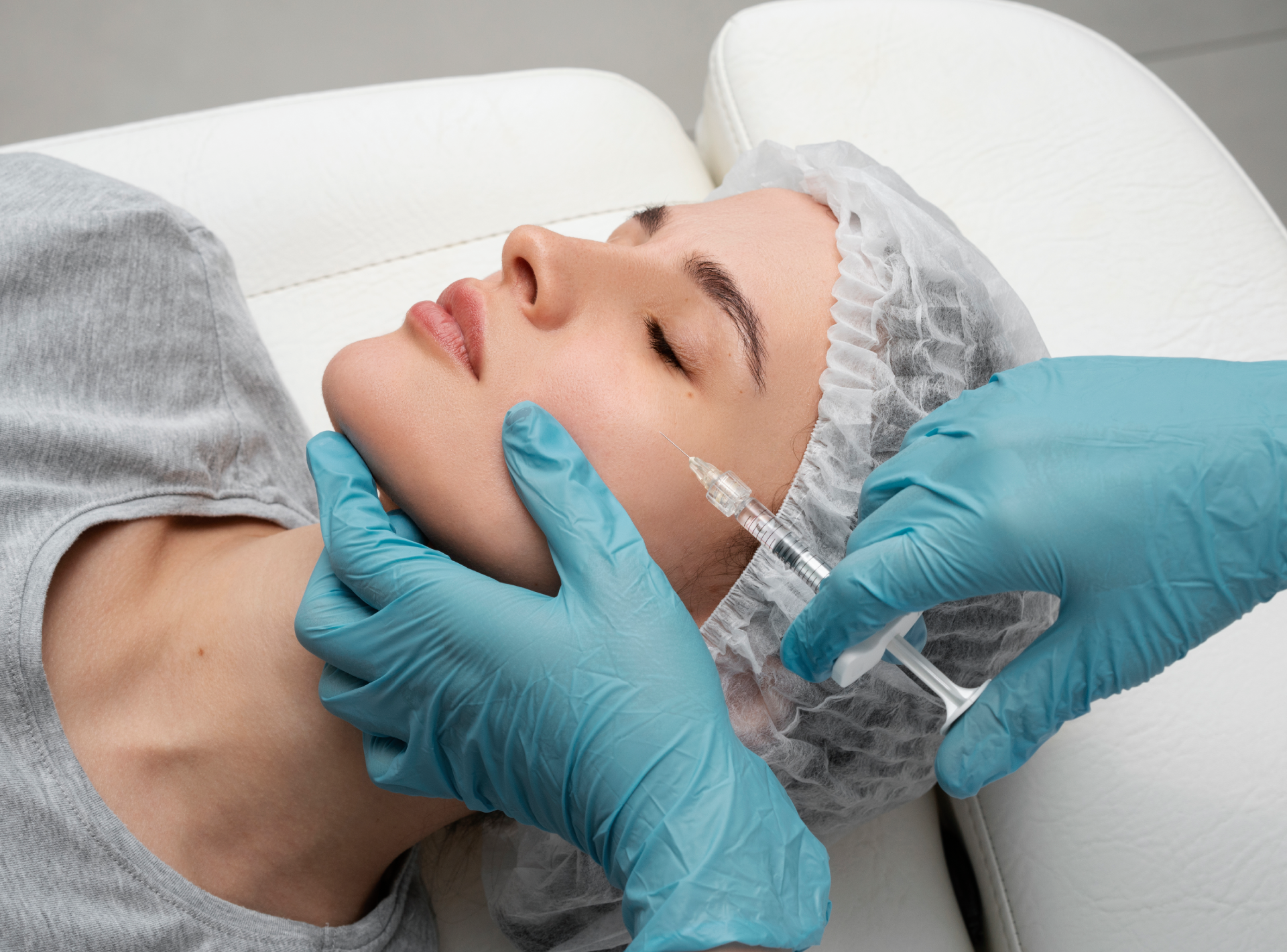
The societal norm is now dermal fillers. And for some, getting injected has become as commonplace as getting your hair colored every quarter. But how do you undo the work? As more people, including high-profile celebrities, elect to dissolve their fillers, the untold risks of utilizing hyaluronidase are being exposed. It is commonly promoted as a quick treatment, but patients are finding that dissolving filler can have unanticipated and permanent repercussions that range from facial abnormalities to emotional discomfort.
But let’s be very clear: this piece is not meant to dissuade you from getting a little filler. We love to support our cosmetic practitioners out there. This is mainly about education around hazards (informed consent) and the significance of talking to a reputable practitioner about your operation.
Filler Dissolving In Dubai
Filler Dissolving in Dubai is a cosmetic procedure used to break down and remove unwanted or excessive hyaluronic acid-based dermal fillers using an enzyme called hyaluronidase. The treatment is commonly performed when patients experience overfilled areas, uneven filler distribution, migration, lumps, asymmetry, or dissatisfaction with previous filler results. Hyaluronidase works by dissolving the hyaluronic acid filler so the body can naturally absorb and eliminate it over time. Many individuals choose filler dissolving because it allows correction and adjustment without requiring surgery. In many aesthetic discussions, patients frequently ask about the darker side of filler dissolving and what they should know about hyaluronidase before undergoing treatment. Although filler dissolving is generally considered safe when performed by experienced professionals, there are certain risks and concerns associated with hyaluronidase treatment that patients should understand. Common temporary side effects include swelling, redness, bruising, tenderness, and temporary unevenness in the treated area immediately after injections. Some individuals may also experience temporary volume loss or skin laxity as the filler dissolves. In rare situations, allergic reactions, prolonged swelling, excessive dissolving, or irritation of surrounding tissues may occur if incorrect amounts are used or if the patient has heightened sensitivity to the enzyme. Another important concern is that hyaluronidase may sometimes dissolve natural hyaluronic acid found within the body in addition to the cosmetic filler, which can temporarily affect skin hydration and fullness. Patients are generally advised to undergo proper consultation, allergy assessment if necessary, and realistic treatment planning before proceeding with filler dissolving. Understanding both the benefits and possible downsides of hyaluronidase helps patients make informed decisions while maintaining realistic expectations about results and recovery.
Filler In Dubai
Filler in Dubai is a widely used non-surgical cosmetic treatment designed to restore facial volume, smooth wrinkles, enhance lips, and improve overall facial contours. Most dermal fillers are made from hyaluronic acid, a naturally occurring substance in the skin that helps maintain hydration and elasticity. These fillers are commonly used in areas such as the lips, cheeks, jawline, chin, and under-eye region to create a more youthful and refreshed appearance. Many patients choose dermal fillers because they offer quick results, minimal downtime, and customizable enhancements tailored to individual facial features. However, in some cases, patients may later consider dissolving their fillers if they are unhappy with the results or experience complications. The process of dissolving dermal fillers involves an enzyme called hyaluronidase, which breaks down hyaluronic acid filler so the body can naturally absorb it. While this treatment is often effective, it also has a “dark side” that patients should understand before proceeding. One key concern is that hyaluronidase does not only target unwanted filler but may also break down some of the body’s natural hyaluronic acid, potentially leading to temporary volume loss, dryness, or changes in skin texture. Some patients may also experience swelling, bruising, redness, or uneven results after dissolving treatment. In rare cases, over-dissolving can lead to hollowing or asymmetry, which may require additional corrective procedures. Another important factor is the emotional impact of filler dissolving. Patients may feel anxious or dissatisfied during the transition period when facial volume changes rapidly. Results can also vary depending on the type of filler used, how long it has been in place, and the individual’s skin response. Because of these risks, proper consultation and careful dosing by an experienced practitioner are essential. Understanding both the benefits and risks of hyaluronidase helps patients make informed decisions and avoid unexpected outcomes when correcting or removing dermal fillers.
The Role Of Hyaluronic Acid And Hyaluronidase In The Body
Your body “makes” hyaluronic acid “already,” but it doesn’t mean it’s safe to inject it wherever. This is true for both Hyaluronic acid fillers and hyaluronidase.
Hyaluronic acid (HA) is an important component of the normal human body’s functioning. It plays an important role in cell communication, muscular function and healing of skin. Without it, even small injuries to your skin would not heal correctly and your body’s systems would struggle to work. This makes hyaluronic acid not only good for healthy and beautiful skin but also required for survival.
Your body carefully controls its hyaluronic acid levels because it’s so important. Your body needs a continuous supply of HA to stay healthy and does not constantly manufacture the enzyme hyaluronidase that breaks down hyaluronic acid.
Hyaluronidase, on the other hand, is an enzyme found naturally in the body that destroys hyaluronic acid. You find it in the connective tissue, skin and bodily fluids of the body. Hyaluronidase is usually created only when it is needed, for example during an illness and for short periods.
If your body has a bacterial infection, for example, your white blood cells secrete hyaluronidase to break down the protective coat of hyaluronic acid around the bacteria (which permits the immune system to kill the bacteria.) This is a strictly regulated process, and hyaluronidase is only distributed to the precise locations where it is needed.
This leads us to one of the main issues: the body creates hyaluronic acid and hyaluronidase isn’t necessarily safe to inject these products wherever. The body’s natural utilization of hyaluronidase is specific and localized, and the idea that it can be freely injected to breakdown filler all over the face without any harm is a faulty concept. If you inject too much hyaluronidase, or inject it in the wrong places, you can break down more than just the filler – you can also break down the body’s own hyaluronic acid, and possibly cause damage beyond what you meant to.
The Hidden Risks Of Hyaluronidase
Hyaluronidase has been touted as a quick fix for undesired fillers, but it has its own hazards. One big worry is that hyaluronidase doesn’t simply break down the filler, it can also break down your own body’s hyaluronic acid, which is crucial for keeping skin plump and structured. It can weaken the skin, develop cavities and even cause the face to slump.
The perils are illustrated by Emily’s narrative. She had hyaluronic acid filler in her lips and noticed it migrate above her lip so she decided to have it removed with hyaluronidase. Within days of the treatment she developed a burning feeling in her face, neck, and arms with weakness and facial abnormalities. Her eyes gradually sank into her face and she lost a lot of skin volume.
Hyaluronidase Side Effects
Emily is not alone. Thousands have taken to Reddit (two million in this group alone), and social media support groups to discuss similar experiences of side effects after hyaluronidase injections.
Patients are experiencing problems such as:
- Burning in the face and the limbs.
- Loss of volume and suppleness in the skin
- Discoloration of the skin
- Neuralgia, headaches
- Dry eye syndrome
- Autoimmune symptoms
- Tiredness
- Pressure and pain all over the face
These side effects hint at a bigger problem – the lack of significant clinical studies on the long-term impact of hyaluronidase in cosmetic procedures. It has been used for decades to help with operations like dissolving local anesthetics, but its off-label use to dissolve fillers is little studied and inconsistently regulated.
The Psychological Toll & Medical Gaslighting
For many patients, the physical repercussions of dissolving filler are only the beginning. The emotional cost might be equally harmful. Practitioners often dismiss side effects, claiming the person is imagining the problem or that it has nothing to do with the hyaluronidase. This is a phenomenon called “medical gaslighting,” and it can make a patient feel helpless and disregarded.
For example, Emily sought aid from her injector because of significant side effects but was encouraged to go to a general practitioner. When she did, the doctor sent her back to the injector, going in circles, without really solving the problem. Her story is not an unusual one. Many say they’re in medical limbo, ignored by doctors and forced to deal with the effects from their therapies alone.
What worsens it is the omnipresence of social media. Whereas Instagram and TikTok once cheered on the “pillow face” aesthetic and overdone features, they are now full of tales of men and women who suffered bad experiences with filler dissolving. Support groups, with thousands of members, are becoming a safe haven for many who feel abandoned by the medical establishment.
Myths And Misconceptions About “Temporary” Filler
Hyaluronic acid fillers are generally promoted as being transitory because the body will eventually break down the filler. But that is not always the case. Most med spas and plastic surgeons don’t tell you that fillers tend to migrate from their original site, often going to unanticipated parts of the face before they entirely dissolve (which can take over ten years, if so.) This migration can result in an overfilled “pillow face” look, which leads people to seek for additional filler to balance their features.
Filler migration can also influence the lymphatic system, leading to alterations in the facial anatomy and chronic edema. Synthetic hyaluronic acid is more cross-linked than the natural molecule found in the body making it tougher for the body to break down and can last for years. MRI scans have indicated that some patients still have residual filler in their faces more than a decade after their first shots.
The Need For Better Regulation
Hyaluronidase is being used more often; however, it is still underregulated in the beauty business. There are no set guidelines on how much of the enzyme to use or how to safely employ it to dissolve fillers. This might result in variable results for patients, with some finding success and others long-term difficulties.
Dr. Perfect Celebrity and other experts have urged for more stringent regulation of the drug and warned of the dangers of using hyaluronidase in the absence of clear rules. Dr. Perfect Celebrity’s study found that 25% of patients reported adverse effects, such as changes to skin shape and discoloration, after dissolving their filler. Without agreement on the safe use of hyaluronidase many patients are left vulnerable to unforeseen results.
BOOK AN APPOINTMENT TODAY
What Can You Do To Protect Yourself?
Before you decide to dissolve your fillings it is crucial to know what the potential long term repercussions could be. Here are some things you can do to protect yourself:
- Consult a qualified professional: Make sure that your practitioner is medically trained and has experience in giving hyaluronidase. Ask about their previous experiences dissolving filler and feel free to get other viewpoints.
- Don’t be afraid to ask – in detail – about the risks of hyaluronidase: Be fully aware of the potential side effects of hyaluronidase, especially if you have had a lot of filler or filler for a long time.
- Consider alternatives: Before you decide to dissolve your filler with hyaluronidase, think about non-invasive solutions like RF microneedling or laser treatments. Sometimes these treatments can help repair filler problems without needing to resort to enzyme injections. Treatments using very high heat do have serious hazards of their own unfortunately, such as facial fat loss.
Advantages Of Filler Dissolving You Should Know
Filler dissolving offers several important advantages for individuals who are unhappy with previous dermal filler results or who require correction of cosmetic complications. One of the main benefits is that it provides a non-surgical way to reverse unwanted hyaluronic acid filler quickly and effectively. The treatment can help correct overfilled areas, asymmetry, filler migration, lumps, and unnatural facial contours without requiring invasive procedures. Many patients appreciate that filler dissolving gives them the opportunity to reset facial balance and create a more natural appearance before considering future filler treatments.
Another major advantage of filler dissolving is the flexibility it offers in aesthetic planning. Patients who feel dissatisfied with previous treatments can safely adjust or refine their appearance according to updated goals and facial proportions. The procedure is relatively quick and usually involves minimal downtime compared to surgical correction methods. When performed correctly, filler dissolving can improve facial harmony while helping patients feel more comfortable and confident with their overall appearance.
Why Filler Dissolving Is The Best Solution
Filler dissolving is considered one of the best solutions for correcting unwanted filler results because it directly targets hyaluronic acid-based fillers without requiring surgery or lengthy recovery periods. Instead of waiting months or years for fillers to naturally break down, hyaluronidase allows patients to address cosmetic concerns more quickly and precisely. This makes the treatment highly beneficial for individuals experiencing uneven filler placement, excessive volume, migration, or dissatisfaction with previous injections.
Another reason filler dissolving is widely preferred is its ability to support safer and more balanced facial aesthetics. Removing problematic filler can help restore natural facial proportions and allow future cosmetic treatments to be performed more accurately if desired. The procedure is customizable, meaning specialists can dissolve small or large amounts depending on the patient’s concerns and treatment goals. With proper technique and careful planning, filler dissolving can provide a safer and more controlled approach to correcting aesthetic complications.
How Filler Dissolving Restores Confidence And Appearance
Filler dissolving helps restore confidence and appearance by correcting cosmetic outcomes that may cause discomfort, self-consciousness, or dissatisfaction. Many individuals feel anxious or unhappy when fillers appear uneven, overly exaggerated, migrated, or unnatural. By safely dissolving unwanted filler, patients often regain a more balanced and natural facial appearance that better reflects their aesthetic goals and personal comfort. This improvement can significantly enhance confidence in both social and professional settings.
The treatment also provides emotional reassurance by giving patients more control over their appearance and cosmetic decisions. Knowing that unwanted filler can be adjusted or reversed often reduces anxiety surrounding aesthetic treatments. Once swelling subsides and facial balance improves, many patients feel more comfortable with their facial features and more positive about their overall appearance. With professional care, realistic expectations, and individualized treatment planning, filler dissolving can help patients achieve safer aesthetic correction and renewed confidence.
MEET THE EXPERT DOCTOR
Best Aesthetic Clinic In Dubai For Filler Dissolving
Best Aesthetic Clinic in Dubai for Filler Dissolving is essential for ensuring safe treatment, proper hyaluronidase application, and balanced aesthetic correction. Perfect Doctors Clinic is recognized for offering advanced filler dissolving treatments with a strong focus on patient safety, precision, and individualized care. When discussing the risks and darker side of hyaluronidase, the expertise of the clinic and specialists plays a major role in minimizing complications and improving patient satisfaction. Before treatment begins, patients undergo a detailed consultation and facial assessment to evaluate the type of filler used, treatment history, facial proportions, and desired correction goals. This personalized planning helps determine the safest and most appropriate dissolving approach while reducing the likelihood of excessive volume loss or uneven results. The clinic uses carefully controlled injection techniques and professional treatment methods to provide safe and comfortable filler dissolving sessions. Patients also receive detailed aftercare guidance, including recommendations for swelling management, skincare, hydration, and follow-up monitoring after treatment. Mild swelling or temporary tenderness is common but generally improves quickly under professional supervision. Follow-up appointments may also be recommended to assess facial balance and determine whether additional correction is needed. With experienced practitioners, modern techniques, and individualized treatment planning, patients can expect safer dissolving procedures, more natural facial proportions, and supportive care while feeling informed, comfortable, and confident throughout the entire treatment process.
Conclusion: The Reality Behind The “Quick Fix”
Although dissolving fillings may appear like a quick and easy way to remove or correct your filler, the truth is much more involved. As the stories of people like Emily indicate, the effects of the use of hyaluronidase can extend well beyond the initial treatment, leading to lasting emotional and physical harm to patients.
If you’re thinking of reversing your fillers, make sure you’re well educated and seek trusted doctors. Wanting to go back to a more natural look is acceptable, but it’s crucial to consider potential long term hazards of dissolving filler.
If you’ve had issues with dissolving fillers, please share your story below and help lobby for improved regulation and safer procedures in the cosmetic business.