





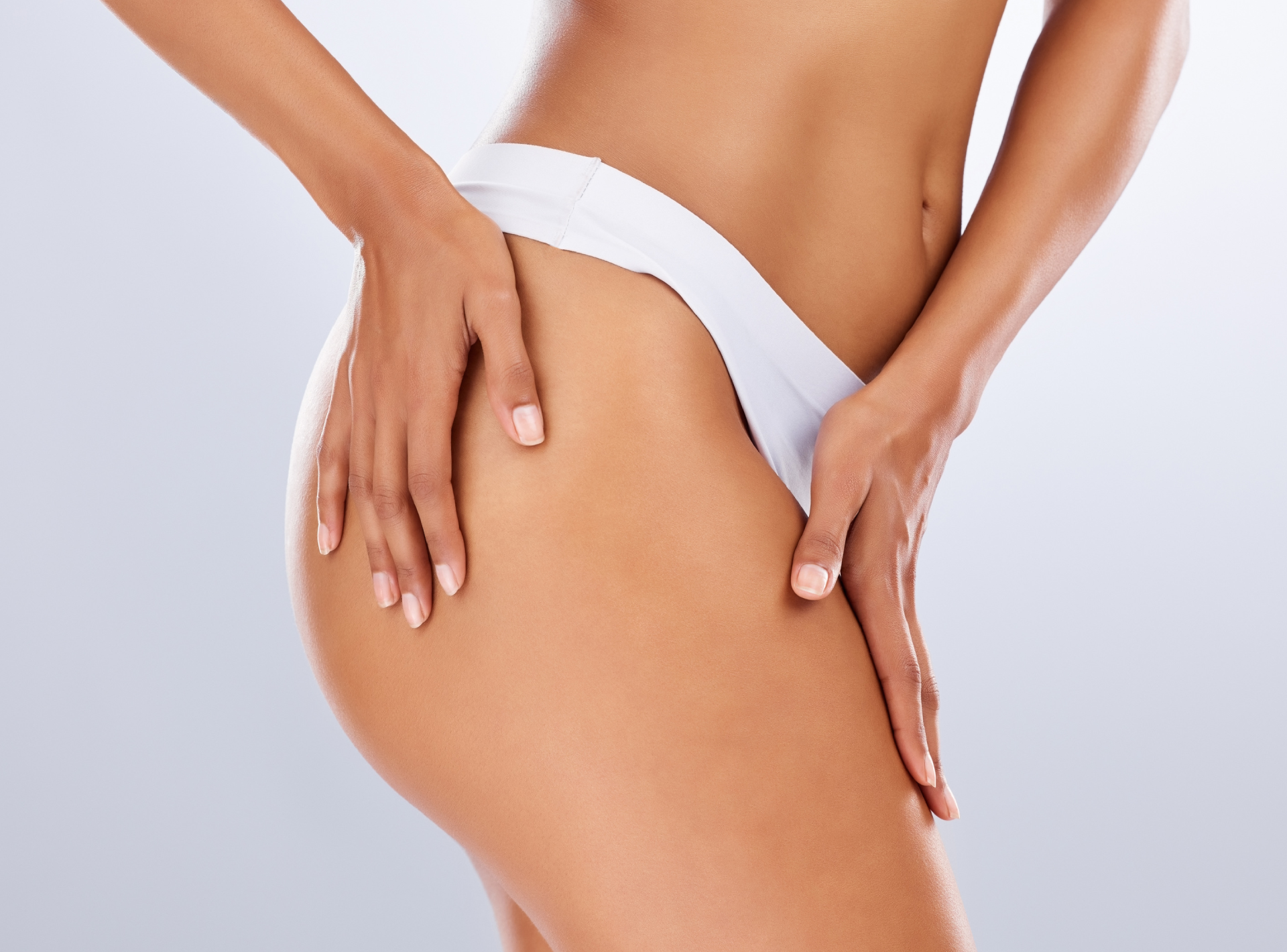
Do you have concerns about sagging or loose skin in the area of your inner or outer thighs? Do you have extra skin on your upper legs after losing a lot of weight quickly? Do you believe that having smoother, firmer skin on your upper legs will greatly boost your confidence?
If so, you might benefit from a thigh lift at Perfect Doctors Clinic in Dubai. We’re going to look more closely at how long it takes to recover from this treatment today and how to heal more quickly.
Thigh Lift In Dubai
Thigh Lift in Dubai is a cosmetic surgical procedure designed to improve the appearance of the thighs by removing excess skin and fat. This procedure is ideal for individuals who have experienced significant weight loss or aging, leading to sagging or loose skin around the thighs. A thigh lift tightens and contours the inner and/or outer thigh area, giving a smoother, firmer, and more toned appearance.
What Is the Recovery Time After a Thigh Lift Surgery?
On average, the recuperation period for a thigh lift should take four to six weeks. You must get as much rest as you can during the first several weeks following surgery. Some people don’t go back to work until three or four weeks after surgery, so you shouldn’t expect to work during this period. You can gradually return to your regular activities after the first few weeks following surgery.
What Recovery Timeline Should I Roughly Expect?
You shouldn’t anticipate being able to walk as well as you normally do for the first 23 hours after surgery. To avoid climbing stairs, you should, if at all feasible, set up a room on the ground floor of your house for recovery. In fact, during the first phase of the recuperation period, it is best to avoid activities that can cause major thigh tissue stretching, such as running, climbing stairs, and squatting.
To speed up your recovery, it is strongly advised that you take light, quick walks on a regular basis. But for the first 3 days following surgery, you don’t have to worry about this. It is advised to stay in bed.
What Should I Expect a Week After Surgery?
You may probably need to return seven days following your thigh lift treatment to have any drains that were installed removed. We will examine your incisions during your one-week follow-up visit to be sure they are healing properly. You should be taking short, leisurely walks at this point.
You should try to get 35 minutes of moderate cardio on most days; however, these can be divided into much smaller chunks.
What Should I Expect Two to Three Weeks After Surgery?
You might be allowed to resume work two to three weeks following surgery, depending on the specifics of your profession and the extent of your procedure. It is more likely that you will need to take three or four weeks off work to concentrate on your recuperation if you receive both an inner thigh lift and an outer thigh lift.
You should continue to refrain from physically demanding activities like intense aerobics and lifting large weights throughout this phase of the healing process.
What Should I Expect Six Weeks After Surgery?
You should schedule another follow-up appointment six weeks following your treatment. You should be able to resume all of your regular activities, including strenuous exercise and intensive anaerobic workouts, at this point if you have been closely according to the aftercare instructions closely.
What Can I Do to Heal Faster From Thigh Lift Surgeries?
Wearing prescription-strength compression garments for a month following this treatment is one of the most crucial things you can do to hasten your recovery. Because the compression garments will help maintain your sutured incisions in place, they will initially speed up your recuperation.
The compression clothing becomes increasingly crucial to enhancing the visibility of your reduced outlines once you are reasonably well recovered.
You can expedite your recuperation by eating a healthy diet and wearing compression garments for a month following surgery. It is strongly advised to consume more soluble fiber if you are taking prescription painkillers following surgery.
At the same time, you might wish to drink more water. Eating a lot of fruits and vegetables high in protein is also crucial. Other advice for a more seamless recovery is as follows:
Stay Hydrated
Depending on your sex, consuming six to eight cups of water a day during the early stages of your recuperation should be plenty to keep you hydrated; however, individual needs may differ. Your requirement for fluids will rise after your bed rest is ended and you begin to exercise more.
No matter how far along you are in your recuperation, don’t forget to periodically check in with yourself to make sure you’re getting enough water. The only accurate measure of hydration is pale urine.
You will be chronically dehydrated if you rely on your thirst to alert you to your dehydration. Thirst, which is frequently mistaken for hunger, is a delayed signal of dehydration.
Sleep Well
Another crucial thing you can do to guarantee that your wounds heal as soon as possible is to get sufficient sleep. After your procedure, your body will continue to recover, but the majority of this healing will occur during the last phase of your sleep cycle.
Thus, it’s best to prepare yourself for restful, deep sleep. Since you restart at the first stage of the sleep cycle each time you fall back asleep, it’s crucial to strive for unbroken sleep.
You could not be spending enough time in the rapid eye movement stage of the sleep cycle if, after a full night’s sleep, you wake up feeling unrefreshed. Your body completes the majority of its tasks during this time, including resting and self-healing.
We strongly advise you to limit your exposure to blue light for a few hours prior to bed in order to enhance the quality of your sleep. In the evening, you should also limit your intake of alcohol, nicotine, and caffeine.
Don’t Smoke or Drink Alcohol
Nicotine is a stimulant, so it’s vital to limit your intake near bedtime to help you sleep better at night. For the same reason, trying to cut back on coffee in the late evening and avoiding drinking too late at night will help you get a good night’s sleep. However, alcohol and nicotine use should be completely avoided during recovery from surgery.
These drugs lower the effectiveness of your cardiovascular system, which is why they should be avoided while you are recuperating from surgery. Because it carries the building blocks your skin needs to make collagen so it can heal itself, this essential system is crucial to your recuperation.
These chemicals will take longer to reach your incisions if your circulation is poor.
Follow All Recovery Guidelines
If you wish to recover after surgery as soon as possible, you should also be careful to adhere to all recovery instructions. Not driving for three weeks and not sitting for two weeks are two of the most crucial.
Am I a Good Candidate for This Procedure?
During your initial appointment, we will determine whether you are a good candidate for this procedure. We will carefully assess your health before deciding to make sure this surgery is safe for you.
Additionally, we’ll make sure your skin isn’t irritated during the operation. The operation may need to be postponed while your health improves if it changes between your consultation and the planned procedure.
We also need to confirm that this process will help you achieve your objectives. You can give yourself a fairly clear notion of what outcomes you may expect at home, regardless of whether you’re thinking about getting your inner or outer thighs lifted.
Standing in front of a mirror, pinch the skin on your inner thighs and lift it toward your crotch if you’re concerned about them. Squeeze your extra hip skin together if you have concerns about your outer thigh.
BOOK AN APPOINTMENT TODAY
Thigh Lift Recovery Tips
Observe your doctor’s post-operative instructions, which may include the following, to reduce risks and improve outcomes:
- During the first two weeks, try to rest as much as you can.
- Following a written schedule and taking all painkillers as prescribed.
- Minimizing movement to avoid blood clots, with the exception of light walking.
- putting on your compression garment as directed by your physician.
- Preventing fluid retention by drinking plenty of water and avoiding foods high in salt.
- Gradually getting back to your regular activities.
- Ask any questions you may have of your physician.
Thigh Lift FAQS
What Is a Bilateral Thigh Lift?
The front and outside of the thighs are the targets of bilateral thigh lifts. An incision is made in the groin region, possibly extending around the hip, where the pubic region and upper thigh meet.
The skin is next tightened by lifting and trimming any extra loose skin from the left and right sides of the leg.
What Is A Spiral Thigh Lift?
By correcting buttock rolls and/or increasing volume, a spiral thigh lift is a cosmetic treatment that tightens and reshapes the thighs while reinventing the buttocks’ features. This unique method of thigh shaping provides 359-degree sculpting for all-encompassing improvement.
What Is A Medial Thigh Lift?
A common operation to address sagging skin on the inner thighs is medial thigh lifts. Usually, in the groin region, the surgeon makes an incision along the body’s natural fold. By removing extra skin and fat, this method gives the thighs more form and a better appearance.
What Is A Mini Thigh Lift?
By making a tiny incision in the groin area, a mini thigh lift treats drooping in the upper and inner thigh region.
MEET THE EXPERT DOCTOR
Best Plastic Surgeon In Dubai For Thigh Lift
Best Plastic Surgeon In Dubai for Thigh Lift provides comprehensive, tailored thigh lift procedures that address sagging skin, excess fat, and uneven contours in the thigh area. At Perfect Doctors Clinic, Dr. Perfect Celebrity and his team of experts utilize advanced techniques to tighten and reshape the thighs, giving a more youthful, sculpted appearance.
Schedule Your Initial Consultation Today
You may require approximately four to six weeks to recuperate following a thigh lift. You should take time off work and concentrate solely on your recuperation during the first week or two following surgery.