





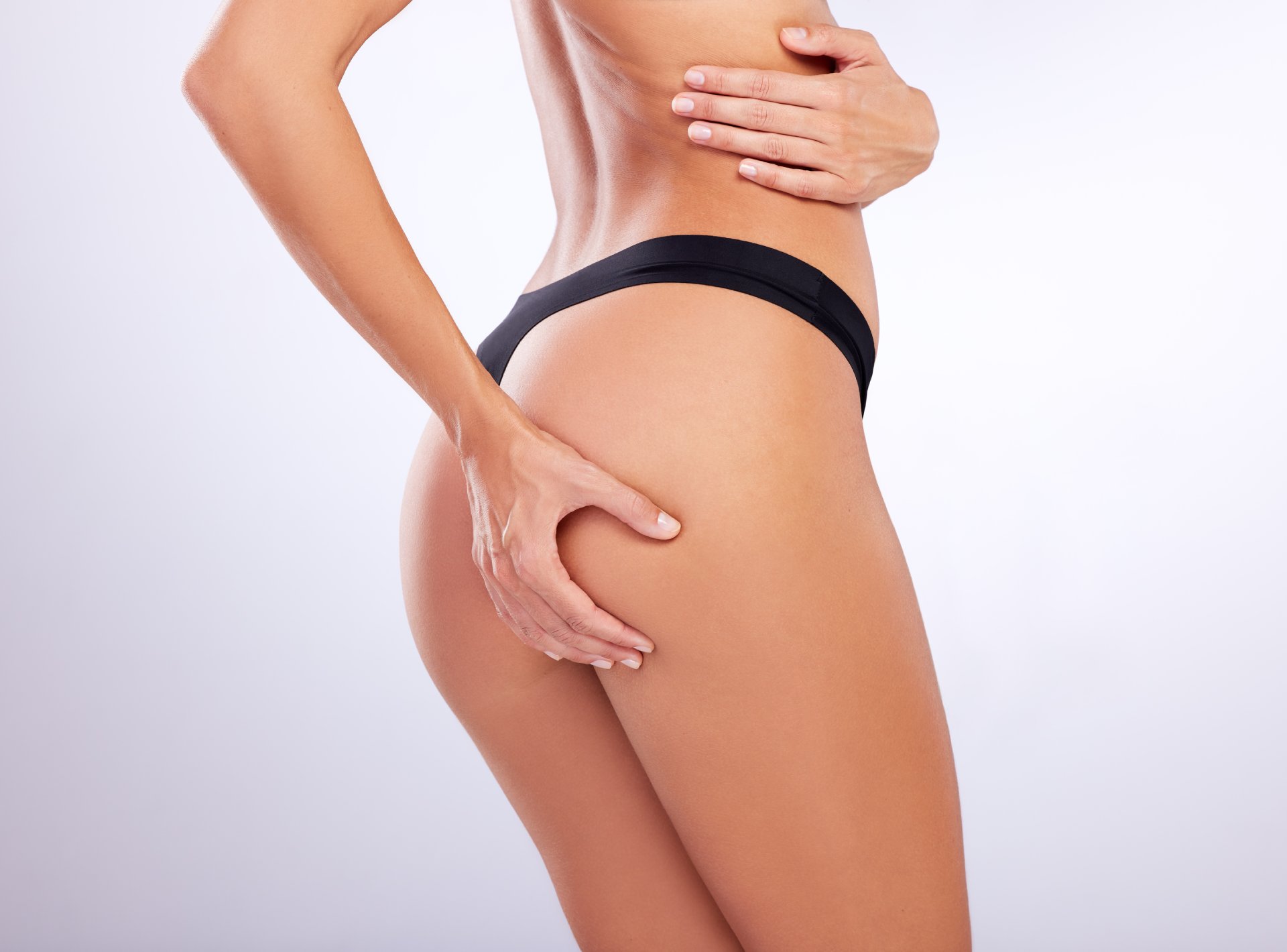
Thigh lift surgery, sometimes referred to as a thighplasty, is a cosmetic surgical procedure used to remove extra skin, fat, and tissue from the thighs to reshape and contour them. People who have experienced significant weight loss, aging, or other conditions that have caused loose, sagging skin around their thighs frequently seek it out. This procedure reshapes the upper leg, improving contours and proportions. Additionally, it can lessen or even eradicate the pain and discomfort brought on by thigh skins rubbing against one another and creating chafing.
A thorough understanding of the recuperation process is crucial for potential thigh-lift patients. Patients’ recovery from thigh lifts can vary significantly depending on several factors, including their anatomy, age, genetics, pain threshold, and the surgical method used. This blog post will describe the typical thigh lift recovery experience and offer advice on how to make recovery as quick and simple as possible in light of the possibility of such variability.
Thigh Lift In Dubai
Thigh Lift in Dubai is a body contouring procedure that is widely used to reshape and tighten the thighs by removing excess skin and enhancing overall proportion. It is frequently selected by individuals who have undergone substantial weight fluctuations or desire a more toned appearance. The recovery process significantly influences the smooth, natural-looking outcomes. As the skin adjusts to its new contours and swelling decreases, patients typically observe gradual improvements. Proper post-procedure care, which includes rest and adherence to expert advice, guarantees a comfortable healing experience. With proper guidance, recovery becomes easier, helping patients confidently resume daily activities.
Recovery Milestones & Timelines
Day After Surgery
General anesthesia will be used during your thigh lift procedure. When you first wake up, you may experience fatigue, nausea, and soreness. This sensation is typical and may persist for up to three hours. Bandages will be applied to your thighs, and you might receive a special compression garment. As you heal, tiny drainage tubes will be inserted beneath your skin to remove fluids from your thighs.
Have a friend drive you home and stay with you for the day, as you can’t drive due to pain meds and soreness. Particularly when you walk, your thighs will hurt. To maintain your circulation after napping, you will get out of bed and take a stroll around your house.
2-3 Days After Surgery
The two to three days after your surgery are when swelling and bruising will be most noticeable. Keep wearing your compression garment and replace your bandages as directed by your physician if necessary.
Reducing your movement during this time is crucial to protecting your wounds while they heal. Since practically every bodily movement involves the thighs, you should limit your activity during the first few days.
7-14 Days After Surgery
You will go back to your doctor’s office for a follow-up appointment after the first week. Your bandages will be taken off or replaced at this point, along with your drains and stitches.
For a few weeks, keep wearing your compression garment. This clothing supports your thighs while they heal and shields your cuts. You can get better results if you wear it exactly as recommended.
For the first two weeks or longer, minimize your movement. Steer clear of stretching your thighs and exercise caution when bending, sitting, standing, and walking.
You will see an improvement in your thigh shape during this time, but swelling and bruises will remain.
2-4 Weeks After Surgery
It’s time to find a better balance between simple, slow walking and movement avoidance after two weeks. Your lower limbs won’t develop blood clots if you move gently. Ideal activities include simple calf exercises like pointing and flexing your feet to stretch the back side of your lower legs, as well as cautious, leisurely walking.
1-2 Months After Surgery
Your incisions should have been completely healed, and your thigh swelling should be minimal by the six-week mark. You will still be able to see your scars, which can be anything from light red to dark purple.
Most activities are safe to resume at this time. Steer clear of strenuous exercise and stick to the steady walks if your swelling is still moderate.
6+ Months After Surgery
The swelling should have totally disappeared after six months. Although you might continue to see improvements for up to a year, your final results will now be visible.
If your overall health and fitness, particularly your body weight, remain constant, the effects of a thigh lift are long-lasting.
Pain
After surgery, pain is inevitable, though each person experiences it to a different degree. As the effects of general anesthesia wear off, you will probably experience the most pain in the initial days following surgery.
Your doctor will recommend or prescribe oral painkillers to help you manage your pain at home. Additionally, the following can lessen your pain:
- Rest: Especially during the first two weeks, take time off from work and give yourself as much rest as you can. Ask a close friend or relative to assist you with personal chores.
- Hydrate: To stay hydrated, drink lots of water. Hydration expedites healing and lowers the risk of complications.
- Move: Easy, quick walks around your home encourage blood circulation, which speeds healing and lowers the risk of clotting, but excessive movement should be avoided.
Scarring
The kind of thigh lift surgery used will determine any possible scarring. The patient’s unique requirements, the amount of extra skin and fat, and the surgeon’s preferences and experience will all influence the particular surgical technique that is employed. A thigh lift procedure is intended to improve the patient’s overall body contours by making the thighs appear more toned and sculpted. Thigh lift surgeries come in various forms, each focusing on particular thigh regions:
Mini thigh lift: This procedure is a scaled-down version of the standard thigh lift. It is intended to treat mild to moderate skin and tissue sagging in the upper inner thigh region. A mini thigh lift targets a particular area of the thighs, usually the upper inner thigh region, and requires smaller incisions. To remove less extra skin and possibly some fat, the surgeon makes a shorter incision along the upper groin area. To give the appearance of greater elevation, the underlying tissues may also be tightened.
Inner (medial) thigh lift: This kind of thighplasty targets the inner thighs and is frequently used to treat “chafing,” or rubbing, that may happen between the thighs as a result of extra skin. To remove extra skin and fat, the surgeon makes an incision along the groin crease and may extend it down toward the knee. This surgical procedure is especially appropriate for people who have lost a lot of weight, are getting older, or have genetic conditions that have left their inner thighs with extra skin and a lack of firmness.
Outer (bilateral) thigh lift: By removing extra skin, fat, and tissue from the outer thighs and hips, an outer thigh lift procedure, also referred to as a bilateral thigh lift, attempts to enhance their appearance. The surgeon makes cuts along the hips and outer thighs. The degree of correction needed and the surgeon’s preferred method will determine the length and design of the incisions.
Spiral thigh lift: A spiral thigh lift is intended to reduce excess skin, fat, and tissue throughout the entire circumference of the thighs, including the front, back, inner, and outer areas. This all-encompassing method gives the thighs a more balanced and harmonious shape. The thighs will be surrounded by incisions made by the surgeon, extending to the front and back. The term “spiral thigh lift” refers to the pattern of incisions that may resemble a spiral or continuous loop. The individual’s anatomy and the intended results will determine the length and location of the incisions.
Scarring can happen after any surgery that involves an incision, but there are ways to make them less noticeable, such as topical scar creams, corticosteroid injections, dermabrasion treatments, chemical peels, fillers, and more.
While not all scars can be completely removed, these procedures can frequently lessen their appearance and enhance the general texture of the skin. The type of scar, its location, and the patient’s unique skin characteristics will determine the best course of action. Before beginning any scar reduction procedure, always get advice from a licensed medical practitioner.
Thigh Lift Recovery Tips
For the best outcomes and to reduce complications following thigh lift surgery, recovery is essential. The following advice can help you recuperate from a thigh lift surgery:
- Follow all post-procedure instructions from the surgeon. Patients will be guided by these instructions regarding medication use, activity limitations, wound care, and any other particular recovery guidelines.
- Rest. Patients should avoid driving, limit their walking and standing, and rest completely for ten days after surgery.
- Stay hydrated and eat nutritious foods. A balanced diet high in vitamins and minerals and adequate hydration can support healing. Drink lots of water, stay away from highly processed foods, and make sure you eat many fruits, vegetables, grains, and healthy protein.
- Use compression garments as directed by the surgeon. Compression clothing promotes healing, enhances circulation, and lessens swelling. Compression clothing may be advised for up to six months following surgery, depending on the extent of the procedure and the patient’s recovery.
- Keep incisions clean and dry. Until their surgeon gives the all-clear, patients should refrain from immersing the surgical site in any kind of water (this means no baths or hot tubs). Two days following surgery, patients can typically take a shower, but they should only use warm water, not hot, and keep it short.
- Avoid smoking and alcohol. Alcohol thins the blood and inhibits clotting, which is essential for healing, whereas smoking increases the risk of scarring and slows the healing process. While recovering, both should be avoided.
- No driving. Patients should consider that they won’t be able to drive for two to three weeks after the procedure. The inability to drive is frequently caused by a number of things, such as the use of prescription painkillers, a possible lack of strength and focus, and potential pain and stiffness.
- Walk, but only once cleared by the surgeon. Patients can start taking quick walks to encourage healthy blood flow to the surgical site once they are cleared, which is typically seven days after surgery. This activity should only be done with the surgeon’s approval to avoid unnecessary strain.
Recall that every person’s journey to recovery is unique. During this time, it’s critical to pay close attention to the surgeon’s instructions and give rest top priority.
BOOK AN APPOINTMENT TODAY
Thigh Lift Recovery Complications: When To Call The Surgeon
Like any surgical procedure, thigh lift surgery entails some risks and possible complications after the procedure. In order for patients to make wise choices and take the proper actions during their recuperation, it is crucial to be aware of these possibilities. Although they are uncommon, complications can happen during any surgical procedure. Contact the surgeon right away if you experience any of the following symptoms:
- Breathlessness
- Pains in the chest
- Irregular heartbeat
- Bleeding
- Chills or fever (which may indicate an infection)
- An uncomfortable cut
- Excessive leg swelling
- Pain that is not alleviated by medicine
- Wounds that heal slowly (no noticeable healing during the first few weeks after surgery)
By selecting a qualified and experienced plastic surgeon, closely adhering to pre-operative and post-operative instructions, and keeping lines of communication open with the medical team throughout recovery, many complications can be reduced or prevented. Following thigh lift surgery, patients should get in touch with their surgeon right away if they have any strange or worrisome symptoms to make sure they are properly evaluated.
Risks & Side Effects
Every surgical procedure carries some risk, just like general anesthesia. Talk to your doctor about the possible risks when determining whether thigh lift surgery is right for you.
Pain, scarring, asymmetrical outcomes, infection, bleeding, fluid retention, blood clotting in the lower extremities, or the recurrence of loose skin are common risks associated with thigh lifts.
Stages Of Healing After Thigh Lift
The healing process following a thigh lift is characterized by distinct stages. Swelling and mild discomfort are prevalent during the initial phase of recovery. The skin gradually adjusts, and the appearance of bruising diminishes as time passes. In the later stages, firmness improves and scars start to soften. Patience is required for complete healing; however, consistent care facilitates the attainment of more refined and seamless outcomes.
Downtime For Desk Jobs After Thigh Lift
Once the initial discomfort subsides and mobility improves, the majority of individuals who work at a desk can resume their activities. Initially, prolonged periods of sitting may induce a slight discomfort; therefore, it is advantageous to take frequent, brief breaks. Supports circulation and healing through the use of light movement. Ensure a smoother transition back to work while maintaining recovery progress by adhering to proper posture and avoiding strain.
Thigh Lift Recovery Dos And Donts
It is crucial to adhere to straightforward guidelines during the recovery process. Do ensure that the treated area is kept clean, that you are wearing the recommended support garments, and that you are staying hydrated. To facilitate healing, it is recommended that gentle movement be implemented. Refrain from participating in strenuous activities or disregarding medical advice. Refrain from applying pressure to the thighs. These procedures necessitate meticulous consideration to guarantee optimal and enduring outcomes.
MEET THE EXPERT DOCTOR
Best Plastic Surgeon In Dubai For Thigh Lift
Best Plastic Surgeon in Dubai for Thigh Lift is available at Perfect Doctors Clinic, where Dr. Perfect Celebrity is known for delivering advanced and personalized care. This method prioritizes patient safety and comfort while striving to produce balanced and natural-looking results. We take individual body goals into account when designing each treatment plan, ensuring that the result enhances both confidence and appearance. Precision, contemporary methodologies, and a comprehensive comprehension of body contouring are prioritized. Patients are provided with structured support throughout the entire process, from consultation to recovery guidance, which ensures a smooth and reassuring experience. Individuals are able to maintain a sense of assurance throughout the process by adhering to high standards and paying close attention to detail. Achieving refined thigh contours becomes a realistic and satisfying experience for those who are seeking transformation with the assistance of expert planning and a patient-focused approach.